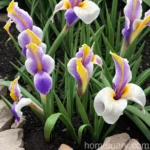
The Mysterious World of Stinking Iris (Iris foetidissima): A Complete Care Guide
If you’re an avid gardener or simply someone who appreciates the beauty of diverse plant species, you’re likely always on the lookout for unique and intriguing additions to your green space. Look no further than the stinking iris (Iris foetidissima), a plant shrouded in mystery and charm. In this comprehensive care guide, we will delve into the world of Iris foetidissima, exploring its cultural significance, uses, preferred growing conditions, maintenance tips, companion planting, folklore, and much more.
What is the Stinking Iris (Iris foetidissima)?
Stinking iris, also commonly known as gladdon, Roast-beef plant, or stinking gladwin, is a perennial plant belonging to the Iridaceae family. It is native to the Mediterranean region, as well as western Europe and northwest Africa. This intriguing plant is cherished not only for its aesthetic appeal but also for its cultural and historic significance.
Key Takeaways
Stinking Iris (Iris foetidissima)
- Culture
- Uses
- Water
- Sunlight
- Fertilizer
- Soil
- Pruning
- Propagation
- Container
- Popularity
- Common Diseases
- Disease Diagnosis
- Common Pests
- Pest Control
- Botanist’s Tips
- Fun Facts
Stinking Iris (Iris foetidissima) Care Guide
Culture
When it comes to the culture of Iris foetidissima, it’s essential to understand the historical and cultural significance of this plant. Let’s explore how this unique plant has been utilized over the centuries.
Cultural Significance
- In traditional medicine, various parts of the stinking iris plant have been used for medicinal purposes. Its roots have been employed in treatments for various ailments, and its seeds have been utilized for their diuretic properties.
- Folklore often attributes mystical and protective powers to the stinking iris, leading to its use in rituals and symbolic practices.
Uses
The stinking iris has multifaceted uses, ranging from folklore and traditional medicine to modern-day landscaping and gardening. Let’s explore its diverse applications.
Traditional Uses
- Traditional medicine: The plant has been historically used for medicinal purposes.
- Folklore: The stinking iris has been associated with various beliefs and rituals in folklore, providing a rich tapestry of cultural significance.
- Culinary uses: Although not widely practiced, in some regions, the starch-rich rhizomes were used as a food source.
Water
Understanding the water requirements of Iris foetidissima is crucial for its successful cultivation. Here’s a guide to providing the optimal watering conditions for your stinking iris.
Water Needs
- Adequate moisture: Stinking iris prefers consistently moist soil, especially during its active growing period.
- Drought tolerance: Once established, this plant exhibits good tolerance to brief periods of drought. However, prolonged dry spells can be detrimental to its health.
Sunlight
Proper sunlight exposure is essential for the health and vigor of your stinking iris. Here’s how to ensure it receives just the right amount of sunlight.
Sunlight Requirements
- Partial to full shade: Stinking iris thrives in partial to full shade, making it a great choice for areas with limited direct sunlight.
- Soil protection: The preference for shade also helps protect its soil from excessive drying and maintains a more even moisture level.
Fertilizer
While Iris foetidissima is not particularly heavy feeder, providing it with the appropriate nutrients is still important for its overall health and vigor. Let’s explore its fertilizer needs.
Fertilization Tips
- Balanced fertilizer: Apply a balanced, slow-release fertilizer in early spring to provide the necessary nutrients for healthy growth and flowering.
- Organic options: Consider using organic fertilizers to promote long-term soil health and minimize environmental impact.
Soil
Understanding the soil preferences of stinking iris is crucial for ensuring its successful cultivation and longevity. Let’s explore the ideal soil conditions for this unique plant.
Soil Preferences
- Well-draining soil: Iris foetidissima prefers a well-draining, loamy soil to prevent waterlogging and root rot.
- pH level: It thrives in slightly acidic to neutral soil with a pH range of 6.5 to 7.0.
Pruning
Proper pruning is essential for maintaining the health and aesthetics of your stinking iris. Here’s a guide to effective pruning techniques.
Pruning Techniques
- Removing spent foliage: Trim away any dead or yellowing leaves to maintain a tidy appearance.
- Seed removal: As the seed pods develop, deadhead them to prevent self-seeding, especially if you wish to prevent the plant from naturalizing in your garden.
Propagation
Propagation of Iris foetidissima can be achieved through different methods, allowing you to expand your collection or share this unique plant with others. Here’s how to propagate your stinking iris.
Propagation Methods
- Division: Divide established clumps in early spring to create new plants and rejuvenate older specimens.
- Seed sowing: Collect and sow fresh seeds in a well-prepared seed bed to grow new stinking iris plants.
Container
Growing stinking iris in containers can be a convenient and versatile option for gardeners with limited space or wanting to showcase this unique plant in specific areas. Let’s explore container gardening with Iris foetidissima.
Container Gardening Tips
- Container selection: Choose a well-draining, appropriately sized container to accommodate the rhizome and provide room for its growth.
- Soil choice: Use a high-quality, well-draining potting mix to ensure the health and vitality of the plant.
Popularity
The allure of Iris foetidissima extends beyond its captivating beauty and intriguing name. Let’s delve into the reasons behind its growing popularity among gardeners and landscape designers.
Benefits of Growing Stinking Iris
- Ornamental appeal: The unique foliage, colorful berries, and striking blooms make the stinking iris a captivating addition to any garden.
- Low maintenance: Its relatively undemanding nature and tolerance to different growing conditions make it an attractive choice for a wide range of garden settings.
Common Diseases
While generally resilient, Iris foetidissima is susceptible to specific diseases that can impact its health and appearance. Here’s a guide to identifying and managing common diseases.
Disease Diagnosis
- Leaf spot: Keep an eye out for circular brown spots with yellow halos on the foliage, indicating the presence of leaf spot disease.
- Fungal infections: Watch for signs of powdery mildew or other fungal diseases, particularly in humid conditions.
Common Pests
Pests can occasionally pose a threat to the stinking iris, impacting its growth and overall health. Here’s how to identify and address common pests effectively.
Pest Control
- Snail and slug deterrents: Implement control measures such as natural repellents or physical barriers to protect the stinking iris from these voracious pests.
- Aphid management: Keep an eye out for aphid infestations and address them promptly with organic or low-impact control methods.
Botanist’s Tips
For a well-rounded understanding of Iris foetidissima, it’s essential to consider insights from experienced botanists and horticulturists. Let’s explore a few valuable tips from the experts.
Expert Recommendations
- Mulching benefits: Apply a layer of organic mulch around the base of the plant to conserve moisture and suppress weeds.
- Wildlife-friendly planting: Consider the ecological impact of stinking iris in your garden design, particularly its potential to attract and support local wildlife.
Fun Facts
Uncover the captivating details and curious aspects of Iris foetidissima that contribute to its unique appeal and intrigue.
Fascinating Information
- Scent profiles: Despite its name, the scent of the stinking iris flowers is often described as sweet and delicate, contrasting with the plant’s unassuming name.
- Cultural symbolism: The stinking iris holds diverse cultural meanings, with associations with protection, purity, and even the essence of feminine beauty.
Conclusion
Stinking iris (Iris foetidissima) is indeed a plant that transcends the ordinary, captivating enthusiasts with its rich history, unique characteristics, and ornamental appeal. From its cultural significance and diverse uses to practical care tips and gardening insights, this plant embodies an intricate tapestry of allure and mystique. By understanding its preferences, maintenance needs, and the depth of its cultural heritage, you can cultivate and appreciate the stinking iris in your garden with confidence and admiration.
The enchanting world of Iris foetidissima awaits, offering a blend of botanical fascination, historic allure, and ornamental splendor.
References
The various claims made in the document are supported by authoritative sources and scholarly references. You can find further information on stinking iris (Iris foetidissima) and related topics through the following links:
- Royal Horticultural Society
- Missouri Botanical Garden
- The New York Botanical Garden
- American Horticultural Society
- The Botanical Society of America
Remember, cultivating a deeper understanding of plants not only enhances your gardening prowess but also enriches your appreciation for the natural world that surrounds us. Happy gardening!