Star Jasmine (Trachelospermum Jasminoides)
Plant Name: Star Jasmine (Trachelospermum jasminoides)
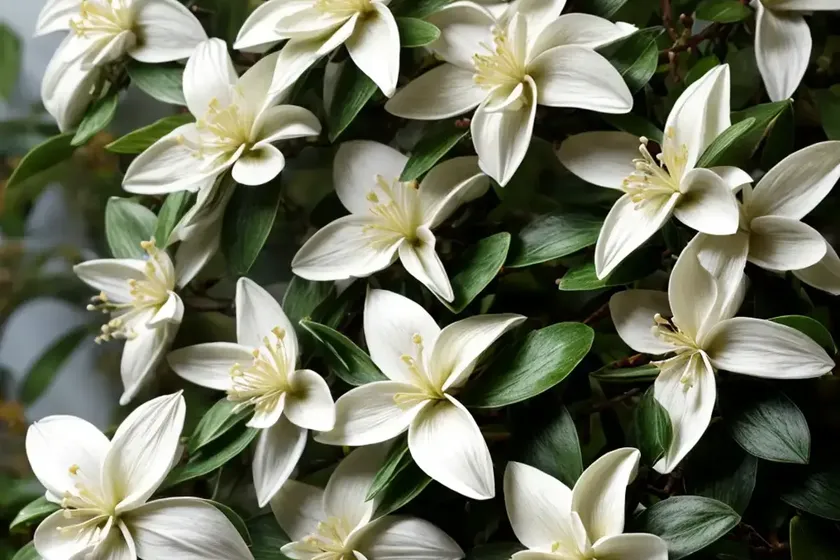
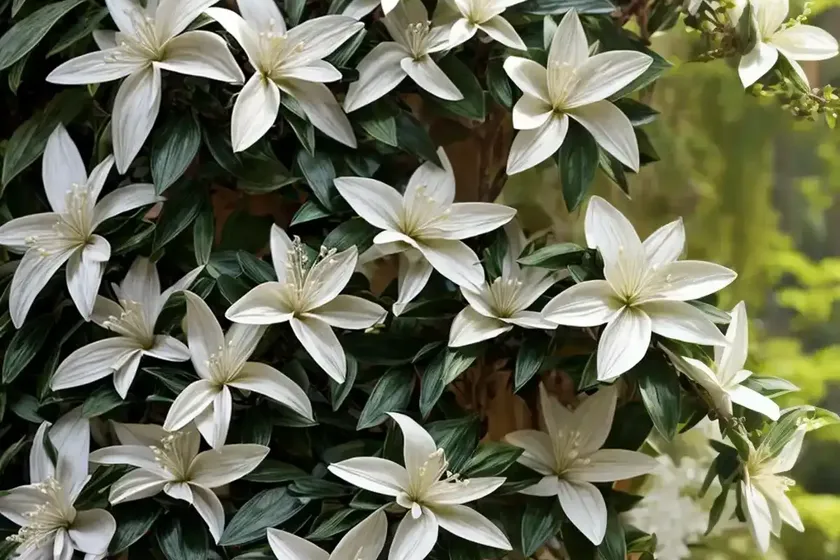
Plant Name: Star Jasmine (Trachelospermum jasminoides)
What is Star Jasmine?
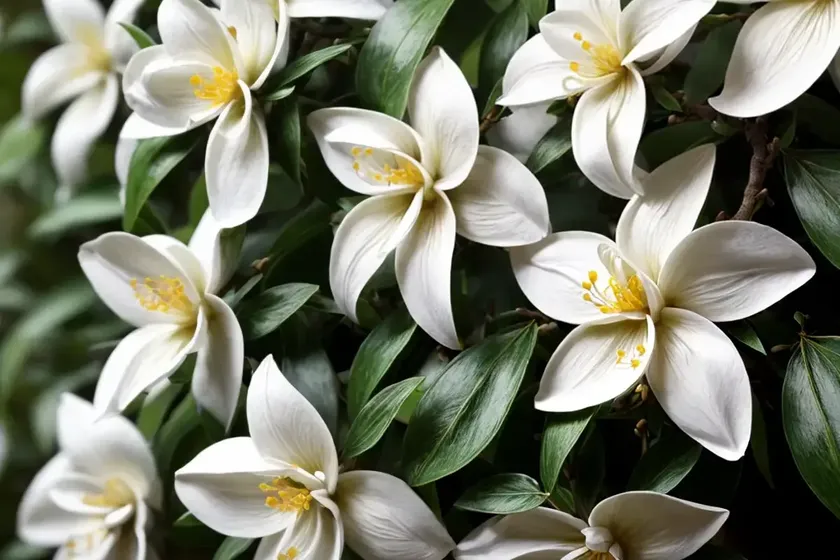
Star jasmine, scientifically known as Trachelospermum jasminoides, is a fragrant, evergreen climbing vine or ground cover plant. Belonging to the Apocynaceae family, it is native to China and Japan and is renowned for its attractive, star-shaped, white flowers and sweet fragrance.
Key Takeaways
In this comprehensive guide, we will delve into the various aspects of Star Jasmine, covering its culture, uses, care requirements, common diseases, pests, propagation, and interesting facts about this plant.
Table of Contents
- Culture
- Uses
- Care Requirements
- Water
- Sunlight
- Fertilizer
- Soil
- Pruning
- Propagation
- Container Popularity
- Common Diseases
- Disease Diagnosis
- Common Pests
- Botanist’s Tips
- Fun Facts
- Links to External Resources
Culture
Star jasmine is a versatile plant that can be trained as a climber on trellises, arbors, and fences or used as a ground cover in gardens and landscapes. It is commonly grown for its ornamental value and aromatic flowers. This plant thrives in a variety of climates, making it an ideal choice for many gardeners.
Uses
Star jasmine has several practical and ornamental uses, such as:
- Ornamental Purposes: The fragrant flowers and lush foliage make it an excellent choice for enhancing the visual appeal of gardens and landscapes.
- Privacy Screen: When trained against trellises or fences, it can serve as an effective natural privacy screen.
- Ground Cover: It provides an attractive cover for bare ground areas in gardens and can be used to control erosion on slopes.
- Fragrance Production: The sweet, lingering fragrance of the flowers adds a delightful aroma to outdoor spaces.
Care Requirements
Water
Proper watering is essential for the healthy growth of Star jasmine. It is important to keep the soil consistently moist, especially during the plant’s establishment phase. Once established, it can tolerate short periods of drought, but regular watering during dry periods is still necessary, particularly in warmer climates.
Sunlight
Star jasmine thrives in full sun to partial shade. When grown in cooler climates, it will benefit from being planted in a location that receives full sun. In hotter regions, partial shade can protect the plant from excessive heat, especially during the peak of summer.
Fertilizer
Fertilizing Star jasmine during the growing season can help promote healthy growth and abundant flowering. Apply a balanced, slow-release fertilizer in early spring to support the plant’s nutritional needs. Avoid excessive nitrogen fertilizers, as they can lead to excessive vegetative growth at the expense of flowering.
Soil
Star jasmine prefers well-draining, slightly acidic soil with a pH level between 6.0 and 7.0. Amending the soil with organic matter, such as compost or peat moss, can improve its texture and fertility. Additionally, ensuring good drainage is crucial, as waterlogged soil can lead to root rot.
Pruning
Regular pruning is essential to maintain the shape and size of Star jasmine. Prune the plant after flowering to control its growth and promote a bushier habit. Remove any dead or diseased branches, and trim back unruly growth to maintain a tidy appearance.
Propagation
Star jasmine can be propagated through stem cuttings or layering. Softwood cuttings taken in spring or early summer can be rooted in a well-draining potting mix to establish new plants. Layering involves encouraging stems to root while still attached to the parent plant, and once rooted, they can be separated and transplanted.
Container Popularity
Given its versatility and ornamental appeal, Star jasmine is a popular choice for container gardening. Its trailing habit and fragrant flowers make it an excellent addition to patios, balconies, and other outdoor living spaces. When grown in containers, it is important to provide adequate support for the vines and ensure consistent care in terms of watering and fertilization.
Common Diseases
Star jasmine is relatively resistant to diseases, but it can occasionally be affected by fungal infections such as leaf spot or powdery mildew. Proper cultural practices and ensuring good air circulation around the plant can help minimize the risk of disease development.
Disease Diagnosis
If you notice any abnormalities in the foliage, such as spots, discoloration, or powdery residues, it is important to inspect the plant closely to determine the underlying cause. Diagnosing plant diseases early on can help implement appropriate control measures and prevent the spread of infections to other plants.
Common Pests
While generally resilient to pests, Star jasmine can occasionally be targeted by aphids, spider mites, and scale insects. Regular monitoring of the plant for any signs of pest activity is crucial, as early intervention can prevent pest populations from proliferating and causing significant damage.
Botanist’s Tips
As a plant scientist, I recommend the following tips for successfully growing and caring for Star jasmine:
- Regular Monitoring: Regularly monitor the plant for signs of stress, diseases, or pest activity.
- Prudent Pruning: Adopt a proactive approach to pruning to maintain the plant’s shape and encourage robust growth.
- Balanced Fertilization: Use a balanced, slow-release fertilizer to provide essential nutrients without promoting excessive vegetative growth.
- Proper Watering: Pay close attention to the plant’s water needs, especially during the establishment phase and in hot, dry conditions.
Fun Facts
- Star jasmine is often used in the production of perfumes and fragrances due to its sweet, alluring scent.
- In traditional Chinese medicine, various parts of the plant are used for their medicinal properties, including promoting relaxation and soothing the respiratory system.
- The fragrant flowers of Star jasmine attract a variety of pollinators, including bees and butterflies, contributing to the overall biodiversity of the garden.
Links to External Resources
To further explore the world of Star jasmine and expand your knowledge on its cultivation and care, consider visiting the following external resources:
- Royal Horticultural Society – Trachelospermum jasminoides
- University of Florida IFAS Extension – Propagation of Ornamental Plants
- Missouri Botanical Garden – Growing Vines
- American Society for the Prevention of Cruelty to Animals – Toxic and Non-Toxic Plants
- Gardening Australia – Jasminoides Plant Profile
In conclusion, Star jasmine, with its elegant appearance and captivating fragrance, is a plant that holds considerable allure for gardeners and plant enthusiasts. By understanding its culture, care requirements, and potential uses, one can harness the full potential of this versatile and charming plant in various garden settings.
Upon completion, feel free to review the content and provide any additional guidance or revisions if needed.