Annual Yellow Woundwort (Stachys Annua)
What is plant: Annual Yellow Woundwort (Stachys annua) Annual Yellow Woundwort, scientifically known as Stachys annua, is a herbaceous flowering plant.
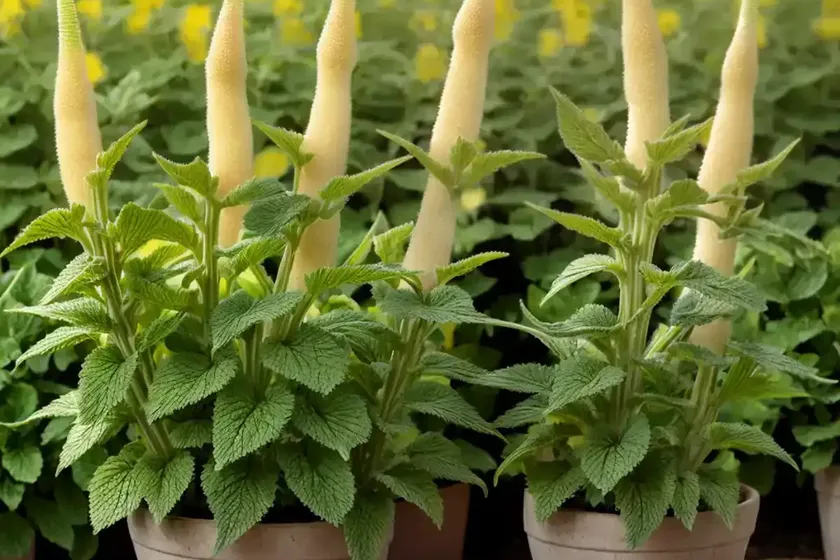
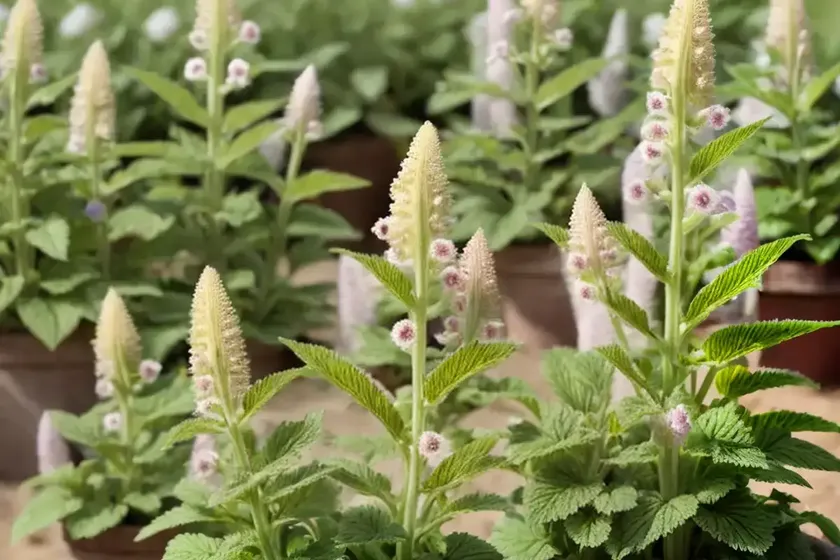
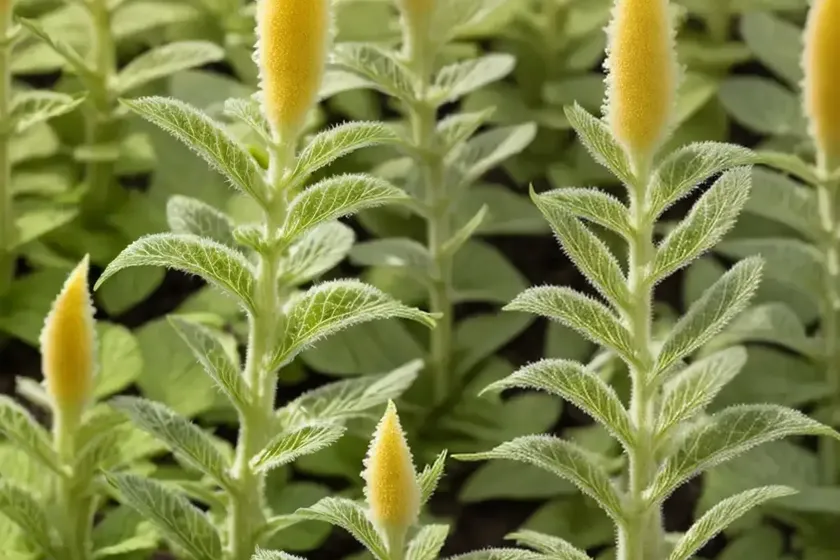
What is plant: Annual Yellow Woundwort (Stachys annua)
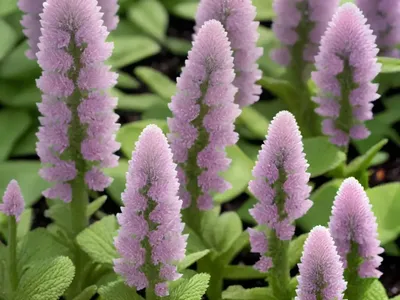
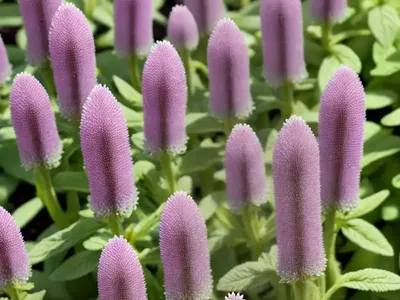
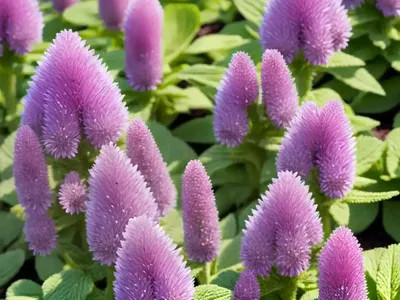
Annual Yellow Woundwort, scientifically known as Stachys annua, is a herbaceous flowering plant belonging to the Lamiaceae family. It is native to Eurasia but has naturalized in many other regions around the world. The plant is notable for its bright yellow flowers and is often sought after for its ornamental, culinary, and medicinal properties. In this comprehensive guide, we will explore the cultivation, care, and various aspects of the Annual Yellow Woundwort, offering valuable insights for both novice and experienced plant enthusiasts.
Key Takeaways – Annual Yellow Woundwort (Stachys annua)
Before delving into the specific aspects of the Annual Yellow Woundwort, it is important to highlight some key takeaways that encapsulate its significance:
- Botanical Name: Stachys annua
- Common Names: Yellow Woundwort, Annual Stachys annua
- Uses: Ornamental, Culinary, Medicinal
- Habitat: Native to Eurasia, naturalized in various regions
- Characteristics: Bright yellow flowers, herbaceous growth
- Challenges: Susceptible to certain diseases and pests
- Cultural Significance: Historically used in herbal medicine and folklore
- Popularity: Appreciated by wildlife and conservation enthusiasts
- Environmental Impact: Suitable for wildlife gardening and landscaping
With these key takeaways in mind, let’s explore the specific elements related to the cultivation and care of the Annual Yellow Woundwort.
Culture
Uses
The Annual Yellow Woundwort, also known as Stachys annua, holds significant value in multiple domains due to its ornamental, culinary, and medicinal uses.
-
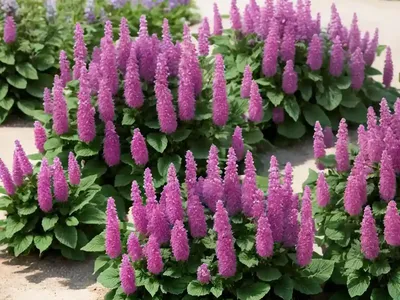
Ornamental: The bright yellow flowers of the Annual Yellow Woundwort make it a captivating addition to gardens, landscapes, and naturalistic plantings. Its vibrant blooms can provide a visual contrast and attract pollinators, making it a popular choice for wildlife-friendly gardens.
-
Culinary: While not as widely recognized for its culinary uses as some other plants, the Annual Yellow Woundwort has historically been used in herbal teas and infusions, adding a subtle floral note to beverages.
-
Medicinal: In herbal medicine traditions, the Annual Yellow Woundwort has been attributed with various medicinal properties. It has been used to address minor ailments and promote overall well-being.
Water
Stachys annua typically thrives in well-drained soil and benefits from regular, moderate watering. While it is important to provide consistent moisture, it is equally crucial to avoid waterlogged conditions, which can lead to root rot and other detrimental issues. During periods of drought, extra care should be taken to ensure that the plant does not become excessively dry, especially in hotter climates.
Sunlight
The Annual Yellow Woundwort exhibits a preference for full to partial sunlight, making it well-suited for a range of garden settings. When cultivated in locations with ample sunlight, this plant tends to produce more abundant blooms and maintain a robust growth habit.
Fertilizer
When considering fertilizer applications for Stachys annua, it is advisable to prioritize organic, balanced formulations. An annual top-dressing of compost or well-rotted manure in the spring can provide the necessary nutrients for healthy growth. Additionally, if the soil is deficient in specific elements, targeted organic fertilizers can be employed to address any deficiencies.
Soil
The Annual Yellow Woundwort thrives in fertile, well-drained soil with a slightly acidic to neutral pH. Loamy soils with good drainage are particularly well-suited for supporting the growth and development of Stachys annua. It is important to ensure that the soil remains consistently moist without becoming waterlogged, as excessively wet conditions can be detrimental to the plant’s health.
Pruning
Pruning practices for Stachys annua can help maintain a compact growth habit and encourage vigorous blooming. Deadheading spent flowers can prolong the blooming period and prevent the plant from expending energy on seed production. Additionally, the removal of any damaged or diseased foliage can contribute to the overall health and aesthetics of the plant.
Propagation
The propagation of Annual Yellow Woundwort is primarily achieved through seed sowing. The collection of mature seeds from the plant can be followed by sowing them in prepared soil, either directly in the garden or in containers. Providing adequate moisture and warmth can facilitate the germination process, leading to the establishment of new plants.
Container Popularity
The Annual Yellow Woundwort is well-suited for container cultivation, particularly in settings where its invasive potential needs to be managed. When grown in containers, it is essential to provide ample space for the root system to develop and ensure proper drainage to prevent waterlogging.
Common Diseases
Disease Diagnosis
While Stachys annua is generally resilient, it can be susceptible to certain diseases under unfavorable growing conditions. Some of the common diseases that may affect Annual Yellow Woundwort include:
- Powdery Mildew: This fungal disease can manifest as a powdery white coating on the leaves, affecting the overall vigor of the plant.
- Leaf Spot: Characterized by the appearance of discolored spots on the foliage, leaf spot diseases can lead to defoliation and diminished plant health.
- Root Rot: Excessive moisture or poorly drained soil can contribute to the development of root rot, impacting the plant’s ability to absorb nutrients and water effectively.
Regular monitoring of the plant’s foliage, coupled with prompt intervention upon detecting any signs of disease, can mitigate the impact of these issues and support the plant’s well-being.
Common Pests
Pest Identification
In addition to potential diseases, certain pests may pose a threat to the health of Stachys annua. Vigilance is crucial in identifying and addressing these pests to prevent significant damage. Some common pests that may target the Annual Yellow Woundwort include:
- Aphids: These small, sap-sucking insects can cluster on the tender new growth of the plant, leading to distorted foliage and reduced vigor.
- Spider Mites: Infestations of spider mites can result in stippled, discolored leaves and the development of fine webbing on the plant.
- Slugs and Snails: These mollusks can cause notable damage to the foliage and flowers of Stachys annua, particularly in moist environments.
Botanist’s Tips
Stachys annua Care Insights
- Soil Preparation: Prior to planting Stachys annua, it is beneficial to enhance the soil with organic matter to promote optimal growth.
- Mulching: The application of a layer of organic mulch around the base of the plant can assist in conserving soil moisture and minimizing weed competition.
- Companion Planting: Pairing Stachys annua with companion plants that share similar cultural requirements can create visually appealing and mutually beneficial garden settings.
- Beneficial Insects: Encouraging the presence of beneficial insects, such as ladybugs and lacewings, can aid in natural pest control within the garden.
Fun Facts
- Stachys annua has been historically associated with various folklore and myths, leading to its presence in cultural narratives and traditions.
- The bright yellow flowers of the Annual Yellow Woundwort contribute to its appeal for wildlife gardening, attracting beneficial pollinators to the garden.
- While it is valued for its ornamental qualities, Stachys annua also possesses a rich history of traditional uses in herbal medicine and culinary practices.
Links to External Resources
For further information on the cultivation and care of Annual Yellow Woundwort (Stachys annua), the following resources can provide valuable insights and guidance:
- Royal Horticultural Society (RHS) – Stachys
- Missouri Botanical Garden – Stachys annua
- The Herb Society of America – Annual Yellow Woundwort
- United States Department of Agriculture (USDA) – Plants Database
- American Society for the Prevention of Cruelty to Animals (ASPCA) – Toxic and Non-Toxic Plants: Stachys annua
By leveraging these reputable sources, individuals can access comprehensive details on Stachys annua and its cultural, culinary, and medicinal significance.
In conclusion, the Annual Yellow Woundwort (Stachys annua) stands as a versatile and captivating plant with multifaceted uses and cultural importance. By understanding its care requirements and appreciating its unique attributes, enthusiasts can embrace the beauty and utility of this remarkable herbaceous plant, contributing to diverse garden settings and enriching natural landscapes.