Stachys Byzantina (Lamb’s Ears)
Plants have always held a special place in the hearts of nature enthusiasts, horticulturists, and gardeners. Their diversity, beauty, and benefits have.
Plants have always held a special place in the hearts of nature enthusiasts, horticulturists, and gardeners. Their diversity, beauty, and benefits have been appreciated for generations. One such plant that has garnered attention for its distinctive appearance and practical uses is Stachys byzantina, commonly known as Lamb’s Ears. This herbaceous perennial, with its unique fuzzy leaves and drought-tolerant nature, has become a popular choice for gardeners looking to add texture, color, and functionality to their landscapes. In this comprehensive guide, we will delve into the various facets of Stachys byzantina, exploring its culture, uses, care requirements, and much more.
What is Stachys byzantina (Lamb’s Ears)?
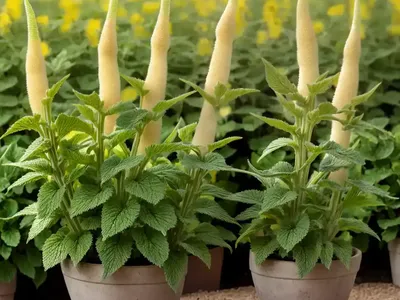
Stachys byzantina, native to Turkey, Armenia, and Iran, is a member of the Lamiaceae family, which encompasses a wide range of aromatic herbs and ornamental plants. Commonly known as Lamb’s Ears due to the soft, fuzzy texture of its leaves, this perennial ground cover is revered for its ornamental foliage, low maintenance needs, and adaptability to diverse growing conditions. The plant derives its botanical name from the Greek word “stachys,” meaning “an ear of grain,” and “byzantina,” which refers to its purported origin in the Byzantine Empire.
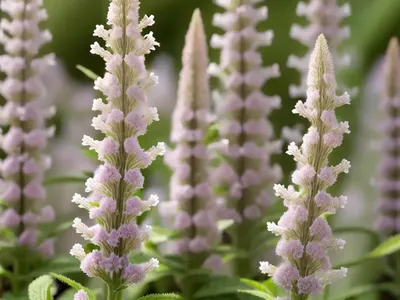
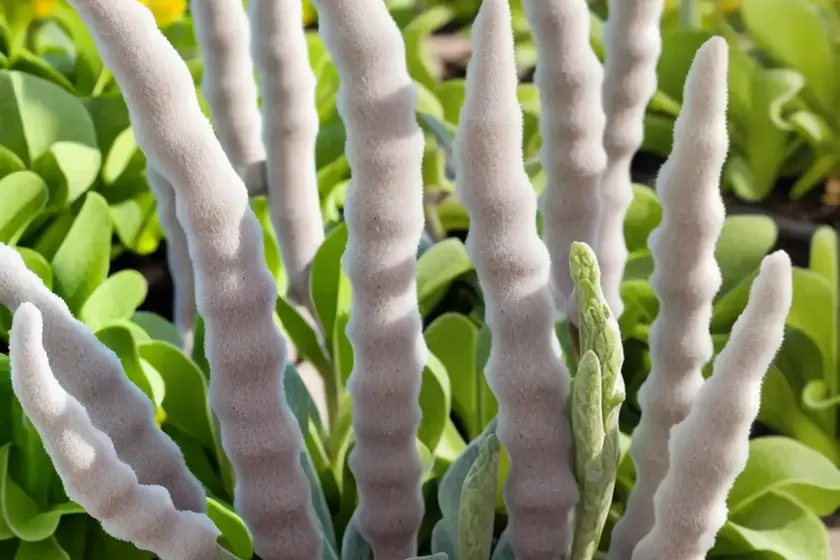
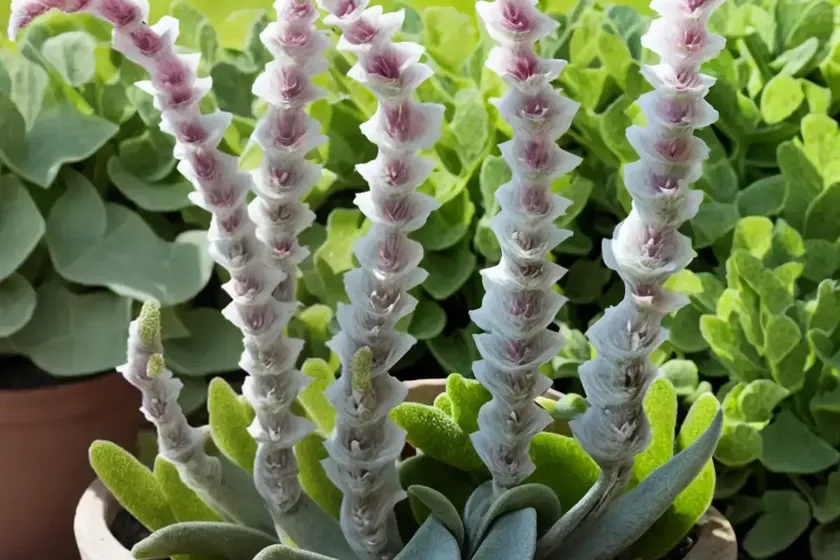
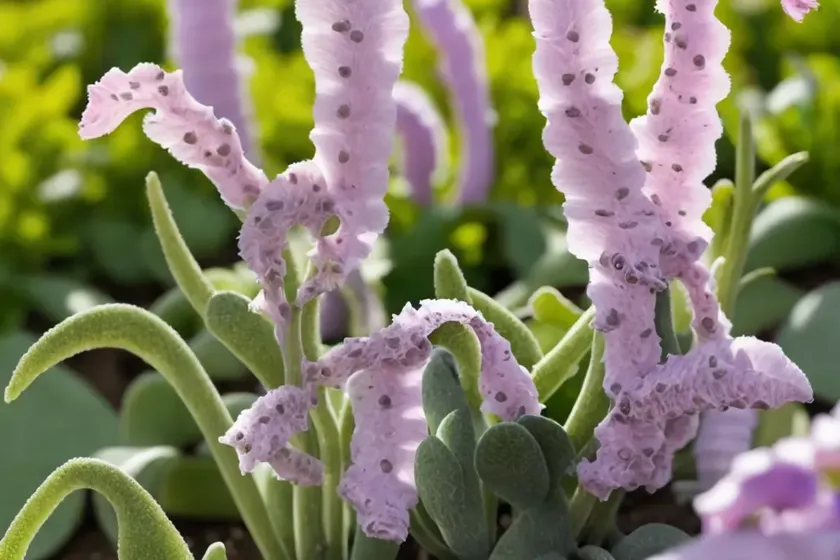
Lamb’s Ears have been cultivated for centuries, with their utilization spanning from medicinal applications to decorative landscaping. While the plant is primarily valued for its velvety, silver-gray foliage, it also produces subtle, pink-purple flowers on tall, slender stems, adding a touch of color to its overall appearance. Additionally, the soft, woolly texture of the leaves is a defining feature that sets Stachys byzantina apart from other ground cover options, making it a favorite among gardeners looking to introduce an element of tactile intrigue to their outdoor spaces.
Key Takeaways – Stachys byzantina (Lamb’s Ears)
Before we delve into the specifics of growing and caring for Stachys byzantina, it’s essential to highlight the key takeaways associated with this unique plant. These points provide a snapshot of what makes Lamb’s Ears a compelling addition to any garden or landscape:
- Distinctive Foliage: The fuzzy, silver-gray leaves of Stachys byzantina lend a unique texture and visual appeal to the plant, making it a standout feature in any garden setting.
- Drought Tolerance: Well-suited to arid and semi-arid climates, Lamb’s Ears are known for their ability to thrive in conditions of low water availability, making them an excellent choice for water-wise gardening.
- Low Maintenance: With minimal care requirements, Stachys byzantina serves as a low-maintenance ground cover, ideal for gardeners seeking an attractive yet undemanding plant for their landscapes.
Now that we have established the distinctive characteristics and benefits of Stachys byzantina, let’s delve into the specific aspects of its culture, uses, and care guidelines to help you make the most of this unique plant in your own garden.
Culture
Water
Stachys byzantina is renowned for its adaptability to drought conditions, making it an excellent choice for water-wise landscaping. Once established, this plant demonstrates remarkable resilience to periods of limited water availability, making it well-suited for regions with dry summers or infrequent rainfall. When initially establishing Lamb’s Ears in the garden, it is essential to provide regular watering to facilitate root development and establishment. However, once the plant has settled into its new environment, it generally requires minimal supplemental irrigation, relying on natural rainfall to sustain its growth.
Stachys byzantina’s notable drought tolerance is attributed to its dense, woolly foliage, which helps to minimize water loss through transpiration. This adaptation allows the plant to conserve moisture and thrive in arid conditions, making it an eco-friendly and sustainable choice for water-conscious gardeners.
Sunlight
In terms of sunlight requirements, Lamb’s Ears flourish in full sun to partial shade. A minimum of six hours of direct sunlight is typically recommended for optimal growth and foliage development. In cooler climates, some afternoon shade may be beneficial to protect the plant from excessive heat and sun exposure. However, in regions with milder temperatures, Stachys byzantina is well-suited to full sun positions, where it displays vigorous growth and abundant foliage.
When selecting a planting site for Lamb’s Ears, it is crucial to consider the prevailing sunlight conditions to ensure that the plant receives the appropriate light exposure for healthy growth. Whether used as a ground cover, border plant, or accent feature, Stachys byzantina’s adaptability to varying light levels makes it a versatile and accommodating addition to any garden landscape.
Fertilizer
Soil
Pruning
Propagation
Container Popularity
Container Common Diseases
Disease Diagnosis
Common Pests
Botanist’s Tips
Fun Facts
Links to External Resources
In addition to the information provided in this guide, it’s valuable to explore external resources to gain further insights and recommendations on Stachys byzantina (Lamb’s Ears) cultivation and care. Here are some reputable sources for additional
information: Royal Horticultural Society, National Gardening Association, and Missouri Botanical Garden.
By considering all the elements we’ve just touched on, you can see that Stachys byzantina (Lamb’s Ears) is truly a fascinating plant. Its adaptability, lovely aesthetic, and low maintenance requirements make it a desirable choice for a wide range of gardeners. Whether you’re a seasoned plant enthusiast or just beginning your gardening journey, the unique charm of the Lamb’s Ears plant is sure to captivate you.