Spurge (Euphorbia)
As a plant scientist, I have always been mesmerized by the diverse and intriguing nature of the plant kingdom. One particular genus that has captivated the.
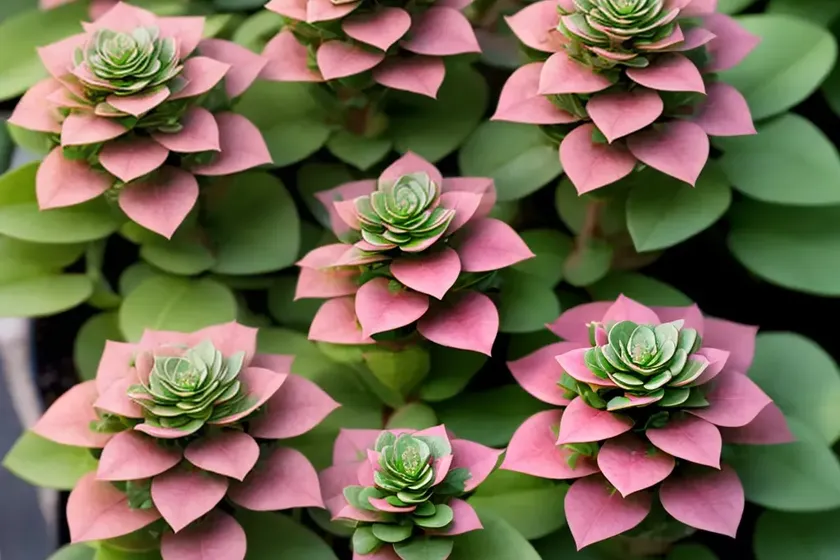
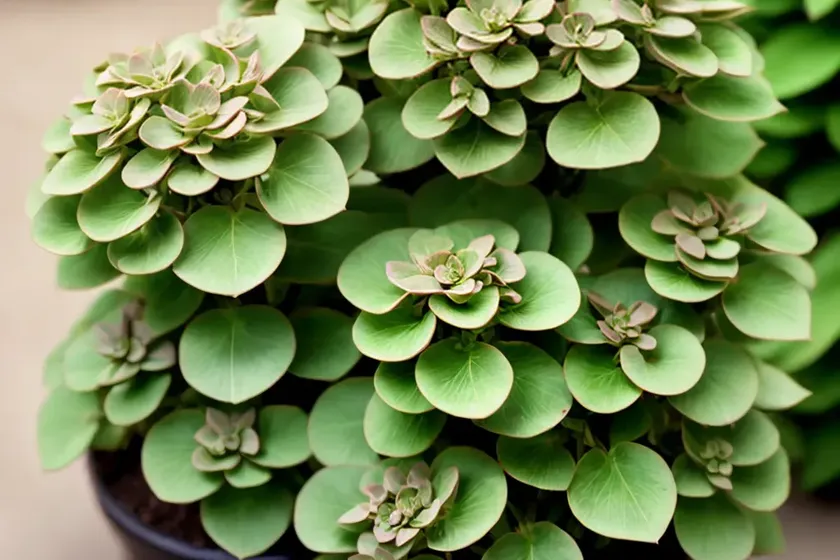
As a plant scientist, I have always been mesmerized by the diverse and intriguing nature of the plant kingdom. One particular genus that has captivated the attention of botanists, horticulturists, and garden enthusiasts alike is Euphorbia, commonly known as spurge. In this comprehensive guide, we will explore the various facets of Euphorbia plants, from their cultural requirements to their medicinal properties and everything in between.
What is Spurge (Euphorbia)?
Euphorbia is a genus of flowering plants that belongs to the family Euphorbiaceae. This genus is incredibly diverse, comprising around 2,000 species, ranging from tiny annual plants to large trees. The name “Euphorbia” is believed to have been derived from Euphorbus, the Greek physician of King Juba II of Numidia.
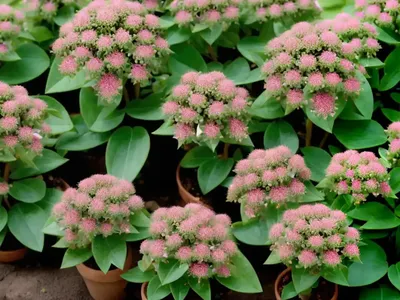
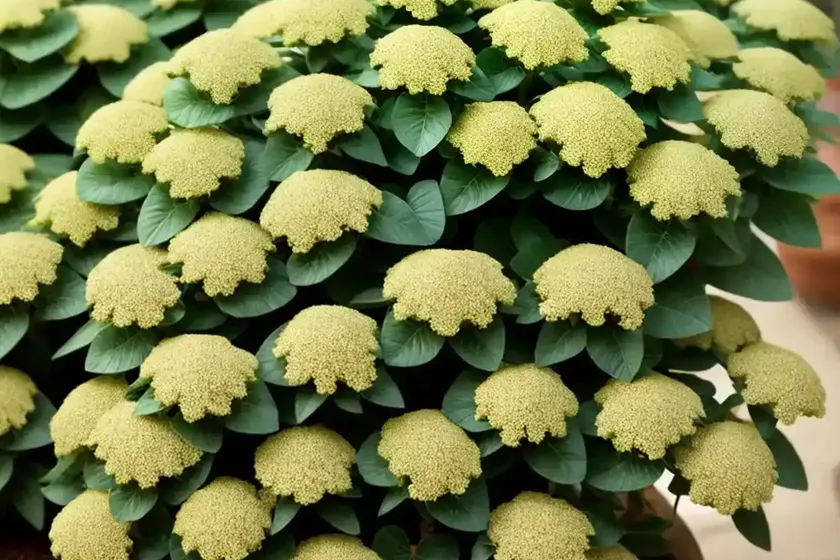
One of the most distinctive features of Euphorbia plants is their unique flower structure. In Euphorbia, what appears to be petals are actually bracts, which are modified leaves that surround the true flowers. This unconventional floral arrangement contributes to the allure of Euphorbia and makes them a captivating addition to any botanical collection.
Key Takeaways – Spurge (Euphorbia)
Before delving into the specific aspects of Euphorbia care and cultivation, let’s highlight some key takeaways about these extraordinary plants.
- Euphorbia plants encompass a vast array of species, each with its own distinct characteristics and growth habits.
- There are numerous types of Spurge that vary in size, shape, and ecological preferences.
- The Euphorbia genus is a diverse group, with species adapted to a wide range of environmental conditions.
- Spurge family (Euphorbiaceae) consists of a myriad of plant species, including the diverse Euphorbia genus.
- Exploring the fascinating diversity of Euphorbia species reveals the resilience and adaptability of these plants.
- Proper planting Spurge is crucial for their long-term health and vitality.
- Learning effective Spurge care tips is essential for successfully growing and maintaining these plants.
- Understanding the key aspects of growing Euphorbia is fundamental for nurturing healthy specimens.
- The wide variety of Spurge varieties offers ample opportunities for unique and captivating garden designs.
- Euphorbia gardening adds an element of intrigue and sophistication to any landscape.
- Spurge propagation techniques are essential for expanding the Euphorbia collection and sharing these incredible plants with others.
- Exploring the unique Euphorbia characteristics provides insights into the evolutionary adaptations of these plants.
- Effective Spurge cultivation methods are vital for supporting the growth and development of these plants.
- Mastering Euphorbia plant care ensures that these captivating plants thrive in various environments.
- The medicinal properties of some Euphorbia species have been used for centuries in traditional medicine.
- Incorporating Euphorbia into garden design adds an element of architectural interest and visual appeal.
- Spurge landscaping involves utilizing these plants in outdoor spaces to create captivating and sustainable environments.
- Understanding the toxicity of certain Euphorbia species is crucial for safe handling and cultivation.
- Exploring the Spurge plant family provides insights into the evolutionary relationships of these unique plants.
- The diverse Euphorbia flower types contribute to the aesthetic appeal of these plants.
- Spurge gardening hacks offer innovative approaches to nurturing and showcasing Euphorbia in garden settings.
- Managing Euphorbia garden pests is essential for protecting these plants from potential damage and infestations.
- The versatile Spurge plant uses encompass ornamental, medicinal, and cultural applications.
- Understanding the drought tolerance of Euphorbia species is valuable for water-efficient landscaping and gardening.
- Effective plant identification aids in the recognition and appreciation of the diverse Euphorbia species.
- Indoor plants within the Euphorbia genus provide unique opportunities for botanical enthusiasts and indoor gardeners.
- Incorporating Spurge outdoor plants into landscaping projects enhances the ecological value and visual appeal of outdoor spaces.
- Exploring landscaping ideas with Euphorbia unveils creative and sustainable approaches to outdoor design.
- Discovering the rich common names associated with various Euphorbia species reflects cultural and historical connections.
- The diversity of hybrid varieties within the Euphorbia genus offers exciting possibilities for plant enthusiasts and breeders.
- Effective disease control is crucial for managing potential health issues in Euphorbia plants.
- Exploring natural remedies for Euphorbia health issues reflects sustainable and environmentally conscious plant care practices.
- Implementing seasonal care strategies is essential for supporting the vitality and longevity of Euphorbia plants.
- Understanding the plant characteristics of Euphorbia aids in selecting and nurturing suitable species for specific growing environments.
- Recognizing plant diseases and their treatments is essential for maintaining the health and vigor of Euphorbia specimens.
- The plant taxonomy of Euphorbia species provides insights into the evolutionary relationships and classification of these plants.
- Landscaping tips offer practical and creative guidance for incorporating Euphorbia into outdoor environments.
- Mastering plant propagation techniques is essential for expanding the Euphorbia collection and sharing these incredible plants with others.
- Utilizing pruning techniques supports the health, aesthetics, and longevity of Euphorbia plants.
- Understanding the role of fertilization in Euphorbia plant growth is essential for optimizing their health and vitality.
- The various growth stages of Euphorbia plants offer unique opportunities for observation and horticultural management.
- Identifying proper water requirements is fundamental for supporting the health and vigor of Euphorbia specimens.
- Transplanting Euphorbia plants requires careful planning and execution to ensure their successful establishment in new locations.
- Effective repotting practices support the growth and health of potted Euphorbia specimens.
- Euphorbia companion planting offers opportunities for ecological diversity and aesthetic enhancement in garden and landscape design.
- Understanding the sunlight needs of Euphorbia plants is essential for selecting suitable growing locations.
- Container gardening with Euphorbia plants offers flexibility and creativity in diverse gardening and landscaping settings.
- Integrated pest control strategies support the health and vitality of Euphorbia plants.
- Understanding the patterns of seasonal blooming provides opportunities for enjoying the captivating floral displays of Euphorbia plants.
- Recognizing and managing plant diseases is essential for protecting the health and vigor of Euphorbia specimens.
Now that we’ve established an overview of the key facets of Euphorbia plants, let’s delve into the specific cultural requirements, uses, care tips, and other essential aspects of these captivating plants.
Cultural Requirements
Understanding the cultural requirements of Euphorbia plants is paramount for their successful cultivation and maintenance. These requirements encompass factors such as water, sunlight, soil, and fertilizer needs, as well as aspects of pruning and propagation. Let’s explore each of these dimensions in detail.
Water
Euphorbia plants display notable diversity in their water requirements, reflecting the wide range of ecological niches they occupy in nature. While some species thrive in arid environments and are highly drought-tolerant, others prefer more consistently moist conditions. Therefore, it is crucial to consider the specific water needs of the Euphorbia species in question when planning their cultivation.
Water Needs of Euphorbia:
| Water Requirement | Description |
|---|---|
| Low water | Drought-tolerant species that thrive in arid conditions. |
| Moderate water | Species that benefit from regular, but not excessive, watering. |
| High water | Species that prefer consistently moist soil and higher humidity levels. |
Understanding the water needs of your Euphorbia plants is essential for avoiding overwatering, which can lead to root rot and other moisture-related issues, or underwatering, which can compromise the health and vitality of the plants.
Sunlight
Just like their water requirements, the sunlight needs of Euphorbia species can vary significantly. Some plants thrive in full sun, while others prefer partial shade or even deep shade. It is crucial to consider the natural habitat of a given species when determining its ideal sunlight exposure.
Sunlight Preferences of Euphorbia:
| Sunlight Requirement | Description |
|---|---|
| Full sun | Species that thrive in direct sunlight for a significant portion of the day. |
| Partial shade | Plants that benefit from some protection from intense midday sun. |
| Deep shade | Species that thrive in low-light conditions, often found in forest understories. |
Understanding the sunlight preferences of Euphorbia species is pivotal for selecting suitable growing locations and providing the optimal environment for their healthy growth and development.
Fertilizer
While Euphorbia plants are generally adaptable to a range of soil types, certain species may benefit from supplemental fertilization during the growing season. However, it is essential to approach fertilization with caution, as excessive nutrients can cause more harm than good. Selecting a balanced, slow-release fertilizer designed for flowering or succulent plants is generally a safe choice for Euphorbia.
Fertilizer Recommendations for Euphorbia:
- Use a balanced, water-soluble fertilizer at half strength during the growing season.
- Avoid high-nitrogen fertilizers, as they can promote excessive vegetative growth at the expense of flowering.
Applying fertilizer sparingly and in accordance with the specific needs of the Euphorbia species is essential for preventing fertilizer burn and maintaining the plants’ overall health and vigor.
Soil
The soil preferences of Euphorbia plants can vary widely, reflecting the diverse habitats they inhabit in nature. However, well-draining soil is a common requirement for most Euphorbia species, as they are susceptible to root rot if subjected to waterlogged conditions. A sandy, loamy mix amended with organic matter often provides an ideal growing medium for Euphorbia.
Optimal Soil Conditions for Euphorbia:
- Well-draining, sandy or loamy soil with ample organic matter.
- Avoid heavy clay soils, which can retain excessive moisture and lead to root issues.
Creating an optimal soil environment for your Euphorbia plants is fundamental for supporting their overall health and resilience against potential soil-related challenges.
Pruning
Pruning is an essential aspect of Euphorbia care, particularly for species that exhibit vigorous growth or require rejuvenation. However, it is important to note that Euphorbia sap can be irritating to the skin and mucous membranes, so caution should be exercised when handling and pruning these plants.
Pruning Guidelines for Euphorbia:
- Remove dead or damaged growth to promote overall plant health and appearance.
- When necessary, prune to control size and shape, taking care to avoid contact with the milky sap.
Understanding the specific pruning needs of your Euphorbia species is essential for maintaining their aesthetic appeal and overall vigor.
Propagation
Propagation is an exciting aspect of Euphorbia cultivation, offering opportunities to reproduce prized specimens and share these captivating plants with others. While Euphorbia species can be propagated from seeds, many gardeners prefer vegetative propagation methods, such as stem cuttings or offsets, for quicker and more reliable results.
Propagation Techniques for Euphorbia:
- Stem cuttings: Select healthy, non-flowering stems and allow the cut ends to callus before planting.
- Offsets: Divisions or offsets can be carefully separated from the parent plant and replanted in suitable growing conditions.
Understanding the unique propagation methods suitable for your Euphorbia species is essential for successful reproduction and expansion of your plant collection.
Uses
Euphorbia plants have a wide range of uses, encompassing ornamental, medicinal, and cultural applications. Understanding the multifaceted uses of Euphorbia is essential for appreciating the significance of these plants and harnessing their potential benefits.
Ornamental Uses
Euphorbia plants are prized for their unique architectural forms, diverse foliage, and captivating floral displays. As such, they are highly valued for ornamental purposes in gardens, landscapes, and indoor settings. From striking succulent varieties to dramatic flowering species, Euphorbia plants offer a wealth of aesthetic potential for horticultural enthusiasts and designers.
Ornamental Applications of Euphorbia:
- Garden beds and borders: Euphorbia species add structural interest and visual appeal to mixed perennial plantings.
- Container gardens: Compact and trailing Euphorbia varieties are ideal for adding texture and color to container arrangements.
- Landscape focal points: Larger Euphorbia species can serve as dramatic focal points in xeriscape and rock gardens.
Incorporating Euphorbia into ornamental plantings and designs offers opportunities for creative expression and dynamic visual impact in diverse horticultural settings.
Medicinal Uses
Certain Euphorbia species have been utilized for their medicinal properties in traditional herbal medicine systems for centuries. However, it is important to note that Euphorbia plants contain toxic compounds and must be used with caution and expert guidance. As such, any medicinal use of Euphorbia should be approached with the utmost care and respect for the potential risks involved.
Traditional Medicinal Uses of Euphorbia:
- Wound healing: Some Euphorbia species have been traditionally used to aid in the healing of minor cuts and wounds.
- Skin conditions: Certain preparations from Euphorbia plants have been used topically to address various skin issues.
- Gastrointestinal ailments: In some traditional systems, Euphorbia has been used to address digestive concerns, although these applications are highly controversial due to the plant’s toxicity.
Exploring the traditional medicinal uses of Euphorbia provides insights into the historical and cultural significance of these plants in various herbal medicine traditions.
Cultural Significance
Euphorbia plants hold cultural and symbolic significance in various societies around the world. From religious symbolism to traditional customs and rituals, Euphorbia has played a multifaceted role in human culture and folklore.
Cultural and Symbolic Uses of Euphorbia:
- Religious ceremonies: In some cultures, Euphorbia plants are incorporated into religious rituals and spiritual practices.
- Symbolism: Euphorbia species may hold symbolic meanings related to endurance, resilience, and adaptation in different cultural contexts.
- Traditional customs: Euphorbia may have been historically utilized in traditional customs and ceremonies as a symbol of protection or purification.
Exploring the diverse cultural and symbolic uses of Euphorbia provides a window into the rich tapestry of human-plant interactions and the enduring significance of these plants in various cultural narratives.
Common Diseases and Pests
While Euphorbia plants are generally resilient and low-maintenance, they can be susceptible to certain diseases and pest infestations. Understanding the common health challenges faced by Euphorbia is essential for effective disease prevention and pest management.
Disease Diagnosis
Diagnosing diseases in Euphorbia plants requires keen observation and an understanding of common symptoms associated with prevalent fungal, bacterial, and viral infections. Leaf spots, stem rot, and powdery mildew are among the common issues that may affect Euphorbia under unfavorable growing conditions.
Common Diseases of Euphorbia:
- Powdery mildew: White, powdery patches on leaves and stems, often caused by fungal infections under humid conditions.
- Stem rot: Soft, discolored areas on stems, typically resulting from overwatering or poor soil drainage.
- Leaf spots: Circular or irregular lesions on leaves, indicative of various fungal or bacterial pathogens.
Recognizing the symptoms and patterns of common diseases in Euphorbia is essential for implementing timely and effective interventions to protect plant health.
Common Pests
Pest infestations can pose significant challenges to the health and vitality of Euphorbia plants, particularly when environmental stressors weaken their natural defenses. Understanding the common pests that may target Euphorbia is crucial for early detection and intervention.
Common Pests Affecting Euphorbia:
- Aphids: Small, sap-sucking insects that can cause leaf distortion and stunted growth in Euphorbia.
- Spider mites: Minute arachnids that may produce fine webbing on plants and cause stippling on leaves.
- Mealybugs: Cottony, soft-bodied insects that can cluster on stems and leaf nodes, sapping plant vigor.
Implementing integrated pest management strategies and regular monitoring is essential for preventing and addressing potential pest infestations in Euphorbia plants.
Botanist’s Tips
As a plant scientist with a deep appreciation for the captivating nature of Euphorbia, I would like to share some insightful tips for successful cultivation and enjoyment of these remarkable plants.
Botanist’s Insights on Euphorbia:
- Explore Diversity: Embrace the incredible diversity of Euphorbia species and explore the captivating range of forms, textures, and ecological adaptations within this genus.
- Cultural Considerations: Understand the cultural, historical, and ecological significance of Euphorbia in diverse contexts, from traditional medicine to ritualistic practices.
- Respectful Handling: Exercise caution when handling Euphorbia plants, particularly when pruning or propagating, to avoid potential skin and eye irritation from their milky sap.
- Cultural Significance: Appreciate the rich cultural and symbolic significance of Euphorbia in various societies and explore the multifaceted roles these plants have played in human narratives.
- Disease Vigilance: Stay vigilant for signs of common diseases and pests, and implement proactive measures to maintain the health and resilience of Euphorbia plants.
Fun Facts
To further enrich our understanding and appreciation of Euphorbia, here are some intriguing fun facts about these remarkable plants:
- Euphorbia plants exhibit incredible morphological diversity, ranging from diminutive annuals to towering succulents and shrubs.
- The striking bracts of certain Euphorbia species are often mistaken for flowers, adding to the allure and visual interest of these plants.
- Many Euphorbia species are adapted to arid and semi-arid environments, demonstrating remarkable drought tolerance and survival strategies.
- The milky sap of Euphorbia plants contains a cocktail of chemical compounds, some of which have been utilized in traditional medicine and even in modern pharmacology.
Links to External Resources
For those interested in delving deeper into the world of Euphorbia plants, I have curated a selection of valuable external resources that offer comprehensive information and insights into various aspects of Euphorbia cultivation, care, and botanical significance:
- The Euphorbia Journal – A dedicated resource for enthusiasts and researchers interested in the cultivation and conservation of Euphorbia plants.
- Royal Horticultural Society – Euphorbia – An informative guide to growing and caring for Euphorbia