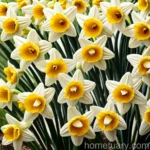
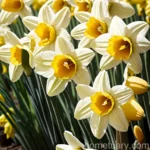
The Stunning Split-Corona Daffodil (Narcissus ‘Flyer’)
The world of daffodils is filled with a myriad of captivating varieties, each with its unique charm and allure. Among the most captivating and unique of these is the mesmerizing Split-Corona Daffodil, often referred to as Narcissus ‘Flyer’. With its distinct split-corona or “butterfly” appearance, this variety stands out as a true gem in the daffodil kingdom. In this comprehensive guide, we will delve deep into the world of this stunning flower, exploring its characteristics, care needs, and much more.
What is a Split-Corona Daffodil (Narcissus ‘Flyer’)?
The Split-Corona Daffodil, scientifically known as Narcissus ‘Flyer’, is a mesmerizing variety within the vast and diverse family of daffodils (Narcissus genus). This particular type of daffodil is characterized by its unique corona, which differs from the traditional trumpet-shaped cup found in most daffodil varieties. Instead of a single cup, the corona of the Split-Corona Daffodil is divided into multiple segments, creating an exquisite and distinct butterfly-like appearance.
Key Takeaways – Split-Corona Daffodil (Narcissus ‘Flyer’)
Before we venture into the intricacies of caring for and nurturing the Split-Corona Daffodil, let’s highlight some key takeaways about this captivating variety.
Split-Corona Daffodil (Narcissus ‘Flyer’):
- Possesses a unique split-corona or “butterfly” appearance.
- Belongs to the Narcissus genus, a diverse family of daffodils.
- Showcases a mesmerizing blend of colors, adding flair to any landscape or floral arrangement.
- Requires specific care and attention regarding water, sunlight, soil, and other cultural needs.
- Exhibits resilience and adaptability when provided with the appropriate growing conditions.
- Showcases versatility, thriving in both garden beds and containers.
Now that we have set the stage for our exploration, let’s delve into the enchanting world of the Split-Corona Daffodil, gaining insights into its culture, uses, and the essential elements of its care regimen.
Culture: Understanding the World of the Split-Corona Daffodil
Cultivating the Split-Corona Daffodil involves understanding its unique needs and requirements, offering it an environment in which it can thrive and showcase its remarkable beauty. Here, we will unravel the intricacies of the cultural practices associated with this captivating flower.
Uses
The Split-Corona Daffodil, with its striking beauty and distinct appearance, serves a multitude of purposes, complementing both outdoor landscapes and indoor floral arrangements. Some of its primary uses include:
- Garden Display: Planting the Split-Corona Daffodil in garden beds, borders, or naturalized settings to create vibrant displays of color and texture.
- Cut Flower Arrangements: Harvesting the captivating blooms for creating stunning cut flower arrangements, bringing the beauty of the Split-Corona Daffodil indoors.
- Container Gardening: Showcasing the elegance of this variety in containers and pots, adding a touch of allure to patios, balconies, and indoor spaces.
Water
Water is an essential element in the care routine for the Split-Corona Daffodil, contributing to its overall health and vibrancy. Here are some key considerations regarding water:
- Adequate Moisture: Ensuring the soil remains consistently moist but well-drained, preventing waterlogging that can lead to root rot.
- Establishment Phase: During the initial growth stages and after planting the bulbs, providing sufficient water to support root establishment and early growth.
- Moderation: Striking a balance between providing ample moisture and avoiding excessive watering, which can negatively impact the bulbs.
Sunlight
Proper sunlight is vital for the growth and development of the Split-Corona Daffodil, influencing factors such as flowering, color intensity, and overall vigor. Key points to consider include:
- Full Sun to Partial Shade: Thriving in locations with full sun exposure to partial shade, allowing for optimal photosynthesis and energy production.
- Morning Sun Preference: Preferring locations that receive morning sunlight, providing ample light while avoiding the harshness of intense afternoon rays.
- Indoor Placement: Positioning potted Split-Corona Daffodils in well-lit indoor areas, ensuring access to adequate light for sustained growth.
Fertilizer
Proper nutrition, facilitated through suitable fertilization practices, is crucial for bolstering the health and vitality of the Split-Corona Daffodil. Some key fertilizer-related tips include:
- Balanced Fertilizer: Applying a balanced, slow-release fertilizer, preferably formulated for bulbous plants, to provide essential nutrients without causing rapid, excessive growth.
- Timing: Administering fertilizer during key growth stages, such as early spring before flowering and after blooming, to support bulb development and replenish nutrient reserves.
- Avoiding Overfeeding: Exercising caution to prevent overfertilization, which can lead to excessive foliage growth at the expense of flower production.
Soil: Nurturing the Foundations of Growth
The soil in which the Split-Corona Daffodil is planted plays a pivotal role in shaping its overall health and vigor. Understanding the soil preferences and requirements of this captivating variety is essential for creating an environment conducive to its flourishing.
Soil Type
The Split-Corona Daffodil thrives in well-draining, fertile soils that provide the necessary support for robust growth and development. Key characteristics of the ideal soil include:
- Loamy Texture: Preferring soil with a balanced composition of sand, silt, and clay, promoting good drainage while retaining sufficient moisture.
- Nutrient-Rich: Thriving in soils rich in organic matter and essential nutrients, fostering healthy root development and sustained flowering.
- pH Balance: Adapting well to slightly acidic to neutral pH levels, typically in the range of 6.0 to 7.0, ensuring optimal nutrient availability.
Pruning
Pruning is an essential aspect of Split-Corona Daffodil care, contributing to both aesthetic appeal and long-term plant health. Understanding the key pruning practices helps maintain the vigor and elegance of this captivating flower.
- Withered Blooms: Removing spent blooms promptly to prevent seed production and encourage energy allocation towards bulb development.
- Foliage Maintenance: Refraining from removing foliage until they turn yellow and wither naturally, allowing the leaves to harness sunlight for energy storage.
- Minimal Intervention: Exercising minimal pruning beyond deadheading and foliage cleanup, avoiding unnecessary stress on the plant.
Propagation: Multiplying the Charm
The propagation of the Split-Corona Daffodil presents an opportunity to expand its presence and share its enchanting beauty with a broader audience. Exploring propagation techniques provides insights into fostering new generations of these captivating flowers.
Methods
Propagating the Split-Corona Daffodil can be achieved through several methods, each offering unique advantages and considerations. Some common propagation techniques include:
- Division: Separating offsets or bulblets from established clumps, ensuring they possess sufficient roots and bulb mass for independent growth.
- Seed sowing: Propagating the Split-Corona Daffodil from seeds, usually collected from mature plants, and nurturing the seedlings through their initial growth stages.
- Tissue Culture: Employing advanced tissue culture methods to propagate and mass-produce genetically identical plants with desirable traits.
Container Popularity
The versatility of the Split-Corona Daffodil extends to its popularity in container gardening, offering opportunities to showcase its elegance in diverse settings. Some factors contributing to its popularity in containers include:
- Space Flexibility: Thriving in containers of various sizes, from small pots to larger garden containers, allowing for creative placement and arrangement.
- Indoor Displays: Adorning indoor spaces with potted Split-Corona Daffodils, introducing bursts of color and charm to interior décor and design.
- Seasonal Transitions: Transitioning container-grown Split-Corona Daffodils from indoor settings to outdoor displays, capitalizing on their adaptability.
Common Diseases and Pests: Safeguarding the Splendor
Despite its resilience, the Split-Corona Daffodil is susceptible to certain diseases and pests that can impact its health and vitality. Familiarizing ourselves with common adversaries and mitigation strategies is vital for preserving the splendor of this captivating variety.
Disease Diagnosis
Identifying and diagnosing diseases that affect the Split-Corona Daffodil is crucial for implementing targeted intervention and control measures. Some common diseases include:
- Basal Rot: Characterized by dark, water-soaked lesions at the base of the bulbs, leading to decay and deterioration of the plant.
- Botrytis Blight: Manifesting as gray mold on flowers and foliage, often triggered by prolonged wet conditions and high humidity.
- Narcissus Smut: Causing distortion and discoloration of flowers and foliage, potentially reducing the overall aesthetic appeal of the plant.
Common Pests
Combatting pests that pose a threat to the vitality of the Split-Corona Daffodil is essential for safeguarding its splendor. Some common pests to watch out for include:
- Narcissus Bulb Fly: Larvae of this fly species feed on daffodil bulbs, leading to soft rot and eventual plant decline.
- Thrips: Infestations by thrips can cause distorted and discolored flower buds and blooms, compromising the visual appeal of the plant.
- Nematodes: Soil-dwelling nematodes can target daffodil roots, leading to stunted growth and diminished overall health.
Botanist’s Tips: Nurturing the Exquisite Beauty
Drawing from the wisdom of botanical experts and seasoned gardeners, we can gather valuable tips and recommendations for nurturing the exquisite beauty of the Split-Corona Daffodil. Here are some insights to consider:
- Selective Placement: Choosing suitable locations based on light, soil, and moisture considerations, ensuring optimal growing conditions for the Split-Corona Daffodil.
- Bulb Care: Handling and planting bulbs with care, ensuring proper depth and spacing to facilitate robust growth and abundant flowering.
- Seasonal Maintenance: Engaging in timely maintenance practices, such as division and replanting, to rejuvenate the vigor of established clumps and maintain abundant blooms.
Fun Facts: Unveiling the Intriguing Charms
The world of the Split-Corona Daffodil is rich with intriguing charms and fascinating details, unveiling the allure of this captivating variety. Here are some fun facts to illuminate its enchanting nature:
- Hybrid Origins: The Split-Corona Daffodil, including the renowned Narcissus ‘Flyer’, often originates from carefully orchestrated hybridization efforts, yielding stunning novelties.
- Symbolic Significance: Daffodils, including the Split-Corona varieties, are often associated with symbolizing new beginnings, hope, and resilience, adding a profound dimension to their allure.
- Cultural Significance: Across various cultures and traditions, daffodils hold symbolic and ceremonial significance, often featured in celebrations and rituals.
Links to External Resources
To further enrich your understanding and appreciation of the Split-Corona Daffodil, consider exploring the following external resources:
- American Daffodil Society – www.daffodilusa.org
- Royal Horticultural Society – www.rhs.org.uk
- Daffodils in American Gardens, 1733-1940 – www.americanart.si.edu
- The Plant Lover’s Guide to Daffodils – www.timberpress.com
- Daffodil Plant Care – www.gardeners.com
In conclusion, the captivating allure of the Split-Corona Daffodil, including the enchanting Narcissus ‘Flyer’, extends far beyond its aesthetic charm, delving into the realms of cultural significance and botanical fascination. As we continue to explore and appreciate this captivating variety, may we find inspiration in its resilience, elegance, and timeless allure, enriching our gardens and lives with its enduring beauty.