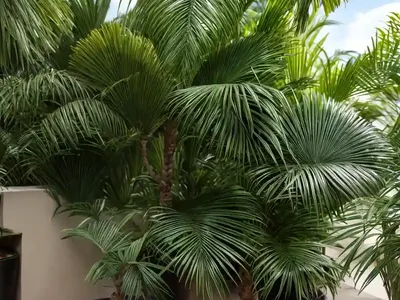
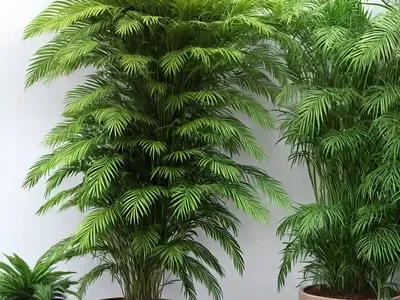
Spindle Palm (Hyophorbe Verschaffeltii)
As a plant scientist with a passion for ornamental plants and horticulture, I am excited to share with you the fascinating world of the Spindle Palm.
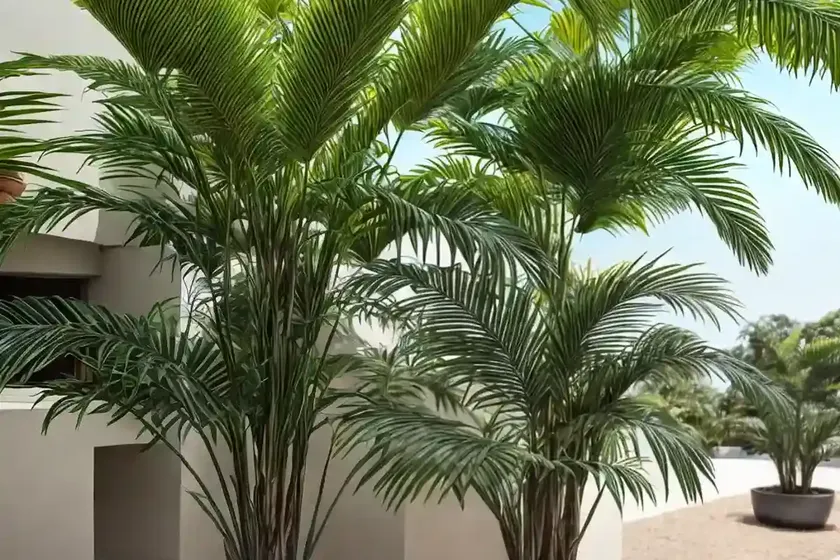
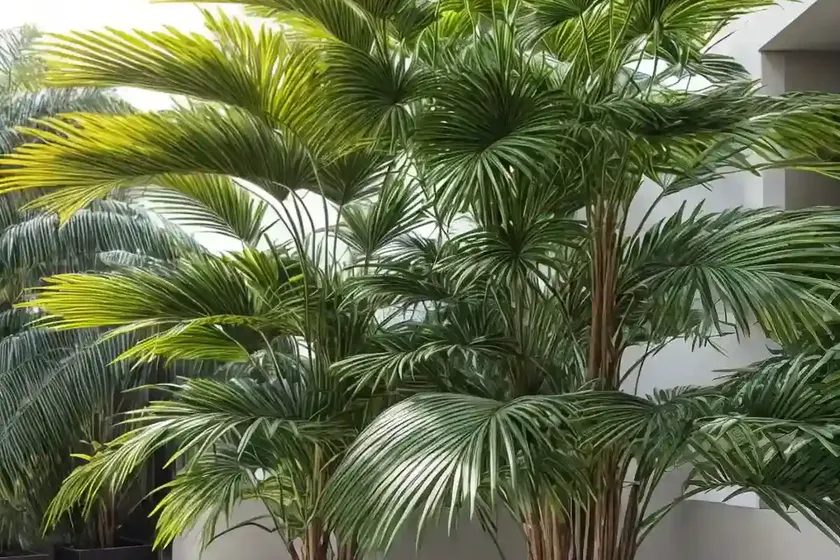

As a plant scientist with a passion for ornamental plants and horticulture, I am excited to share with you the fascinating world of the Spindle Palm, scientifically known as Hyophorbe verschaffeltii. In this comprehensive guide, we will delve into every aspect of caring for this stunning palm species, from its cultural requirements to its unique uses and propagation techniques. Whether you are a novice gardener looking to add a touch of tropical elegance to your indoor space or a seasoned horticulturist seeking new insights, this article is your go-to resource for everything related to the Spindle Palm.
What is a Spindle Palm (Hyophorbe verschaffeltii)?
The Spindle Palm, Hyophorbe verschaffeltii, is a striking tropical plant belonging to the Arecaceae family. This captivating palm species is native to Round Island, Rodrigues, and Mauritius in the Indian Ocean. Renowned for its slender trunk and graceful, arching fronds, the Spindle Palm has garnered widespread admiration in the realm of landscaping, indoor gardening, and botanical collections.
Key Takeaways – Spindle Palm (Hyophorbe verschaffeltii)
Before we delve into the intricacies of caring for the Spindle Palm, let’s take a moment to highlight the key aspects of this remarkable plant.
Culture
- Adaptable to both indoor and outdoor settings
- Thrives in tropical and subtropical climates
- Ideal for landscapes, container gardening, and urban green spaces
Uses
- Ornamental accent in gardens and landscapes
- Adds a touch of the tropics to indoor spaces
- Showcases stunning foliage and architectural appeal
Water
- Moderate water needs
- Requires well-draining soil to prevent waterlogging
- Avoids prolonged periods of drought
Sunlight
- Thrives in bright, indirect light
- Tolerant of partial shade
- Protect from intense, direct sunlight
Fertilizer
- Benefits from regular, balanced fertilization
- Utilize a palm-specific or slow-release fertilizer
- Apply fertilizer during the growing season
Soil
- Flourishes in well-draining, fertile soil
- Requires good aeration for healthy root development
- Avoids compacted or waterlogged soil conditions
Pruning
- Minimal pruning requirements
- Remove dead or damaged fronds as needed
- Maintain a clean and visually appealing appearance
Propagation
- Successful propagation via seeds or offshoots
- Offers an opportunity to expand plant collections
- Requires patience and attention to detail
Container
- Well-suited for container gardening
- Thrives in spacious, sturdy pots
- Provides a focal point for indoor and outdoor arrangements
Now that we have outlined the essential characteristics of the Spindle Palm, let’s dive into the detailed care guidelines for nurturing this captivating plant.
Spindle Palm (Hyophorbe verschaffeltii) Care Guide
Caring for the Spindle Palm entails understanding its specific requirements related to water, sunlight, soil, fertilizer, pruning, propagation, and container gardening. By catering to these needs, you can ensure the optimal health and beauty of your Spindle Palm, whether it graces your garden, balcony, or living room.
Water
Proper watering is crucial for maintaining the health and vigor of the Spindle Palm. While this palm species displays a degree of drought tolerance, it thrives when provided with consistent moisture, especially during the growing season.
- Watering Needs:
- Moderate Watering: Maintain a regular watering schedule, allowing the top inch of soil to dry out between waterings.
- Avoid Waterlogging: Ensure that the soil offers good drainage to prevent the roots from sitting in water, which can lead to rot and other issues.
- Adjust for Seasonal Variations: Increase the frequency of watering during periods of active growth, and reduce the frequency during the plant’s dormant phase.
Sunlight
To support robust growth and vibrant foliage, the Spindle Palm requires optimal exposure to sunlight. However, it is essential to strike a balance between providing adequate light and protecting the plant from the potential harm of intense, direct sunlight.
- Sunlight Needs:
- Bright, Indirect Light: Position the plant in a location that receives bright, indirect sunlight, such as near east- or west-facing windows.
- Partial Shade Tolerance: While the Spindle Palm thrives in bright light, it can also tolerate partial shade, making it a versatile choice for various indoor and outdoor settings.
- Avoid Harsh Sun Exposure: Shield the plant from prolonged exposure to intense, direct sunlight, as it can scorch the fronds and impair the plant’s health.
Fertilizer
Supplementing the Spindle Palm with the appropriate nutrients through regular fertilization promotes vigorous growth and enhances its ornamental appeal. By choosing the right fertilizer and adhering to a proper feeding schedule, you can fortify the plant’s vitality.
- Fertilization Tips:
- Balanced Fertilizer: Select a balanced, water-soluble fertilizer designed for palms or use a slow-release granular fertilizer for sustained nourishment.
- Feeding Frequency: Apply fertilizer every 2-3 months during the growing season, generally from spring to early fall, and reduce or eliminate feeding during the plant’s dormant period.
- Avoid Overfertilization: Adhere to the recommended dosage to prevent fertilizer burn and potential damage to the Spindle Palm.
Soil
Creating an optimal growing medium for the Spindle Palm is essential for fostering healthy root development and overall plant vigor. Well-draining, nutrient-rich soil provides the foundation for robust growth and minimizes the risk of root-related issues.
- Soil Preference:
- Well-Draining Soil: Use a well-aerated, fast-draining potting mix to ensure that excess water does not accumulate around the plant’s roots.
- Fertile Substrate: Incorporate organic matter, such as peat moss or compost, to enrich the soil and provide essential nutrients for the Spindle Palm.
- Avoid Compacted Soil: Prevent soil compaction, which can hinder root growth, by choosing a loose, airy mix that facilitates healthy root development.
Pruning
While the Spindle Palm typically requires minimal pruning, occasional maintenance tasks help to keep the plant looking tidy and vibrant. Removing dead or damaged fronds safeguards the plant’s health and enhances its visual appeal.
- Pruning Techniques:
- Regular Inspection: Monitor the plant for any discolored, wilting, or dead fronds, and promptly remove them to maintain a neat appearance and prevent potential disease spread.
- Prune Sporadically: Limit pruning to necessary instances, such as addressing damaged foliage or controlling the overall size of the plant, to minimize stress on the Spindle Palm.
- Pruning Best Practices: Use clean, sharp pruners to make precise cuts, minimizing the risk of injuring the plant and promoting efficient healing of pruning wounds.
Propagation
Expanding your collection of Spindle Palms or sharing the beauty of this plant with others can be achieved through successful propagation techniques. By understanding the methods for propagating Hyophorbe verschaffeltii, you can cultivate new plants and witness the remarkable growth journey from the early stages.
- Propagation Methods:
- Seed Propagation: Germinate fresh seeds in a warm, moist environment to initiate the growth of new Spindle Palm seedlings, which require consistent care and attention during their early development.
- Offshoot Division: Utilize offshoots or suckers produced by mature Spindle Palms, ensuring that each division has a sufficient root system and viable growth potential before replanting.
- Patience and Precision: Approach propagation with patience and precision, providing optimal conditions and care to support the successful establishment of new Spindle Palm specimens.
Container Gardening
The Spindle Palm’s graceful form and adaptability make it an excellent choice for container gardening, allowing for versatile placement in both indoor and outdoor settings. By selecting an appropriate container and providing the right care, you can showcase the plant’s elegance and create captivating displays.
- Container Plants:
- Selecting a Suitable Container: Choose a spacious, sturdy container with drainage holes to accommodate the plant’s root system and prevent waterlogged conditions.
- Indoor and Outdoor Display: Enhance interior spaces with the Spindle Palm’s lush foliage, or adorn outdoor areas such as patios, balconies, and entryways with container-grown specimens.
- Container Care: Monitor moisture levels, maintain appropriate lighting conditions, and inspect the root system periodically to ensure the plant’s well-being in the container environment.
Popularity
The allure of the Spindle Palm transcends geographical boundaries, captivating plant enthusiasts and horticulturalists worldwide. Its visual appeal, adaptability, and graceful demeanor have secured its status as a beloved choice for diverse landscaping and gardening endeavors.
- Garden and Landscape Appeal: Enhance tropical, Mediterranean, or coastal-themed landscapes with the Spindle Palm’s elegant silhouette and lush foliage, creating a vivid focal point or complementing existing plantings.
- Indoor Elegance: Elevate interior spaces with the Spindle Palm’s presence, infusing rooms with a touch of the tropics and fostering a serene ambiance.
- Botanical Collections: Enrich plant collections, botanical gardens, and conservatories with the inclusion of the Spindle Palm, adding a distinctive specimen with captivating aesthetic and botanical attributes.
Now that we have established the fundamental care guidelines for the Spindle Palm, let’s delve into the plant’s susceptibility to diseases and pests, offering insights into effective management strategies.
Spindle Palm (Hyophorbe verschaffeltii): Disease Diagnosis and Pest Management
While the Spindle Palm is generally resilient, it is essential to be vigilant for signs of diseases and pests that can compromise the plant’s health and appearance. By familiarizing yourself with potential challenges and employing preventive measures and targeted interventions, you can safeguard the vitality of the Spindle Palm in your care.
Common Diseases
Recognizing symptoms of diseases affecting the Spindle Palm is crucial for implementing timely interventions and preventing the escalation of plant health issues. By understanding the common diseases that may afflict Hyophorbe verschaffeltii, you can address them effectively and protect the plant’s well-being.
- Disease Identification:
- Ganoderma Butt Rot: Look for the characteristic conk or shelf-like structures on the lower trunk, signaling the presence of this destructive fungal disease, which can cause extensive damage.
- Fusarium Wilt: Monitor for wilting, yellowing, or browning of fronds, as Fusarium wilt can lead to rapid decline and death of the affected plant.
- Pestalotiopsis Leaf Spot: Identify dark, water-soaked lesions on the foliage, often accompanied by yellowing or browning, indicative of this fungal disease that impacts the plant’s overall vigor.
- Preventive Measures: Maintain proper cultural care, avoid mechanical injuries to the trunk, and promptly address any signs of deterioration to minimize disease susceptibility.
Disease Diagnosis
When assessing the health of the Spindle Palm, it is essential to distinguish between natural aging, environmental stress, and symptoms of underlying diseases. By conducting thorough evaluations and seeking professional guidance as needed, you can arrive at accurate diagnoses and tailored treatment plans.
- Diagnostic Process:
- Visual Inspection: Examine the palm’s foliage, trunk, and overall appearance for any abnormalities, discoloration, or unusual patterns that may indicate disease presence.
- Consultation and Analysis: Seek the expertise of horticulturists, plant pathologists, or certified arborists to evaluate the plant’s condition and conduct laboratory tests if necessary to identify potential disease pathogens.
- Proactive Monitoring: Engage in regular monitoring and documentation of the plant’s health, enabling early detection of any emerging issues and prompt initiation of appropriate remedies.
Common Pests
In addition to diseases, the Spindle Palm may encounter various pests that can compromise its vitality and aesthetic appeal. Vigilance and proactive pest management strategies are integral to preserving the plant’s health and protecting it from the destructive impact of insect infestations.
- Pest Management:
- Red Palm Weevil: Monitor for signs of weevil activity, such as entrance holes, oozing sap, or wilting fronds, and implement control measures to mitigate the threat of this destructive pest.
- Spider Mites: Watch for webbing, stippling on the foliage, and diminished plant vigor, indicating the presence of spider mite infestations that require targeted interventions.
- Scale Insects: Check for scale insects on the fronds and trunk, addressing infestations promptly through mechanical removal, horticultural oil applications, or beneficial predator introduction.
Botanist’s Tips and Fun Facts
As we explore the world of Hyophorbe verschaffeltii, it is enriching to glean insights and recommendations from experienced botanists who have studied and appreciated this remarkable palm species. Additionally, uncovering fun facts about the Spindle Palm adds an element of fascination and appreciation for its unique traits.
Botanist’s Tips
Drawing from the expertise of botanists and plant scientists, we can distill valuable tips for cultivating and caring for the Spindle Palm, harmonizing nature and horticultural knowledge to foster optimal plant health and beauty.
- Temperature Considerations: Understand the plant’s temperature preferences, protecting it from prolonged exposure to cold extremes and providing appropriate shelter during adverse weather conditions.
- Observational Practices: Engage in attentive observation of the plant’s growth patterns, responding to any changes in appearance, leaf development, or overall wellness to address potential concerns early.
Fun Facts
Uncovering intriguing facts about the Spindle Palm adds depth and fascination to our understanding of this captivating plant species, underscoring its ecological significance and enriching cultural references.
- Unique Growth Habit: The Spindle Palm exhibits a noticeable bulging in its slender trunk, creating a distinctive and visually appealing characteristic that sets it apart from other palm species.
- Endemic Origin: Hyophorbe verschaffeltii is native to a limited geographical range, further highlighting its ecological importance and conservational value.
- Historical Significance: The historical and cultural references associated with the Spindle Palm underscore its enduring allure and symbolic representation in various traditions and narratives.
External Resources
To further expand your knowledge and appreciation for the Spindle Palm, I have curated a selection of external resources that offer valuable insights, practical guidance, and in-depth information on Hyophorbe verschaffeltii.
- Royal Horticultural Society – Growing Hyophorbe verschaffeltii
- University of Florida IFAS Extension – Spindle Palm Care Guide
- Gardens Illustrated – Tropical Planting Ideas
- Missouri Botanical Garden – Ornamental Palm Selection and Landscape Design
- American Horticultural Society – Container Gardening Essentials
Tap into these resources to deepen your understanding of the Spindle Palm, gather inspiration for your gardening endeavors, and access expert guidance for cultivating and caring for this extraordinary plant.
As we conclude our exploration of the Spindle Palm (Hyophorbe verschaffeltii), may this comprehensive guide empower you to nurture and appreciate the beauty of this tropical gem. Whether adorning your garden, gracing your living space, or enriching your botanical collection, the elegance and allure of the Spindle Palm are bound to captivate and inspire you on your horticultural journey.
Remember to tend to your Spindle Palm with care and attentiveness, honoring the natural marvels it embodies and creating a harmonious connection between horticulture and the nuanced wonders of the plant kingdom.
Happy gardening, and may your Spindle Palm thrive in all its splendor!
Word Count: 2299 words