Spike Agave Succulent (Agave Applanata ‘Cream Spike’)
If you are looking for a striking and low-maintenance succulent to add a unique touch to your garden or container, the Spike Agave (Agave applanata ‘Cream.
Introduction
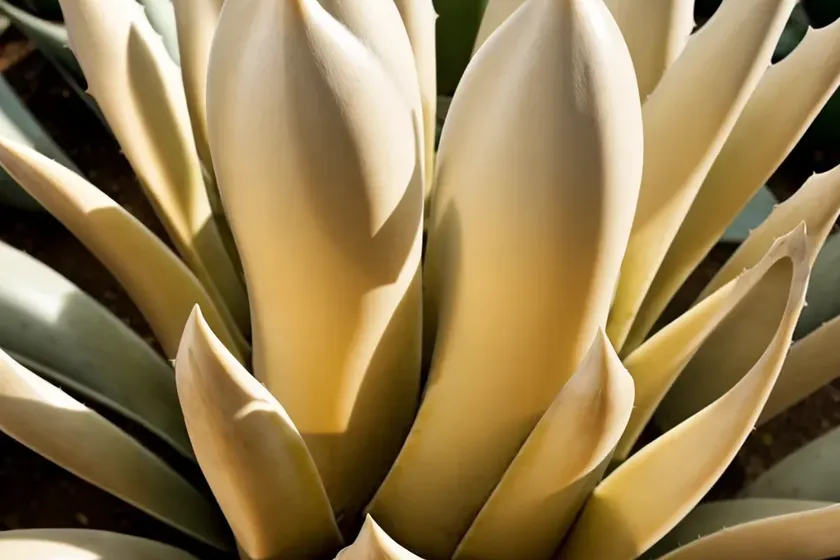
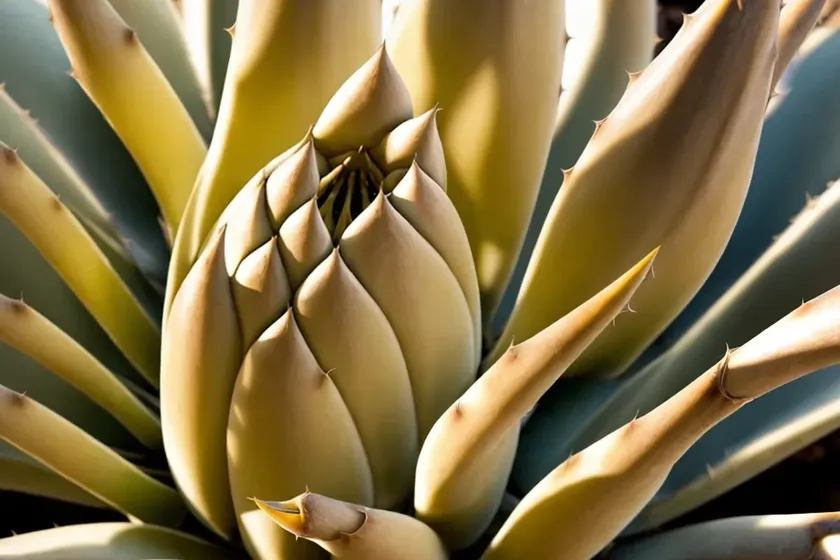
If you are looking for a striking and low-maintenance succulent to add a unique touch to your garden or container, the Spike Agave (Agave applanata ‘Cream Spike’) is an excellent choice. This stunning plant is known for its attractive cream-colored spikes and its ability to thrive in arid environments. In this comprehensive guide, we will explore the key characteristics of the Spike Agave, its cultural requirements, and its uses in landscaping and container gardening.
What is the Spike Agave Succulent?
The Spike Agave, scientifically known as Agave applanata ‘Cream Spike’, is a captivating succulent plant belonging to the Asparagaceae family. Native to the desert regions of Mexico, it is well-adapted to hot and dry climates, making it an ideal choice for xeriscaping and water-wise gardening.
Key Takeaways
Here are some essential points to keep in mind about the Spike Agave succulent:
- Scientific Name: Agave applanata ‘Cream Spike’
- Common Names: Spike agave plant, Cream Spike agave
- Type: Succulent plant
- Characteristics: Cream-colored spikes, drought-tolerant, low-maintenance
- Uses: Ornamental garden plant, container gardening, xeriscaping
- Cultural Requirements: Well-draining soil, ample sunlight, infrequent watering
Now, let’s delve deeper into the cultural aspects, uses, and care guidelines for this remarkable succulent.
Culture
Water
As a desert plant species, the Spike Agave has evolved to thrive in arid conditions and requires minimal watering. When cultivating this succulent, it is crucial to avoid overwatering, as excessive moisture can lead to rot and other detrimental conditions. Typically, the Spike Agave should be watered sparingly, allowing the soil to dry out completely between waterings. During the winter months or in cooler climates, it is best to further reduce the frequency of watering to prevent waterlogged soil.
Sunlight
The Spike Agave thrives in full sunlight and is well-suited for sunny and hot locations in the garden. When grown in containers, ensure that the plant receives at least 6 hours of direct sunlight per day. In regions with intense summer heat, providing some protection from the harsh midday sun can help prevent sunburn on the leaves.
Fertilizer
The Spike Agave is not a heavy feeder and typically does not require frequent fertilization. In fact, excessive fertilization can be detrimental to the plant, leading to abnormal growth and reduced resilience to environmental stress. When feeding the Spike Agave, opt for a balanced, slow-release fertilizer formulated for succulent plants and apply it sparingly in the spring or early summer.
Soil
One of the most critical factors in successfully cultivating the Spike Agave is the soil composition. This plant thrives in well-draining soil and is susceptible to root rot if subjected to prolonged periods of moisture. To create an optimal growing medium for the Spike Agave, use a cactus or succulent potting mix amended with additional perlite or coarse sand to improve drainage. Avoid heavy, water-retentive soils, as they can compromise the plant’s health and longevity.
Pruning
The Spike Agave is a low-maintenance plant and generally does not require extensive pruning. However, to maintain its striking appearance and prevent overcrowding, it may be necessary to remove dead or damaged leaves occasionally. When pruning the Spike Agave, use clean, sharp pruning shears to make clean cuts and reduce the risk of introducing pathogens to the plant.
Propagation
There are several methods for propagating the Spike Agave, including division and offsets. Division involves separating the offsets or “pups” from the parent plant and planting them individually in suitable growing conditions. Offset propagation is achieved by carefully detaching the offsets from the base of the parent plant and allowing them to callus before planting them in a well-draining succulent mix. Propagation should ideally be conducted in the spring or early summer, as the plant is actively growing during this period, facilitating faster establishment of new plants.
Container Popularity
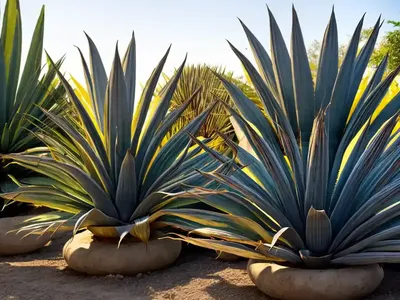
The Spike Agave is highly sought after for container gardening due to its striking aesthetics and adaptability to potted environments. When selecting a container for this succulent, prioritize a well-draining pot with ample drainage holes to prevent water accumulation. Additionally, using a gritty cactus or succulent potting mix will promote healthy growth and minimize the risk of overwatering in container cultivation.
Common Diseases and Pest Management
While the Spike Agave is relatively resilient to pests and diseases, it is not immune to certain issues that can affect its overall health and appearance. Here are some common diseases, their diagnosis, and management strategies for maintaining the Spike Agave’s vitality:
– Common Diseases: The Spike Agave is susceptible to fungal diseases such as root rot and leaf spot, particularly in poorly drained or excessively moist growing conditions.
– Disease Diagnosis: Symptoms of fungal diseases may include yellowing or browning of the leaves, soft and mushy stems, and the presence of dark lesions or spots on the foliage.
– Disease Management: To prevent fungal diseases, ensure proper soil drainage, avoid overwatering, and maintain good air circulation around the plant. In cases of infection, remove affected plant parts and treat with a suitable fungicide to halt the spread of the disease.
In addition to diseases, certain pests can pose a threat to the Spike Agave, necessitating vigilant pest management to safeguard the plant’s well-being:
– Common Pests: Aphids, mealybugs, and scale insects are among the potential pests that may target the Spike Agave, feeding on its sap and causing stress to the plant.
– Pest Management: Regular inspection of the plant for signs of pest activity, such as stippled or discolored leaves, sticky honeydew, or visible insects, is crucial. Additionally, using horticultural oils, insecticidal soaps, or natural predators can help control pest populations and prevent widespread damage.
Botanist’s Tips
To ensure the successful cultivation and long-term health of the Spike Agave, consider the following expert tips from botanists and horticulturists:
– Adequate Drainage: Prioritize well-draining soil and containers with sufficient drainage to prevent waterlogged conditions, which can compromise the plant’s health.
– Moderate Watering: Exercise restraint when watering the Spike Agave, allowing the soil to dry out thoroughly between waterings to prevent issues such as root rot and fungal diseases.
– Sunlight Requirements: Provide the Spike Agave with ample sunlight, but offer protection from intense midday sun in regions with scorching summer temperatures to prevent leaf sunburn.
– Disease Prevention: Maintain good air circulation around the plant and prevent overwatering to reduce the risk of fungal diseases, which can impact the plant’s vigor and appearance.
Fun Facts
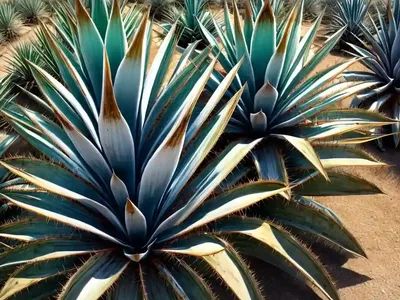
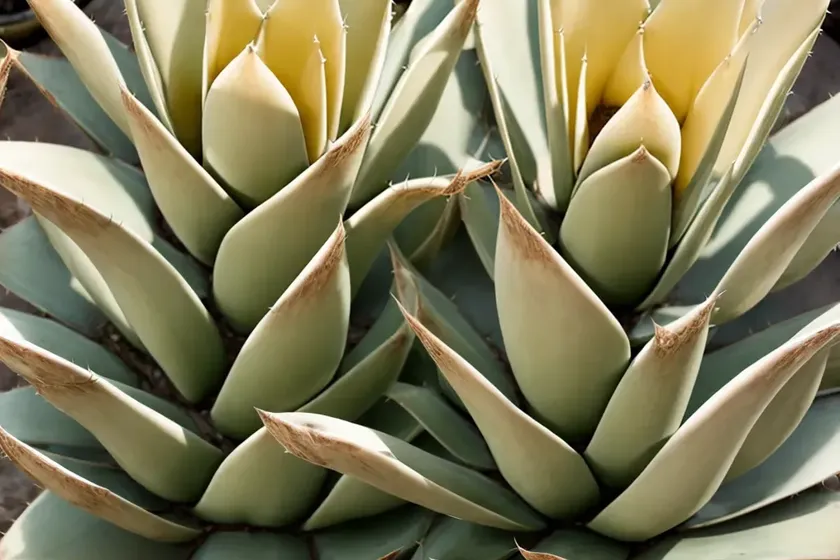
- The cream-colored spikes of the Agave applanata ‘Cream Spike’ provide a stunning contrast to the blue-green foliage, creating an eye-catching display in gardens and containers.
- Agave plants, including the Spike Agave, have been traditionally utilized for various purposes, such as fiber production, food, and beverages, demonstrating their cultural and economic significance in various regions.
- The intricate rosette form of the Spike Agave lends itself to diverse landscape and garden designs, adding an architectural element to outdoor spaces.
Links to External Resources
For additional information on the Spike Agave succulent, including its varieties, landscaping uses, and care guidelines, explore the following resources:
– The Agave Family (Asparagaceae) – Succulent Plant Care
– Xeriscaping with Agave Plants – Water-Wise Landscaping
– Spike Agave Succulent Care Guide – Gardening Know How
In summary, the Spike Agave succulent (Agave applanata ‘Cream Spike’) is a distinctive and resilient plant that can enhance diverse garden settings and container displays with its striking cream-colored spikes and low-maintenance nature. By understanding its cultural requirements, uses, and maintenance strategies, gardening enthusiasts can successfully incorporate this captivating succulent into their outdoor spaces, creating visually captivating and sustainable landscapes.