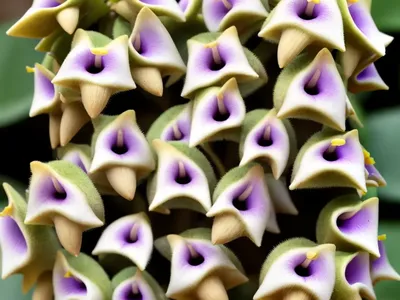
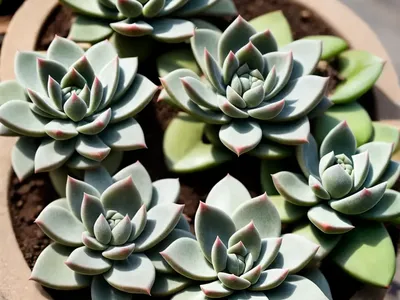
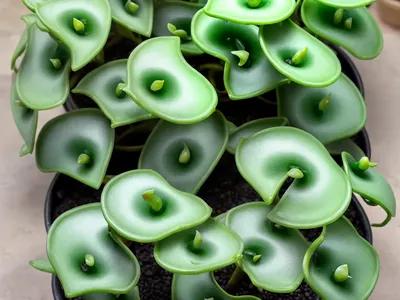
Speckled Wax Plant (Hoya Pubicalyx ‘speckled’)
Have you been on the lookout for a captivating and low-maintenance houseplant to add a touch of greenery to your indoor space? Look no further than the.
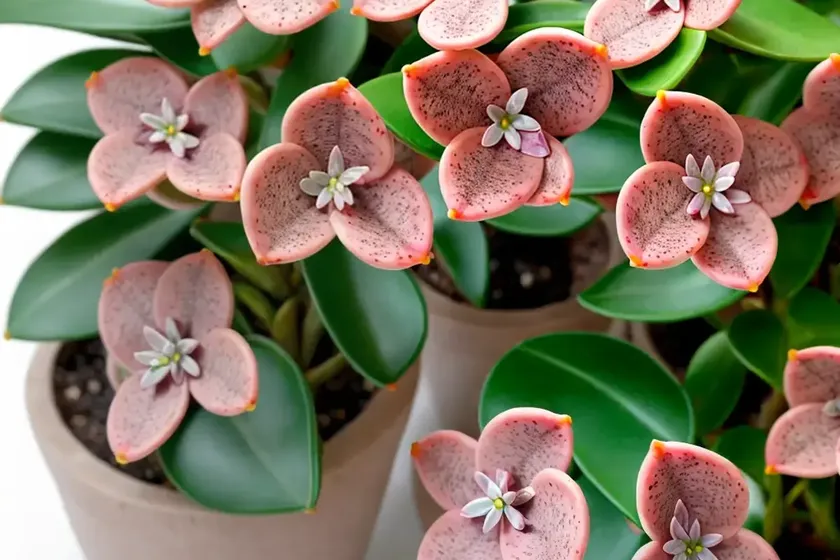
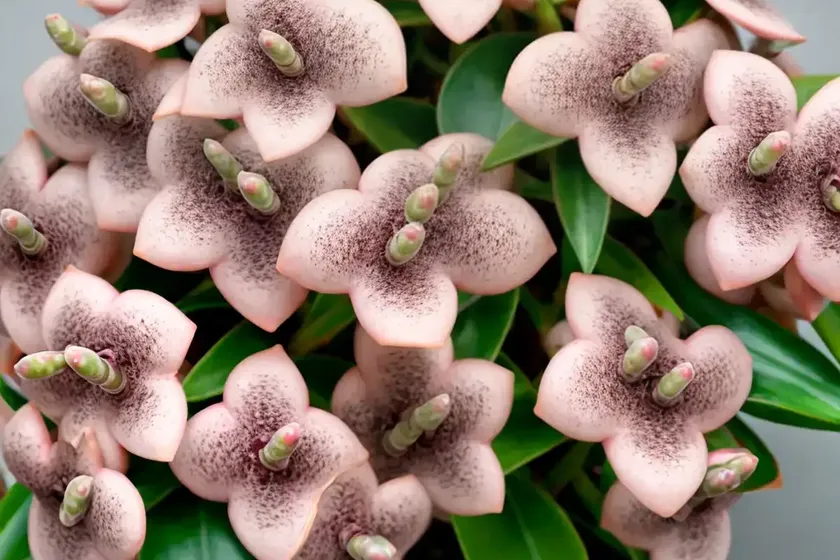
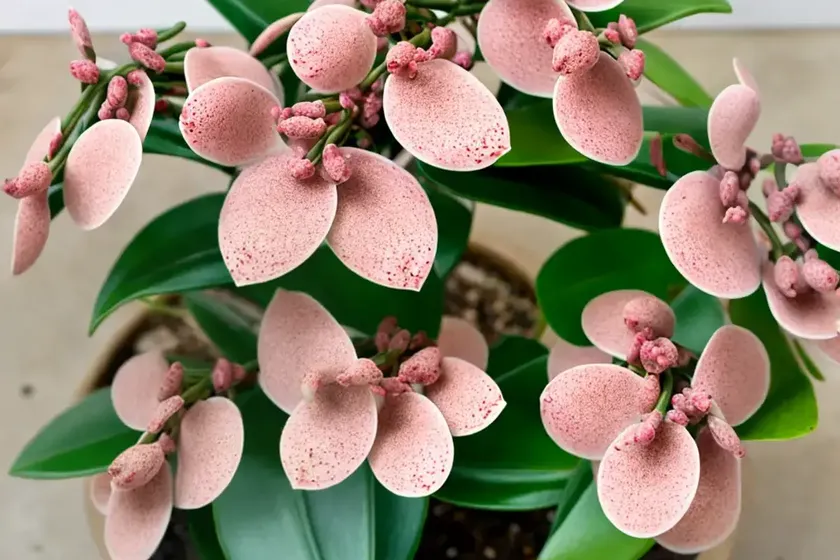
Have you been on the lookout for a captivating and low-maintenance houseplant to add a touch of greenery to your indoor space? Look no further than the Speckled Wax Plant, scientifically known as Hoya Pubicalyx ‘Speckled’. This stunning plant is renowned for its alluring speckled leaves, delicate flowers, and easy-to-care-for nature, making it an excellent choice for both novice and experienced plant enthusiasts.
What is the Speckled Wax Plant (Hoya Pubicalyx ‘Speckled’)?
The Speckled Wax Plant, or Hoya Pubicalyx ‘Speckled’, is a cultivar of the Hoya Pubicalyx plant. It is a member of the Apocynaceae family and is native to the Philippines. The plant is cherished for its distinctive variegated foliage, which features an array of attractive speckled patterns, making it a visually striking addition to any indoor setting. Its elegant and waxy star-shaped flowers, coupled with its trailing habit, further contribute to its appeal as a beloved houseplant.
Key Takeaways – Speckled Wax Plant (Hoya Pubicalyx ‘Speckled’)
Before delving into the specifics of caring for the Speckled Wax Plant, let’s briefly outline the key takeaways that will be covered in this comprehensive guide:
- Culture – Understanding the cultural requirements and preferences of the Speckled Wax Plant for optimal growth and development.
- Uses – Exploring the various uses and benefits of incorporating the Speckled Wax Plant into indoor spaces and landscapes.
- Water – Guidelines for watering the plant to maintain ideal moisture levels without the risk of overwatering or underwatering.
- Sunlight – Identifying the light requirements essential for sustaining the health and vibrancy of the Speckled Wax Plant.
- Fertilizer – Selecting suitable fertilizers and establishing a fertilization schedule to promote robust growth and prolific flowering.
- Soil – Understanding the preferred soil type and composition that best supports the growth and well-being of the Speckled Wax Plant.
- Pruning – Proper pruning techniques and frequency to maintain the plant’s desired shape and manage its growth.
- Propagation – Exploring methods for propagating the Speckled Wax Plant, enabling enthusiasts to expand their plant collection.
- Container – Guidelines for selecting appropriate containers and ensuring optimal conditions for the plant’s container growth.
- Popularity – Insights into the widespread popularity and appeal of the Speckled Wax Plant among plant enthusiasts.
With these key takeaways in mind, we will now delve into the specifics of caring for the Speckled Wax Plant, ranging from its cultural requirements to its potential uses, maintenance, and more.
Culture
In order to provide an optimal environment for the Speckled Wax Plant, it is essential to understand and cater to its specific cultural requirements. These include aspects such as temperature, humidity, and air circulation, which directly influence the plant’s overall health and vitality.
Temperature Tolerance
The Speckled Wax Plant thrives in moderate to warm temperatures, generally ranging from 60°F to 85°F (15°C to 29°C). It is crucial to maintain a consistent temperature range, as sudden fluctuations can stress the plant and inhibit its growth. Avoid placing the plant in drafty areas or close to sources of intense heat or cold, as these can negatively impact its well-being.
Humidity Requirements
Being native to tropical regions, the Speckled Wax Plant exhibits a preference for higher humidity levels. Household humidity levels are often lower than what the plant naturally thrives in, especially during the winter months when indoor heating reduces overall humidity. To mitigate this, consider using a humidifier or placing a shallow tray of water and pebbles near the plant to elevate local humidity levels. Additionally, regular misting can help create a more favorable microclimate for the plant.
Air Circulation Needs
Adequate air circulation is crucial for the Speckled Wax Plant to thrive, as it helps prevent the buildup of excess moisture around the foliage, reducing the risk of fungal issues and other related problems. Ensure that the plant is not placed in an area with stagnant air, and periodically introduce gentle air movement through natural ventilation or the use of a fan on the lowest setting.
Uses
The Speckled Wax Plant offers a range of uses and benefits beyond its ornamental appeal. Understanding these diverse applications can further enhance the appreciation for this captivating houseplant.
Indoor Decorative Accent
One of the primary uses of the Speckled Wax Plant is its role as an indoor decorative accent. Its visually striking variegated foliage, sprawling growth habit, and occasional flowering make it a charming addition to various indoor settings, from living rooms and bedrooms to offices and lobbies. Its ability to thrive in hanging baskets or on shelves further adds to its versatility as a decorative feature.
Air Purification Properties
In addition to its aesthetic attributes, the Speckled Wax Plant contributes to improving indoor air quality by actively removing harmful toxins and impurities. Its lush foliage effectively absorbs pollutants such as formaldehyde, benzene, and xylene, thereby enhancing the overall air purity within enclosed spaces where it is cultivated.
Stress Reduction and Well-being
Numerous studies have highlighted the positive impact of interacting with indoor plants on reducing stress, enhancing concentration, and fostering an overall sense of well-being. The presence of the Speckled Wax Plant in indoor environments offers these psychological benefits, making it a valuable asset for creating tranquil and harmonious living and working spaces.
Water
Proper watering practices are essential for maintaining the health and vitality of the Speckled Wax Plant. Meeting its specific watering needs will ensure adequate moisture levels without the risk of waterlogging or drought stress.
Watering Needs
The watering needs of the Speckled Wax Plant can be summarized as follows:
- Consistent Moisture: The plant prefers consistently moist, but not waterlogged, soil. Aim for a balance, allowing the top layer of soil to dry out slightly between watering sessions. Be cautious not to let the soil dry out completely, as this can lead to stress and negative impacts on the plant’s growth and flowering.
- Frequency: During the active growing season, which typically spans from spring to early fall, regular watering is necessary. As a general guideline, water the plant when the top inch of the soil feels dry to the touch. In winter, when growth slows, reduce the frequency of watering while ensuring that the soil does not remain parched for extended periods.
Watering Techniques
When watering the Speckled Wax Plant, apply water directly to the soil, avoiding wetting the foliage excessively to prevent the onset of fungal diseases. Additionally, aim to water the plant in the morning to allow any excess moisture on the leaves to evaporate during the day, reducing the risk of fungal issues related to prolonged wetness.
Water Quality
Water quality is an often overlooked factor in plant care. The use of excessively hard water or water containing high levels of chlorine or fluoride can have adverse effects on plants over time. To mitigate this, consider using filtered or distilled water when watering the Speckled Wax Plant, or allow tap water to sit out overnight to allow chlorine to dissipate.
Sunlight
Adequate exposure to light is essential for the growth and flourishing of the Speckled Wax Plant. Understanding its light requirements will help ensure that it receives the necessary light levels for robust growth and flowering.
Light Requirements
The Speckled Wax Plant exhibits a preference for bright, indirect light, reminiscent of the levels found in its native tropical habitat. Position the plant near windows or other sources of natural light, ensuring that it receives bright, filtered sunlight without being subjected to direct, intense rays. In indoor environments, east or west-facing windows often provide suitable lighting conditions for the plant.
Sunlight Duration
Strive to provide the Speckled Wax Plant with approximately 6-8 hours of indirect light per day to maintain its vibrancy and promote the development of its intricate flowers. During the warmer months, be attentive to any changes in sunlight patterns due to seasonal variations, adjusting the plant’s placement as needed to accommodate these shifts.
Supplemental Lighting
In situations where natural light is limited, supplemental artificial lighting can be employed to supplement the plant’s light requirements. High-quality grow lights, specifically designed for indoor plants, can help bridge the gap and provide the necessary light energy for the Speckled Wax Plant to thrive.
Fertilizer
Applying a suitable fertilizer regimen is pivotal in providing the necessary nutrients for the Speckled Wax Plant to sustain vigorous growth, abundant foliage, and prolific flowering.
Fertilization Schedule
During the active growing season, which generally spans from spring to late summer, it is beneficial to fertilize the Speckled Wax Plant regularly to support its increased metabolic demands. A balanced, water-soluble fertilizer with a formulation such as 20-20-20 or 10-10-10 can be applied every 4-6 weeks to provide essential macronutrients such as nitrogen, phosphorus, and potassium, alongside micronutrients.
Application Technique
When applying fertilizer, ensure that the soil is adequately moist before application to prevent the risk of root burn. Dilute the fertilizer to half or quarter strength to avoid over-fertilization, which can lead to salt buildup in the potting medium and cause stress to the plant. Refrain from fertilizing the plant during the winter months when its growth rate is substantially reduced.
Organic Fertilizer Options
For enthusiasts who prefer organic approaches to plant care, various organic fertilizers can serve as viable alternatives to synthetic formulations. Organic compost, worm castings, and diluted liquid seaweed extract are examples of natural and gentle fertilizers that can be employed to nourish the Speckled Wax Plant without the potential risks associated with chemical fertilizers.
Soil
Providing an appropriate soil environment is crucial for the Speckled Wax Plant to establish and flourish. The right soil composition ensures adequate drainage, aeration, and nutrient availability, all of which are vital for the plant’s overall well-being.
Soil Type
The Speckled Wax Plant prospers in well-draining, nutrient-rich potting mixes with a slightly acidic to neutral pH range. A combination of peat moss, perlite or coarse sand, and well-decomposed organic matter, such as compost, forms an ideal medium for this plant. This blend permits optimal air circulation and moisture retention, benefiting the plant’s root system.
Commercial Potting Mixes
Numerous commercially available potting mixes cater to the specific requirements of Hoyas and other epiphytic plants. Look for potting mixes labeled for use with tropical plants or orchids, as these are formulated to provide the essential attributes for supporting the growth of the Speckled Wax Plant. These mixes often feature a blend of bark, coconut coir, and perlite to achieve the desired texture and drainage.
Soil Amendment
For enthusiasts who prefer a tailored approach to soil preparation, incorporating additional amendments such as orchid bark, charcoal, and pumice can enhance the overall texture and drainage capabilities of the potting mix. Furthermore, the addition of slow-release organic fertilizers can provide a sustained nutrient supply for the plant over an extended period.
Pruning
Regular pruning is pivotal for maintaining the appearance, health, and growth habit of the Speckled Wax Plant. Proper pruning practices enable enthusiasts to shape the plant, remove unsightly growth, and direct its energy towards producing new leaves and flowers.
Pruning Techniques
When pruning the Speckled Wax Plant, primarily focus on removing spent or yellowing leaves, leggy growth, and any damaged or dead stems. Use clean, sharp pruning shears to make precise cuts and avoid tearing the plant’s tissues. Additionally, it is advisable to periodically trim back the plant’s branching structure to encourage bushier, denser growth.
Pruning Frequency
Engage in routine pruning sessions throughout the active growing season, inspecting the plant for any signs of overgrowth or decline in foliage quality. Be cautious not to overprune the plant, as this can stress it and impede its ability to Photosynthesize effectively.
Flowering Stems
Another aspect of pruning involves the management of flowering stems. After the flowers have faded, trim back the spent flower stems to a point where healthy new growth is emerging. Engaging in this practice promotes continuous flowering and prevents the plant from expending energy on maintaining old, unproductive stems.
Propagation
The ability to propagate the Speckled Wax Plant through various methods enables enthusiasts to expand their plant collection, share cuttings with other enthusiasts, or rejuvenate aging specimens. Understanding the different propagation techniques ensures successful and rewarding outcomes.
Propagation Methods
The Speckled Wax Plant can be propagated through several reliable methods, including:
- Stem Cuttings: This is the most popular and straightforward method of propagating Hoyas. Take 4-6 inch stem cuttings with at least two leaf nodes, ensure they are free of blooms, and plant them in a moist, well-draining potting mix. New roots should emerge within several weeks, signaling successful propagation.
- Water Propagation: Place stem cuttings in a vessel of water, ensuring that at least one or two leaf nodes are submerged. Change the water regularly to maintain cleanliness and prevent stagnation. Once roots have developed, transplant the cuttings into individual pots.
Propagation Timing
The most favorable time for propagating the Speckled Wax Plant is during the active growing season, when the plant exhibits heightened physiological activity and readily generates new roots and shoots. This typically coincides with the spring and summer months, providing an advantageous period for initiating the propagation process.
Rooting Hormone
For enthusiasts seeking to expedite the rooting process and bolster the success rate of propagation, the application of a rooting hormone can be beneficial. Dip the base of the stem cuttings in a powdered or liquid rooting hormone before planting, as this stimulates the growth of new roots, enhancing the cutting’s capacity for establishing itself as a new individual plant.
Container
Selecting an appropriate container and ensuring its proper maintenance are pivotal aspects of caring for the Speckled Wax Plant. The right container provides adequate space for root development and affords favorable growth conditions for the plant.
Container Size
When choosing a container for the Speckled Wax Plant, opt for a size that comfortably accommodates the plant’s existing root structure while allowing room for future growth. Typically, a container with a diameter 1-2 inches larger than the current root ball is recommended, providing ample space for the roots to spread and access moisture and nutrients.
Drainage
Ensuring proper drainage is essential for the overall health of the Speckled Wax Plant. Select containers with drainage holes to facilitate the removal of excess water, preventing the risk of waterlogged soil and root rot. Additionally, consider using a saucer or tray beneath the pot to catch drainage and prevent water from seeping onto surfaces.
Container Material
Containers made from materials such as terracotta, ceramic, or plastic are commonly used for housing the Speckled Wax Plant. Each material has its own specific characteristics, with terracotta providing excellent breathability and plastic offering lightweight portability. Assess the individual needs of the plant and the environmental conditions to determine the most suitable container material.
Popularity
The Speckled Wax Plant, Hoya Pubicalyx ‘Speckled’, has garnered significant popularity and acclaim among plant enthusiasts worldwide. Its mesmerizing variegated foliage, charming flowers, and ease of care have made it a sought-after addition to diverse indoor spaces.
Indoor Plant Collections
Plant enthusiasts often incorporate the Speckled Wax Plant into their indoor collections, utilizing its trailing growth habit and captivating foliage to add visual interest and a touch of natural beauty to their homes, offices, or personal greenhouses. Whether displayed in hanging baskets or perched on shelves, the plant’s ornamental attributes effectively enhance the ambiance of interior spaces.
Ornamental Value
Providing both ornamental and aesthetic value, the Speckled Wax Plant captivates with its vibrant speckled foliage and occasional clusters of delicate, waxy flowers. Its attractiveness and versatile growth habit have cemented its status as a cherished houseplant, frequently featured in plant-themed social media platforms, gardening publications, and interior design blogs.
Gift-giving
The Speckled Wax Plant has also become a favored choice for gifting occasions, serving as a unique and enduring present for plant enthusiasts, friends, and loved ones. Its appealing appearance, low-maintenance nature, and symbolic representation of growth and resilience make it a meaningful and thoughtfully received gift.
Common Diseases
Like any plant, the Speckled Wax Plant is susceptible to certain diseases that can compromise its health and vigor. Recognizing and understanding these potential issues is essential for implementing proactive measures to prevent and address them effectively.
Disease Diagnosis
Several common diseases and issues that may affect the Speckled Wax Plant include:
- Powdery Mildew: A fungal disease characterized by the development of powdery, white patches on the plant’s foliage. It thrives in humid conditions and can be prevented through adequate air circulation and the avoidance of overwatering the plant.
- Root Rot: Caused by overly wet soil conditions, leading to the decay of the plant’s roots. This can be prevented by ensuring proper drainage and refraining from overwatering the plant. A well-draining potting mix and container with drainage holes are essential for mitigating the risk of root rot.
Preventive Measures
To mitigate the risk of diseases, employ the following preventive measures:
- Optimal Watering: A balance of moisture in the soil is vital for preventing the onset of fungal diseases and root-related issues. Be attentive to the plant’s specific watering requirements, ensuring that the soil is neither excessively wet nor bone dry.
- Proper Air Circulation: Adequate air movement around the plant’s foliage and within its immediate environment is beneficial for reducing the risk of diseases such as powdery mildew. Position the plant in locations with adequate ventilation and airflow to discourage the proliferation of fungal spores.
Common Pests
Pests can pose a threat to the health and vitality of the Speckled Wax Plant, necessitating vigilance and timely action to prevent infestations and mitigate their impact.
Pest Identification
The following pests are known to occasionally affect the Speckled Wax Plant:
- Aphids: Small, soft-bodied insects that cluster on the plant’s new growth and feed on its sap. They can be controlled through methods such as manual removal, insecticidal soap, or the introduction of natural predators such as ladybugs.
- Spider Mites: These minuscule arachnids infest the plant’s foliage, causing stippling and discoloration. Regularly rinsing the plant with water and employing miticides can effectively manage infestations of spider mites.
Pest Control
To control and manage pest infestations effectively, consider the following measures:
- Regular Inspection: Routinely inspect the plant for any signs of pest activity, including distorted foliage, stippling, or the presence of insects or mites.
- Natural Remedies: Where possible, opt for natural pest control methods such as beneficial insects, neem oil, or insecticidal soap to manage