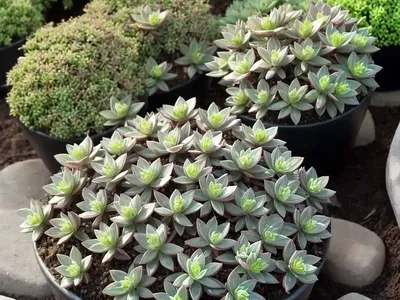
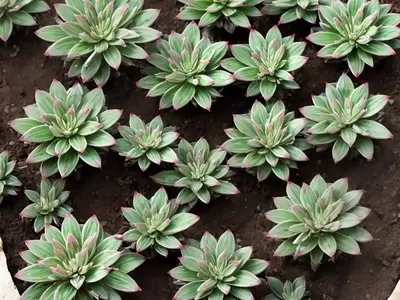
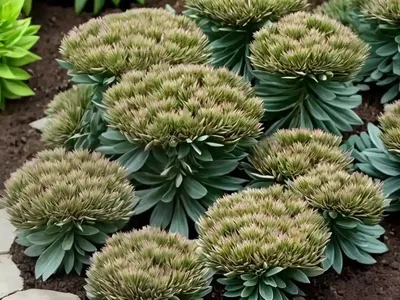
Spanish Stonecrop (Sedum Hispanicum)
In the world of gardening and landscaping, there are countless plant species, each with its own unique set of characteristics and requirements. Among.
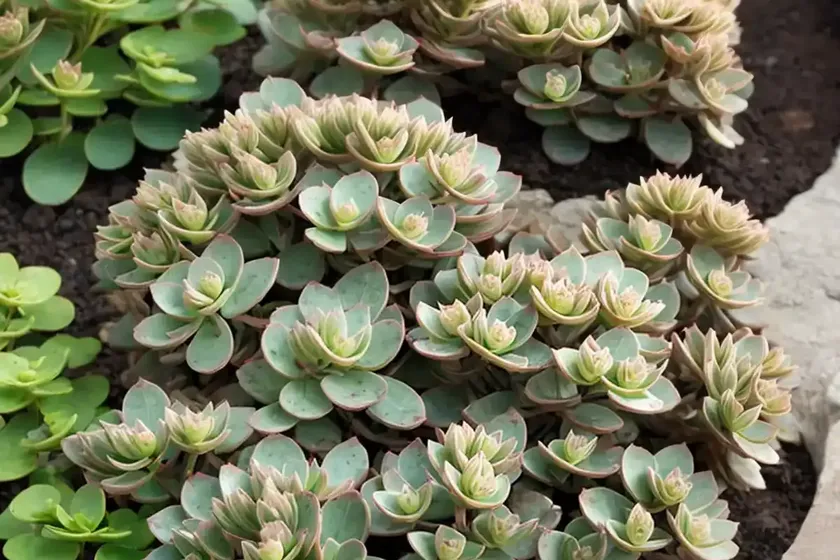
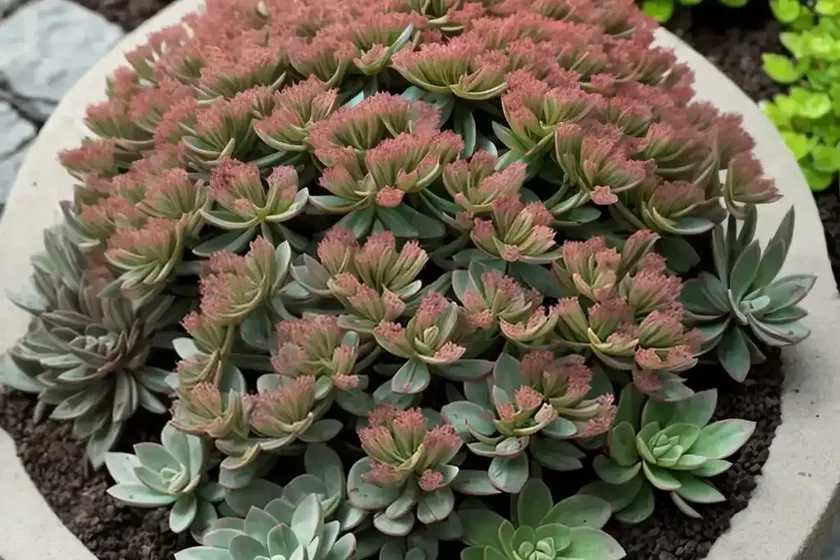
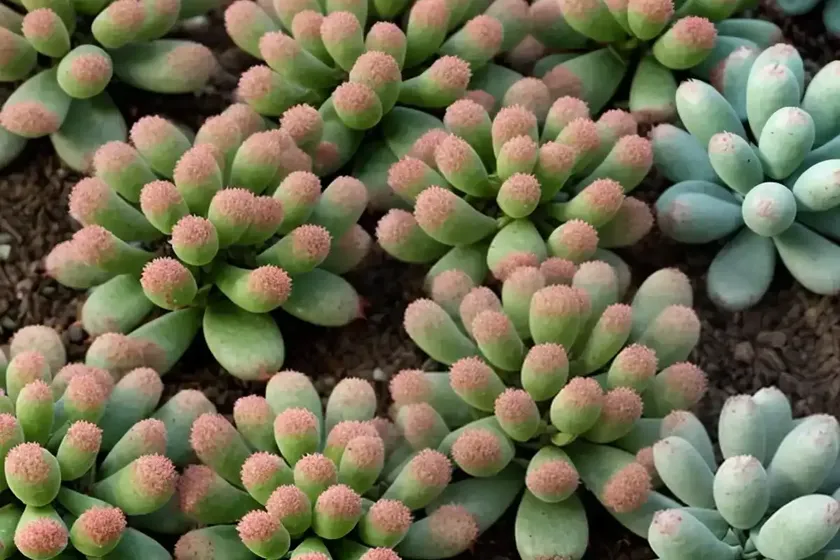
In the world of gardening and landscaping, there are countless plant species, each with its own unique set of characteristics and requirements. Among these, the Spanish stonecrop, scientifically known as Sedum Hispanicum, stands out as a versatile and low-maintenance option. This blog post aims to provide a comprehensive guide to understanding and caring for the Spanish stonecrop, offering insights into culture, uses, maintenance, and more.
What is Plant: Spanish Stonecrop (Sedum Hispanicum)?
The Spanish stonecrop, Sedum Hispanicum, is a perennial flowering plant that belongs to the Crassulaceae family. It is native to southern Europe and northern Africa, thriving in regions with a Mediterranean climate. This low-growing succulent is revered for its adaptability, making it a popular choice for various landscaping and gardening applications.
With its mat-forming growth habit and striking foliage, Sedum Hispanicum is commonly used as a ground cover, in rock gardens, or as a container plant. Its hardiness, drought tolerance, and minimal maintenance requirements make it an attractive option for both experienced and novice gardeners.
In the sections that follow, we will delve into the key aspects of caring for Spanish stonecrop, covering its cultural requirements, uses, maintenance, and common pests and diseases. Let’s explore this fascinating plant in more detail.
Key Takeaways: Spanish Stonecrop (Sedum Hispanicum)
Culture
- Thrives in regions with a Mediterranean climate
- Suitable for USDA hardiness zones 4-9
- Adaptable to various soil types, as long as they are well-draining
- Low water requirements
- Prefers full sun but can tolerate partial shade
Uses
- Ground cover
- Rock gardens
- Container plantings
- Border edging
- Wildlife gardens
Now, let’s delve deeper into the specific care requirements for Sedum Hispanicum.
Water
- Low to moderate water needs
- Drought-tolerant once established
- Avoid overwatering to prevent root rot
- Water deeply but infrequently
- Allow the soil to dry out between waterings
Sunlight
- Thrives in full sun to partial shade
- Best foliage color development in full sun
- Tolerant of various light conditions but prefers bright light
Fertilizer
- Low-fertilizer requirements
- Apply a balanced fertilizer sparingly in spring
- Avoid excessive fertilization, which can lead to leggy growth
Soil
- Well-draining soil is essential
- Tolerant of various soil types, including sandy and rocky soils
- Amend heavy clay soils with organic matter for improved drainage
Pruning
- Minimal pruning requirements
- Trim back leggy growth as needed to maintain a neat appearance
- Deadhead spent flowers to encourage continuous blooming
Propagation
- Easily propagated from stem cuttings or division
- Ideal time for propagation is in spring or early summer
- Plant cuttings in moist, well-draining soil
Container Popularity
- Well-suited to container plantings
- Provides an attractive cascading effect in containers
- Ideal for mixed succulent arrangements
Common Diseases
- Susceptible to root rot if overwatered
- Proper soil drainage is crucial for preventing disease
- Avoid overhead watering to minimize the risk of fungal diseases
Common Pests
- Generally resistant to pests and diseases
- Occasionally susceptible to aphids and mealybugs
- Monitor regularly for pest infestations
Botanist’s Tips
- Experiment with different Sedum Hispanicum varieties for a diverse landscape
- Combine with other drought-tolerant plants for a water-wise garden design
- Consider using Spanish stonecrop in vertical gardening arrangements
Fun Facts
- The name “stonecrop” refers to the plant’s ability to grow in rocky or stony conditions
- Certain Sedum Hispanicum varieties exhibit stunning foliage color changes throughout the seasons
- Spanish stonecrop is known for its attraction of pollinators, making it a valuable addition to wildlife-friendly gardens
Links to External Resources
To further expand your knowledge and enhance your gardening experience with Sedum Hispanicum, consider exploring the following resources:
1. Sedum Hispanicum: Growing and Care Guide
2. Spanish Stonecrop: A Versatile Ground Cover
3. Sedum Hispanicum – Plant Finder
By leveraging the insights from these resources, you can further refine your approach to cultivating and utilizing Spanish stonecrop in your landscape.
In conclusion, Spanish stonecrop (Sedum Hispanicum) stands as a testament to the beauty and resilience of succulent plants. With its adaptability, low-maintenance nature, and ornamental appeal, it serves as a valuable asset in various gardening and landscaping endeavors. As you embark on your journey with Sedum Hispanicum, may this comprehensive guide serve as a source of inspiration and guidance, empowering you to unlock the full potential of this versatile plant in your outdoor spaces.