Southern Daisy (Bellis Sylvestris)
Southern Daisy, also known by its scientific name Bellis Sylvestris, is a charming and resilient flowering plant that deserves a closer look. In this.
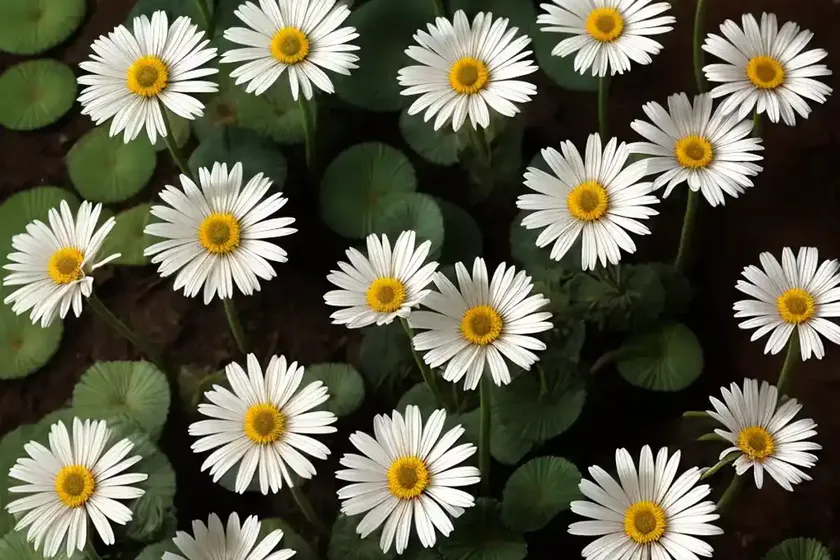
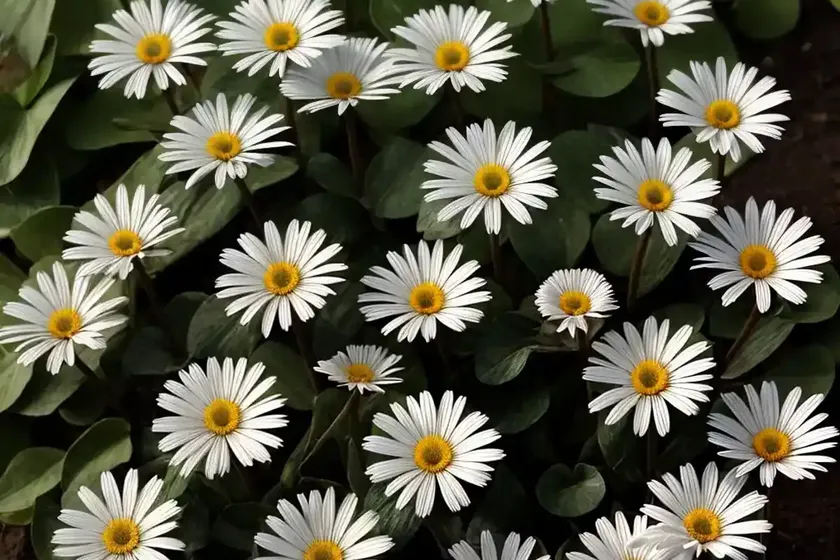
Southern Daisy, also known by its scientific name Bellis Sylvestris, is a charming and resilient flowering plant that deserves a closer look. In this comprehensive guide, we will delve into the various aspects of this beautiful plant, including its culture, uses, care tips, and much more. Whether you’re a beginner gardener or a seasoned botanist, there’s always something new to discover about the Southern Daisy. So, let’s embark on a fascinating journey to explore the world of Bellis Sylvestris.
What is Southern Daisy (Bellis Sylvestris)?
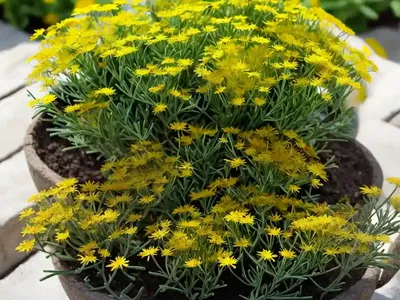
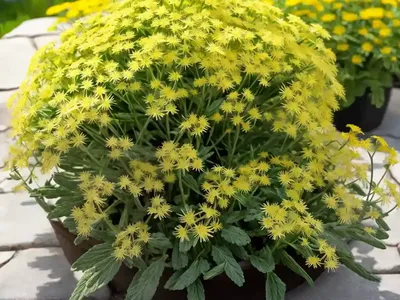
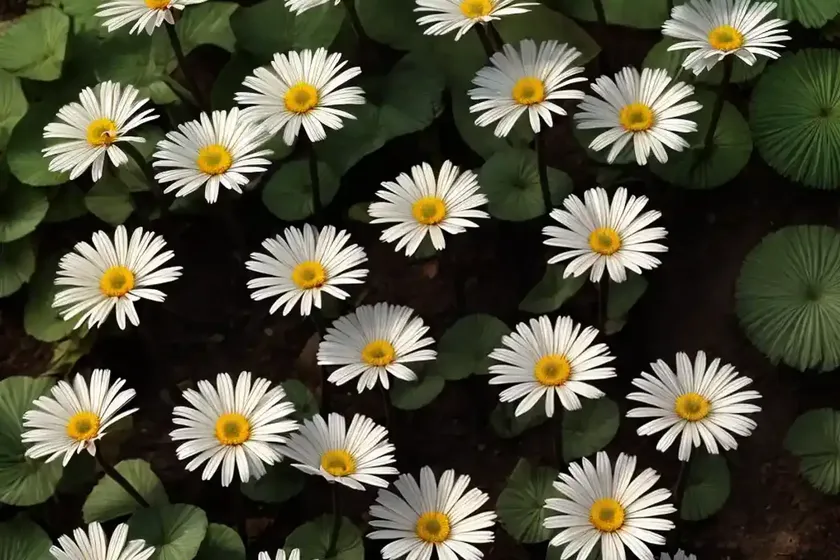
Southern Daisy, scientifically referred to as Bellis Sylvestris, is a perennial flowering plant that belongs to the Asteraceae family. This delightful plant is native to Southern Europe, where it can be found adorning meadows, gardens, and woodland areas with its vibrant blooms. The Southern Daisy is characterized by its charming daisy-like flowers, which come in various colors, including white, pink, and red. The plant’s compact growth habit and low maintenance requirements make it a popular choice for gardeners looking to add a touch of natural beauty to their landscapes.
Key Takeaways – Southern Daisy (Bellis Sylvestris)
Before we delve deeper into the various aspects of Southern Daisy, let’s take a quick look at some key takeaways that will guide our exploration:
- Plant Name: Southern Daisy (Bellis Sylvestris)
- Family: Asteraceae
- Native Habitat: Southern Europe
- Flower Colors: White, Pink, Red
- Growth Habit: Perennial
- Sunlight Needs: Full Sun to Partial Shade
- Water Requirements: Moderate
- Soil Preferences: Well-Draining, Fertile Soil
- Uses: Ornamental Plant, Medicinal Purposes
- Common Diseases: Powdery Mildew, Leaf Spot
- Common Pests: Aphids, Whiteflies
Now that we have an overview of Southern Daisy, let’s explore its culture, uses, and essential care requirements to ensure its healthy growth and stunning blooms.
Southern Daisy Culture
Cultivating Southern Daisy (Bellis Sylvestris) is a rewarding experience, given its resilience and captivating aesthetic appeal. Understanding the culture of this plant is crucial for creating an environment that allows it to thrive. Here are the key aspects of Southern Daisy’s culture:
Water
Proper watering is essential for the health and vitality of Southern Daisy plants. While this plant appreciates moist soil, it’s important to avoid waterlogging, which can lead to root rot. During the growing season, ensure that the soil remains consistently moist but not waterlogged. In hot and dry conditions, regular watering is necessary to keep the soil adequately moist.
Sunlight
Southern Daisy thrives in areas with full sun to partial shade. When selecting a planting location for this charming plant, consider a spot that receives ample sunlight, especially during the morning hours. However, in regions with intense heat, providing some protection from the harsh afternoon sun can be beneficial for the plant’s overall well-being.
Fertilizer
Applying a balanced, all-purpose fertilizer can promote healthy growth and abundant blooms in Southern Daisy plants. During the growing season, a slow-release fertilizer can be used to provide a steady supply of nutrients. It’s important to follow the manufacturer’s instructions for the appropriate application of fertilizer to prevent overfertilization, which can be detrimental to the plant.
Soil
Southern Daisy thrives in well-draining, fertile soil. A loamy soil type that retains moisture without becoming waterlogged is ideal for this plant. Before planting, amend the soil with organic matter to improve its fertility and drainage, creating an optimal growing environment for Southern Daisy.
Pruning
Pruning is an essential aspect of Southern Daisy care, contributing to the plant’s overall health and appearance. Regular deadheading of spent flowers not only maintains the plant’s aesthetic appeal but also encourages continuous blooming. Additionally, the removal of dead or damaged foliage promotes air circulation and reduces the risk of disease.
Propagation
Propagating Southern Daisy can be achieved through various methods, including division, seed sowing, and stem cuttings. Each propagation method offers its own set of benefits and considerations. For instance, division is a simple and reliable way to propagate Southern Daisy, while seed sowing allows for the introduction of new varieties.
Container Popularity
Southern Daisy is well-suited for container gardening, making it a popular choice for adding charm to patios, balconies, and compact outdoor spaces. When cultivating Southern Daisy in containers, ensure that the pots have adequate drainage holes to prevent waterlogging. Additionally, regular watering and fertilization are crucial for container-grown Southern Daisy plants.
Common Diseases and Pests
Just like any other plant, Southern Daisy is susceptible to certain diseases and pest infestations. Being aware of these common issues and their potential remedies is essential for maintaining the plant’s health and vigor.
Common Diseases
- Powdery Mildew: This fungal disease can appear as a powdery white substance on the leaves of Southern Daisy. To prevent powdery mildew, ensure proper air circulation, and avoid overhead watering.
- Leaf Spot: Leaf spotting can occur due to various fungal pathogens. Proper sanitation and the removal of affected foliage can help manage and prevent the spread of leaf spot.
Common Pests
- Aphids: These tiny pests can infest Southern Daisy plants, causing damage to the foliage and buds. Insecticidal soap or neem oil can be used to control aphid infestations.
- Whiteflies: Whiteflies are common pests that can affect Southern Daisy. Introducing natural predators such as ladybugs or applying insecticidal soap can help manage whitefly populations.
Botanist’s Tips for Southern Daisy Care
For enthusiasts looking to cultivate Southern Daisy (Bellis Sylvestris) in their gardens or outdoor spaces, here are some expert tips to enhance the plant’s growth and blooming potential:
- Deadheading: Regularly deadhead spent flowers to encourage continuous blooming and maintain the plant’s appearance.
- Adequate Sunlight: Ensure that Southern Daisy receives sufficient sunlight, especially during the growing season, to promote robust growth and abundant blooms.
- Moderate Watering: Avoid waterlogging while ensuring that the soil remains consistently moist to support the plant’s growth and vigor.
- Soil Amendment: Prior to planting, amend the soil with organic matter to enhance fertility and drainage, creating an ideal growing environment for Southern Daisy.
- Pest and Disease Monitoring: Regularly inspect the plant for signs of pest infestations and diseases, taking proactive measures to manage and prevent potential issues.
Fun Facts about Southern Daisy (Bellis Sylvestris)
- The name “Bellis” is derived from the Latin word for “pretty,” which is a fitting description for this charming plant.
- Southern Daisy has been used in traditional medicine for its purported healing properties, making it not only a visually appealing plant but also one with potential medicinal uses.
- This plant is known for attracting pollinators, such as bees and butterflies, adding ecological value to its ornamental appeal.
Now that we’ve explored the various aspects of Southern Daisy (Bellis Sylvestris), from its culture and care requirements to its uses and fun facts, let’s delve into some useful resources for further information and inspiration.
Links to External Resources
- Royal Horticultural Society – Bellis Sylvestris
- Plant Finder – Southern Daisy
- The Spruce – Growing Bellis Perennis Daisies
- Missouri Botanical Garden – Bellis Sylvestris
- Gardening Know How – Southern Daisy Plant Care
In conclusion, Southern Daisy (Bellis Sylvestris) is a captivating plant with a rich cultural history and a myriad of practical and aesthetic uses. Whether adorning gardens, attracting pollinators, or providing potential medicinal benefits, this delightful plant brings both visual appeal and functional value. By understanding and implementing the essential care tips and cultural requirements, enthusiasts can cultivate healthy and vibrant Southern Daisy plants, adding beauty and ecological significance to their outdoor spaces. So, why not consider adding a touch of Southern Daisy charm to your garden or landscape?
Whether you’re a beginner looking to explore the world of gardening or a seasoned horticulture enthusiast seeking new additions to your plant collection, Southern Daisy (Bellis Sylvestris) holds timeless allure and potential for discovery. Happy gardening!