Plant 101: All About the Beautiful Sneezeweed (Helenium ‘Coppelia’)
Plants are an integral part of our ecosystem, providing us with food, oxygen, and beauty. Among the vast array of plant species, the sneezeweed stands out with its remarkable characteristics and versatility. In this comprehensive guide, we will delve into the intriguing world of sneezeweed, focusing on the popular variety Helenium ‘Coppelia.’ From its cultural preferences to its propagation techniques, we will explore every aspect of this stunning plant.
Key Takeaways – Sneezeweed (Helenium ‘Coppelia’)
Before delving into the intricate details of the sneezeweed plant, let’s highlight the key takeaways about Helenium ‘Coppelia’:
-
Cultural Preferences: Understanding the specific cultural needs of Helenium ‘Coppelia,’ including its preferences for water, sunlight, soil, and fertilizer.
-
Propagation Techniques: Exploring the best methods for propagating sneezeweed plants, ensuring successful growth and multiplication.
-
Container Gardening: Guidelines for growing Helenium ‘Coppelia’ in containers, offering flexibility for various gardening spaces.
-
Disease Prevention and Pest Control: Insights into common diseases and pests that affect sneezeweed, along with effective prevention and control measures.
-
Botanist’s Tips: Expert tips and recommendations for cultivating and maintaining Helenium ‘Coppelia’ to maximize its beauty and health.
-
Fun Facts: Uncovering interesting and lesser-known facts about sneezeweed, shedding light on its unique attributes and ecological significance.
-
External Resources: Providing links to valuable external resources for further exploration of sneezeweed care and cultivation.
Let’s embark on a captivating journey into the world of Helenium ‘Coppelia’ and unravel the secrets behind its charm and resilience.
What is Sneezeweed (Helenium ‘Coppelia’)?
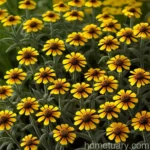
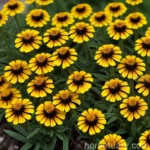
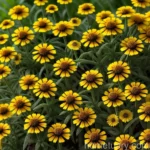
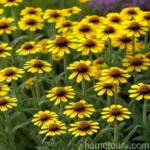
Sneezeweed, scientifically known as Helenium, is a genus of flowering plants in the sunflower family (Asteraceae). The common name “sneezeweed” may evoke images of causing sneezing, but it is important to note that the plant does not trigger allergic reactions like ragweed, despite its name. Helenium ‘Coppelia,’ in particular, is a stunning perennial variety that captivates with its vibrant blooms and robust nature.
Plant Overview
- Scientific Name: Helenium ‘Coppelia’
- Genus: Helenium
- Variety: Coppelia
- Family: Asteraceae
- Common Name: Sneezeweed
- Type: Perennial
The Helenium genus is renowned for its daisy-like flowers that bloom in late summer and fall, adding a splash of color to gardens and landscapes. While the common name “sneezeweed” may seem peculiar, it is believed to have originated from the historical use of the plant’s dried leaves and flowers in making snuff, a form of powdered tobacco that was inhaled, often inducing sneezing.
Now, let’s delve into the intricate details of caring for Helenium ‘Coppelia’ and explore the best practices for cultivating this captivating perennial plant.
Culture
Understanding the cultural requirements of Helenium ‘Coppelia’ is crucial for ensuring its optimal growth and overall well-being. From water and sunlight preferences to soil and fertilizer needs, let’s explore the key elements of cultivating this beautiful perennial.
Water
Proper watering is essential for the health and vigor of Helenium ‘Coppelia.’ While sneezeweed is relatively tolerant of varying moisture levels, it thrives in consistently moist soil. However, it is crucial to avoid waterlogging, as excessively wet conditions can lead to root rot and other moisture-related issues.
Watering Guidelines for Helenium ‘Coppelia’:
- Regular Moisture: Maintain moderately moist soil for optimal growth and flowering.
- Deep Watering: Ensure thorough watering to encourage robust root development.
- Mulching: Apply a layer of organic mulch around the base of the plant to retain soil moisture and suppress weed growth.
- Monitor Drainage: Check the soil’s drainage to prevent waterlogging, especially in heavy clay soils.
Sunlight
Sneezeweed, including the Helenium ‘Coppelia’ variety, thrives in full sun, exhibiting its best growth and blooming potential when provided with abundant sunlight. Full sun exposure promotes sturdy, upright growth and enhances the vibrancy of its flowers.
Sunlight Preferences for Helenium ‘Coppelia’:
- Full Sun: Place Helenium ‘Coppelia’ in a location with at least 6-8 hours of direct sunlight per day.
- Sun Orientation: South or west-facing positions are ideal for maximizing sun exposure.
- Shade Tolerance: While it prefers full sun, sneezeweed can tolerate light shade, especially in regions with intense summer heat.
Fertilizer
Proper nutrition is vital for supporting the vigorous growth and prolific blooming of Helenium ‘Coppelia.’ When provided with balanced and appropriate fertilization, the plant can thrive and produce an abundance of stunning flowers.
Fertilizer Recommendations for Helenium ‘Coppelia’:
- Balanced Fertilizer: Use a balanced, all-purpose fertilizer with equal N-P-K (nitrogen, phosphorus, and potassium) ratio.
- Application Timing: Apply fertilizer in early spring as new growth emerges, and again in midsummer to support continuous flowering.
- Organic Amendments: Consider incorporating organic compost or well-rotted manure into the soil to enrich its fertility and structure.
Soil
Helenium ‘Coppelia’ flourishes in well-drained, fertile soil with a slightly acidic to neutral pH range. The right soil conditions play a pivotal role in providing adequate support and nourishment for the plant’s growth and development.
Soil Preferences for Helenium ‘Coppelia’:
- Well-Drained Soil: Ensure good drainage to prevent waterlogged conditions that can compromise root health.
- Fertility: Use rich, loamy soil with ample organic matter to provide essential nutrients and promote robust growth.
- pH Level: Aim for a slightly acidic to neutral soil pH between 6.0 and 7.0 for optimal nutrient uptake.
Pruning
Proper pruning is essential for maintaining the shape, vigor, and flowering abundance of Helenium ‘Coppelia.’ By following appropriate pruning techniques, gardeners can ensure the plant’s health and aesthetic appeal throughout the growing season.
Pruning Guidelines for Helenium ‘Coppelia’:
- Deadheading: Regularly remove spent flowers to encourage continuous blooming and prevent self-seeding.
- Cutting Back: Trim back the stems to ground level in late fall or early spring to rejuvenate the plant and promote new growth.
- Thinning Strategy: Thin out excessively dense growth to improve air circulation and reduce the risk of disease.
By incorporating these cultural practices into the care routine for Helenium ‘Coppelia,’ gardeners can create an optimal growing environment for this exquisite perennial plant. From providing the right amount of water to ensuring ideal sunlight exposure, each element contributes to the plant’s overall health and beauty.
In the next section, we will explore the propagation techniques for sneezeweed plants, offering insights into how to successfully multiply and propagate Helenium ‘Coppelia.’
Propagation
Propagation allows gardeners to expand their sneezeweed collection and share the beauty of Helenium ‘Coppelia’ with others. From seed sowing to division, several methods can be employed to propagate this captivating perennial.
Seed Propagation
Growing Helenium ‘Coppelia’ from seeds is an exciting and rewarding process, offering the opportunity to witness the complete lifecycle of the plant, from germination to flowering.
Seed Propagation Process for Helenium ‘Coppelia’:
- Seed Collection: Collect mature seeds from existing Helenium ‘Coppelia’ plants after the blooming period.
- Seed Preparation: Remove the seeds from the seed heads and allow them to air dry for a few days to reduce moisture content.
- Sowing Timing: Plant the seeds in early spring or late fall for optimal germination conditions.
- Sowing Method: Directly sow the seeds in prepared seedbeds or containers, lightly covering them with soil.
- Germination: Provide consistent moisture and warmth to facilitate seed germination, which typically occurs within 10-21 days.
Division
Dividing mature Helenium ‘Coppelia’ clumps is an effective way to propagate the plant while also rejuvenating the existing specimens. This method helps maintain the plant’s vitality and prevents overcrowding, leading to healthier growth and more prolific flowering.
Division Technique for Helenium ‘Coppelia’:
- Timing: Perform division in early spring or fall when the plant is dormant or showing dormant buds.
- Clump Digging: Carefully lift the entire plant clump from the ground, ensuring the preservation of the root system.
- Separation: Use a sharp, clean tool to divide the clump into smaller sections, each containing healthy roots and growing points.
- Replanting: Immediately replant the divided sections in prepared soil, ensuring adequate spacing and proper soil moisture.
By employing these propagation techniques, gardeners can successfully propagate and multiply their Helenium ‘Coppelia’ plants, enriching their gardens and sharing the beauty of sneezeweed with others. Whether through seed sowing or division, each method offers a unique opportunity to expand the presence of this stunning perennial.
In the following sections, we will explore additional aspects of sneezeweed care and cultivation, delving into container gardening, disease prevention, and pest control strategies for Helenium ‘Coppelia.’
Container Gardening
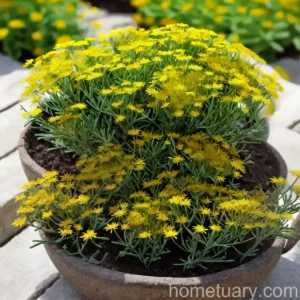
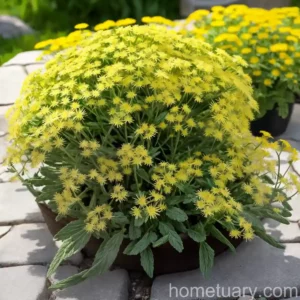
Container gardening opens up new possibilities for growing Helenium ‘Coppelia,’ allowing individuals with limited outdoor space or specific aesthetic preferences to cultivate this beautiful perennial.
Growing in Containers
Cultivating Helenium ‘Coppelia’ in containers requires attention to specific considerations to ensure the plant’s well-being and growth within this confined environment.
Container Gardening Guidelines for Helenium ‘Coppelia’:
- Container Size: Select a spacious container that accommodates the plant’s mature size and provides ample room for root development.
- Drainage: Ensure the presence of drainage holes in the container to prevent waterlogging and root rot.
- Potting Mix: Use a high-quality, well-draining potting mix with added organic matter to support the plant’s nutrient needs.
- Sunlight: Place the container in a location that receives sufficient sunlight, ideally in a south or west-facing position.
- Watering: Monitor the soil moisture regularly and water the plant when the top inch of the soil feels dry to the touch.
By embracing container gardening, individuals can enjoy the versatility and beauty of sneezeweed in various settings, from patios and balconies to indoor spaces with adequate light.
Common Diseases
Sneezeweed, including the Helenium ‘Coppelia’ variety, can be susceptible to certain diseases that can impact its health and appearance. Recognizing the signs of common diseases and implementing preventive measures is crucial for maintaining the plant’s vitality.
Disease Diagnosis
Understanding the symptoms and causes of common sneezeweed diseases can aid in early detection and effective management to minimize their impact on Helenium ‘Coppelia.’
Common Diseases Affecting Sneezeweed:
- Powdery Mildew: Characterized by white powdery patches on the leaves, caused by fungal infestation in humid conditions.
- Rust: Manifests as orange-brown spots on the foliage, signaling a fungal infection that thrives in moist environments.
- Leaf Spot: Presents as dark, circular lesions on the leaves, often attributed to fungal or bacterial pathogens.
- Root Rot: Occurs due to waterlogged soil, leading to root decay and subsequent decline in the plant’s overall health.
Disease Prevention
Implementing proactive measures to prevent common sneezeweed diseases is essential for safeguarding the well-being and longevity of Helenium ‘Coppelia.’
Preventive Strategies for Disease Management:
- Pruning: Regularly remove and discard affected plant parts to prevent the spread of diseases.
- Air Circulation: Ensure adequate spacing between plants to promote air circulation and reduce moisture accumulation.
- Avoid Overhead Watering: Water at the base of the plant to minimize moisture on the leaves, discouraging fungal growth.
- Fungicidal Sprays: Apply appropriate fungicidal treatments preventively, especially during humid or prolonged rainy periods.
By proactively addressing potential disease risks and adopting preventative practices, gardeners can foster an environment that promotes the health and resilience of Helenium ‘Coppelia.’
Common Pests
In addition to diseases, sneezeweed may also face challenges from various pests that can impact its growth and overall condition. Identifying common pests and implementing effective control measures is vital for preserving the beauty of Helenium ‘Coppelia.’
Pest Identification
Recognizing the signs of common sneezeweed pests enables prompt intervention and the application of targeted pest control methods to mitigate their impact.
Common Pests Affecting Sneezeweed:
- Aphids: Small, soft-bodied insects that cluster on the tender stems and undersides of leaves, often causing distortion and yellowing of foliage.
- Spider Mites: Microscopic pests that suck plant juices, leading to stippling, discoloration, and webbing on the leaves.
- Caterpillars: Larval stages of butterflies and moths that may feed on the foliage, resulting in visible chewed areas and damage.
Pest Control Measures
Employing environmentally friendly and effective pest control measures is essential for managing and preventing pest infestations on Helenium ‘Coppelia.’
Integrated Pest Management (IPM) Strategies:
- Beneficial Insects: Encourage the presence of predatory insects, such as ladybugs and lacewings, to naturally control pest populations.
- Horticultural Oils: Apply horticultural oils to suffocate and disrupt pests, particularly spider mites and aphids.
- Handpicking: Physically remove caterpillars and other larger pests from the plant and dispose of them appropriately.
- Natural Predators: Introduce natural enemies of pests, such as parasitic wasps, to aid in pest control without harming the plant.
By embracing a holistic approach to pest management and integrating eco-friendly practices, gardeners can effectively protect Helenium ‘Coppelia’ from destructive pest activity while maintaining a balanced ecosystem in the garden.
In the upcoming sections, we will delve into botanist’s tips for successful sneezeweed cultivation, intriguing fun facts about Helenium ‘Coppelia,’ and essential information about the plant’s ecological significance and natural habitats.
Botanist’s Tips
Drawing on the expertise of botanists and seasoned horticulturists can provide valuable insights and recommendations for cultivating and caring for Helenium ‘Coppelia.’ By incorporating their tips and best practices, gardeners can enhance the health and beauty of sneezeweed in their landscapes.
Expert Recommendations for Helenium ‘Coppelia’ Care:
- Mulching Benefits: Apply a layer of organic mulch around Helenium ‘Coppelia’ to conserve moisture, suppress weeds, and maintain consistent soil temperatures.
- Companion Planting: Pair Helenium ‘Coppelia’ with garden companions that complement its color, form, and cultural preferences, creating visually appealing combinations.
- Seasonal Maintenance: Conduct regular maintenance tasks, such as deadheading, pruning, and soil amendment, to support the plant’s growth and flowering throughout the seasons.
By following these expert suggestions and considering their valuable insights, gardeners can optimize the care and cultivation of Helenium ‘Coppelia,’ creating an environment that fosters its natural beauty and resilience.
Fun Facts
Exploring the unique and intriguing aspects of sneezeweed, including Helenium ‘Coppelia,’ reveals a tapestry of fascinating facts and attributes that contribute to the plant’s allure and ecological significance.
Captivating Fun Facts about Sneezeweed:
- Pollinator Attraction: Sneezeweed flowers, including the ‘Coppelia’ variety, attract a diverse array of pollinators, including butterflies, bees, and hummingbirds, enriching the garden’s biodiversity.
- Medicinal Uses: Historically, certain Indigenous tribes used Helenium species, including Helenium autumnale, for medicinal purposes, harnessing its potential healing properties.
- Contemporary Landscaping: Sneezeweed varieties, such as Helenium ‘Coppelia,’ are valued for their ornamental appeal in contemporary landscaping, adding vibrant colors and textures to garden compositions.
By uncovering these fun facts, enthusiasts and gardeners gain a deeper appreciation for the captivating nature of sneezeweed, embracing its cultural, ecological, and historical significance.
In the following sections, we will provide a curated selection of external resources and references to further expand on the valuable insights shared in this comprehensive guide. From in-depth planting techniques to sneezeweed varieties and companion planting ideas, these resources offer a wealth of information for enthusiasts, gardeners, and horticultural enthusiasts.
Links to External Resources
For a more in-depth exploration of sneezeweed care, propagation methods, and its ecological significance, the following external resources provide valuable insights and practical guidance:
- Sneezeweed (Helenium autumnale) – University of Florida IFAS Extension – Comprehensive overview of the sneezeweed plant, including cultivation guidelines and landscape uses.
- Growing Plants: Helenium [Sneezeweed] – Royal Horticultural Society – Detailed information on Helenium species, including ‘Coppelia,’ with emphasis on growth and care requirements.
- Perennial Resource: Helenium ‘Coppelia’ – Perennial Resource – Specific insights into the characteristics and cultivation of Helenium ‘Coppelia,’ featuring growth habits and landscape applications.
By delving into these external resources, enthusiasts and gardeners can gain a deeper understanding of sneezeweed, its varieties, and the best practices for successful care and cultivation.
In conclusion, Helenium ‘Coppelia’ stands as a stunning perennial plant with remarkable beauty and resilience. From its vibrant blooms to its ecological significance, sneezeweed captivates individuals with its unique attributes and versatile nature. By embracing the cultural preferences, propagation methods, and disease prevention strategies outlined in this guide, gardeners can create an optimal environment for Helenium ‘Coppelia,’ unlocking its full potential and contributing to the diversity of plant life in gardens and landscapes.
Through this comprehensive exploration of sneezeweed care and cultivation, we celebrate the enduring charm and versatility of Helenium ‘Coppelia,’ offering a testament to the enduring splendor of this remarkable perennial plant.
Remember to embrace the botanist’s tips, delve into the fascinating fun facts, and explore the curated external resources to further enrich your journey into the captivating world of Helenium ‘Coppelia.’
Happy gardening and may the vibrant blooms of sneezeweed grace your landscapes with their timeless allure!