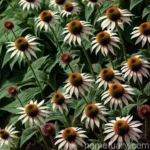
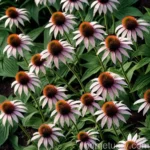
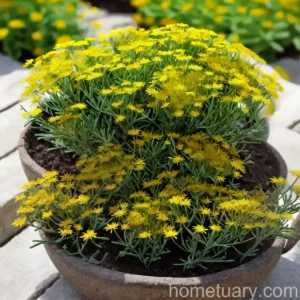
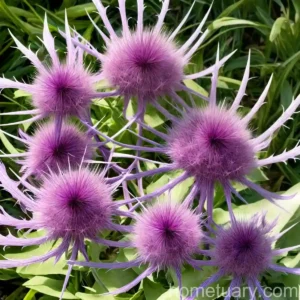
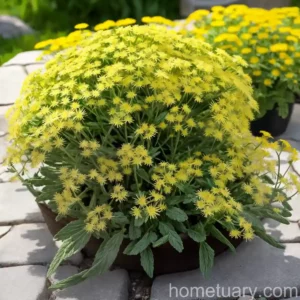
Plant Name: Sneezeweed (Helenium autumnale)
Plants have been an essential part of human life for centuries, providing food, medicine, and aesthetic beauty. Sneezeweed (Helenium autumnale) is a native North American perennial plant that has been gaining popularity among gardeners and plant enthusiasts. In this comprehensive guide, we will explore the characteristics, cultivation, uses, and maintenance of this charming plant.
What is Sneezeweed (Helenium autumnale)?
Sneezeweed, scientifically known as Helenium autumnale, is a herbaceous perennial plant that belongs to the Asteraceae family. This plant is native to North America and is commonly found in moist meadows, along stream banks, and in open woodlands. Sneezeweed typically blooms in late summer to fall, producing vibrant and abundant flowers that attract various pollinators such as bees and butterflies.
Botanical Features:
- Plant Height: 3-5 feet
- Flower Color: Shades of yellow, orange, and red
- Foliage: Lance-shaped, dark green leaves
- Blooming Season: Late summer to fall
- Growing Conditions: Moist, well-drained soil
Key Takeaways – Sneezeweed (Helenium autumnale)
Sneezeweed Flower
The sneezeweed flower is known for its vibrant colors and prolific blooming during late summer to fall. Its daisy-like flowers add a cheerful and colorful touch to gardens and landscapes.
Helenium autumnale Perennial
As a perennial plant, Helenium autumnale returns year after year, making it a sustainable and enduring addition to garden spaces.
Sneezeweed Medicinal Uses
Traditionally, some indigenous cultures utilized sneezeweed for medicinal purposes, although it is essential to seek professional medical advice before using any plant for medicinal purposes.
Helenium autumnale Care
Proper care and maintenance are vital for the health and longevity of Helenium autumnale, including attention to water, sunlight, and soil conditions.
Sneezeweed Plant Characteristics
The unique characteristics of the sneezeweed plant, including its height, foliage, and blooming season, contribute to its appeal as a garden ornamental.
Helenium autumnale Gardening
Incorporating Helenium autumnale into gardening designs can add visual interest, attract pollinators, and contribute to a biodiverse garden ecosystem.
Sneezeweed Varieties
There are several varieties of sneezeweed available, each with its own distinct features and colors, allowing for diverse and creative garden designs.
Culture
Cultivating Sneezeweed (Helenium autumnale) requires understanding its specific cultural requirements to ensure optimal growth and blooming. This includes considerations for water, sunlight, soil, and fertilization.
Uses
Sneezeweed holds significance in both horticultural and ecological settings:
- Horticultural Uses: Garden beds, borders, landscaping
- Ecological Uses: Attracts pollinators, contributes to wildlife habitats
Water
Sneezeweed plants thrive in consistently moist soil. While they are moderately drought-tolerant once established, regular watering is essential, especially during dry spells.
Sunlight
Helenium autumnale requires full sun to partial shade for optimal growth and blooming. Ensure that the plant receives at least 6 hours of direct sunlight daily.
Fertilizer
Applying a balanced, slow-release fertilizer in early spring can support the growth and blooming of sneezeweed plants. However, be cautious not to over-fertilize, as this can lead to excessive foliage growth at the expense of blooming.
Soil
The ideal soil for sneezeweed is fertile, moist, and well-drained. Amending heavy clay soils with organic matter can improve drainage and create a suitable growing environment for this plant.
Pruning
Regular deadheading of spent flowers can encourage prolonged blooming and prevent self-seeding. Additionally, cutting back the plant in late fall or early spring can help maintain a tidy appearance and promote vigorous growth.
Propagation
Sneezeweed can be propagated through various methods, including seed sowing, division, and stem cuttings. Each method has its advantages and is suitable for different circumstances and preferences.
Seed Sowing
- Sow seeds indoors about 6-8 weeks before the last frost date
- Transplant seedlings outdoors after the danger of frost has passed
- Keep soil consistently moist until seeds germinate
Division
- Divide mature sneezeweed plants in early spring or late fall
- Replant divided sections in prepared soil and water thoroughly
Stem Cuttings
- Select healthy, non-flowering stems for propagation
- Trim the stems and remove lower leaves
- Place the cuttings in a well-draining growing medium and provide consistent moisture
Container Popularity
Sneezeweed is also suitable for container gardening, adding versatility to its popularity. Growing sneezeweed in containers allows individuals with limited garden space or specific aesthetic preferences to enjoy the beauty of this plant.
Container Common Diseases
Although sneezeweed is generally resilient, it can be susceptible to certain diseases. By identifying common diseases and their symptoms, gardeners can take proactive measures to protect their plants.
Disease Diagnosis
Some common diseases that may affect sneezeweed include:
- Powdery Mildew: White powdery spots on foliage
- Leaf Spot: Circular lesions with a dark margin on leaves
Disease Prevention
To prevent diseases, provide adequate air circulation, avoid overhead watering, and remove any affected foliage. Additionally, choosing disease-resistant varieties can reduce the risk of infections.
Common Pests
Sneezeweed is relatively resistant to pests; however, some insects may occasionally cause damage to the plant. Identifying and addressing these pests promptly can help protect the plant’s health.
Pest Control
Common pests that may affect sneezeweed include:
- Aphids: Small, soft-bodied insects clustered on new growth
- Caterpillars: Feeding on foliage and causing visible damage
Botanist’s Tips
As a plant scientist, I would like to share some insights and tips for cultivating and enjoying sneezeweed in garden settings.
- Native Habitat: Understanding the native habitat of Helenium autumnale can provide valuable insights into its preferred growing conditions and natural associations.
- Companion Plants: Selecting companion plants that complement and support the growth of sneezeweed can enhance the overall garden design and ecosystem.
- Pollinator Attractant: Leveraging sneezeweed’s attractiveness to pollinators can contribute to the conservation of beneficial insects and biodiversity in the garden.
Fun Facts
- Sneezeweed (Helenium autumnale) earned its common name from a historical practice of using its dried leaves in snuff, causing sneezing when inhaled.
- Some species within the Helenium genus have been used in traditional medicine by indigenous cultures for various purposes.
As we continue to delve into the world of sneezeweed, it becomes clear that this North American native plant offers multifaceted benefits and potential for gardeners, nature enthusiasts, and conservation efforts. Let’s explore further to uncover additional perspectives on its uses, symbolism, and value in various contexts.
Links to External Resources
To further enrich your understanding and exploration of sneezeweed (Helenium autumnale), consider accessing the following resources:
Incorporating multiple sources of information and expertise can enhance your ability to cultivate, appreciate, and contribute to the conservation of sneezeweed and its ecological significance.
In conclusion, the unique characteristics, cultural significance, and ecological value of sneezeweed (Helenium autumnale) position it as a compelling and multifunctional plant species. Whether utilized in garden designs, conservation initiatives, or educational endeavors, sneezeweed offers a wealth of opportunities for exploration, enjoyment, and meaningful contributions to the natural world. As we celebrate the diversity of plant life, sneezeweed stands as a testament to the interconnectedness of horticulture, ecology, and human stewardship.