Snapdragons (Antirrhinum)
Snapdragons, scientifically known as Antirrhinum, are popular flowering plants that belong to the Plantaginaceae family. Known for their unique blooms and.
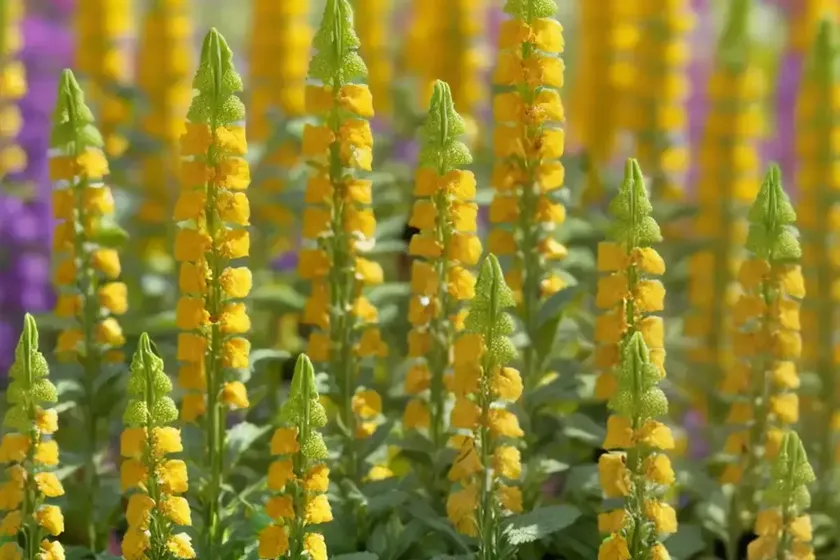
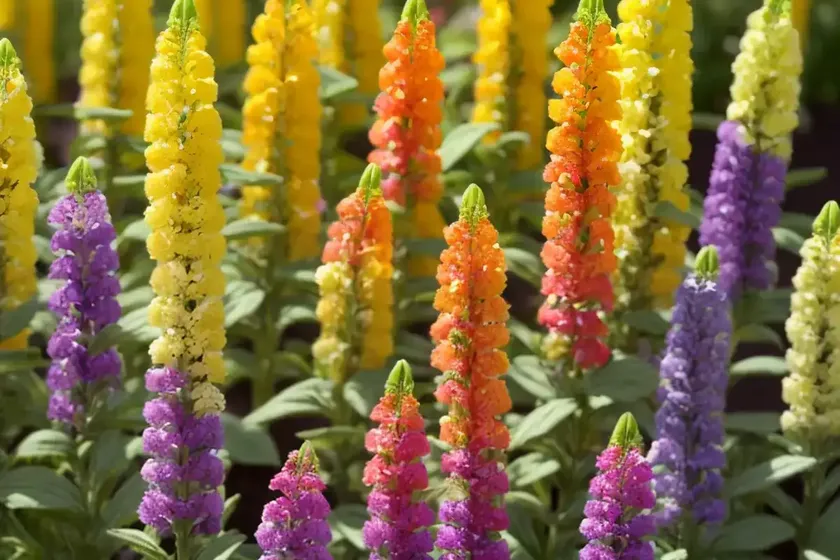
Snapdragons, scientifically known as Antirrhinum, are popular flowering plants that belong to the Plantaginaceae family. Known for their unique blooms and versatile growing habits, snapdragons are a beloved choice among gardeners and horticulturists. In this comprehensive guide, we will explore the intriguing world of snapdragons, covering everything from their cultural requirements to common pests and diseases, as well as botanist’s tips and fun facts. Whether you’re a beginner or an experienced gardener, this detailed resource will equip you with the knowledge needed to cultivate and care for these enchanting flowers.
What is a Plant: Snapdragons (Antirrhinum)
Snapdragons, or Antirrhinum, are herbaceous perennial plants that are primarily grown as annuals due to their susceptibility to frost. The name “snapdragon” is derived from the peculiar resemblance of the flower to a dragon’s head, which opens and closes its mouth when squeezed from the sides. This unique characteristic has earned the plant its intriguing moniker and adds to its allure in garden landscapes.
Key Takeaways: Snapdragons (Antirrhinum)
1. Antirrhinum Flowers
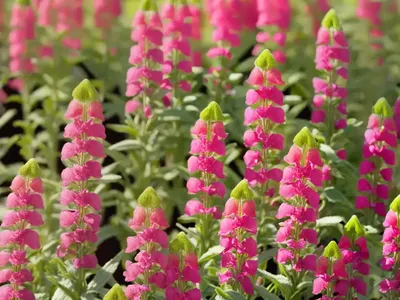
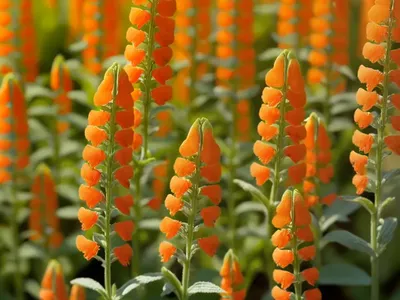
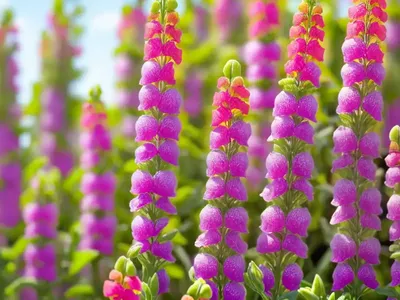
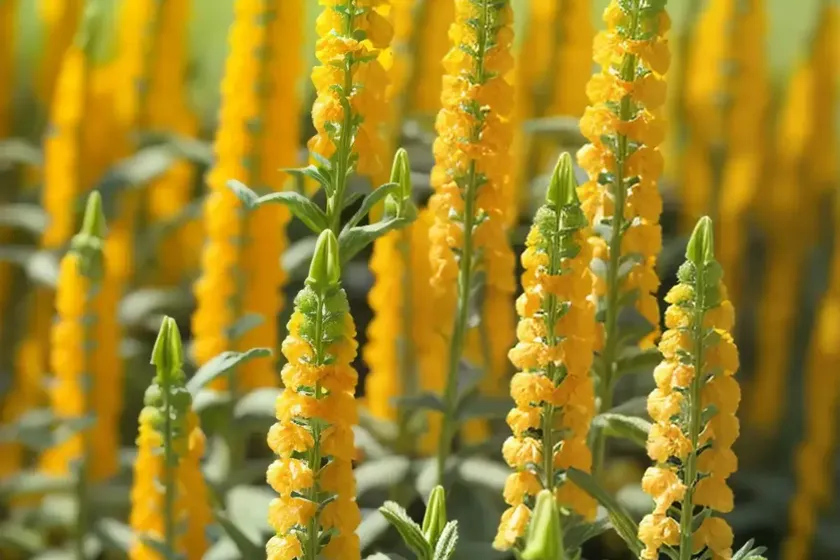
– Known for their distinct resemblance to dragon heads, snapdragon flowers are available in a myriad of vibrant colors, including hues of red, pink, yellow, and white.
– The flowers produce a pleasing aroma, making them an attractive choice for ornamental purposes and floral arrangements.
2. Snapdragon Care Tips
– Snapdragons thrive in cool weather conditions and are often grown as cool-season annuals in regions with mild winters.
– Regular deadheading promotes continuous blooming and prolongs the flowering period, ensuring a stunning visual display in the garden.
3. Growing Snapdragons
– Snapdragons benefit from regular watering, particularly during dry spells, to promote healthy growth and robust flowering.
– Adequate spacing between plants allows for ample airflow, reducing the risk of fungal diseases and promoting overall plant vigor.
4. Snapdragons in the Garden
– Utilize snapdragons as border plants, container specimens, or bedding displays to add vertical interest and vibrant colors to garden landscapes.
– They are excellent companions for spring-blooming bulbs, as their foliage provides an attractive backdrop for the emerging bulb flowers.
5. Antirrhinum Plant Varieties
– There is a wide range of Antirrhinum cultivars, including dwarf varieties suitable for containers and taller selections ideal for cut flower production and garden borders.
– Consider exploring various cultivars to incorporate a diverse color palette and different plant sizes into your garden or landscape design.
Culture
Cultivating healthy snapdragons entails understanding their cultural requirements, including factors such as water, sunlight, fertilizer, soil, and pruning. By paying close attention to these elements, gardeners can ensure that their snapdragons flourish and produce an abundance of captivating blooms.
Uses
Snapdragons are esteemed for their multifaceted uses in horticulture and floral arrangements. Whether utilized as ornamental garden plants, cut flowers, or potted specimens, they add an enchanting allure to any setting. Their distinct shape and vivid colors make them popular choices for both professional and amateur floral design.
Water
Proper watering is crucial for the health and vitality of snapdragons. These plants benefit from consistent moisture, particularly during dry or hot periods, as they can wilt quickly when subjected to water stress.
Snapdragon Water Requirements:
– Ensure that the soil is consistently moist but not waterlogged.
– Consider providing around 1 inch of water per week, adjusting as needed based on local climate conditions.
Sunlight
Snapdragons exhibit a preference for full sun or partial shade, thriving in environments with ample sunlight. However, in regions with intense heat, they may benefit from some respite during the hottest parts of the day.
Snapdragon Sunlight Preferences:
– Ideally, position snapdragons in locations with 6 to 8 hours of sunlight per day.
– In areas with scorching afternoon sun, partial shade can help protect the plants from excessive heat stress.
Fertilizer
Appropriate fertilization supports the growth and blooming capacity of snapdragons, ensuring that they produce an abundance of colorful flowers throughout the growing season. A balanced fertilizer with an emphasis on phosphorus is beneficial for promoting robust flowering.
Snapdragon Fertilization Guidelines:
– Apply a balanced, slow-release fertilizer at planting and subsequently every 4-6 weeks during the growing season.
– Opt for a fertilizer with a higher middle number in its N-P-K ratio to bolster flower production.
Soil
Well-draining, fertile soil with a slightly acidic to neutral pH is advantageous for the successful cultivation of snapdragons. Soil that retains excessive moisture can lead to root rot and other detrimental conditions, underscoring the importance of proper drainage.
Best Soil for Snapdragons:
– Utilize loamy, well-aerated soil that offers good drainage and a hospitable environment for root development.
– Amend heavy or compacted soil with organic matter such as compost to enhance its structure and nutrient content.
Pruning
Pruning snapdragons plays a pivotal role in maintaining their attractive appearance and prolonging their flowering period. Regular deadheading not only promotes continuous blooming but also prevents the formation of seedpods, redirecting the plant’s energy towards producing new flowers.
Snapdragon Pruning Recommendations:
– Remove spent blossoms and developing seedpods to encourage the plant to allocate resources towards generating new flowers.
– Prune back leggy growth or untidy stems to maintain a compact, well-groomed habit.
Propagation
The propagation of snapdragons can be achieved through various methods, including seed sowing and vegetative propagation. By employing suitable propagation techniques, gardeners can expand their snapdragon collection or propagate plants for sharing with fellow gardening enthusiasts.
Seed Sowing
Sowing snapdragon seeds is a common propagation method that allows for the production of numerous plants from a single seed packet. By starting seeds indoors or directly sowing them in the garden, gardeners can kickstart the growth of new snapdragon specimens.
Tips for Growing Snapdragons from Seeds:
– Start seeds indoors 8-10 weeks before the anticipated last frost date for an early start on the growing season.
– Directly sow seeds in well-prepared garden beds after the last frost has passed, ensuring that the soil remains consistently moist until the seeds germinate.
Division
Dividing established snapdragon plants presents an opportunity to multiply the existing stock and rejuvenate overgrown or declining specimens. This method allows gardeners to propagate plants with known characteristics and to revitalize older snapdragons.
Snapdragon Division Guidelines:
– Divide snapdragons in early spring or autumn, ensuring that each division possesses sufficient roots and shoots for successful re-establishment.
– Amend the planting site with organic matter and provide adequate moisture to facilitate the establishment of the divided snapdragons.
Container
Snapdragons are amenable to container cultivation, making them versatile additions to outdoor spaces, patios, and balconies. By selecting suitable containers and providing proper care, gardeners can enjoy the charm of snapdragons in confined settings.
Tips for Growing Snapdragons in Containers:
– Choose lightweight, well-draining pots with sufficient depth to accommodate the root system of snapdragons.
– Employ a high-quality potting mix enriched with organic matter to support the growth and blooming of container-grown snapdragons.
Popularity
The popularity of snapdragons as ornamental plants is attributed to their striking appearance, extended flowering period, and versatility in garden settings. These flowers are cherished by gardeners and floral enthusiasts for their adaptability and captivating visual appeal.
Container
The adaptability of snapdragons to container cultivation has contributed to their popularity as ornamental plants. Their suitability for growing in pots, window boxes, and other containers enables individuals with limited garden space to enjoy their vibrant blooms.
Common Diseases
Despite their resilience, snapdragons are susceptible to certain diseases that can impact their overall health and flowering performance. By familiarizing themselves with common snapdragon diseases, gardeners can implement proactive measures to mitigate the risk of infestations and infections.
Disease Diagnosis:
– Rust: Identified by the appearance of orange to reddish-brown pustules on the undersides of leaves, rust can diminish the vigor of snapdragons.
– Powdery Mildew: Manifesting as a powdery white coating on the foliage, powdery mildew can weaken and distort the growth of affected plants.
– Botrytis Blight: Characterized by the development of gray-brown spots and fuzzy growth, botrytis blight can compromise the appearance and vitality of snapdragons.
Common Pests
Snapdragons are occasionally targeted by pest insects that can inflict damage on their foliage and flowers. Recognizing the signs of common snapdragon pests empowers gardeners to implement control measures and safeguard the well-being of their plants.
Botanist’s Tips
– When selecting snapdragon cultivars, consider the desired height, color, and potential use of the plants in garden settings or floral arrangements.
– Monitor the soil moisture levels closely, particularly during hot spells, to prevent water stress and ensure the healthy growth of snapdragons.
Fun Facts
– The popular name “snapdragon” is a reference to the flower’s likeness to a dragon’s head, which opens and closes when squeezed from the sides.
– Snapdragons have been cherished for centuries for their enchanting appearance and captivating symbolism in various cultures.
Links to External Resources
For additional information on snapdragons (Antirrhinum) and related topics, consider exploring the following resources: