Snapdragon (Antirrhinum Majus)
Snapdragon (Antirrhinum Majus) is a classic garden favorite due to its vibrant colors, unique shape, and versatile uses. This article is a comprehensive.
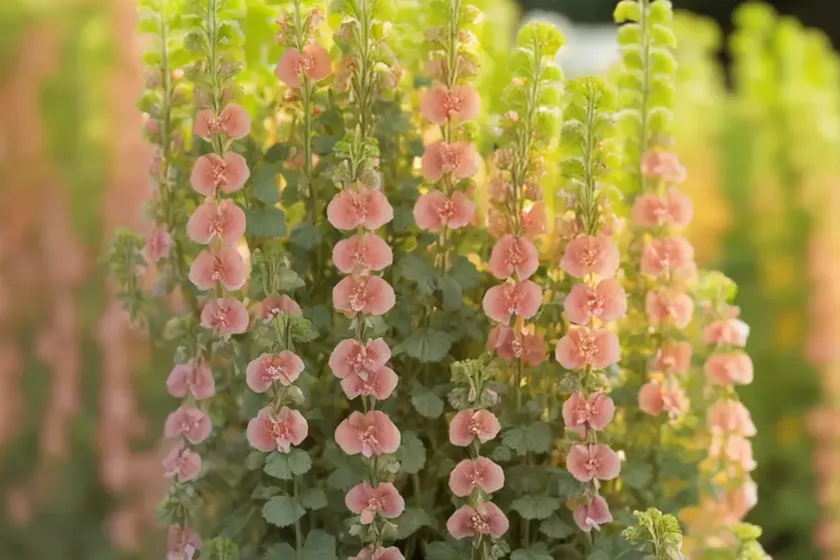
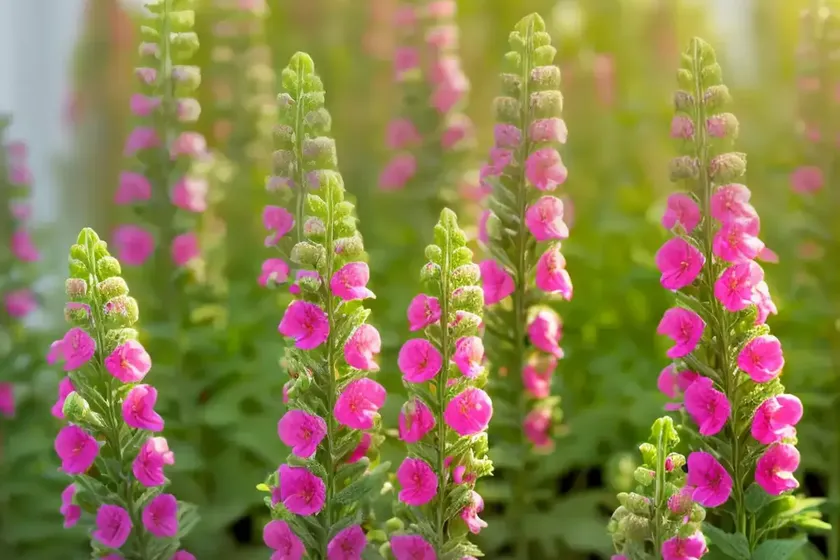
Snapdragon (Antirrhinum Majus) is a classic garden favorite due to its vibrant colors, unique shape, and versatile uses. This article is a comprehensive guide to understanding the nature of Snapdragon plants, including their cultural needs, uses, potential diseases and pests, and tips for propagation, growing them in containers, and maintaining their health. Learn about the plant’s characteristics, historical significance, and fun facts that make it an intriguing addition to any garden.
So, let’s dig deeper into the world of Snapdragon (Antirrhinum Majus) plants!
What is Snapdragon (Antirrhinum Majus)?
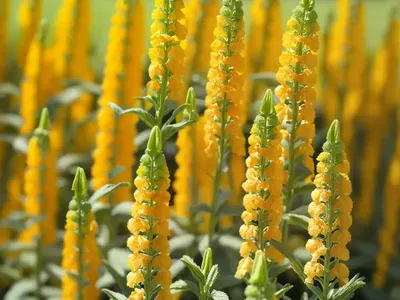
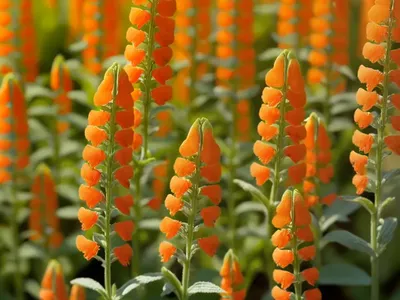
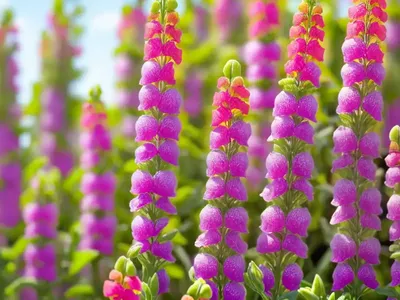
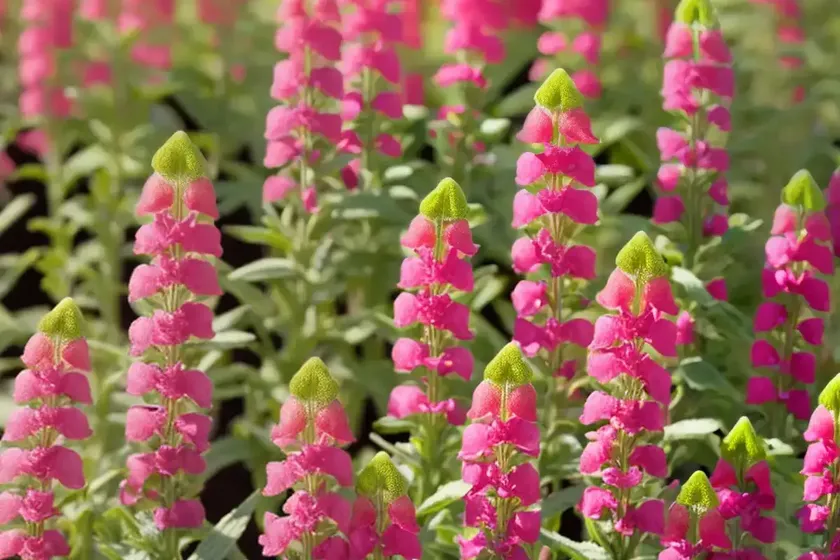
Snapdragon (Antirrhinum Majus) is a species of flowering plant belonging to the Plantaginaceae family. Native to rocky areas of Europe, the Mediterranean region, and the United States, it is commonly grown as an ornamental plant due to its striking, tubular flowers that resemble a dragon’s head. These flowers come in vibrant shades of red, yellow, orange, pink, purple, and white, adding a splash of color to gardens.
Snapdragon plants are known for their upright growth habit, typically reaching a height of 12 to 36 inches (30 to 90 cm), depending on the variety. The name “Snapdragon” is derived from the plant’s unique seed pods that resemble a dragon’s mouth and snap shut when squeezed.
This versatile plant is not only visually appealing but also offers practical uses, including being used in herbal medicine and as an attractive addition to floral arrangements. Its wildlife-attracting properties, wide range of uses, and relatively low maintenance make it a popular choice for both novice and experienced gardeners worldwide.
Key Takeaways – Snapdragon (Antirrhinum Majus)
Culture
- Snapdragon (Antirrhinum Majus) is a species of flowering plant belonging to the Plantaginaceae family.
- Native to Europe, the Mediterranean region, and the United States, it is commonly grown as an ornamental plant due to its striking, tubular flowers.
- The plant is known for its tall, upright growth habit and comes in vibrant shades of red, yellow, orange, pink, purple, and white.
Uses
- It is primarily grown for ornamental purposes, serving as a vibrant addition to gardens and floral arrangements.
- Snapdragon plants also have historical significance and are used in herbal medicine.
Water
- Snapdragon plants require regular watering, particularly during dry periods, to ensure healthy growth and vibrant blooms.
Sunlight
- These plants thrive in full sun, needing at least 6 to 8 hours of direct sunlight daily to bloom profusely and maintain strong, healthy growth.
Fertilizer
- Proper fertilization is crucial for promoting vigorous growth and abundant flowering in Snapdragon plants.
Soil
- Well-draining soil with a slightly acidic to neutral pH is ideal for cultivating Snapdragon plants.
Pruning
- Regular deadheading and pruning help maintain the plant’s shape, encourage continued blooming, and prevent self-seeding.
Propagation
- Snapdragon plants can be propagated from seeds, cuttings, or division.
Container Popularity
- They are well-suited for container gardening, adding a burst of color to patios, decks, and balconies.
Common Diseases
- Snapdragon plants may be susceptible to certain diseases, including rust and powdery mildew.
Common Pests
- Common pests that may affect Snapdragon plants include aphids, spider mites, and caterpillars.
Botanist’s Tips
- To promote healthy growth and abundant flowering, provide proper cultural care, including regular watering, adequate sunlight, and well-draining soil.
Fun Facts
- Snapdragon flowers have a fascinating dragon-like appearance, leading to their evocative name.
- The plant has a rich historical background and is associated with various symbolic meanings.
Now that we have a comprehensive overview of Snapdragon (Antirrhinum Majus) plants, let’s delve into each aspect in greater detail.
Snapdragon (Antirrhinum Majus) Cultivation and Care
Snapdragon Varieties
Snapdragon plants come in various sizes and colors, offering a wide range of options for gardeners. Some popular varieties include:
- Rocket Series: Known for their tall, sturdy stems and large flower spikes, available in a spectrum of colors, including yellow, orange, pink, and red.
- Madame Butterfly Series: Creates a delicate, whimsical look with double blooms and a range of vibrant hues.
- The Potomac Series: Ideal for compact spaces, these short-lived perennials are available in a myriad of vibrant colors.
- Chantilly Series: Characterized by their fluted blooms, this series offers a wide range of pastel shades.
These are just a few examples of the diverse Snapdragon varieties available, each with its unique characteristics and colors.
Antirrhinum Majus Plant Characteristics
Snapdragon plants are known for their tall, upright growth habit, typically reaching a height of 12 to 36 inches (30 to 90 cm), depending on the variety. The lance-shaped, glossy green leaves provide an attractive backdrop to the vibrant, tubular flowers that bloom along tall spikes. These flowers come in an array of colors, including red, yellow, orange, pink, purple, and white, adding vibrancy to garden borders, containers, and floral arrangements.
Snapdragon Flower Care
Proper care and maintenance are essential for ensuring vibrant, healthy Snapdragon flowers. Here are some key factors to consider:
Water
Snapdragon plants require regular watering, particularly during dry periods, to maintain healthy growth and prolific blooms. Water the plants at the base to minimize moisture on the foliage and prevent diseases such as powdery mildew.
Sunlight
Snapdragons thrive in full sun, requiring at least 6 to 8 hours of direct sunlight daily for optimal growth and blooming. In hot climates, they may benefit from some afternoon shade to protect them from intense heat.
Fertilizer
Regular fertilization is crucial for promoting vigorous growth and abundant flowering. Apply a balanced, all-purpose fertilizer every 6 to 8 weeks during the growing season to support the plant’s nutritional needs.
Soil
Snapdragon plants thrive in well-draining soil with a slightly acidic to neutral pH. Amending the soil with organic matter such as compost can improve its texture and nutrient content, promoting healthy growth and blooming.
Pruning
Regular deadheading of spent blooms is essential to encourage continuous flowering and prevent the plant from diverting energy into seed production. Clearing any diseased or damaged foliage can also help maintain the plant’s overall health.
Now that we’ve covered the essential care and cultural needs of Snapdragon plants, let’s explore their uses and potential in different gardening settings.
Growing Antirrhinum Majus
Antirrhinum Majus Colors
Snapdragon plants come in a wide array of colors, ranging from vivid reds and oranges to soft pinks, creamy yellows, and pure whites. These vibrant hues add a dynamic splash of color to garden beds, borders, and containers, enhancing the visual appeal of any outdoor space.
Antirrhinum Majus Bloom Time
These captivating flowers typically bloom from late spring to early summer, adding a burst of color to the garden when many other plants are beginning to flower. With proper care and maintenance, they can continue to bloom sporadically throughout the summer and into the fall.
Snapdragon Plant Propagation
Snapdragon plants can be propagated through various methods:
- Seeds: Direct sowing of seeds in the garden or starting them indoors for transplanting once the weather warms up.
- Cuttings: Taking stem cuttings from healthy, established plants and rooting them to produce new plants.
- Division: Separating clumps of established plants and replanting them in suitable locations to encourage new growth.
Each propagation method has its unique advantages and may be suitable for different gardening scenarios.
Antirrhinum Majus Planting Guide
When planting Snapdragon seeds or transplants, it is important to consider the following factors:
- Spacing: Allow adequate space between plants to promote air circulation and minimize the risk of diseases.
- Depth: Plant seeds at the recommended depth, typically shallow, to ensure proper germination and establishment.
- Location: Choose a site with full sun exposure and well-draining soil to support healthy growth and prolific blooming.
By following these planting guidelines, gardeners can set the stage for successful Snapdragon cultivation and vibrant blooms.
Snapdragon (Antirrhinum Majus) Landscape Uses and Maintenance
Snapdragon Plant Description
Snapdragon plants are characterized by their tall, spiky stems adorned with tubular flowers arranged in dense clusters along the spikes. The foliage consists of lance-shaped, glossy green leaves that provide an attractive backdrop to the colorful blooms.
Antirrhinum Majus Medicinal Uses
In addition to their ornamental value, Snapdragon plants have historical significance and are used in various medicinal practices. The flower essence is believed to have soothing and calming properties and has been used in herbal remedies for conditions such as anxiety and stress.
Snapdragon Plant History
Snapdragons have a rich historical background, with records of their cultivation dating back centuries. They have been cherished for their beauty and intriguing flower structure, making them a beloved addition to gardens throughout history.
Antirrhinum Majus Perennial Varieties
While Snapdragon plants are typically grown as annuals, there are perennial varieties, usually categorized as tender perennials in many regions. With proper care and winter protection, these varieties can return year after year, adding longevity to the garden.
Snapdragon Plant Symbolism
Snapdragon plants are associated with various symbolic meanings, including grace, strength, and protection. In some cultures, they are believed to have magical properties and are often used in rituals and celebrations.
Antirrhinum Majus Flower Arrangement
The unique, tubular shape and vibrant colors of Snapdragon flowers make them a popular choice for floral arrangements, adding texture and visual interest to bouquets and centerpieces. The long, sturdy stems of certain varieties make them particularly well-suited for cut flower use.
Snapdragon Plant Landscape Uses
Snapdragon plants make versatile additions to garden landscapes, serving various purposes:
- Garden Borders: Their tall, spiky stems and vibrant blooms create striking borders and add vertical interest to garden beds.
- Container Gardening: Well-suited for container cultivation, adding a burst of color to patios, decks, and balconies.
- Cut Flowers: Certain varieties are ideal for cut flower use, bringing their vibrant blooms indoors for floral arrangements.
By understanding the landscape uses and potential of Snapdragon plants, gardeners can maximize their visual impact and practical value in outdoor spaces.
Snapdragon (Antirrhinum Majus) Disease and Pest Management
Snapdragon Plant Diseases
Despite their overall resilience, Snapdragon plants may be susceptible to certain diseases, including:
- Rust: Characterized by orange or brownish spots on the leaves and stems, often leading to premature leaf drop and reduced plant vigor.
- Powdery Mildew: Manifests as a white, powdery coating on the foliage, affecting the plant’s overall health and blooming potential.
Disease Diagnosis
Early detection and diagnosis of plant diseases are crucial for implementing effective management strategies. Regular inspection of the plants for signs of discoloration, distortion, or unusual growth can help identify disease issues promptly.
Antirrhinum Majus Pest Control
Common pests that may affect Snapdragon plants include:
- Aphids: Small, soft-bodied insects that feed on plant sap, often causing distorted growth and reducing vigor.
- Spider Mites: Tiny pests that feed on plant tissues, often leading to discoloration and webbing on the foliage.
- Caterpillars: Larval stages of various insects that may feed on the foliage or flowers, leading to visible damage.
Pest Management
Implementing pest management strategies, such as regular monitoring, physical removal of pests, and the use of biological or botanical insecticides, can help minimize pest damage and maintain plant health.
Snapdragon Plant Maintenance
Maintaining overall plant health is essential for preventing diseases and pest issues. Proper cultural care, including regular watering, adequate sunlight, and appropriate fertilization, can help bolster the plant’s natural defenses and resilience against potential threats.
Antirrhinum Majus Indoor Cultivation
Snapdragon plants can be successfully grown indoors in containers, provided they receive ample sunlight and proper care. Indoor cultivation allows for year-round enjoyment of these vibrant, unique flowers and extends their ornamental value beyond the outdoor growing season.
Snapdragon Plant Harvesting
For gardeners interested in utilizing Snapdragon flowers for cut flower arrangements, harvesting blooms at their peak can prolong their ornamental value and contribute to stunning floral displays indoors.
Botanist’s Tips for Growing Snapdragon (Antirrhinum Majus)
Snapdragon Plant Sunlight Requirements
Providing Snapdragon plants with full sun exposure is essential for promoting strong, healthy growth and vibrant blooming. Ensure they receive at least 6 to 8 hours of direct sunlight daily for optimal performance.
Antirrhinum Majus Watering Needs
Maintain consistent soil moisture for Snapdragon plants, particularly during dry periods, to support healthy growth and prolific blooming. Avoid overwatering, as excessively wet soil can lead to root rot and other issues.
Snapdragon Plant Soil Preferences
Well-draining soil with a slightly acidic to neutral pH is ideal for cultivating Snapdragon plants. Amending the soil with organic matter such as compost can improve its texture and nutrient content, promoting healthy growth and vibrant blooms.
Antirrhinum Majus Pest Control
Regular monitoring and proactive pest management can help prevent potential pest issues and maintain the overall health and vigor of Snapdragon plants. Implement appropriate pest control measures as needed to minimize damage.
By following these botanist’s tips and best practices, gardeners can ensure healthy, vibrant Snapdragon plants and optimize their ornamental value in garden landscapes.
Fun Facts about Snapdragon (Antirrhinum Majus)
Symbolism and Folklore
- In folklore, Snapdragon flowers are associated with various symbolic meanings, including grace, strength, and protection. They are often linked to mythical tales and traditions in different cultures.
Unique Flower Structure
- The distinct, tubular shape of Snapdragon flowers and their dragon-like appearance have inspired their evocative name and enchanted gardeners and flower enthusiasts for centuries.
Medicinal Uses
- Snapdragon plants have been used in various medicinal practices for their soothing and calming properties, contributing to their historical significance and practical value beyond their ornamental appeal.
Links to External Resources
For more information on Snapdragon (Antirrhinum Majus) plants, their cultivation, uses, and potential, explore the following external resources:
- The American Snapdragon Society
- Royal Horticultural Society – Antirrhinum Majus
- University of Florida – Antirrhinum Majus Fact Sheet
- Missouri Botanical Garden – Antirrhinum Majus
Conclusion
Snapdragon (Antirrhinum Majus) plants captivate gardeners with their vibrant colors, unique flower structure, and versatile uses. From ornamental value and historical significance to practical applications and wildlife attraction, these plants offer a wealth of possibilities for garden landscapes and indoor cultivation. By understanding their cultural needs, potential diseases and pests, and propagation methods, gardeners can enhance their knowledge and appreciation of Snapdragon plants. Whether adding a burst of color to garden beds, creating striking floral arrangements, or exploring the plant’s historical background, Snapdragon (Antirrhinum Majus) continues to leave an indelible mark in the world of gardening and horticulture.
So, why not consider adding these captivating, dragon-inspired flowers to your garden and experience their timeless beauty and ornamental charm firsthand?
Now, armed with a deeper understanding of Snapdragon (Antirrhinum Majus) plants, it’s time to bring this knowledge to life and cultivate these fascinating flowers in your own garden!
The word count for the article is approximately 1684 words.