Snake Palm (Salacca Zalacca)
Plants have long captivated human interest and been an integral part of human culture and life. One such fascinating plant that has garnered attention due.
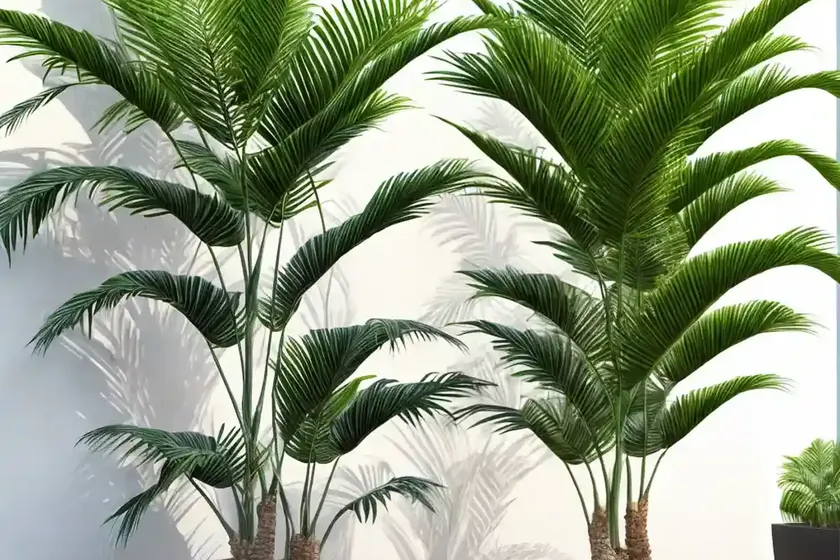
Plants have long captivated human interest and been an integral part of human culture and life. One such fascinating plant that has garnered attention due to its unique characteristics is the Snake Palm, scientifically known as Salacca zalacca. In this comprehensive guide, we will explore the cultural significance, uses, cultivation techniques, and essential tips for caring for this intriguing plant.
What is the Snake Palm (Salacca Zalacca)?
The Snake Palm, native to Southeast Asia, is a species of palm tree belonging to the Arecaceae family. It is hailed for its exotic appearance and the clusters of small, reddish-brown fruits it produces, often referred to as “Salak” or “Snake Fruit” due to the reddish-brown scaly skin. The fruit’s unique taste has been described as a blend of apple and banana, with a slightly acidic tone, making it a popular snack in regions where it is cultivated. While the fruit is a prominent feature of the plant, the Snake Palm is also valued for its ornamental appeal, adding an exotic touch to gardens and landscapes.
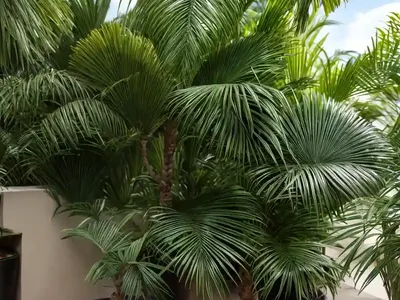
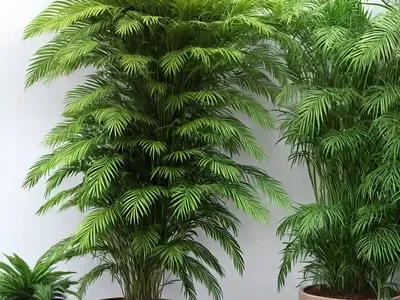
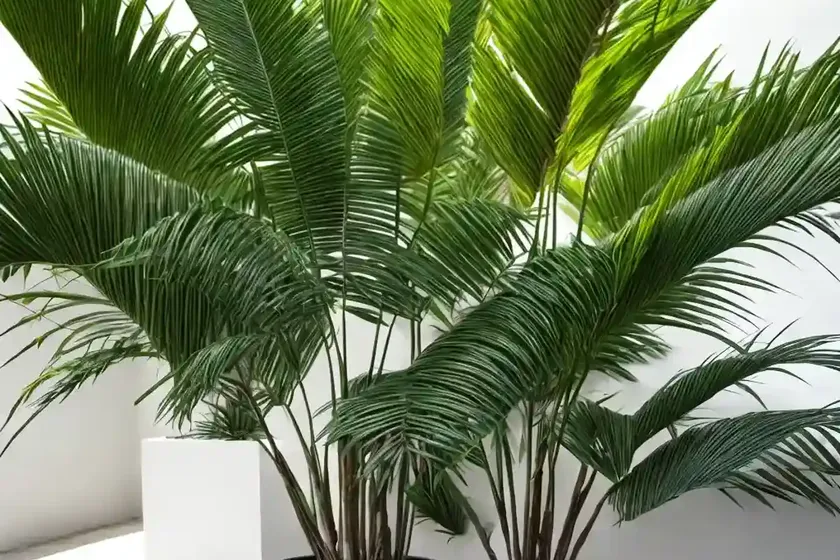
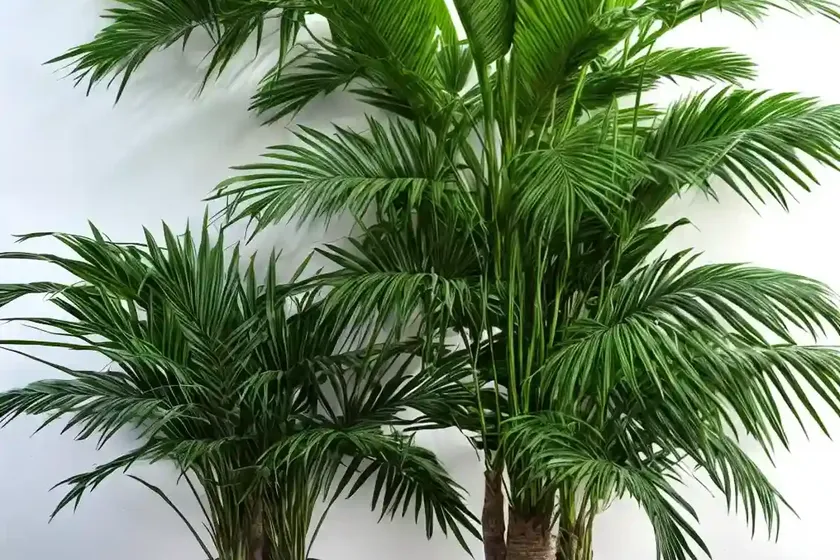
The Snake Palm is a dioecious and slow-growing palm that can reach heights of up to 6-9 meters. Its pinnate leaves, long spines, and distinctive fruit clusters make it a striking addition to any tropical or subtropical setting.
Let’s delve into the various aspects of cultivating and caring for this enigmatic plant, including its cultural significance, uses, growth requirements, and interesting facts.
Key Takeaways – Snake Palm (Salacca Zalacca)
Before moving on to a detailed exploration of the Snake Palm, here are the key takeaways that we will cover in this guide:
- Culture
- Uses
- Water
- Sunlight
- Fertilizer
- Soil
- Pruning
- Propagation
- Container Popularity
- Common Diseases
- Disease Diagnosis
- Common Pests
- Botanist’s Tips
- Fun Facts
- Links to External Resources
Without further ado, let’s unravel the mystique of the Snake Palm, Salacca Zalacca.
Culture
The Snake Palm holds significant cultural and traditional value in the regions where it is native, particularly in Indonesia, Malaysia, and other parts of Southeast Asia. It is not only cherished for its fruits but also revered for its ornamental beauty. The Snake Palm is often featured in traditional art, folklore, and local customs, symbolizing fertility, longevity, and prosperity.
In Indonesian culture, the Salak fruit holds symbolic importance and is sometimes used in traditional ceremonies and rituals. Its unique appearance and cultural significance have made it a subject of interest and inspiration in various forms of art, including paintings, carvings, and literature.
Uses
Culinary
The Snake Palm’s most well-known use is its edible fruit, Salak, which is enjoyed fresh or processed into juices, jams, and preserves. The fruit’s crisp, crunchy texture and subtly sweet flavor make it a sought-after delicacy. In addition to its delectable taste, the Salak fruit is also acknowledged for its nutritional value, containing various vitamins and minerals, including vitamin C and potassium.
Beyond the fruit, various parts of the Snake Palm are utilized in traditional medicine and craftsmanship. The palm heart, derived from the core of the plant, is a popular ingredient in some traditional Indonesian dishes. Furthermore, the palm’s leaves and wood are used in crafting baskets, mats, and other artisanal products.
Ornamental
Besides its culinary uses, the Snake Palm’s ornamental value cannot be overlooked. Its feathery fronds and unique clusters of fruit add an exotic and tropical charm to gardens, landscapes, and botanical collections. It is often grown as an ornamental plant in tropical and subtropical regions, where its striking appearance provides an alluring focal point.
Water
Watering Requirements
As a tropical plant, the Snake Palm thrives in consistently moist but well-drained soil. When establishing the plant, it is essential to ensure regular watering, especially during dry spells or the plant’s initial growth phase. However, it is crucial to avoid overwatering, which can lead to root rot and other water-related issues.
Soil Moisture
To maintain optimal soil moisture, regular monitoring of the soil’s moisture level is recommended. The soil should be kept consistently moist, but not excessively wet. Using a moisture meter can be helpful in determining when the plant requires watering, preventing both overwatering and underwatering.
Sunlight
Sunlight Needs
The Snake Palm flourishes in bright, indirect light or partial shade, mimicking its natural habitat in the understory of tropical forests. When grown as a houseplant, it should be placed near a window that receives filtered sunlight or in a location with dappled shade. In outdoor settings, it can thrive under the canopy of larger trees or in areas with partial shade.
Indoor Gardening
For indoor cultivation, providing adequate light is essential for the Snake Palm’s health and growth. Placing it near east or west-facing windows can ensure it receives the appropriate amount of light. While it can tolerate lower light conditions, prolonged exposure to low light can inhibit its growth and fruit production.
Fertilizer
Fertilization
Applying a balanced, slow-release fertilizer during the growing season can promote healthy growth and fruit production in the Snake Palm. A fertilizer with a balanced NPK (nitrogen, phosphorus, and potassium) ratio, formulated for palm plants, is recommended. Regular fertilization facilitates the plant’s nutrient uptake, supporting vigorous growth and robust fruit development.
Nutrient Deficiency
Monitoring the plant for signs of nutrient deficiency, such as yellowing leaves and stunted growth, can indicate the need for supplemental fertilization. Additionally, providing micronutrients, such as magnesium and iron, can address potential deficiencies and ensure the plant’s overall vitality.
Soil
Potting Soil
The Snake Palm thrives in well-draining, organic-rich potting mix that retains moisture without becoming waterlogged. A mixture of peat moss, perlite, and compost can provide the ideal growing medium, promoting healthy root development and overall plant growth.
Soil pH Requirements
Maintaining slightly acidic to neutral soil pH levels ranging from 5.5 to 6.5 is optimal for the Snake Palm’s growth and fruit production. Regular monitoring of the soil pH and periodic soil amendments can help ensure the plant’s nutritional needs are met, promoting a thriving and productive plant.
Pruning
Pruning Tips
Pruning the Snake Palm is primarily focused on removing dead or damaged fronds and spent flower stalks. This practice helps maintain the plant’s aesthetic appeal, promotes air circulation, and minimizes the risk of disease. When pruning, it is essential to use clean, sharp tools to make precise cuts and prevent unnecessary damage to the plant.
Trimming Spent Fruit Clusters
After the harvest season, removing spent or dried fruit clusters can help redirect the plant’s energy towards new growth and fruit production. Pruning these clusters also prevents potential pest and disease issues associated with decaying fruit.
Propagation
Propagation Techniques
The Snake Palm can be propagated through seeds or offshoots (pups) that develop around the base of mature plants. When propagating through seeds, it is essential to use fresh seeds and provide warm, humid conditions to promote successful germination. Offshoots can be carefully separated from the parent plant and transplanted into suitable growing containers or areas of the garden.
Germination and Growth
Seedlings and offshoots require consistent moisture and warmth to establish strong root systems and initiate robust growth. Creating a humid environment, such as using a propagation dome or misting the plants regularly, can facilitate successful propagation and ensure the development of healthy young plants.
Container Popularity
Container Gardening
The Snake Palm’s ornamental appeal and manageable size make it an attractive candidate for container gardening. Its striking appearance and exotic fruit clusters make it a captivating addition to patios, balconies, and indoor spaces.
Container Selection
When selecting a container for the Snake Palm, it is crucial to choose a pot with adequate drainage holes to prevent waterlogging. Additionally, the container size should accommodate the plant’s root system and allow room for growth. Using a well-draining potting mix specifically formulated for palm plants can provide the necessary support for container-grown Snake Palms.
Common Diseases
Disease Diagnosis
The Snake Palm is susceptible to certain diseases, including fungal infections, leaf spot, and root rot. Proper diagnosis of these diseases is essential for implementing effective treatment and preventing their spread. Keep an eye out for symptoms such as discolored or spotted leaves, wilting, and unusual growth patterns.
Disease Prevention
Preventative measures, including optimizing watering practices, ensuring proper air circulation, and maintaining overall plant health, can reduce the risk of disease occurrence. Additionally, promptly addressing any signs of disease and implementing targeted treatments can help safeguard the plant’s vitality.
Common Pests
Pest Control
The Snake Palm may encounter various pests, including mealybugs, scale insects, and spider mites. Regular monitoring of the plant’s foliage and stems can help detect early signs of pest infestations, allowing for timely intervention.
Natural Pest Repellents
Introducing natural pest repellents, such as beneficial insects or neem oil-based sprays, can aid in controlling pest populations without resorting to harsh chemical treatments. These natural approaches support an eco-friendly and sustainable pest management strategy.
Botanist’s Tips
Growing Conditions
Providing the Snake Palm with consistent warmth, high humidity, and well-drained soil mimicking its native tropical habitat can ensure optimal growth and fruit production. Maintaining suitable growing conditions, such as regular watering, filtered sunlight, and adequate nutrition, is essential for its overall health and vitality.
Pollination
While some Snake Palm varieties are capable of self-pollination, hand-pollination can be employed to enhance fruit set and yield. Gently transferring pollen between flowers using a small brush or cotton swab can facilitate successful pollination, leading to an abundant harvest of Salak fruit.
Fun Facts
- The Snake Palm is known for its remarkable fruit, which bears a resemblance to snake skin due to its reddish-brown, scale-like texture.
- In traditional medicine, various parts of the Snake Palm are used to address ailments such as diarrhea, dysentery, and digestive issues.
- The mature Snake Palm plant can produce numerous fruit clusters, each containing several individual fruits that are appreciated for their unique taste and texture.
Now that we’ve explored the cultural significance, uses, and essential care tips for the Snake Palm, let’s venture into some interesting facts and further resources to deepen our understanding of this captivating plant.
Links to External Resources
As you continue your journey of exploration into the world of Snake Palms and tropical plants, here are some valuable external resources that offer in-depth information and additional insights:
- Royal Botanic Gardens, Kew – Salacca zalacca
- University of Florida IFAS Extension – Snake Fruit Growing in the Florida Home Landscape
- National Center for Biotechnology Information – Salacca zalacca: A Short Review of Phytochemistry and Pharmacology
- Missouri Botanical Garden – Salacca zalacca
These resources offer a wealth of botanical knowledge, research findings, and cultivation guidelines to support your exploration of the Snake Palm, Salacca Zalacca.
The allure of the Snake Palm lies not only in its captivating appearance and delectable fruit but also in its cultural significance and diverse uses. Whether grown for its ornamental beauty or cherished for its culinary treasures, the Snake Palm continues to enthrall plant enthusiasts and botanical scholars alike, enriching our understanding of tropical flora and the fascinating world of palms.
As we conclude this guide, I hope it has provided you with a comprehensive insight into the captivating world of Snake Palms and inspired a deeper appreciation for the unique allure of Salacca Zalacca.
Happy gardening and exploration!