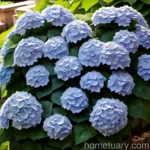
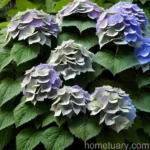
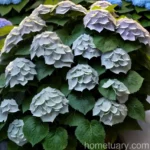
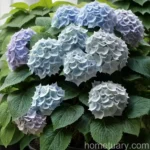
Smooth Hydrangea (Hydrangea arborescens ‘Ryan Gainey’)
Hydrangea arborescens, commonly known as smooth hydrangea, is a deciduous shrub with stunning ornamental appeal. The ‘Ryan Gainey’ cultivar of this plant is particularly renowned for its unique characteristics, making it a highly sought-after addition to gardens and landscapes. In this comprehensive guide, we will explore every aspect of the smooth hydrangea (Hydrangea arborescens ‘Ryan Gainey’), from its cultural requirements to its common pests and diseases. Whether you are a seasoned horticulturist or a gardening enthusiast, this article aims to equip you with in-depth knowledge about this remarkable plant.
What is Smooth Hydrangea (Hydrangea arborescens ‘Ryan Gainey’)?
Smooth hydrangea, scientifically known as Hydrangea arborescens, is a species of flowering plant in the Hydrangeaceae family. Native to the eastern United States, this shrub is characterized by its large, showy flower heads and serrated, ovate leaves. The ‘Ryan Gainey’ cultivar is a specific variety of the Hydrangea arborescens species, named after the renowned American horticulturist Ryan Gainey.
The ‘Ryan Gainey’ cultivar is distinguished by its exceptional traits, including unique flower colors, growth habits, and disease resistance. With its outstanding ornamental features, it has become a favorite among gardeners and landscapers looking to add charm and visual interest to their outdoor spaces.
Key Takeaways – Smooth Hydrangea (Hydrangea arborescens ‘Ryan Gainey’)
Before delving into the specific aspects of smooth hydrangea cultivation and maintenance, let’s highlight some key takeaways about this remarkable plant:
-
Smooth Hydrangea Variety: The ‘Ryan Gainey’ cultivar is a distinct variety of Hydrangea arborescens, celebrated for its exceptional ornamental qualities.
-
Cultural Uses: Smooth hydrangea is commonly utilized in landscaping and gardening to add visual appeal, create focal points, and enhance the aesthetic allure of outdoor spaces.
-
Water: Adequate and consistent moisture is essential for the healthy growth and flowering of smooth hydrangea, especially during the establishment phase and periods of drought.
-
Sunlight: While smooth hydrangea can tolerate partial shade, it thrives in locations with dappled sunlight or morning sun with afternoon shade.
-
Fertilizer: Controlled-release fertilizers or organic amendments can be used to nourish smooth hydrangea, promoting robust growth and abundant flowering.
-
Soil: Well-draining, nutrient-rich soils with a slightly acidic to neutral pH provide an ideal growing medium for smooth hydrangea.
-
Pruning: Proper pruning techniques are essential to maintain the plant’s shape, remove dead wood, and encourage vigorous blooming.
-
Propagation: Smooth hydrangea can be propagated through various methods, including softwood cuttings and division, enabling gardeners to expand their plant collection.
-
Container Popularity: Due to its manageable size and striking aesthetics, smooth hydrangea is a popular choice for container gardening and patio displays.
-
Common Diseases: This cultivar exhibits impressive disease resistance, reducing the susceptibility to common hydrangea ailments such as powdery mildew.
-
Common Pests: While relatively resistant to pests, smooth hydrangea may encounter occasional infestations from aphids, spider mites, or scale insects.
-
Botanist’s Tips: Incorporating expert tips and insights from botanists can enhance the success of cultivating and caring for smooth hydrangea, ensuring optimal performance and longevity.
-
Fun Facts: Exploring intriguing and lesser-known facts about smooth hydrangea adds an element of fascination to the gardening experience, deepening appreciation for this remarkable plant.
By comprehensively addressing these key takeaways, we will unravel the intricacies of cultivating and nurturing smooth hydrangea, empowering enthusiasts to foster healthy and vibrant plant specimens.
Cultivation of Smooth Hydrangea (Hydrangea arborescens ‘Ryan Gainey’)
Cultivating smooth hydrangea involves understanding and implementing specific cultural practices to support its growth, development, and overall well-being. From addressing its water and sunlight requirements to choosing appropriate fertilizers and soil, every aspect plays a crucial role in ensuring the plant’s vitality and ornamental value.
Water
The appropriate management of water is essential for the successful cultivation of smooth hydrangea. Adequate moisture levels sustain the plant’s physiological processes, support root establishment, and contribute to robust flowering. Here are the key considerations for watering smooth hydrangea:
-
Establishment Phase: During the initial stages after planting, it is crucial to provide consistent moisture to facilitate root development. Regular watering, especially in the absence of adequate rainfall, promotes the plant’s acclimatization to its new environment.
-
Drought Periods: During dry spells or periods of reduced rainfall, supplemental watering is necessary to prevent the soil from drying out excessively. Deep, infrequent watering is preferable to frequent, shallow irrigation, as it encourages the development of a strong and resilient root system.
-
Soil Moisture: Regularly assessing the soil moisture level is vital, as excessive waterlogging or prolonged dryness can adversely impact the plant’s health. Well-draining soils that retain moisture without becoming waterlogged are ideal for smooth hydrangea cultivation.
-
Mulching: Applying a layer of organic mulch around the base of the plant helps conserve soil moisture, regulate temperature, and suppress weed growth. This practice is particularly beneficial during hot and dry weather conditions.
Sunlight
Smooth hydrangea exhibits a degree of versatility in its lighting requirements, tolerating different levels of sunlight. Understanding its preferences and adapting to its needs can significantly influence the plant’s growth and flowering performance:
-
Partial Shade: While smooth hydrangea can thrive in partial shade, it typically displays the best growth and flowering when provided with dappled sunlight or filtered shade. Morning sun with afternoon shade is an ideal lighting scenario for this cultivar, as it balances the need for light exposure and protection from intense afternoon sun.
-
Leaf Scorch: Prolonged exposure to direct, intense sunlight can lead to leaf scorch, a condition characterized by the browning and drying of foliage. To prevent leaf scorch, especially in regions with high summer temperatures, providing adequate shade or protection during the hottest part of the day is recommended.
-
Adaptation: Smooth hydrangea is adaptable to different light conditions, allowing it to thrive in various environmental settings. Understanding the specific sunlight patterns in the intended planting area can aid in selecting the most suitable location for optimal growth and visual impact.
The right balance of sunlight and shade ensures that smooth hydrangea receives the necessary energy for photosynthesis while avoiding stress and potential damage from excessive sun exposure.
Fertilizer
Proper fertilization practices contribute to the overall health, vigor, and flowering capacity of smooth hydrangea. The judicious application of fertilizers, whether inorganic or organic, supports the plant’s nutritional requirements and encourages robust growth. Here’s a comprehensive overview of fertilizing smooth hydrangea:
-
Nutrient Requirements: Smooth hydrangea benefits from a balanced supply of essential nutrients, including nitrogen, phosphorus, potassium, and micronutrients. These nutrients support leaf development, flower production, and overall vitality.
-
Controlled-Release Fertilizers: Formulations with controlled-release properties offer a gradual and sustained nutrient supply, reducing the frequency of application and achieving consistent results. Such fertilizers are especially convenient for busy gardeners seeking a low-maintenance approach to plant nutrition.
-
Organic Amendments: Incorporating organic fertilizers, such as well-rotted compost, aged manure, or composted plant materials, enriches the soil structure and provides a slow-release source of nutrients. Organic amendments also improve soil fertility and promote beneficial microbial activity in the root zone.
-
Application Timing: Fertilizers can be applied in early spring as new growth emerges, followed by additional applications during the growing season, if necessary. Avoiding excessive fertilization is important, as it can lead to imbalanced nutrient uptake and potential adverse effects on the plant.
-
Soil Testing: Conducting soil tests to assess the existing nutrient levels and pH can guide the appropriate selection and application of fertilizers, ensuring that the plant’s requirements are met without causing nutrient imbalances or soil acidity issues.
Strategically incorporating fertilizers and organic matter into the soil profile supports the long-term health and vigor of smooth hydrangea, contributing to lush foliage and abundant, vibrant blooms.
Soil
The selection of an appropriate growing medium is pivotal in providing a conducive environment for smooth hydrangea to flourish. Understanding the soil preferences and making necessary amendments can optimize the plant’s growth potential. Here are the soil-related considerations for cultivating smooth hydrangea:
-
Drainage: Well-draining soils prevent waterlogging and facilitate air movement around the roots, promoting a healthy root system. If the native soil has poor drainage, incorporating organic matter or creating raised beds can improve the soil structure.
-
pH Level: Smooth hydrangea thrives in slightly acidic to neutral soils, with a pH range of approximately 5.5 to 7.0. Soil acidity influences hydrangea flower color, making it an important factor for gardeners aiming to achieve specific bloom hues.
-
Amendments: Adding organic matter, such as compost, peat moss, or well-rotted manure, enhances soil fertility, texture, and moisture retention. Organic amendments also contribute to beneficial microbial activity and nutrient availability in the root zone.
-
Soil Testing: Periodic soil testing provides insights into the soil’s composition, nutrient levels, and pH, guiding the appropriate adjustments and amendments to create an optimal growing environment for smooth hydrangea.
-
Mulching: Applying a layer of organic mulch around the base of the plant regulates soil temperature, conserves moisture, and suppresses weed growth. Mulching also gradually enriches the soil as it decomposes, contributing to long-term soil health.
By addressing the water, sunlight, fertilizer, and soil needs of smooth hydrangea, gardeners can establish a conducive growing environment that supports the plant’s vitality and aesthetic appeal.
Pruning Smooth Hydrangea (Hydrangea arborescens ‘Ryan Gainey’)
Pruning plays a crucial role in shaping the growth habit, enhancing flowering, and maintaining the overall appearance of smooth hydrangea. Understanding the appropriate pruning techniques and timings is essential for promoting a healthy and well-structured plant. Here are the key aspects of pruning smooth hydrangea:
-
Pruning Time: The best time to prune smooth hydrangea is in late winter to early spring, before the new growth emerges. This allows for the removal of dead or damaged wood and sets the stage for robust new growth and flowering.
-
Pruning Goals: Pruning objectives include shaping the plant, thinning out crowded or crossing branches, and rejuvenating older specimens. Removing spent flower heads after blooming also encourages the development of new blooms.
-
Pruning Technique: Using clean and sharp pruning tools, such as bypass pruners or loppers, ensures precise cuts and minimizes the risk of injury to the plant. Cutting back to a pair of healthy buds or to the base of the stem promotes vigorous regrowth.
-
Rejuvenation Pruning: In the case of mature or overgrown plants, rejuvenation pruning can be employed to renew the plant’s vigor and structure. This involves cutting back the stems to a few inches above the ground to stimulate fresh growth.
-
Deadheading: Removing faded or spent flowers not only maintains the plant’s aesthetic appeal but also redirects energy towards new growth and additional flower production.
-
Diseased Wood Removal: Pruning presents an opportunity to inspect the plant for signs of disease or pest damage, allowing for the targeted removal of affected wood to prevent the spread of issues.
By adopting proper pruning practices, gardeners can enhance the visual attractiveness, flowering abundance, and overall health of smooth hydrangea, ensuring that it remains a stunning focal point in the landscape.
Propagation Methods for Smooth Hydrangea (Hydrangea arborescens ‘Ryan Gainey’)
The ability to propagate smooth hydrangea through various methods provides gardeners with the opportunity to expand their plant collection, share specimens with others, and rejuvenate older or less vigorous plants. Understanding the techniques and considerations for propagation can enhance the accessibility and availability of this sought-after cultivar. Here are the primary methods for propagating smooth hydrangea:
-
Softwood Cuttings: Softwood cuttings, taken from the current season’s growth, offer a reliable means of propagating smooth hydrangea. Selecting healthy, non-flowering shoots and treating them with rooting hormone promotes the development of new roots.
-
Division: Mature smooth hydrangea plants can be divided into separate sections, each with its own root system and growing points. This allows gardeners to rejuvenate overcrowded plants or multiply favored specimens.
-
Layering: Air layering or ground layering enables gardeners to encourage the formation of roots on selected branches while still attached to the parent plant. Once the rooted layer is established, it can be separated and transplanted to a new location.
-
Propagation Timing: Propagation is typically performed in the spring or early summer, during the plant’s active growth phase, to take advantage of the natural vigor and capacity for root development.
-
Optimal Conditions: Maintaining warm, humid conditions and providing gentle bottom heat can expedite the rooting process, increasing the success rate of propagated cuttings or divisions.
-
Care of New Plants: Newly propagated smooth hydrangea plants require careful attention to watering, protection from intense sunlight, and gradual acclimatization to their new environment to ensure their successful establishment.
By embracing the art of propagation, gardeners can propagate cherished smooth hydrangea specimens, share their beauty with others, and perpetuate the legacy of this exceptional cultivar.
Container Gardening with Smooth Hydrangea (Hydrangea arborescens ‘Ryan Gainey’)
The manageable size, striking aesthetics, and adaptability of smooth hydrangea make it a versatile choice for container gardening. Whether displayed on patios, terraces, or in urban settings, this cultivar brings elegance and charm to container arrangements. Here are the key considerations for cultivating smooth hydrangea in containers:
-
Container Selection: Choosing spacious containers with adequate drainage holes ensures that the roots have sufficient room to grow and access to oxygen. Selecting containers made of durable materials, such as terracotta, fiberglass, or treated wood, supports the long-term health of the plant.
-
Growing Medium: Well-draining and nutrient-rich potting mixes provide an optimal growing medium for smooth hydrangea in containers. Adding perlite or coarse sand to the mix enhances aeration and prevents waterlogged conditions.
-
Watering: Container-grown smooth hydrangea often requires more frequent watering than plants in the ground, as the limited soil volume dries out more rapidly. Regular monitoring of moisture levels and adjusting the watering frequency accordingly maintains the plant’s health and vigor.
-
Sunlight: Positioning the containers in locations with dappled sunlight or morning sun with afternoon shade creates an ideal environment for smooth hydrangea to thrive. Protection from hot, direct afternoon sun prevents potential leaf scorch and dehydration.
-
Fertilization: Incorporating controlled-release fertilizers or organic amendments into the potting mix supports the plant’s nutritional needs, reducing the frequency of additional fertilization during the growing season.
-
Winter Protection: In regions with harsh winter conditions, insulating the containers or relocating them to sheltered areas can safeguard the plants from potential frost damage.
Cultivating smooth hydrangea in containers allows gardeners to enjoy its beauty and elegance in smaller spaces, extending its ornamental versatility beyond traditional garden beds and borders.
Popularity of Smooth Hydrangea (Hydrangea arborescens ‘Ryan Gainey’)
The ‘Ryan Gainey’ cultivar of smooth hydrangea has garnered significant popularity among gardening enthusiasts, landscape designers, and horticultural professionals. Its distinct attributes, resilience, and captivating aesthetics have contributed to its elevated status in the gardening world. Here’s a closer look at the factors contributing to the cultivar’s popularity:
-
Ornamental Appeal: The large, showy flower heads of ‘Ryan Gainey’ smooth hydrangea, coupled with its lustrous foliage, create a striking visual impact in any landscape. Its ability to attract attention and evoke a sense of charm has endeared it to gardeners seeking captivating focal points.
-
Versatility: From traditional garden settings to contemporary urban landscapes, smooth hydrangea effortlessly adapts to various design styles and lends itself to diverse gardening applications. Its versatility in both form and function enhances its desirability among landscape designers and garden enthusiasts.
-
Low Maintenance: The ‘Ryan Gainey’ variety exhibits commendable disease resistance and overall resilience, reducing the maintenance demands typically associated with other hydrangea cultivars. Its ability to thrive with minimal intervention appeals to gardeners seeking rewarding, low-maintenance plants.
-
Seasonal Interest: The long-lasting, colorful blooms of smooth hydrangea, coupled with its appealing foliage, contribute to its year-round appeal. The transition of flower colors and the eventual persistence of dried flower heads extend its ornamental interest throughout the seasons.
-
Wildlife Attraction: The nectar-rich flowers of smooth hydrangea attract pollinators, such as bees, butterflies, and hummingbirds, adding ecological value to its ornamental presence. Its role in supporting local wildlife populations enhances its appeal to environmentally conscious gardeners.
The popularity of ‘Ryan Gainey’ smooth hydrangea is a testament to its enduring charm, ease of cultivation, and captivating allure, cementing its status as a beloved ornamental plant.
Common Diseases and Disease Resistance
The ‘Ryan Gainey’ cultivar of smooth hydrangea exhibits remarkable disease resistance, offering gardeners a robust and resilient plant that requires minimal intervention to maintain its health. By understanding its inherent resistance and potential disease concerns, gardeners can effectively safeguard the plant’s vitality. Here are insights into common diseases and the disease resistance of smooth hydrangea:
Disease Resistance
-
Powdery Mildew: Smooth hydrangea, and the ‘Ryan Gainey’ variety in particular, displays noteworthy resistance to powdery mildew, a fungal disease that can affect other hydrangea species. This resistance minimizes the risk of unsightly fungal growth on the foliage, promoting a cleaner and healthier appearance.
-
Botrytis Blight: The ‘Ryan Gainey’ cultivar exhibits resilience to botrytis blight, a fungal condition that can cause flower and stem damage in susceptible plant species. The cultivar’s inherent resistance reduces the likelihood of botrytis-related issues, contributing to its low-maintenance appeal.
Common Pests
-
Aphids: While relatively resistant to pests, smooth hydrangea may occasionally encounter aphid infestations, resulting in the presence of small, sap-sucking insects on the foliage. Timely intervention with insecticidal soap or horticultural oils can effectively manage aphid populations and prevent potential damage.
-
Spider Mites: Limited susceptibility to spider mites, common pests that inflict damage by feeding on plant tissues, reduces the likelihood of infestations impacting the health and aesthetics of smooth hydrangea. Regular monitoring and prompt mitigation efforts can address any potential pest concerns.
-
Scale Insects: The ‘Ryan Gainey’ cultivar demonstrates notable resilience to scale insects, diminutive pests