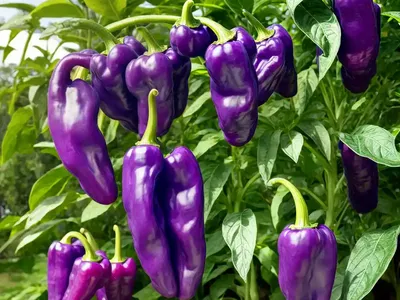
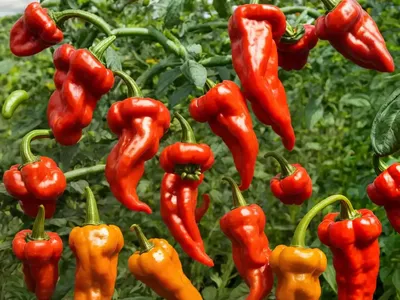
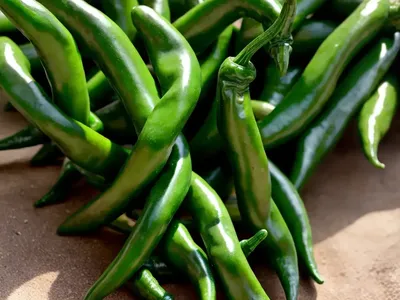
Habanero Type Pepper (Capsicum Chinense)
Habanero Type Pepper, scientifically known as Capsicum chinense, is a fascinating and popular plant among gardening and culinary enthusiasts. The Habanero.
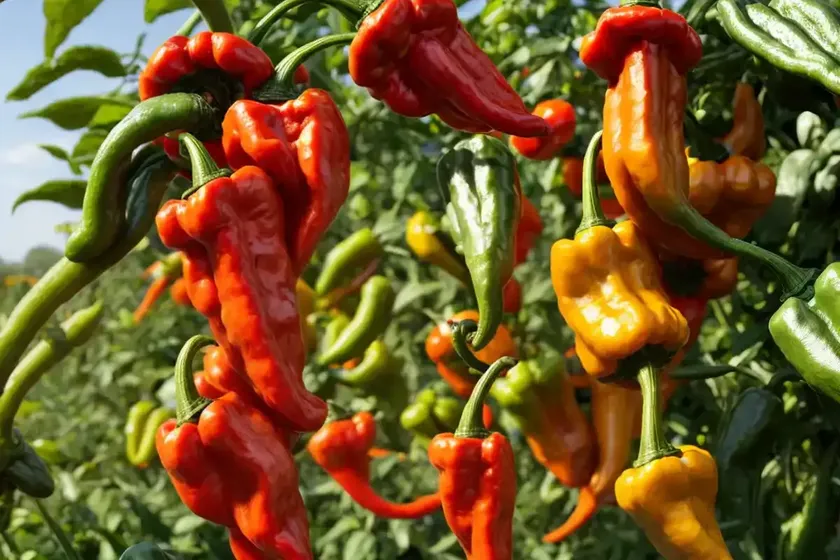
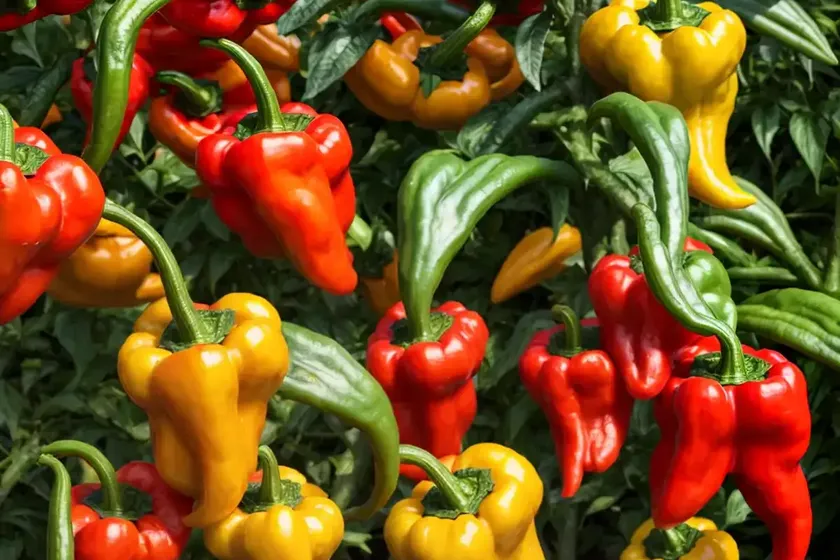
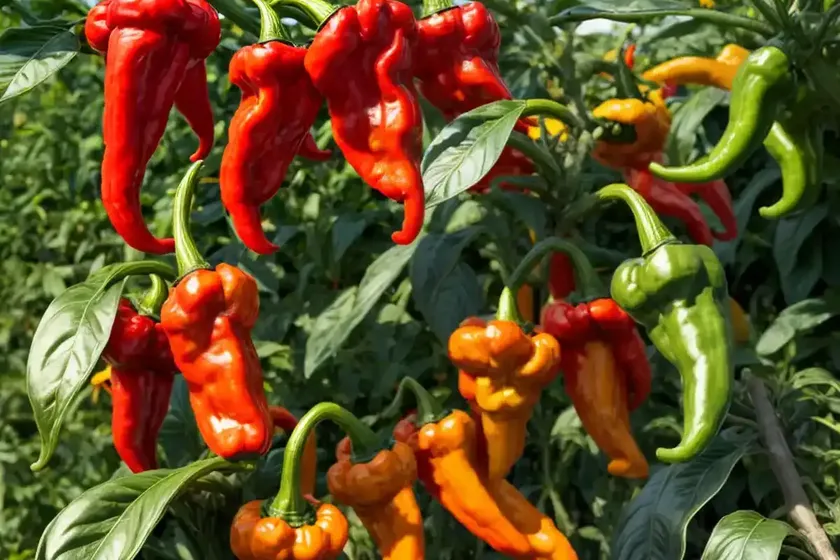
Habanero Type Pepper, scientifically known as Capsicum chinense, is a fascinating and popular plant among gardening and culinary enthusiasts. The Habanero pepper is cherished for its distinct flavor, intense heat, and various culinary applications. In this comprehensive guide, we will explore every aspect of the Habanero Type Pepper, including its culture, uses, cultivation requirements, common diseases, pest control, and much more. Whether you are a seasoned horticulturist or a novice plant enthusiast, this guide will provide you with valuable insights into the world of Habanero Type Pepper.
What is Habanero Type Pepper (Capsicum chinense)?
Capsicum chinense, commonly known as Habanero Type Pepper, is a species of chili pepper native to the Americas, particularly the Yucatan region of Mexico. It is a member of the nightshade family, Solanaceae, which also includes other well-known plants such as tomatoes, potatoes, and eggplants. The Habanero pepper is renowned for its exceptional heat, scoring between 100,000 to 350,000 units on the Scoville scale, making it significantly hotter than many other chili pepper varieties.
Key Takeaways – Habanero Type Pepper (Capsicum chinense)
Before delving into the specifics of cultivating and caring for Habanero Type Pepper, let’s take a look at the key takeaways associated with this intriguing plant. The following points will serve as an outline for our exploration of Habanero Type Pepper:
- Culture
- Uses
- Water
- Sunlight
- Fertilizer
- Soil
- Pruning
- Propagation
- Container Popularity
- Common Diseases
- Common Pests
- Botanist’s Tips
- Fun Facts
- Links to External Resources
Now, let’s delve deeper into each of these key aspects of Habanero Type Pepper to gain a comprehensive understanding of this fascinating plant.
Culture
The culture of Habanero Type Pepper refers to the customs, practices, and traditions associated with its cultivation and use. Understanding the cultural significance of Habanero Type Pepper is essential for appreciating its role in various culinary traditions and horticultural practices. This section will explore the cultural aspects of Habanero Type Pepper, shedding light on its historical and contemporary significance.
Uses
The uses of Habanero Type Pepper are multifold, ranging from culinary applications to medicinal properties. This section will delve into the diverse uses of Habanero peppers and their significance in different cuisines and traditional medicine. By understanding the various uses of Habanero Type Pepper, enthusiasts can better appreciate its versatility and value.
Water
Proper watering is essential for the health and vitality of Habanero Type Pepper plants. This section will provide insights into the optimal watering practices for Habanero peppers, including frequency, quantity, and considerations for different growth stages. Understanding the water requirements of Habanero Type Pepper is crucial for maintaining healthy and productive plants.
Sunlight
Sunlight plays a crucial role in the growth and development of Habanero Type Pepper plants. This section will discuss the sunlight requirements for Habanero peppers, including the optimal duration and intensity of sunlight exposure. By understanding the sunlight needs of Habanero Type Pepper, enthusiasts can ensure the proper cultivation of these plants.
Fertilizer
Appropriate fertilization is instrumental in promoting the growth and productivity of Habanero Type Pepper plants. This section will cover essential aspects of fertilizing Habanero peppers, including the types of fertilizers, application methods, and frequency. Understanding the fertilizer requirements of Habanero Type Pepper is vital for maximizing their yield and quality.
Soil
The soil composition profoundly impacts the growth and health of Habanero Type Pepper plants. This section will explore the ideal soil conditions for cultivating Habanero peppers, encompassing aspects such as pH levels, texture, drainage, and amendments. By understanding the soil requirements of Habanero Type Pepper, enthusiasts can create optimal growing conditions for these plants.
Pruning
Pruning is an essential horticultural practice for maintaining the vigor and shape of Habanero Type Pepper plants. This section will provide guidelines for effectively pruning Habanero peppers, including the timing, techniques, and benefits of pruning. By mastering the art of pruning, enthusiasts can ensure the optimal growth and productivity of Habanero Type Pepper plants.
Propagation
Understanding the various methods of propagating Habanero Type Pepper is crucial for expanding plant populations and preserving desirable traits. This section will cover different propagation techniques, such as seed sowing, stem cuttings, and grafting, along with their respective advantages and challenges. By familiarizing themselves with propagation methods, enthusiasts can actively participate in the conservation and proliferation of Habanero peppers.
Container Popularity
The popularity of cultivating Habanero Type Pepper in containers has been steadily increasing due to the plant’s adaptability and ornamental value. This section will explore the key considerations for growing Habanero peppers in containers, including suitable container types, soil mixtures, and maintenance practices. By understanding the aspects of container gardening, enthusiasts can enjoy the versatility of growing Habanero Type Pepper in diverse settings.
Common Diseases
Habanero Type Pepper plants are susceptible to various diseases that can impact their growth and yield. This section will outline common diseases affecting Habanero peppers, including symptoms, causal agents, and preventive measures. By familiarizing themselves with potential diseases, enthusiasts can proactively protect their Habanero Type Pepper plants from infections and infestations.
Disease Diagnosis
The timely diagnosis of diseases in Habanero Type Pepper plants is essential for implementing effective control measures and minimizing the spread of infections. This section will provide insights into diagnosing diseases in Habanero peppers, encompassing visual symptoms, laboratory tests, and professional assistance. By mastering disease diagnosis, enthusiasts can promptly address health issues in their Habanero Type Pepper plants.
Common Pests
Pests pose a significant challenge to the cultivation of Habanero Type Pepper plants, potentially causing extensive damage if left unchecked. This section will identify common pests that affect Habanero peppers, including insects, mites, and vertebrates, along with sustainable pest management strategies. By understanding the threats posed by pests, enthusiasts can safeguard their Habanero Type Pepper plants and ensure their continued health and productivity.
Botanist’s Tips
Professional insights from botanists can provide valuable guidance for cultivating and caring for Habanero Type Pepper plants. This section will feature expert tips and recommendations from botanists specializing in Capsicum chinense, offering practical advice for enthusiasts. By integrating botanist’s tips into their horticultural practices, enthusiasts can enhance their knowledge and skills in cultivating Habanero peppers.
Fun Facts
Exploring the lesser-known aspects and intriguing facts about Habanero Type Pepper can add depth to enthusiasts’ appreciation of this plant. This section will showcase fun and fascinating facts about Habanero peppers, shedding light on their history, cultural significance, and biological characteristics. By uncovering fun facts, enthusiasts can cultivate a deeper connection with Habanero Type Pepper and its diverse attributes.
Links to External Resources
Accessing reliable and informative external resources is essential for enthusiasts seeking comprehensive knowledge about Habanero Type Pepper. This section will provide links to reputable websites, publications, and organizations specializing in Capsicum chinense, enabling enthusiasts to further explore the world of Habanero peppers. By accessing external resources, enthusiasts can broaden their understanding and stay updated on the latest developments in Habanero Type Pepper cultivation and utilization.
Now that we have outlined the key aspects of Habanero Type Pepper and its cultivation, we will proceed to delve into each of these topics in detail, providing valuable insights and practical guidance for plant enthusiasts.
Habanero Pepper Varieties: A Diverse Tapestry of Capsicum chinense
The world of Habanero pepper varieties is incredibly diverse, reflecting the rich genetic tapestry of Capsicum chinense. From varying heat levels to distinct flavors and colors, the multitude of Habanero cultivars offers an extensive range of choices for culinary and ornamental purposes. Understanding the unique characteristics of different Habanero pepper varieties is essential for selecting the most suitable plants for specific preferences and growing conditions.
Capsicum chinense Varieties: Captivating Diversity and Heat
Capsicum chinense encompasses a wide array of pepper varieties, each with its own distinct traits and heat profiles. Exploring the diversity of Capsicum chinense varieties reveals an exciting spectrum of flavors, shapes, and heat levels, highlighting the genetic complexity and adaptability of this species. From the fiery heat of the classic Habanero to the exotic nuances of specialty cultivars, Capsicum chinense varieties captivate the senses and inspire culinary creativity.
Different Types of Habanero Peppers: An Exploration of Flavor and Intensity
The myriad of different types of Habanero peppers showcases a remarkable range of flavor and intensity, inviting enthusiasts to embark on a sensory journey through the world of Capsicum chinense. Each type of Habanero pepper offers its distinctive combination of heat, fruitiness, and aroma, contributing to the culinary complexity and versatility of Habanero peppers. From fruity and citrusy notes to intense and lingering heat, the diversity of Habanero pepper types presents a wealth of gustatory experiences for adventurous palates.
Habanero Chili Peppers: Culinary Powerhouses of Heat and Flavor
Habanero chili peppers have earned their status as culinary powerhouses, infusing dishes with intense heat and vibrant flavors that elevate a wide range of cuisines. The exceptional heat of Habanero chili peppers, combined with their unique fruity undertones, makes them prized ingredients in spicy condiments, hot sauces, and traditional dishes. Exploring the culinary potential of Habanero chili peppers unveils a world of bold flavors and dynamic sensations that captivate the taste buds and ignite culinary creativity.
Capsicum chinense Species: Exploring the Botanical Diversity of Habanero Type Pepper
The Capsicum chinense species encompasses a rich botanical diversity, encompassing a multitude of Habanero pepper varieties that showcase a captivating array of shapes, colors, and flavors. Exploring the biodiversity of the Capsicum chinense species provides insights into the evolutionary adaptations and genetic traits that have given rise to the diverse array of Habanero peppers. From the compact and fiery Scotch Bonnet to the elongated and smoky Chocolate Habanero, Capsicum chinense species offer a treasure trove of botanical marvels for enthusiasts to explore.
Popular Habanero Pepper Types: Coveted Cultivars and Culinary Stars
Among the myriad of Habanero pepper types, several cultivars have garnered popularity for their exceptional traits and culinary significance. These popular Habanero pepper types encompass a range of heat levels, flavors, and visual appeal, captivating enthusiasts and chefs alike with their diverse attributes. From the iconic Orange Habanero to the versatile Red Savina, popular Habanero pepper types have secured their place as culinary stars that inspire creativity and culinary exploration.
Habanero Pepper Cultivars: Tailored Varieties for Culinary Expression
The cultivation of Habanero pepper cultivars has led to the development of tailored varieties that cater to specific culinary preferences and growing conditions. Selective breeding and genetic selection have yielded an array of Habanero pepper cultivars that offer unique heat profiles, flavors, and visual appeal, providing diverse options for culinary expression and ornamental enjoyment. From mild and flavorful Habanadas to ultra-hot and pungent Habanero varieties, Habanero pepper cultivars enrich the culinary landscape with their individuality and versatility.
Capsicum chinense Characteristics: Attributes and Adaptations
The characteristics of Capsicum chinense encompass a range of botanical traits, heat profiles, and culinary applications that define the species’ unique identity. Understanding the characteristics of Capsicum chinense sheds light on the species’ genetic diversity, fruit development, and adaptation to diverse environmental conditions. From the distinct placental ribs of Habanero peppers to their exceptional capsaicin content, Capsicum chinense characteristics contribute to the species’ resilience and culinary significance.
Types of Capsicum chinense Peppers: Insights into Flavor and Heat
The types of Capsicum chinense peppers offer a kaleidoscope of flavors and heat levels, presenting a rich palette of sensory experiences for culinary enthusiasts. From the bright and citrusy notes of Lemon Drop peppers to the searing heat and floral undertones of Red Habanero peppers, the diversity of Capsicum chinense peppers showcases the species’ adaptability and culinary potential. Exploring the types of Capsicum chinense peppers provides insights into their nuanced flavors and varying heat intensities, expanding the horizons of culinary creativity.
Habanero Chili Varieties: Heat, Flavor, and Culinary Inspiration
The exploration of diverse Habanero chili varieties unveils a dynamic spectrum of heat, flavor, and culinary inspiration, showcasing the versatility and significance of these iconic peppers. Each Habanero chili variety brings forth unique gustatory experiences, from the fiery and tropical complexity of Caribbean Red Habanero to the smoky and earthy nuances of Mustard Habanero, offering enthusiasts and chefs abundant opportunities for culinary experimentation and creativity.
With an overview of the diverse dimensions of Habanero Type Pepper, we have laid a foundation for understanding the rich cultural, culinary, and botanical significance of Capsicum chinense. In the sections that follow, we will delve deeper into the cultural practices, horticultural considerations, and practical insights related to cultivating and caring for Habanero Type Pepper.
Habanero Type Pepper Cultivation: Nurturing the Flames of Flavor
Cultivating Habanero Type Pepper plants is a rewarding endeavor that invites enthusiasts to immerse themselves in a world of vibrant flavors, intense heat, and cultural significance. Creating optimal growing conditions, understanding the water and sunlight needs of Habanero peppers, and implementing effective fertilizer and soil practices are essential for nurturing healthy and productive plants. In this section, we will explore the essential components of Habanero Type Pepper cultivation, offering practical guidance for enthusiasts seeking to embark on a flavorful journey with Capsicum chinense.
Watering Habanero Type Pepper Plants: Navigating the Thirst for Flavor
For Habanero Type Pepper plants, striking a balance in watering practices is crucial for maintaining vigorous growth and robust fruit production. By understanding the water requirements of Habanero peppers and learning to assess soil moisture levels, enthusiasts can ensure that their plants thrive in optimal conditions. This section will provide insights into effective watering practices for Habanero Type Pepper plants, allowing enthusiasts to nurture healthy and flavorful crops.
Understanding Habanero Pepper Water Needs
The water needs of Habanero Type Pepper plants are influenced by factors such as environmental conditions, stage of growth, and soil composition. Understanding the specific water requirements of Habanero peppers is essential for preventing water stress and promoting healthy development. By considering variables such as temperature, humidity, and plant age, enthusiasts can tailor their watering regimen to meet the unique needs of Habanero Type Pepper plants.
Evaluating Soil Moisture for Habanero Peppers
Monitoring soil moisture levels is a fundamental aspect of watering Habanero Type Pepper plants, enabling enthusiasts to assess the hydration status of their crops and adjust watering practices as needed. This section will detail techniques for evaluating soil moisture, including visual inspection, tactile assessment, and the use of moisture meters. By mastering the art of evaluating soil moisture, enthusiasts can fine-tune their watering practices to ensure optimal conditions for Habanero Type Pepper plants.
Watering Frequency and Volume for Habanero Type Pepper
Determining the appropriate watering frequency and volume for Habanero Type Pepper plants is essential for preventing under- or over-watering, which can adversely impact plant health and productivity. This section will provide guidelines for establishing a balanced watering regimen, taking into account environmental variables, plant growth stage, and soil characteristics. By mastering the principles of watering frequency and volume, enthusiasts can foster healthy and resilient Habanero Type Pepper plants.
Watering Considerations for Container-Grown Habanero Peppers
Cultivating Habanero Type Pepper plants in containers necessitates specific considerations and techniques for watering, as containerized plants may exhibit different moisture dynamics compared to those grown in the ground. This section will address watering practices tailored to container-grown Habanero peppers, encompassing aspects such as container size, soil composition, and drainage. By adapting watering practices to container cultivation, enthusiasts can optimize growing conditions for their potted Habanero Type Pepper plants.
Water Stress Management for Habanero Type Pepper
Managing water stress is critical for ensuring the vitality and productivity of Habanero Type Pepper plants, as prolonged water deficits can compromise plant health and diminish fruit quality. This section will outline strategies for mitigating water stress in Habanero peppers, including interventions during periods of drought, heat stress, and rapid growth. By implementing effective water stress management techniques, enthusiasts can safeguard the well-being of their Habanero Type Pepper plants and sustain flavorful harvests.
Mastering the art of watering Habanero Type Pepper plants is essential for cultivating healthy crops that yield vibrant fruits bursting with flavor and intensity. By delving into the intricacies of watering practices and adopting thoughtful approaches to hydration, enthusiasts can elevate their Habanero pepper cultivation to new heights, reaping the rewards of their flavor-forward endeavors.
Sunlight Requirements for Habanero Type Pepper: Illuminating Pathways to Flavorful Harvests
Proper sunlight exposure is paramount for the growth, resilience, and fruit development of Habanero Type Pepper plants. Understanding the sunlight requirements of Habanero peppers and harnessing the radiant energy of the sun is essential for nurturing robust plants and prolific yields. This section will shed light on the optimal sunlight conditions for Habanero Type Pepper, empowering enthusiasts to cultivate flavorful and vibrant crops that thrive under the sun’s nurturing glow.
Sunlight Intensity and Duration for Habanero Type Pepper
The intensity and duration of sunlight directly influence the growth and fruiting of Habanero Type Pepper plants, making it imperative for enthusiasts to optimize these factors for plant health and productivity. This section will provide insights into the ideal sunlight intensity and duration for Habanero peppers, considering variables such as geographic location, seasonal changes, and microclimatic conditions. By tailoring sunlight exposure to their plants’ needs, enthusiasts can harness the energy of the sun to nourish thriving Habanero Type Pepper crops.
Solar Orientation and Habanero Pepper Growth
The solar orientation of Habanero Type Pepper plants plays a significant role in maximizing sunlight absorption and promoting balanced growth and fruit development. This section will discuss the importance of solar orientation for Habanero peppers, providing guidelines for positioning plants to leverage natural light effectively. By optimizing solar orientation, enthusiasts can create favorable conditions for their Habanero Type Pepper plants to flourish and yield bountiful harvests.
Managing Sunlight for Indoor-Grown Habanero Peppers
Cultivating Habanero Type Pepper plants indoors necessitates thoughtful management of sunlight to ensure that plants receive adequate illumination for their growth and fruiting. This section will address considerations for managing sunlight exposure for indoor-grown Habanero peppers, encompassing aspects such as light quality, duration, and supplementary lighting. By mastering the principles of indoor sunlight management, enthusiasts can create optimal growing conditions for their containerized Habanero Type Pepper plants.
Sunlight Stress Mitigation for Habanero Type Pepper
Mitigating sunlight stress is essential for preserving the vigor and resilience of Habanero Type Pepper plants, particularly during periods of intense heat, light exposure, or fluctuations in solar radiation. This section will outline strategies for managing and mitigating sunlight stress in Habanero peppers, including shade provision, hydration management, and strategic plant positioning. By implementing effective