Silvery Cinquefoil (Potentilla argentea): A Comprehensive Guide
What is silvery cinquefoil (Potentilla argentea)?
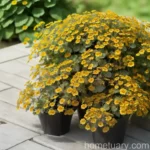
Silvery cinquefoil, scientifically known as Potentilla argentea, is a perennial flowering plant belonging to the Rosaceae family. This species is native to various regions across Europe and Asia, where it thrives in diverse habitats, including meadows, open woodlands, and rocky slopes. The plant’s name, “cinquefoil,” is derived from the Latin words “quinque,” meaning five, and “folium,” which translates to leaf, referring to the typical leaf arrangement of five leaflets. The silvery cinquefoil is renowned for its delicate, silvery-gray foliage and charming yellow flowers, making it a prized addition to gardens, landscapes, and natural settings.
Key Takeaways – Silvery Cinquefoil (Potentilla argentea)
Before delving into the details of cultivating and caring for the silvery cinquefoil, let’s outline the key aspects associated with this plant:
- Silvery cinquefoil plant
- Potentilla argentea species
- Benefits of silvery cinquefoil
- Growing silvery cinquefoil
- Uses of Potentilla argentea
- Silvery cinquefoil care guide
- Medicinal properties of Potentilla argentea
- How to propagate silvery cinquefoil
- Different varieties of Potentilla argentea
- Silvery cinquefoil in landscaping
- Potentilla argentea characteristics
- Silvery cinquefoil natural habitat
- Silvery cinquefoil and its ecological role
- Potentilla argentea cultivation tips
- Harvesting and drying silvery cinquefoil
Now, let’s explore the various facets of silvery cinquefoil, ranging from its cultural requirements to its ecological significance and medicinal properties.
Culture
Water
Silvery cinquefoil plants generally have moderate water needs. While they require consistent moisture, they are also fairly tolerant of dry conditions once established. It is crucial to prevent waterlogging as excessive moisture can lead to root rot and other issues. A well-draining soil and occasional deep watering sessions during dry spells are ideal for maintaining the plant’s health and vigor.
Sunlight
In terms of sunlight requirements, silvery cinquefoil thrives in full sun to partial shade. It is essential to provide the plant with at least six hours of sunlight daily to ensure optimal growth and blooming. In warmer regions, providing some afternoon shade can be beneficial, particularly during intense summer months.
Fertilizer
When it comes to fertilization, silvery cinquefoil typically grows well in moderately fertile soils without requiring excessive feeding. Applying a balanced, slow-release fertilizer at the beginning of the growing season can support healthy growth and flowering. However, it is important to avoid over-fertilization, which can result in excessive foliage growth at the expense of flowering.
Soil
Silvery cinquefoil plants prefer well-draining, loamy soil with a slightly acidic to neutral pH range of 6.0 to 7.0. Amending the soil with organic matter, such as compost, can improve soil structure and fertility, promoting robust growth and blooming. Additionally, the introduction of organic material aids in moisture retention and enhances the overall health of the soil ecosystem, benefiting the plant in the long run.
Pruning
Pruning is essential to maintain the shape and size of silvery cinquefoil and to encourage continuous blooming. Deadheading spent flowers regularly can promote prolonged flowering and prevent the plant from allocating energy to seed production. Additionally, pruning back any damaged or wayward stems in early spring contributes to a neat and tidy appearance while stimulating new growth.
Propagation
Silvery cinquefoil can be propagated through various methods, including seeds, division, and softwood cuttings. Seed propagation is relatively straightforward and can be carried out in early spring or autumn. Division, on the other hand, involves separating the plant’s rhizomes and is best performed in early spring. Softwood cuttings, taken in spring or early summer, have the potential to root rapidly under favorable conditions, giving rise to new plants.
Uses
Ornamental
The silvery cinquefoil is highly prized for its ornamental value, adding a touch of elegance and charm to garden beds, borders, rock gardens, and naturalized settings. The distinctive silvery foliage serves as a striking backdrop to the bright yellow flowers, creating visual interest and contrast in various landscapes.
Medicinal
In traditional herbal medicine, the silvery cinquefoil has been utilized for its medicinal properties. It is reputed for its astringent and anti-inflammatory qualities, with the plant’s leaves and roots being employed in herbal preparations. Infusions and decoctions made from the plant have been used to address various ailments, including digestive issues and inflammatory conditions.
Wildlife Habitat
Silvery cinquefoil contributes to wildlife habitats by providing nectar and pollen for pollinators such as bees and butterflies. The plant’s flowers are an important nectar source, supporting pollinator populations and promoting biodiversity in the surrounding ecosystem. Additionally, small mammals and birds may benefit from the plant’s seeds and shelter provided by its foliage.
Container Popularity
The silvery cinquefoil’s adaptability and compact growth habit render it well-suited for container cultivation. This makes it an excellent choice for urban gardens, patios, and balconies, where space may be limited. The plant’s striking foliage and cheerful blooms can brighten up outdoor living spaces, adding a touch of natural beauty and charm to container gardens.
Container Common Diseases
When growing silvery cinquefoil in containers, it is essential to be mindful of potential diseases that can affect the plant. Some common diseases that may impact container-grown silvery cinquefoil include:
- Powdery Mildew: This fungal disease manifests as a powdery white coating on the plant’s leaves, hindering photosynthesis and weakening the plant.
- Root Rot: Overly moist conditions or poorly draining soil in containers can lead to root rot, causing the plant’s roots to decay and affecting its overall health.
Disease Diagnosis
Powdery Mildew
Symptoms: Powdery mildew presents as a white, powdery substance on the upper and lower surfaces of leaves. Affected leaves may become distorted and discolored, impacting the plant’s overall aesthetic appeal.
Treatment and Prevention: To address powdery mildew, it is advisable to improve air circulation around the plant and maintain adequate spacing between containers to reduce humidity levels. Additionally, applying fungicidal sprays or neem oil can help manage the disease and prevent its recurrence.
Root Rot
Symptoms: Signs of root rot include wilting, yellowing of leaves, and a general decline in the plant’s health. Inspecting the plant’s roots may reveal dark, mushy roots, indicative of the disease.
Treatment and Prevention: To combat root rot, it is crucial to ensure proper drainage in container plantings, using well-draining soil mixes and allowing excess water to escape freely from the containers. Avoiding overwatering and allowing the soil to partially dry out between watering sessions can help prevent the onset of root rot.
Common Pests
Aphids
Aphids are among the common pests that may affect silvery cinquefoil plants, feeding on the plant’s sap and causing leaf distortion and yellowing. These soft-bodied insects reproduce rapidly and can quickly colonize the plant if left unchecked, potentially leading to reduced vigor and stunted growth.
Control Measures: To manage aphid infestations, spraying the plant with a forceful stream of water can dislodge the pests. Additionally, introducing natural predators, such as ladybugs or lacewings, can help keep aphid populations in check. In severe cases, insecticidal soaps or neem oil can be used to control aphids effectively.
Spider Mites
Spider mites are tiny arachnids that may infest silvery cinquefoil, particularly in hot, dry conditions. These pests feed on the plant’s sap, causing stippling, discoloration, and webbing on the foliage. If left untreated, severe infestations can lead to leaf drop and diminished plant health.
Management Strategies: Regularly misting the plant to increase humidity levels can deter spider mites, as they thrive in dry environments. Additionally, predatory mites and insecticidal soaps can be employed to mitigate spider mite populations and protect the plant from damage.
Botanist’s Tips
- Soil Quality: Ensuring well-draining, fertile soil is crucial for healthy silvery cinquefoil growth.
- Pruning: Regular deadheading and light pruning promote continuous blooming and maintain plant shape.
- Watering: Balanced watering practices, avoiding both drought and waterlogging, aid in the plant’s overall well-being.
- Pest Monitoring: Regularly inspecting the plant for signs of pests allows for early intervention and prevention of infestations.
Fun Facts
Curious about some intriguing details associated with the silvery cinquefoil? Here are a few fun facts about this captivating plant:
- Silvery cinquefoil has a rich history in traditional medicine, where it has been used to address various health issues and ailments.
- The plant’s silvery-gray foliage adds an enchanting and ethereal quality to garden landscapes, creating an alluring visual impact.
- Silvery cinquefoil is appreciated for its resilience and adaptability, thriving in diverse climatic conditions and soil types.
Links to External Resources
For further information on silvery cinquefoil (Potentilla argentea), the following resources are recommended for an in-depth exploration of this plant’s characteristics and cultivation:
- Royal Horticultural Society – Potentilla argentea
- Missouri Botanical Garden – Potentilla argentea
- Botanical Society of Britain & Ireland – Potentilla argentea
- Encyclopedia of Life – Potentilla argentea
In conclusion, silvery cinquefoil (Potentilla argentea) holds a special place in the realm of ornamental and medicinal plants, offering a myriad of benefits and visual appeal. Its versatility and low-maintenance nature make it a delightful addition to gardens, containers, and natural landscapes, enriching the surrounding environment while providing an array of practical and aesthetic uses.
Whether employed as a charming ornamental, a valuable medicinal resource, or a wildlife-friendly plant, the silvery cinquefoil continues to captivate and inspire enthusiasts, showcasing its enduring allure and noteworthy contributions to horticulture and ecology.