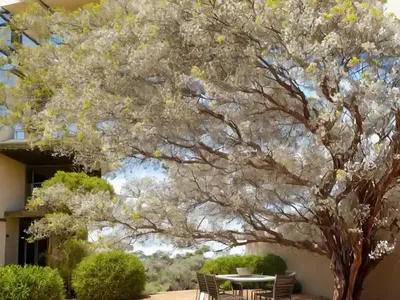
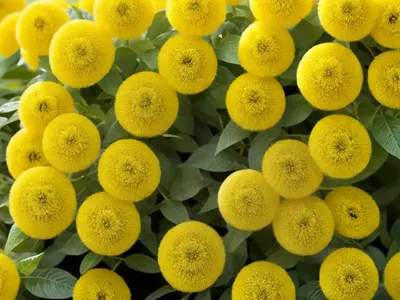
Silver Wattle (Acacia Dealbata)
Silver wattle, scientifically known as Acacia dealbata, is a stunning evergreen tree native to southeastern Australia. This species belongs to the Fabaceae.


Introduction to Silver Wattle
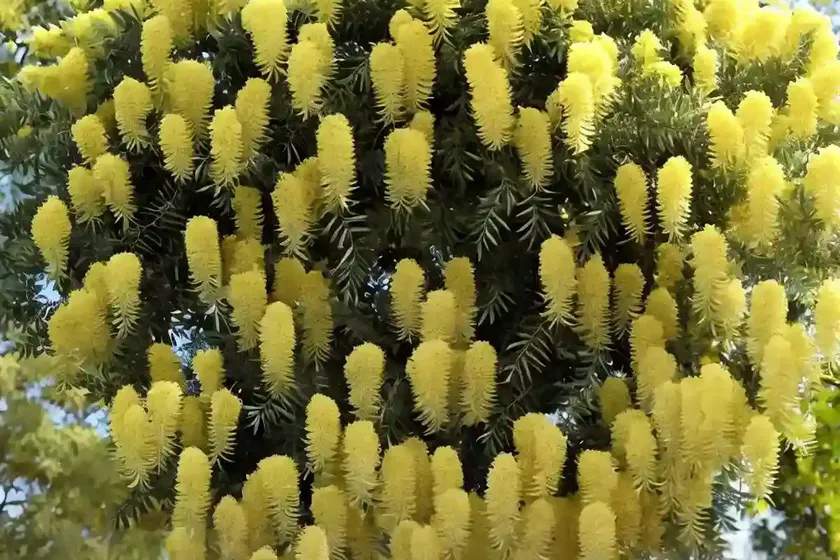
Silver wattle, scientifically known as Acacia dealbata, is a stunning evergreen tree native to southeastern Australia. This species belongs to the Fabaceae family and is renowned for its feathery, silver-gray foliage and its beautiful clusters of bright yellow flowers. The species has earned the nickname “silver wattle” due to the silvery appearance of its leaves and is widely recognized for its ornamental, commercial, and ecological significance.
Key Takeaways – Silver Wattle (Acacia dealbata)
Before delving into the intricate details of the silver wattle, let’s take a look at some key takeaways about this fascinating plant:
- Scientific Name: Acacia dealbata
- Family: Fabaceae
- Common Name: Silver Wattle
- Native Habitat: Southeastern Australia
- Characteristics: Silver-gray foliage, bright yellow flowers
- Uses: Ornamental, commercial, and ecological
- Growth Rate: Fast-growing
- Growth Environment: Thrives in well-drained soil with plenty of sunlight
Now that we have an overview of the silver wattle, let’s explore its cultural aspects, uses, and practical care guidelines.
Culture
Understanding the cultural requirements of the silver wattle is crucial for its successful growth and development. Let’s delve into the essential aspects of its culture to ensure that it thrives in various environments.
Water
Proper watering is vital for the health and vitality of the silver wattle. As a general guideline, young trees should be watered regularly to establish a strong root system. Once the tree is established, it becomes more drought-tolerant, requiring less frequent watering. However, during prolonged periods of dry weather, providing supplemental irrigation can promote optimal growth and flowering.
Sunlight
Silver wattle thrives in full sunlight and benefits from exposure to direct sunlight for a significant part of the day. Adequate sunlight ensures robust growth, vibrant foliage, and prolific blooming. When selecting a planting location for silver wattle, prioritize areas that receive ample sunlight to support its overall well-being.
Fertilizer
While silver wattle is relatively low-maintenance, providing a balanced fertilizer during the growing season can bolster its growth and enhance its flowering performance. Choose a fertilizer specifically formulated for woody plants and apply it according to the manufacturer’s instructions. Avoid over-fertilization, as excessive nutrients can lead to imbalanced growth and potential damage to the tree.
Soil
Silver wattle thrives in well-drained soil with a slightly acidic to neutral pH. It is adaptable to a range of soil types, including loamy, sandy, and clay soils, as long as they offer adequate drainage. Prior to planting, assess the soil drainage and composition, amending it if necessary to create an optimal growing environment for the silver wattle.
Pruning
Pruning is an essential aspect of silver wattle care, contributing to its overall health, aesthetics, and longevity. Regular pruning helps maintain a desirable shape, enhances air circulation, and promotes the growth of new shoots and flowers. For established trees, selective pruning of damaged, diseased, or crossing branches can rejuvenate the tree and promote its vigor.
Propagation
Propagating silver wattle can be achieved through various methods, including seed propagation, cuttings, and layering. Each method offers distinct advantages and challenges, and the choice of propagation technique depends on the availability of plant material and the desired outcomes. Experimenting with different propagation methods can offer valuable insights into the reproductive dynamics of the silver wattle and expand its cultivation possibilities.
Container Popularity
The elegant beauty of the silver wattle makes it a popular choice for container gardening. When grown in containers, it can serve as a striking centerpiece on patios, porches, or other outdoor spaces. Additionally, container-grown silver wattle provides flexibility in terms of placement and can be moved to protect it from extreme weather conditions or to optimize its exposure to sunlight.
Uses
Silver wattle boasts a diverse range of uses, reflecting its versatility and significance in various domains. Let’s explore some of the notable applications of this remarkable plant.
Ornamental
The silver wattle’s graceful form, distinctive foliage, and vibrant flowers make it a prized ornamental tree in gardens, parks, and landscapes. Its visual appeal, coupled with its adaptability to a wide range of climates, has cemented its status as a beloved ornamental species, contributing to the aesthetic allure of diverse environments.
Commercial
Beyond its ornamental value, the silver wattle holds commercial significance, particularly in the timber industry. The high-quality timber produced by the species is utilized in woodworking, furniture making, and various construction applications. Its wood exhibits favorable properties, including durability, workability, and an attractive grain, making it a sought-after material for a wide array of woodworking projects.
Ecological
In its native habitat, the silver wattle plays a pivotal ecological role, providing food and habitat for diverse fauna. Its nectar-rich flowers attract pollinators, such as bees and butterflies, contributing to local biodiversity. Furthermore, the nitrogen-fixing abilities of silver wattle facilitate soil enrichment, supporting the growth of neighboring plants and fostering ecosystem resilience.
Medicinal
The silver wattle encompasses medicinal uses, with traditional herbal applications in select cultures. Its bark, leaves, and flowers have been employed in herbal remedies, offering potential therapeutic benefits. Further exploration of its medicinal properties and phytochemical composition may unveil valuable insights for pharmaceutical and holistic wellness applications.
Common Diseases
While the silver wattle is generally resilient, it is susceptible to certain diseases that can impact its vigor and vitality. Understanding the common diseases affecting this species is crucial for implementing proactive measures to safeguard its health.
Dieback
Dieback, characterized by the progressive death of branches and foliage, can afflict silver wattle due to various factors, including environmental stress, pathogenic organisms, or unfavorable growing conditions. Timely intervention, such as pruning affected branches and enhancing cultural practices, can mitigate the impact of dieback and promote recovery.
Root Rot
Excessive soil moisture, poor drainage, or pathogenic fungi can contribute to root rot in silver wattle, jeopardizing its root system and overall well-being. Practicing judicious watering, improving soil drainage, and utilizing well-draining potting mix for container-grown specimens can help prevent the onset and spread of root rot.
Powdery Mildew
Powdery mildew, a common fungal disease, can manifest as a white powdery layer on the leaves and stems of the silver wattle, impairing its photosynthetic capacity and aesthetic appeal. Implementing preventive measures, such as promoting air circulation, maintaining foliage dryness, and applying fungicidal treatments if necessary, can curtail the incidence of powdery mildew.
Disease Diagnosis
Accurately diagnosing diseases that affect the silver wattle is pivotal for implementing targeted management strategies and mitigating the impact on the plant. Careful observation of symptoms, coupled with diagnostic tools and expertise, can aid in identifying the underlying causes of disease manifestations and guide informed decision-making.
Symptom Identification
When observing the silver wattle for signs of disease, pay attention to symptoms such as leaf discoloration, wilting, defoliation, cankers, or unusual growth patterns. Documenting the appearance and progression of symptoms can provide valuable insights for disease diagnosis and treatment planning.
Laboratory Analysis
In cases of complex or ambiguous disease symptoms, securing the services of a plant pathology laboratory can offer invaluable diagnostic support. Laboratory analysis, including pathogen isolation, molecular testing, and microscopic examination, can elucidate the specific nature of the disease and inform the selection of appropriate management measures.
Professional Consultation
Consulting with experienced arborists, horticulturists, or plant disease specialists can provide expert perspectives on disease diagnosis and management. Leveraging their knowledge and diagnostic acumen can enhance the capacity to effectively address disease challenges and fortify the health of the silver wattle.
Common Pests
The silver wattle is generally resilient to pest infestations, but certain insects and arthropods can pose potential threats to its well-being. Familiarizing yourself with the common pests that may target this species is critical for implementing timely interventions and safeguarding its vitality.
Scale Insects
Scale insects, including armored scales and soft scales, are known to infest the silver wattle, feeding on its sap and compromising its overall health. Monitoring the foliage for signs of scale infestations and deploying targeted control measures, such as horticultural oil applications or biological control agents, can help manage scale populations effectively.
Tip Borers
Tip borers, the larvae of certain moths and beetles, can cause damage to the terminal shoots and young twigs of the silver wattle, impeding its growth and branching patterns. Implementing cultural practices to promote tree vigor, such as regular watering and optimal fertilization, can fortify the plant’s resilience against tip borer infestations.
Botanist’s Tips
Aspiring to cultivate silver wattle or enhance the well-being of existing specimens? Embrace these botanist’s tips to optimize the growth, aesthetics, and resilience of this remarkable plant.
-
Regular Monitoring: Conduct frequent visual inspections of the silver wattle, focusing on leaf health, flower development, and overall vigor. Early detection of issues can facilitate prompt remedial actions and preclude the escalation of problems.
-
Cultural Adaptation: Tailor the cultivation practices for silver wattle to align with specific environmental conditions, soil characteristics, and microclimate variations. Adapting cultural strategies can promote the suitability of the growing environment and bolster the plant’s ability to thrive.
-
Holistic Maintenance: Embrace a holistic approach to silver wattle care, integrating various horticultural practices, such as irrigation management, soil enrichment, and pest control, to sustain the plant’s health and vitality comprehensively.
Fun Facts
Uncover captivating tidbits about the silver wattle, shedding light on its ecological significance, cultural allure, and remarkable attributes.
-
The silver wattle is an emblematic species in Australia, symbolizing resilience, adaptability, and natural beauty across diverse ecosystems.
-
As a nitrogen-fixing plant, the silver wattle contributes to soil fertility and ecosystem sustainability by enriching the soil with essential nutrients.
-
The flowers of the silver wattle are a rich source of nectar, attracting an array of pollinators, including bees, butterflies, and birds, and nurturing local biodiversity.
-
Silver wattle foliage is renowned for its silvery-gray hue, imparting a striking visual appeal to landscapes and evoking a sense of tranquility and elegance.
Links to External Resources
To deepen your understanding of the silver wattle and explore additional insights, consider consulting the following reputable resources:
- Australian National Herbarium: Acacia dealbata Profile
- Flora of Victoria: Acacia dealbata Information
- Royal Botanic Gardens, Kew: Acacia dealbata Overview
By engaging with these authoritative sources, you can access a wealth of botanical knowledge, distribution data, and conservation perspectives related to the silver wattle.
In conclusion, the silver wattle (Acacia dealbata) stands as a captivating botanical specimen with multifaceted cultural, ecological, and commercial value. Embracing the dynamics of its growth, cultural requirements, and practical applications enriches the horticultural experience and fosters an enduring appreciation for this remarkable plant. Whether adorning gardens with its resplendent blooms, enhancing ecological resilience, or supporting woodworking traditions, the silver wattle encapsulates a tapestry of significance that resonates across diverse landscapes and communities. As we continue to explore the intricacies of this species, let’s celebrate its enduring legacy and the myriad wonders it bestows upon the natural world.
Disclaimer: The content presented in this article is for informational purposes only. Any actions taken based on this information are at the sole discretion of the reader. The author and the publisher are not responsible for any consequences arising from the use or application of this information.