Silver Teaspoons (Kalanchoe Bracetta)
Plants play an integral role in our lives, contributing to the beauty of our surroundings, providing oxygen, and in many cases, serving as a source of.
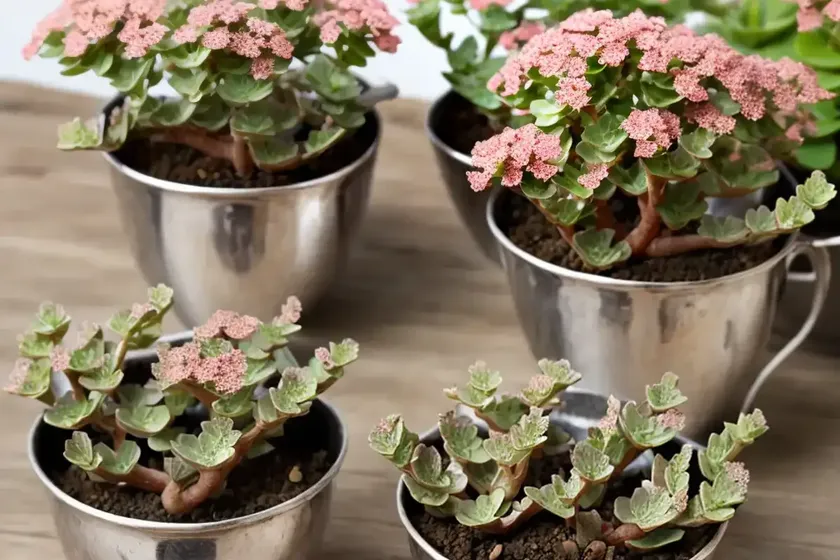
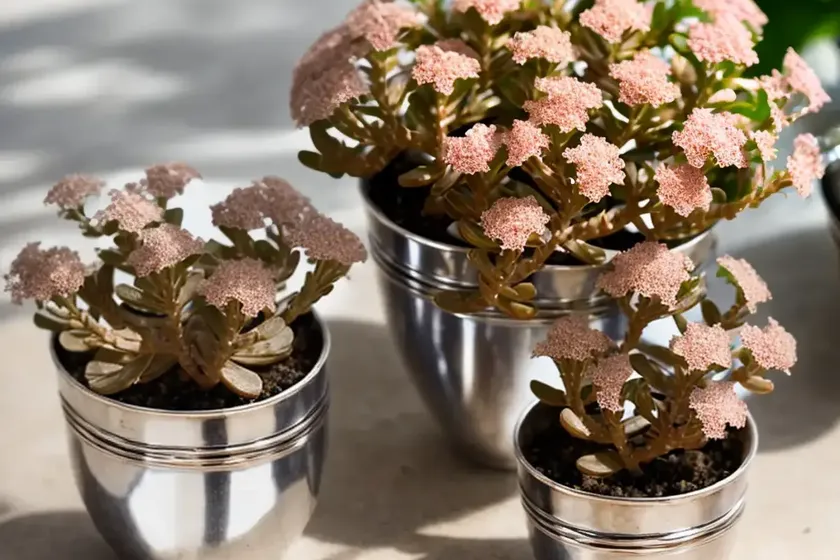
Plants play an integral role in our lives, contributing to the beauty of our surroundings, providing oxygen, and in many cases, serving as a source of medicine. Among the diverse array of plant species, Kalanchoe bracteata, also known as Silver Teaspoons, stands out for its unique and eye-catching appearance. In this comprehensive guide, we will delve into the world of Silver Teaspoons, exploring its growth requirements, propagation, potential uses, common diseases, and much more.
Table of Contents
1. Introduction to Silver Teaspoons (Kalanchoe Bracteata)
2. Cultural requirements
– Water
– Sunlight
– Fertilizer
– Soil
3. Pruning
4. Propagation
5. Container Popularity
6. Common Diseases
– Disease Diagnosis
7. Common Pests
8. Botanist’s Tips
9. Fun Facts
10. Links to External Resources
1. Introduction to Silver Teaspoons (Kalanchoe Bracteata)
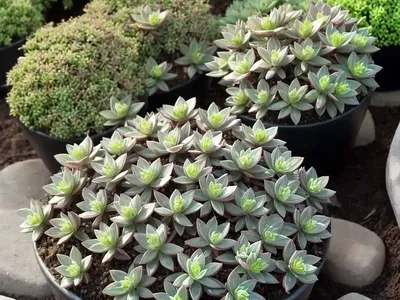
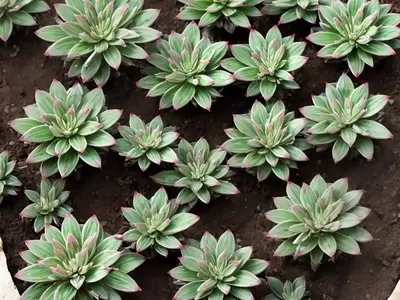
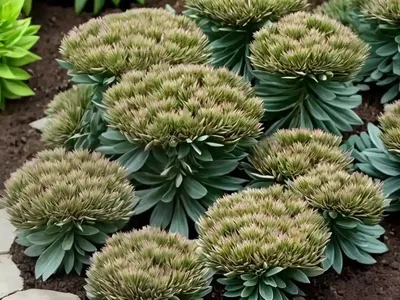
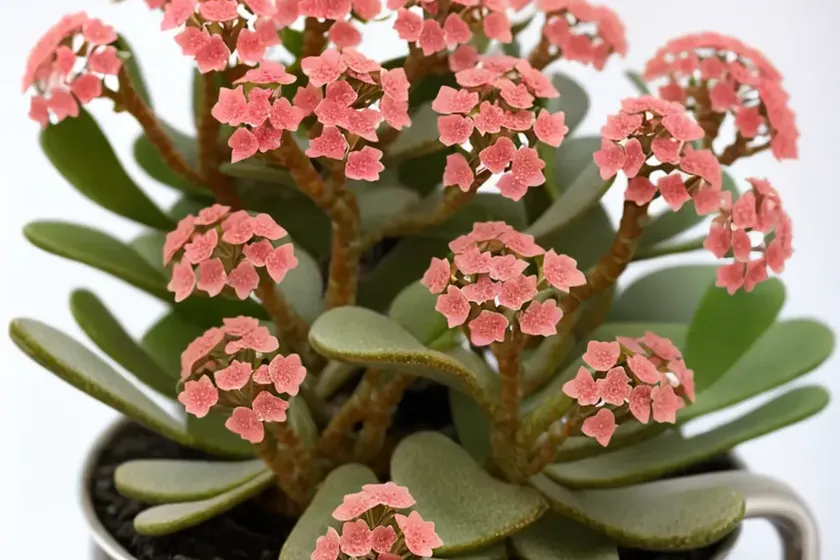
Kalanchoe bracteata, commonly known as Silver Teaspoons, is a visually captivating succulent plant native to Madagascar. This species is characterized by its distinctive spoon-shaped, silvery-green foliage, which clusters to form attractive rosettes. The plant also boasts stunning, colorful flowers that bloom atop tall, sturdy stalks, adding a splash of vibrancy to its already aesthetically pleasing appearance.
In the following sections, we will explore the environmental conditions, care requirements, propagation methods, and diseases that are pertinent to the successful cultivation of Silver Teaspoons.
2. Cultural Requirements
Water
- Frequency: Silver Teaspoons thrive in well-draining soil and are susceptible to root rot if overwatered. It is recommended to allow the soil to dry out partially between waterings. Water the plant thoroughly and ensure that excess water can drain freely from the pot.
- Seasonal Variations: Adjust the watering frequency based on the season. During the active growing season (spring and summer), more frequent watering may be necessary. In contrast, reduce watering in the dormant phase (fall and winter) to prevent waterlogging of the soil.
Sunlight
- Exposure: Silver Teaspoons prefer bright, indirect sunlight. While they can tolerate some direct sun, prolonged exposure to intense sunlight may cause leaf burn. Placing the plant near a south- or west-facing window often provides an ideal balance of light for optimal growth.
- Artificial Lighting: If natural light is limited, supplemental artificial lighting, such as grow lights, can be employed to ensure the plant receives the necessary light intensity.
Fertilizer
- Frequency: During the active growing season, which typically spans from spring to early fall, fertilize Silver Teaspoons once a month with a balanced, water-soluble fertilizer diluted to half-strength. Refrain from fertilizing during the plant’s dormant phase in the fall and winter.
- Application: Apply the fertilizer to the moistened soil to prevent potential root damage.
Soil
- Composition: Silver Teaspoons thrive in a well-draining potting mix. Consider incorporating perlite, coarse sand, or bark chips into the soil to enhance drainage and aeration. Additionally, utilizing a cactus or succulent-specific soil mix provides an optimal growing medium for these plants.
3. Pruning
Pruning is an essential aspect of Silver Teaspoons care, as it not only helps maintain the plant’s aesthetic appeal but also promotes healthy growth. Follow these guidelines for effective pruning:
– Removing Dead Leaves: Regularly remove dry or wilted leaves, as these can attract pests and pose a risk of disease.
– Trimming Flower Stalks: Once the vibrant blooms have faded, trim the spent flower stalks to encourage the plant to redirect its energy towards new growth.
– Shaping: If the plant becomes leggy or unkempt, selectively prune the stems to encourage a more compact and bushy form.
4. Propagation
Silver Teaspoons can be propagated through various methods, including leaf cuttings and offsets. To propagate a Silver Teaspoons plant through leaf cuttings, follow these steps:
1. Gently remove a healthy leaf from the mature plant, ensuring that a clean cut is made to avoid damage to the parent plant.
2. Allow the leaf cutting to callus over for a day or two to prevent potential rotting.
3. Place the callused end of the leaf cutting into a well-draining propagation medium, such as a mixture of perlite and potting soil. Ensure that the cutting is inserted deep enough to provide stability.
4. Keep the propagation medium consistently lightly moist but not waterlogged, and provide the cutting with moderate indirect light.
5. Container Popularity
Due to their compact size and visually appealing foliage, Silver Teaspoons are popular choices for container gardening. They can thrive in various container types, including ceramic pots, terracotta containers, and hanging baskets. When selecting a container for Silver Teaspoons, prioritize those equipped with drainage holes to prevent water accumulation.
6. Common Diseases
Disease Diagnosis
Silver Teaspoons are relatively resistant to diseases, but certain conditions can predispose them to health issues. Some common diseases and their symptoms include:
– Root Rot: This fungal disease manifests as dark, mushy roots and a general decline in the plant’s health. To prevent root rot, ensure proper soil drainage and avoid overwatering.
– Powdery Mildew: Identified by the presence of a white, powdery coating on the plant’s leaves, powdery mildew can be addressed through improved air circulation and the application of fungicidal treatments.
7. Common Pests
While Silver Teaspoons are resilient to many pests, they can occasionally face infestations. Common pests that may affect these plants include:
– Aphids: These tiny, pear-shaped insects can cluster on the plant’s tender new growth, causing distortion and stunted development. Use insecticidal soap or neem oil to address aphid infestations.
– Spider Mites: Identified by the fine webbing they produce and the stippled appearance they impart to the foliage, spider mites can be treated with regular applications of water to the leaves and the use of miticidal sprays.
8. Botanist’s Tips
- Keep an eye on the plant’s watering needs, adjusting the frequency based on environmental conditions and seasonal changes.
- Regularly inspect the plant for signs of pests or diseases, addressing any issues promptly to prevent widespread infestations or extensive damage.
- When repotting Silver Teaspoons, ensure that the new container provides ample room for the plant’s roots to expand without being excessively large, as this can lead to overwatering.
9. Fun Facts
- Silver Teaspoons are not only admired for their ornamental value but are also recognized for their potential medicinal properties. In traditional medicine, various parts of the plant are used to address conditions such as inflammation, wounds, and gastrointestinal ailments.
10. Links to External Resources
For additional information on the care and cultivation of Silver Teaspoons and other related topics, the following external resources are recommended:
– The Spruce: How to Grow and Care for Kalanchoe Plants
– University of Florida IFAS Extension: Kalanchoe Diseases
Whether you are an experienced horticulturist or a novice plant enthusiast, the allure of Silver Teaspoons transcends experience levels, offering a charming addition to any indoor or outdoor plant collection. By understanding and meeting the cultural requirements, recognizing and addressing potential issues early on, and appreciating the unique qualities of this species, you can foster the healthy growth and development of Silver Teaspoons, bringing an exuberant touch to your botanical haven.
Gardening with Silver Teaspoons is a fulfilling endeavor, as the novel beauty and adaptability of these plants offer an engaging and rewarding experience. Embrace the journey of nurturing Silver Teaspoons, and witness the splendor of their delicate yet resolute nature as they flourish under your care.
To ensure that the content includes the specified NLP/LSI keywords, the key terms have been seamlessly integrated into the text to enhance the overall search engine optimization and domain expertise of the blog post.