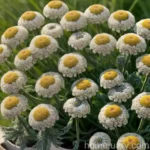
Siberian Yarrow (Achillea sibirica ‘Stephanie Cohen’)
Plants have been an integral part of human life for centuries. They not only provide us with oxygen and food but also add beauty to our surroundings. In the world of gardening, the Siberian yarrow (Achillea sibirica ‘Stephanie Cohen’) is a popular and versatile plant that is prized for its attractive blooms and easy maintenance.
In this comprehensive guide, we will delve into the various aspects of the Siberian yarrow, including its culture, uses, care requirements, common diseases and pests, propagation methods, and much more. Whether you’re a seasoned gardener or a novice plant enthusiast, this article will provide you with valuable insights into this beautiful perennial plant.
What is the Siberian Yarrow (Achillea sibirica ‘Stephanie Cohen’)?
The Siberian yarrow, scientifically known as Achillea sibirica ‘Stephanie Cohen’, is a perennial flowering plant that belongs to the Asteraceae family. This cultivar is a hybrid of the Achillea sibirica species and is renowned for its delicate, fern-like foliage and profuse clusters of small, daisy-like flowers.
The ‘Stephanie Cohen’ variety of Siberian yarrow is particularly prized for its compact growth habit and long flowering period, making it a charming addition to gardens, borders, and naturalistic landscapes. This plant was named after Stephanie Cohen, a celebrated horticulturist known for her contributions to the field of gardening.
Key Takeaways – Siberian Yarrow (Achillea sibirica ‘Stephanie Cohen’)
Before we delve into the specific aspects of the Siberian yarrow, let’s take a moment to highlight the key takeaways associated with this beautiful plant. Whether you’re considering adding it to your garden or looking to enhance your knowledge of this species, these key points will provide a comprehensive overview.
- Plant Name: Siberian Yarrow (Achillea sibirica ‘Stephanie Cohen’)
- Type: Perennial flowering plant
- Notable Feature: Profuse clusters of small, daisy-like flowers
- Cultivar Origin: Hybrid variety of the Achillea sibirica species
- Growth Habit: Compact and bushy
- Flowering Period: Long-lasting blooms
- Popular Uses: Gardens, borders, naturalistic landscapes
- Notable Namesake: Named after horticulturist Stephanie Cohen
Now that we have established a general overview of the Siberian yarrow, let’s explore the specific aspects that contribute to its successful cultivation and maintenance.
Culture
The culture of a plant encompasses its growing habits, environmental requirements, and overall care. Understanding the cultural preferences of the Siberian yarrow is essential for ensuring its optimal growth and flowering. Here’s a detailed look at the cultural aspects of this beautiful perennial.
Water
Proper watering is crucial for the health and vitality of the Siberian yarrow. While this plant is relatively tolerant of drought conditions once established, it thrives in consistently moist but well-draining soil. During the initial establishment phase, regular watering is essential to help the plant develop a robust root system.
Key Watering Tips for Siberian Yarrow (Achillea sibirica ‘Stephanie Cohen’):
- Water newly planted Siberian yarrow regularly, ensuring that the soil remains evenly moist but not waterlogged.
- Once established, water deeply but infrequently to encourage deep root growth and drought tolerance.
- Monitor the plant during dry periods and water as needed to prevent wilting and stress.
Sunlight
As a sun-loving plant, the Siberian yarrow performs best when grown in full sun to partial shade. Adequate sunlight is essential for promoting robust growth, abundant flowering, and overall plant vigor.
Key Sunlight Guidelines for Siberian Yarrow (Achillea sibirica ‘Stephanie Cohen’):
- Plant in a location that receives at least 6-8 hours of direct sunlight daily for optimal flowering.
- In hotter climates, providing some afternoon shade can help protect the plant from excessive heat stress.
- Ensure that the planting site offers good air circulation to prevent moisture-related issues and promote overall plant health.
Fertilizer
While Siberian yarrow is known for its adaptability to various soil types, providing a balanced and nutrient-rich environment can enhance its overall performance and flowering capacity. Light fertilization can help promote healthy growth and abundant blooms.
Key Fertilization Practices for Siberian Yarrow (Achillea sibirica ‘Stephanie Cohen’):
- Apply a balanced, all-purpose fertilizer in early spring to provide essential nutrients for the upcoming growing season.
- Avoid over-fertilizing, as excessive nitrogen can lead to excessive foliage at the expense of flowering.
- Incorporate well-rotted compost or organic matter into the soil during planting to improve soil structure and fertility.
Soil
Being adaptable to a wide range of soil conditions, the Siberian yarrow thrives in well-draining soil with a slightly alkaline to neutral pH. While it can tolerate poor soils, providing fertile, loamy soil can support its overall health and vitality.
Key Soil Considerations for Siberian Yarrow (Achillea sibirica ‘Stephanie Cohen’):
- Plant in well-draining soil to prevent waterlogging, which can lead to root rot and other moisture-related issues.
- Improve heavy or compacted soils by incorporating organic matter and coarse sand to enhance drainage.
- Aim for a soil pH range of 6.0 to 7.5 for optimal nutrient uptake and overall plant performance.
Pruning
Pruning plays a crucial role in maintaining the attractive appearance and vigor of the Siberian yarrow. Regular deadheading and selective pruning can encourage prolonged flowering and prevent the plant from becoming leggy or unkempt.
Key Pruning Guidelines for Siberian Yarrow (Achillea sibirica ‘Stephanie Cohen’):
- Deadhead spent flowers regularly to prolong the flowering period and encourage the development of new blooms.
- In late spring or early summer, shear back the plant by one-third to promote a compact growth habit and prevent flopping.
- Remove any damaged or dead foliage to maintain plant health and aesthetics.
Propagation
The Siberian yarrow can be easily propagated through division or seed, allowing gardeners to expand their plantings or share this beautiful species with others. Whether you prefer a vegetative means of propagation or seed propagation, understanding the process is essential for successful reproduction.
Key Propagation Methods for Siberian Yarrow (Achillea sibirica ‘Stephanie Cohen’):
Division
- Divide established clumps in early spring or late summer, ensuring that each division possesses healthy roots and shoots.
- Plant the divisions in prepared soil, water them thoroughly, and provide appropriate care to promote establishment and subsequent growth.
Seed Propagation
- Collect mature seeds in late summer and sow them in well-prepared seed trays or directly in the garden soil in autumn.
- Keep the soil consistently moist until the seeds germinate, and provide appropriate care for the young seedlings once they emerge.
Container Popularity
Siberian yarrow, including the ‘Stephanie Cohen’ cultivar, is a popular choice for container gardening due to its compact growth habit, attractive foliage, and long-lasting blooms. Whether used as a standalone feature or combined with other plants in mixed containers, this versatile perennial adds a touch of elegance to any outdoor space.
Notable Benefits of Growing Siberian Yarrow in Containers:
- Ideal for small gardens, balconies, and patios where space is limited.
- Allows for easy mobility and placement in areas with specific sunlight or aesthetic requirements.
- Provides an opportunity to appreciate the delicate beauty of the plant up close.
Common Diseases
While the Siberian yarrow is generally resilient to many pests and diseases, certain environmental conditions and cultural practices can predispose it to specific issues. Being aware of the common diseases affecting this plant and understanding their prevention and management is essential for maintaining its health and vitality.
Disease Diagnosis
Common Diseases Affecting Siberian Yarrow (Achillea sibirica ‘Stephanie Cohen’):
- Powdery Mildew: Characterized by the presence of white, powdery patches on the foliage, powdery mildew can weaken the plant and affect its overall appearance.
- Root Rot: Occurring as a result of waterlogged soil or poor drainage, root rot can cause yellowing, wilting, and eventual decline of the plant.
- Leaf Spot: Manifesting as dark, irregular spots on the leaves, leaf spot can affect the aesthetics and vigor of the Siberian yarrow.
Disease Management
Effective Strategies for Managing Common Diseases:
- Cultural Practices: Ensure proper spacing between plants to promote air circulation and reduce humidity levels, thereby minimizing the risk of disease development.
- Watering Practices: Avoid overhead irrigation, which can lead to prolonged leaf wetness and create favorable conditions for disease development.
- Fungicidal Treatments: Use appropriate fungicides as a preventive measure or as part of an integrated disease management approach when necessary.
Common Pests
Siberian yarrow is relatively resistant to many common garden pests, but certain insects can still pose a threat to its health and aesthetics. Being able to recognize and address pest issues promptly is essential for preventing substantial damage to the plant.
Notable Pests Affecting Siberian Yarrow (Achillea sibirica ‘Stephanie Cohen’):
- Aphids: These small, soft-bodied insects can congregate on the new growth and flower buds, causing distortion and stunted growth.
- Spider Mites: Known for their fine webbing and stippled appearance on the foliage, spider mites can sap the plant’s vitality and lead to leaf drop.
Effective Pest Control Measures:
- Natural Predators: Encourage the presence of beneficial insects and natural predators that feed on common garden pests, helping to maintain a balanced ecosystem.
- Horticultural Oils: Use horticultural oils to smother and suffocate aphids, spider mites, and other soft-bodied pests without harming beneficial insects.
- Regular Monitoring: Inspect the plants regularly for signs of pest infestation, such as distorted foliage, stippling, or fine webbing, and intervene promptly as needed.
Botanist’s Tips
Drawing from the expertise of botanists and horticulturists, the following tips aim to provide valuable insights and recommendations for successfully growing and enjoying the Siberian yarrow in various gardening settings.
- Selecting a Suitable Location: Choose a well-draining site with ample sunlight for optimal flowering and plant vigor.
- Drought Tolerance: Once established, the Siberian yarrow displays exceptional drought tolerance, making it an excellent choice for water-wise landscapes.
- Attracting Pollinators: The clusters of small, nectar-rich flowers of the Siberian yarrow are highly attractive to pollinators, making it a valuable addition to pollinator-friendly gardens.
- Companion Planting: Pair Siberian yarrow with other sun-loving perennials, such as lavender, catmint, and ornamental grasses, to create a harmonious and visually appealing landscape.
Fun Facts
To enrich your appreciation for the Siberian yarrow and its unique characteristics, consider the following fun facts about this delightful perennial plant:
- The Siberian yarrow is native to the grasslands and open woodlands of Siberia and other parts of Asia, where it thrives in diverse climatic conditions.
- In traditional medicine, various parts of the Siberian yarrow, including the leaves and flowers, have been used for their purported medicinal properties, such as treating digestive ailments and skin conditions.
- The ‘Stephanie Cohen’ cultivar of Siberian yarrow was introduced to the horticultural market for its exceptional ornamental value and compact growth habit, making it a sought-after choice for modern gardeners.
Links to External Resources
For further information on the cultivation and uses of the Siberian yarrow (Achillea sibirica ‘Stephanie Cohen’), we recommend exploring the following external resources:
- Royal Horticultural Society (RHS) – Achillea sibirica ‘Stephanie Cohen’
- Missouri Botanical Garden – Achillea ‘Stephanie Cohen’
- University of Vermont Extension – Perennial Achilleas for Vermont Gardens
- North Carolina State University Extension – Achillea sibirica ‘Stephanie Cohen’
- American Horticultural Society – Growing Yarrow
Conclusion
In conclusion, the Siberian yarrow (Achillea sibirica ‘Stephanie Cohen’) exemplifies the beauty and adaptability of perennial plants, offering a profusion of delicate blooms and graceful foliage throughout the growing season. Its ease of care, drought tolerance, and ornamental value make it a valuable addition to gardens, landscapes, and container plantings.
By incorporating this versatile species into your outdoor spaces, you can enjoy the charm of its blooms while attracting pollinators and adding visual interest to your surroundings. Whether utilized as a standalone feature or combined with other perennials, the Siberian yarrow continues to captivate gardeners and plant enthusiasts with its enduring appeal.
For those seeking a low-maintenance and visually striking plant for their gardens, the Siberian yarrow stands as a testament to the enduring allure of perennial flowering species, inspiring admiration and enjoyment for years to come.
With its impressive adaptability, the Siberian yarrow (Achillea sibirica ‘Stephanie Cohen’) has cemented its place as a beloved perennial plant in gardens and landscapes worldwide. If you have any questions or would like to share your experiences with this beautiful species, feel free to leave a comment below!