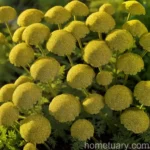
Fern-leaf Yarrow (Achillea filipendulina ‘Altgold’)
What is Plant?
Plants are essential organisms in our environment that provide food, oxygen, and aesthetic beauty. They are crucial for the functioning of ecosystems and agriculture, playing a vital role in maintaining the balance of our planet. One such fascinating plant is the fern-leaf yarrow (Achillea filipendulina ‘Altgold’), a beautiful and versatile perennial herb that has been valued for centuries for its ornamental and medicinal properties.
The fern-leaf yarrow belongs to the Asteraceae family and is native to Central Europe and temperate regions of Asia. It is known for its finely dissected, aromatic foliage and flat-topped clusters of tiny, daisy-like flowers. The plant derives its botanical name “Achillea” from the Greek hero Achilles, who, according to mythology, used yarrow to heal the wounds of his soldiers during the Trojan War.
Fern-leaf yarrow, also referred to as Achillea filipendulina ‘Altgold,’ is prized for its characteristic fern-like foliage and its golden-yellow flowers which provide a stunning and vibrant display in gardens and landscapes.
Key Takeaways – Fern-leaf Yarrow (Achillea filipendulina ‘Altgold’)
Before delving into the specifics of fern-leaf yarrow, here are some key takeaways regarding this plant.
- Fern-leaf Yarrow Altgold: Also known as Achillea filipendulina ‘Altgold’.
- Characteristics: Fern-like foliage and golden-yellow flowers.
- Growth Habit: Perennial herb.
- Uses: Ornamental, medicinal, and pollinator-friendly plant.
- Cultivation: Adaptable to various soil types and suitable for container gardening.
- Care Tips: Requires well-drained soil, full sunlight, and minimal maintenance.
- Diseases: Susceptible to powdery mildew and other foliar diseases.
- Pests: Attracts aphids, spider mites, and other pests.
- Propagation: Can be propagated from seeds, division, or cuttings.
Now, let’s explore the various aspects of fern-leaf yarrow, ranging from its cultural requirements to its uses, maintenance, and more.
Culture
Cultivating the fern-leaf yarrow involves understanding its specific cultural requirements, including water, sunlight, fertilizer, soil, and pruning. These factors play a significant role in the plant’s overall health and vitality.
Water
Fern-leaf yarrow, once established, is remarkably drought-tolerant and thrives in well-drained soil. During the initial stages of growth and in prolonged dry spells, moderate watering is recommended. It is crucial to avoid overwatering, as the plant is susceptible to root rot under soggy conditions.
Sunlight
Being a sun-loving plant, fern-leaf yarrow flourishes in full sunlight. It is best suited for locations with at least 6-8 hours of direct sunlight per day. In hotter regions, some afternoon shade can be beneficial to prevent the foliage from scorching.
Fertilizer
When it comes to fertilization, fern-leaf yarrow does not demand excessive nutrient inputs. A light application of a balanced, all-purpose fertilizer in early spring can support healthy growth and abundant flowering. Organic amendments such as compost can be beneficial for enriching the soil without the risk of over-fertilization.
Soil
Fern-leaf yarrow is adaptable to a wide range of soil types, including loamy, sandy, or rocky soils. However, it thrives in well-drained soils with a slightly alkaline to neutral pH. Amending heavy clay soils with organic matter can improve drainage and create a more favorable growing environment for the plant.
Pruning
Pruning fern-leaf yarrow serves multiple purposes, including rejuvenating the plant, promoting a bushy and compact growth habit, and removing spent blooms. In late fall or early spring, cutting back the old foliage and flower stems to the basal rosette can facilitate fresh growth and enhance the plant’s appearance.
Uses
Fern-leaf yarrow is a versatile plant that offers various uses, making it a valuable addition to gardens, landscapes, and even herbal medicine practices.
Ornamental
The striking fern-like foliage and vibrant golden-yellow flowers of fern-leaf yarrow make it a popular choice for ornamental plantings. It adds a touch of elegance to flower borders, rock gardens, and wildflower meadows. The long-lasting flowers are suitable for fresh or dried arrangements, making them a favorite among florists and garden enthusiasts.
Medicinal
Yarrow has a long history of medicinal use, with numerous cultures utilizing it for its healing properties. The aerial parts of the fern-leaf yarrow contain essential oils, flavonoids, and alkaloids, making them valuable in traditional herbal medicine. Yarrow is renowned for its anti-inflammatory, astringent, and hemostatic qualities, and is used in various herbal preparations for treating wounds, fevers, and gastrointestinal discomfort.
Pollinator-Friendly
The nectar-rich flowers of fern-leaf yarrow attract a myriad of beneficial insects, including bees, butterflies, and hoverflies. By incorporating yarrow into pollinator gardens, it contributes to supporting biodiversity and enhancing ecosystem health.
Propagation
Propagation of fern-leaf yarrow can be achieved through several methods, including seeds, division, and cuttings. Each approach offers distinct advantages and is suited to different circumstances.
Seeds
Sowing yarrow seeds is a straightforward and cost-effective method of propagation. The seeds can be directly sown into prepared garden beds or containers in the spring or fall. Lightly covering the seeds with a thin layer of soil and maintaining consistent moisture can facilitate germination within 7-21 days.
Division
Dividing established fern-leaf yarrow clumps is an effective means of propagation and rejuvenation. This method involves carefully lifting the plant in early spring or fall, separating the root clumps, and replanting the divisions in suitable locations. Division promotes vigorous growth and allows for the expansion of yarrow plantings.
Cuttings
Rooting stem cuttings from healthy and actively growing fern-leaf yarrow plants can yield new individuals with identical characteristics. Taking 4-6 inch stem cuttings with at least two pairs of leaves, removing the lower leaves, and placing the cuttings in a well-draining rooting medium under high humidity can encourage successful root development.
Container Popularity
The adaptability of fern-leaf yarrow to container cultivation makes it a popular choice for enthusiasts with limited garden space or those seeking to showcase its beauty in a more controlled environment.
Container Gardening
Growing fern-leaf yarrow in containers offers the advantage of portability, enabling individuals to position the plants strategically to accentuate outdoor living spaces. When selecting containers, it is crucial to ensure adequate drainage holes and to use a well-draining potting mix. Regular watering and sufficient sunlight are essential for maintaining the health and vigor of yarrow plants in containers.
Common Diseases
While fern-leaf yarrow is generally resilient, it can be susceptible to certain diseases, requiring prompt attention and management to ensure the plant’s longevity and vitality.
Disease Diagnosis
Diagnosing common diseases in fern-leaf yarrow involves identifying symptoms such as powdery mildew, rust, or leaf spot. Powdery mildew appears as a white powdery film on the foliage, while rust manifests as orange or brown pustules on the leaves. Leaf spot is characterized by dark lesions with a yellow halo. It is essential to address these issues early with appropriate cultural and, if necessary, chemical controls to prevent their escalation.
Common Pests
Fern-leaf yarrow can attract various pests, including aphids, spider mites, and leafhoppers, particularly if the plant is under stress or growing in unfavorable conditions.
Botanist’s Tips
- Cultivate in Well-Drained Soil: Ensure that fern-leaf yarrow is planted in soil with good drainage to prevent waterlogged conditions and root rot.
- Provide Adequate Sunlight: Position the plants in a location with full sunlight to promote robust growth and abundant flowering.
- Monitor for Pests and Diseases: Regularly inspect yarrow plants for signs of pests and diseases, taking proactive measures to mitigate potential issues.
- Support Pollinators: Embrace the role of fern-leaf yarrow as a pollinator-friendly plant and integrate it into pollinator gardens to enhance ecological diversity.
Fun Facts
- The genus name “Achillea” is derived from the Greek warrior Achilles, who reportedly used yarrow to heal the wounds of his soldiers during the Trojan War.
- Fern-leaf yarrow has been used in traditional herbal medicine for centuries, with its medicinal properties being recognized and utilized across various cultures.
Links to External Resources
For further information on fern-leaf yarrow (Achillea filipendulina ‘Altgold’) and related topics, the following resources are recommended:
- Royal Horticultural Society – Fern-leaf Yarrow: https://www.rhs.org.uk/plants/68621/achillea-filipendulina-altgold/details
- The Old Farmer’s Almanac – Growing Yarrow: https://www.almanac.com/plant/yarrow
- North Carolina State University Extension – Yarrow Production Guide: https://content.ces.ncsu.edu/yarrow-production-guide
In conclusion, fern-leaf yarrow, with its striking foliage, vibrant flowers, and diverse uses, embodies a captivating and multifaceted plant species. From ornamental landscaping to herbal medicine and ecological support for pollinators, fern-leaf yarrow continues to captivate and enrich our lives, offering a cornucopia of benefits and botanical intrigue.
Keywords:
- Fern-leaf yarrow Altgold
- Achillea filipendulina ‘Altgold’
- Altgold yarrow plant
- Fern-leaf yarrow characteristics
- Growing Achillea filipendulina ‘Altgold’
- Altgold yarrow care tips
- Fern-leaf yarrow varieties
- Achillea filipendulina ‘Altgold’ gardening
- Altgold yarrow plant care
- Fern-leaf yarrow cultivation
- Achillea filipendulina ‘Altgold’ flowers
- Altgold yarrow pruning
- Fern-leaf yarrow in the garden
- Achillea filipendulina ‘Altgold’ landscaping
- Altgold yarrow foliage
- Fern-leaf yarrow propagation
- Achillea filipendulina ‘Altgold’ diseases
- Altgold yarrow companion plants
- Fern-leaf yarrow uses
- Achillea filipendulina ‘Altgold’ medicinal properties
- Altgold yarrow pest control
- Fern-leaf yarrow container gardening
- Achillea filipendulina ‘Altgold’ soil requirements
- Altgold yarrow hardiness zones
- Fern-leaf yarrow drought tolerance
- Achillea filipendulina ‘Altgold’ sun exposure
- Altgold yarrow perennial plant
- Fern-leaf yarrow water requirements
- Achillea filipendulina ‘Altgold’ pollinator-friendly
- Altgold yarrow pruning techniques
- Fern-leaf yarrow foliage color
- Achillea filipendulina ‘Altgold’ landscape design ideas
- Altgold yarrow cut flowers
- Fern-leaf yarrow wildlife habitat
- Achillea filipendulina ‘Altgold’ growth habit
- Altgold yarrow ornamental plant
- Fern-leaf yarrow border planting
- Achillea filipendulina ‘Altgold’ propagation methods
- Altgold yarrow ground cover
- Fern-leaf yarrow flower arrangements
- Achillea filipendulina ‘Altgold’ seasonal care
- Altgold yarrow natural dye
- Fern-leaf yarrow garden design
- Achillea filipendulina ‘Altgold’ landscape maintenance
- Altgold yarrow seed collection
- Fern-leaf yarrow herbal uses
- Achillea filipendulina ‘Altgold’ xeriscaping
- Altgold yarrow composting
- Fern-leaf yarrow fragrance
- Achillea filipendulina ‘Altgold’ native habitat