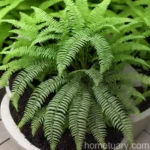
The Fascinating World of Lady Fern (Athyrium filix-femina ‘Fancy Fronds’)
Plants are an integral part of our ecosystem, offering an array of benefits including oxygen production, food, and aesthetic beauty. Among the diverse range of plants, the lady fern (Athyrium filix-femina ‘Fancy Fronds’) stands out for its elegance, resilience, and unique characteristics. In this comprehensive guide, we will delve into the captivating realm of lady fern, exploring its culture, uses, care requirements, propagation techniques, and much more. Whether you are an avid gardener, a nature enthusiast, or simply captivated by the allure of foliage, the lady fern is sure to capture your fascination.
What is the Lady Fern (Athyrium filix-femina ‘Fancy Fronds’)?
The lady fern, scientifically known as Athyrium filix-femina ‘Fancy Fronds’, is a graceful and feathery deciduous fern that belongs to the family Athyriaceae. This exquisite fern is known for its finely cut fronds and distinctive form, making it a popular choice for landscaping, indoor cultivation, and ornamental gardening. With its vibrant green foliage and delicate appearance, the lady fern adds a touch of natural elegance to any environment.
Key Takeaways – Lady Fern (Athyrium filix-femina ‘Fancy Fronds’)
Before we delve deeper into the world of lady fern, let’s explore some key takeaways about this enchanting plant. Understanding these essential points will provide a solid foundation for comprehending the intricacies of lady fern care, uses, and cultivation.
- Common Name: Lady Fern
- Scientific Name: Athyrium filix-femina ‘Fancy Fronds’
- Type: Deciduous Fern
- Characteristics: Finely cut fronds, vibrant green foliage, graceful form
- Versatility: Suitable for landscaping, indoor cultivation, and ornamental gardening
- Key Uses: Aesthetic enhancement, foliage display, natural ambiance
- Growth Habit: Upright and graceful, forming a charming clump
- Hardiness Zone: 4-8
- Watering Needs: Moderate moisture levels, avoid waterlogged conditions
Now that we’ve gained a basic understanding of the lady fern, let’s embark on a journey to uncover its cultural preferences, uses, and essential care guidelines.
Culture of Lady Fern (Athyrium filix-femina ‘Fancy Fronds’)
Understanding the cultural requirements of any plant is crucial for ensuring its optimal growth and vitality. The lady fern, with its unique characteristics, demands specific cultural conditions to thrive. Let’s explore the essential aspects of lady fern culture.
Water
Lady ferns thrive in consistently moist, well-drained soils. While they appreciate moisture, it’s crucial to avoid waterlogged conditions that can lead to root rot and other detrimental issues. Therefore, a balance must be struck to provide adequate hydration without saturating the soil. Regular monitoring of soil moisture levels is essential, especially during dry periods, to ensure the lady fern receives sufficient water without being waterlogged.
Sunlight
When it comes to sunlight preferences, the lady fern flourishes in partial to full shade. While it can tolerate some morning sun, especially in cooler climates, it generally prefers shaded conditions. Direct exposure to intense sunlight should be avoided as it can scorch the delicate fronds and hinder the plant’s overall health. Therefore, when selecting a location for your lady fern, prioritize areas with dappled light or partial shade.
Fertilizer
Lady ferns benefit from a balanced, slow-release fertilizer applied in spring, as this provides the necessary nutrients to support healthy growth throughout the growing season. An organic, well-balanced fertilizer specifically formulated for ferns and other shade-loving plants is ideal. It’s important to follow the recommended application rates to prevent over-fertilization, which can lead to foliar burn or excessive vegetative growth.
Soil
The lady fern thrives in rich, moist, and well-drained soil with a slightly acidic to neutral pH. Amending the soil with organic matter such as compost, leaf mold, or well-rotted manure can enhance its moisture retention and nutrient content, providing an ideal growing medium for lady ferns. Additionally, incorporating organic material helps foster a healthy soil structure and microbial activity, benefiting the overall vitality of the plant.
Pruning
Pruning requirements for lady ferns are minimal, primarily involving the removal of any damaged, browned, or unsightly fronds. Regular inspection of the plant allows for the prompt removal of any declining foliage, promoting a tidy and attractive appearance. Pruning should be undertaken with care to avoid damaging the crowns and emerging fronds, ensuring the plant’s ongoing vigor and aesthetic appeal.
Propagation of Lady Fern (Athyrium filix-femina ‘Fancy Fronds’)
Propagation techniques play a crucial role in expanding the presence of lady ferns in gardens and natural landscapes. Propagating lady ferns enables enthusiasts to cultivate new specimens and share the beauty of this exquisite plant with others. Here are some common methods for propagating lady ferns:
-
Division: Dividing established lady fern clumps in early spring is a popular propagation method. Carefully separating the crowns and root mass into smaller sections allows for the creation of new plants, each with the potential to flourish and grow into beautiful specimens.
-
Spores: Lady ferns produce spores on the undersides of their fronds, providing an opportunity for propagation through spore collection and sowing. This method requires meticulous attention to detail and adherence to specific procedures to successfully grow lady ferns from spores.
-
Transplanting Offsets: Offsets, which are smaller, new growths that emerge from the base of established plants, can be carefully removed and transplanted to foster the growth of new lady ferns. This method is particularly effective when undertaken with care and attention to the needs of the developing offsets.
Regardless of the propagation method chosen, it’s vital to provide the newly propagated plants with appropriate soil, moisture, and shade to facilitate their establishment and subsequent growth. By applying proven propagation techniques, the allure of lady ferns can be shared and perpetuated, captivating new audiences and enhancing diverse landscapes.
Uses of Lady Fern (Athyrium filix-femina ‘Fancy Fronds’)
The lady fern, with its striking appearance and adaptability, offers a range of uses that make it a valuable addition to gardens, natural settings, and interior spaces. Understanding the diverse applications of lady ferns provides insight into their versatility and appeal. Let’s explore some key uses of this captivating plant:
Ornamental Gardening
Lady ferns are prized for their ornamental value, adding a touch of elegance and natural charm to landscaping projects, shaded borders, and woodland gardens. Their gracefully arching fronds and vibrant green foliage contribute to a delightful display that complements various garden styles and themes. As a shade-loving plant, the lady fern thrives in areas where other plants may struggle, making it an invaluable addition to shaded landscapes.
Indoor Cultivation
The adaptability of lady ferns extends to indoor environments, where they can be cultivated as houseplants to bring a lush, verdant presence to interiors. Their preference for indirect light and moderate moisture levels makes them well-suited for indoor settings, providing an opportunity to integrate the beauty of nature into homes, offices, and other indoor spaces.
Erosion Control
In natural landscapes and garden settings, lady ferns serve as effective erosion control plants, their fibrous root systems helping to stabilize soil and prevent erosion in shaded areas. This practical application underscores the multi-faceted contributions of lady ferns in promoting the health and resilience of outdoor spaces.
Foliage Arrangements
The feathery fronds of lady ferns are exceptional additions to foliage arrangements, where they contribute texture and visual interest. Whether incorporated into floral displays, greenery arrangements, or standalone foliage compositions, the graceful form and vibrant coloration of lady fern fronds enhance the overall appeal of decorative arrangements.
Habitat Enhancement
In natural habitats and ecological restoration projects, lady ferns play a vital role in enhancing wildlife habitats and promoting biodiversity. Their presence supports a variety of small fauna and insects, contributing to the overall ecological balance and health of ecosystems.
The multifaceted uses of lady ferns underscore their significance in various contexts, from aesthetic enhancement to environmental stewardship. As such, cultivating and appreciating lady ferns brings a host of benefits and opportunities to individuals, communities, and the environment at large.
Lady Fern (Athyrium filix-femina ‘Fancy Fronds’) Popularity
The popularity of lady ferns, characterized by their graceful form, vibrant foliage, and adaptability, continues to captivate plant enthusiasts, landscape designers, and gardening aficionados. As a revered foliage plant with diverse applications, the lady fern has earned recognition for its ornamental value, environmental contributions, and cultural significance. Let’s explore the factors contributing to the enduring popularity of lady ferns.
Aesthetic Appeal
The elegant and delicate fronds of the lady fern exemplify natural beauty, offering a captivating display that enriches landscapes, gardens, and interior spaces. The exquisite form and lush green coloration of lady fern foliage draw attention and admiration, earning it a revered place in the realm of ornamental plants.
Adaptability
Lady ferns exhibit commendable adaptability to varying environmental conditions, particularly in shaded or partially shaded settings. This adaptability makes them an invaluable resource for landscapes and gardens, allowing for the enhancement of challenging spaces where other plants may struggle to thrive.
Environmental Contributions
Beyond their aesthetic allure, lady ferns contribute to ecological health by providing habitat, stabilizing soil, and promoting biodiversity in natural settings. Their role in erosion control, wildlife support, and ecological balance underscores the broader environmental significance of these remarkable plants.
Cultural Significance
Culturally, lady ferns hold a place of esteem as revered foliage plants with a rich history of cultivation and appreciation. Through art, literature, and horticultural traditions, lady ferns have woven themselves into the tapestry of human culture, symbolizing resilience, elegance, and the enduring beauty of the natural world.
The enduring popularity of lady ferns reflects their intrinsic value, versatility, and timeless appeal. As a beloved plant with a rich heritage and contemporary relevance, the lady fern continues to inspire and captivate, leaving an indelible mark on the world of plants and gardens.
Common Diseases of Lady Fern (Athyrium filix-femina ‘Fancy Fronds’)
As with any plant, lady ferns are susceptible to certain diseases, pests, and environmental stressors that can impact their health and vitality. Understanding the common diseases affecting lady ferns equips enthusiasts and gardeners with the knowledge necessary to identify, prevent, and address these issues effectively. Let’s explore some common diseases of lady ferns and their associated symptoms:
Anthracnose
Anthracnose, caused by various fungal pathogens, can affect lady ferns, leading to irregular brown or black lesions on the fronds. In severe cases, the lesions may expand and coalesce, causing extensive damage to the foliage. Additionally, under favorable conditions, fungal spores can spread, exacerbating the infection.
Root Rot
Excessive moisture, poor drainage, and soil-borne pathogens can contribute to root rot, a detrimental condition that affects the roots of lady ferns. Symptoms may include wilting, yellowing fronds, and a general decline in plant health. To address root rot, it’s crucial to improve the soil drainage and, if necessary, consider re-potting the affected plant in fresh, well-drained soil.
Rust
Rust diseases, characterized by the presence of rust-colored spores on the undersides of fronds, can afflict lady ferns. This fungal disease can lead to the development of disfiguring pustules on the fronds, impacting the aesthetic appeal and vigor of the plant.
Downy Mildew
Downy mildew, caused by various oomycete pathogens, can manifest as yellow or pale green spots on the fronds of lady ferns, often accompanied by a fuzzy or downy growth on the undersides of the affected foliage. This disease thrives in humid conditions and can spread rapidly, particularly in shaded, moist environments.
Botrytis Blight
Botrytis blight, caused by the fungal pathogen Botrytis cinerea, can result in the development of fuzzy, grayish-brown growth on the fronds of lady ferns. This disease often occurs in damp, poorly ventilated conditions, and can lead to the rapid deterioration of affected foliage.
Prevention and Management
Preventing and managing common diseases of lady ferns requires a proactive approach focused on promoting overall plant health, implementing proper cultural practices, and, if necessary, applying targeted interventions such as fungicidal treatments. Additionally, maintaining optimal watering practices, ensuring good air circulation, and maintaining a clean growing environment can substantially mitigate disease risks and support the long-term well-being of lady ferns.
By acquainting oneself with the common diseases of lady ferns and their associated symptoms, plant enthusiasts can effectively safeguard their plants against potential threats and promote a vibrant, disease-resistant growing environment.
Common Pests Affecting Lady Fern (Athyrium filix-femina ‘Fancy Fronds’)
In addition to diseases, lady ferns are susceptible to certain pests that can compromise their health and vitality. Vigilance in pest monitoring, identification, and management is essential for maintaining the well-being of lady ferns. Let’s explore some common pests affecting lady ferns and their associated symptoms:
Aphids
Aphids, small, pear-shaped insects, can infest the fronds and stems of lady ferns, sucking sap from the plant and potentially causing leaf distortion, yellowing, and decline in plant health. Their presence may also lead to the development of sticky honeydew and the growth of sooty mold.
Scale Insects
Scale insects, characterized by their protective, waxy coverings that adhere to the fronds and stems of lady ferns, can extract plant fluids, resulting in yellowing, wilting, and general weakening of the plant. Heavy infestations can lead to conspicuous damage and a decline in overall plant vigor.
Spider Mites
Spider mites, tiny arachnids that feed on the undersides of fronds, can cause stippling, discoloration, and webbing on the affected foliage. Their feeding activity can impair the overall health and aesthetic appeal of lady ferns, necessitating prompt management measures.
Thrips
Thrips, slender, elongated insects, can feed on the fronds and buds of lady ferns, causing distorted growth, stippling, and browning of the affected foliage. Their presence can diminish the vigor and visual appeal of the plant, necessitating intervention to mitigate their impact.
Management and Control
Integrated pest management strategies, encompassing cultural, mechanical, and, if necessary, targeted chemical approaches, are integral to effectively address pest infestations and safeguard the health of lady ferns. Regular monitoring, prompt pest identification, and the implementation of appropriate control measures are essential for minimizing the impact of pests on plant vitality and aesthetics.
Through proactive pest management and a commitment to promoting a healthy growing environment, enthusiasts can nurture lady ferns to thrive and flourish, ensuring their enduring beauty and resilience.
Botanist’s Tips for Growing Lady Fern (Athyrium filix-femina ‘Fancy Fronds’)
Drawing from botanical expertise and practical insights, the following tips offer valuable guidance for successfully growing and caring for lady ferns, enabling enthusiasts to optimize their cultivation and enjoyment of these exceptional plants:
-
Cultural Considerations: Prioritize the cultural preferences of lady ferns, providing the appropriate shade, moisture, and soil conditions to support their growth and vitality.
-
Mulching: Apply a layer of organic mulch, such as shredded leaves or compost, around the base of lady ferns to conserve moisture, suppress weeds, and foster a conducive growing environment.
-
Hydration Management: Monitor the moisture levels of the soil to ensure that lady ferns receive consistent, moderate hydration without being waterlogged or subjected to drought stress.
-
Fertilization: Apply a slow-release, balanced fertilizer specifically formulated for ferns and other shade-loving plants in spring to provide essential nutrients for robust growth.
-
Pest and Disease Vigilance: Regularly inspect lady ferns for signs of pests, diseases, or environmental stressors, taking prompt action to address any issues and safeguard plant health.
-
Propagation Techniques: Explore the rewarding practice of propagating lady ferns through division, spore collection, or offset transplantation to expand their presence in gardens and natural landscapes.
-
Aesthetic Arrangements: Incorporate lady ferns into ornamental gardening projects, indoor displays, and landscape designs to benefit from their captivating form and verdant allure.
By integrating these botanist’s tips into the care and cultivation of lady ferns, enthusiasts can elevate their gardening experiences and cultivate thriving, beautiful specimens that enrich their surroundings.
Fun Facts About Lady Fern (Athyrium filix-femina ‘Fancy Fronds’)
Diving deeper into the world of lady ferns reveals a host of intriguing and delightful facts that contribute to their allure and appeal. Let’s unravel some fun and fascinating facts about the lady fern:
-
Ancient History: Lady ferns have a rich historical legacy, boasting a presence in ancient landscapes and culinary traditions.
-
Medicinal Uses: In traditional herbal medicine, lady ferns were employed for their purported medicinal properties, offering potential benefits for various ailments.
-
Ecological Role: Lady ferns serve as valuable contributors to ecosystems, supporting diverse flora and fauna through their presence and habitat provisions.
-
Cultural Significance: Lady ferns have been celebrated in art, literature, and cultural traditions, symbolizing resilience, natural beauty, and the enduring allure of foliage.
-
Fern Lore: The intricate fronds of lady ferns have inspired folklore and tales, reflecting their enigmatic and captivating nature in human imagination.
Delving into the captivating world of lady ferns reveals a tapestry of enchanting facts, enriching our appreciation of these extraordinary plants and their timeless significance.
Links to External Resources
For further exploration and in-depth information about lady ferns, the following external resources offer valuable insights, practical guidance, and additional perspectives:
- Royal Horticultural Society – Athyrium filix-femina ‘Fancy Fronds’ Care
- Missouri Botanical Garden – Lady Fern Plant Care
- The Spruce – Growing Athyrium filix-femina ‘Fancy Fronds’
- Garden Design – Lady Fern Varieties
- American Fern Society – Athyrium filix-femina ‘Fancy Fronds’ Characteristics
- University of Vermont Extension Department of Plant and Soil Science – Lady Fern Propagation Techniques
These comprehensive resources offer a wealth