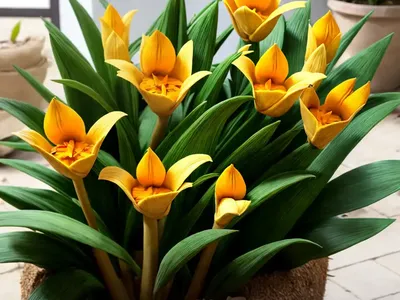
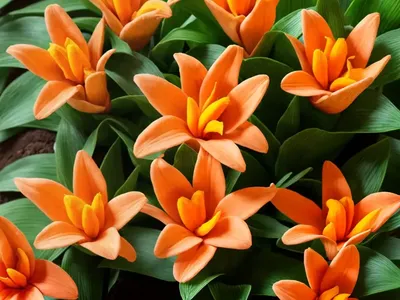
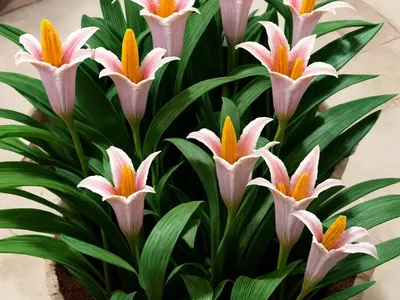
Siam Tulip (Curcuma Alismatifolia)
Siam Tulip (Curcuma Alismatifolia) is an exotic and enchanting tropical flowering plant that belongs to the ginger family, Zingiberaceae. This stunning.
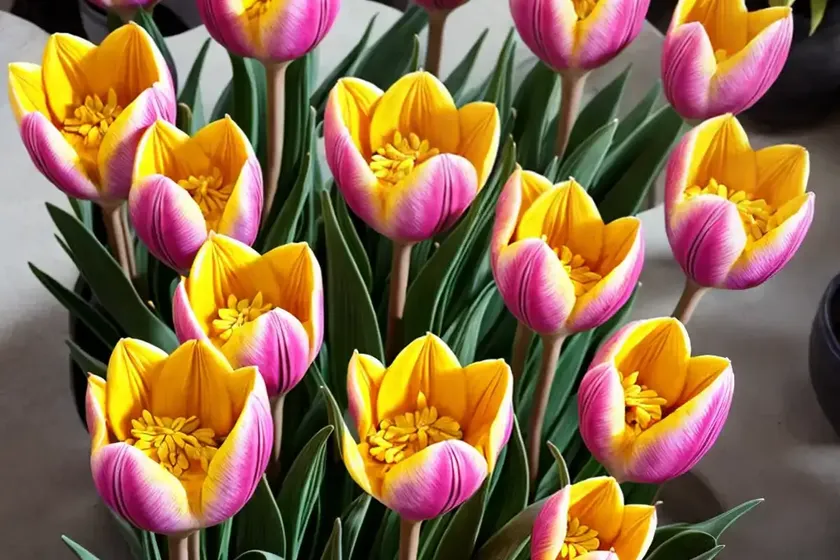
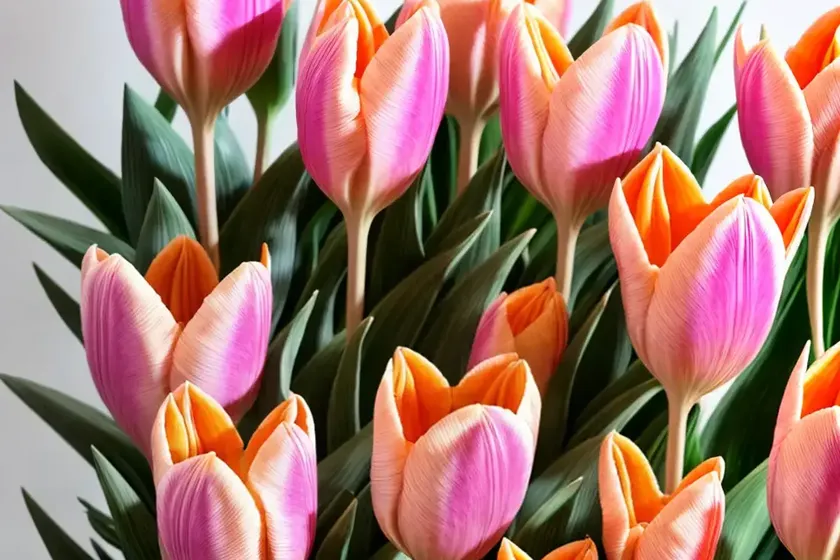
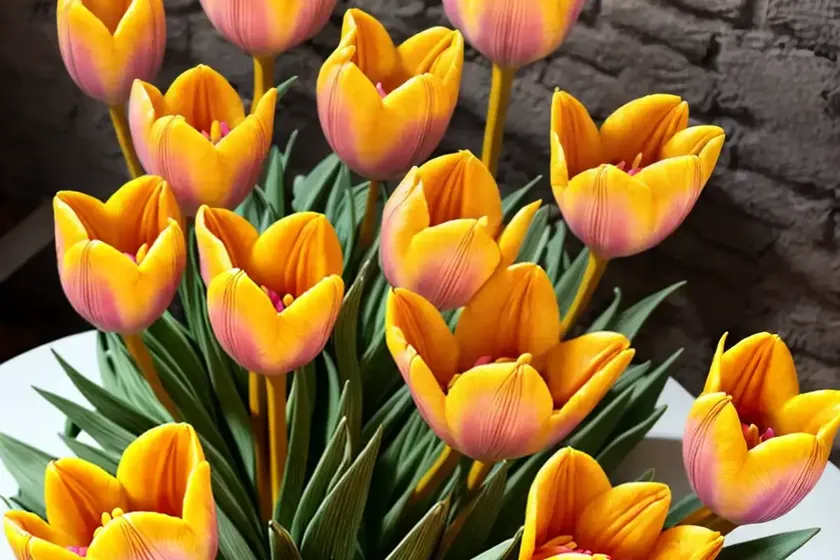
What is the Siam Tulip (Curcuma Alismatifolia)?
Siam Tulip (Curcuma Alismatifolia) is an exotic and enchanting tropical flowering plant that belongs to the ginger family, Zingiberaceae. This stunning plant is native to Southeast Asia, particularly Thailand, and is renowned for its vibrant and exquisite tulip-shaped flowers. The Siam Tulip is a rhizomatous perennial, characterized by its striking, lance-shaped leaves and remarkable inflorescence, which emerges from a tall, elegant spike. The plant’s botanical name, Curcuma Alismatifolia, reflects its relationship to the genus Curcuma and its unique leaf resemblance to certain Alisma species.
This comprehensive guide will delve into the cultivation, care, and various facets of this captivating plant, providing valuable insights for enthusiasts, gardeners, and botanists.
Key Takeaways – Siam Tulip (Curcuma Alismatifolia)
Before delving into the detailed aspects of the Siam Tulip, let’s take a brief look at the essential points that will be covered in this comprehensive guide:
- Plant Name: Siam Tulip (Curcuma Alismatifolia)
- Cultivation: Understanding the optimum conditions for growing Siam Tulips
- Uses: Exploring the cultural, ornamental, and medicinal uses of the Siam Tulip
- Water: Examining the watering requirements for this exotic plant
- Sunlight: Understanding the optimal sunlight conditions for Siam Tulips
- Fertilizer: Insights into feeding and nourishing the Siam Tulip
- Soil: Understanding the preferred soil types for cultivating Siam Tulips
- Pruning: Techniques for maintaining and shaping the Siam Tulip plant
- Propagation: Understanding the methods for propagating Siam Tulips
- Container: Tips for growing Siam Tulips in containers
- Popularity: Exploring the popularity and significance of Siam Tulips
- Common Diseases: Identifying and managing diseases that may affect Siam Tulips
- Common Pests: Understanding the pests that can threaten the health of Siam Tulips
- Botanist’s Tips: Valuable advice and recommendations for nurturing Siam Tulips
- Fun Facts: Discovering intriguing and captivating facts about Siam Tulips
- Links to External Resources: Providing additional resources for further information on Siam Tulips
The following sections will delve into these key aspects, offering comprehensive insights and guidance for cultivating and caring for the breathtaking Siam Tulip.
Culture
Siam Tulip (Curcuma Alismatifolia) Cultivation
The cultivation of Siam Tulips involves understanding and replicating their natural tropical habitat, creating an environment that facilitates their vibrant growth and stunning blooms. These are the essential aspects to consider:
-
Outdoor Planting: Siam Tulips thrive in moist, well-draining soil and require a warm and humid environment. They are ideally suited for USDA hardiness zones 8-11. When planting outdoors, ensure that the soil is rich in organic matter and that the location receives partial shade to filtered sunlight. The ideal time for outdoor planting is during the spring, allowing the plant to establish itself and bloom during the summer.
-
Indoor Care: For enthusiasts in regions with colder climates, cultivating Siam Tulips indoors is a viable option. Indoor cultivation requires replicating the tropical conditions of the plant’s natural habitat. This involves maintaining warmth, humidity, and providing bright, indirect sunlight. Ideally, indoor Siam Tulips should be placed in a location that receives morning sunlight and afternoon shade.
-
Seasonality: Siam Tulips are primarily summer bloomers, with their stunning flowers gracing the garden from late spring to mid-summer. It’s essential to understand their seasonal growth patterns to provide the necessary care and support during their active growth phases and dormancy.
-
Soil Preferences: The soil for Siam Tulips should be well-draining, rich in organic matter, and slightly acidic. A mix of peat moss, perlite, and compost is ideal for ensuring proper drainage and providing essential nutrients for the plant’s growth.
Siam Tulip (Curcuma Alismatifolia) Watering Requirements
Water is a critical factor in the successful cultivation of Siam Tulips. Proper watering practices are essential for maintaining the plant’s health and promoting robust growth and vibrant blooms. Consider the following guidelines for watering Siam Tulips:
-
Moisture: Siam Tulips thrive in consistently moist soil. While it’s crucial to avoid waterlogged conditions, the soil should never be allowed to dry out completely. During the active growing season, regular watering is essential, ensuring that the soil remains consistently moist without becoming waterlogged.
-
Seasonal Adjustments: Adjust the watering frequency based on the plant’s growth stage and environmental conditions. During the growing season, typically from late spring to mid-summer, Siam Tulips require more frequent watering to support their active growth and flowering. In contrast, reduce watering during the plant’s dormant phase, typically in the late fall and winter, to prevent waterlogging and root rot.
-
Water Quality: Ensure that the water used for irrigating Siam Tulips is of good quality and free from harsh chemicals and impurities. If tap water is the primary source, allow it to stand for 24 hours to dissipate any chlorine that may be present, as chlorine can adversely affect the plant’s root system.
-
Mulching: Applying a layer of organic mulch around the base of the Siam Tulip plant can help maintain soil moisture, regulate temperature, and suppress weed growth. Mulching also aids in preventing rapid moisture evaporation and provides a protective layer for the plant’s delicate roots.
Siam Tulip (Curcuma Alismatifolia) Sun Exposure
Sunlight plays a pivotal role in the growth and blooming of Siam Tulips. Here’s an overview of their sunlight requirements:
-
Optimal Conditions: Siam Tulips thrive in bright, indirect sunlight. In their natural habitat, they are often found in the undergrowth of tropical forests, receiving filtered sunlight that allows them to flourish without being exposed to harsh, direct sun rays.
-
Morning Sunlight: For outdoor planting, providing the plant with morning sunlight and afternoon shade is beneficial. This ensures that the Siam Tulips receive the essential sunlight they need for photosynthesis and growth while being shielded from the intense midday sun.
-
Indoor Placement: When cultivating Siam Tulips indoors, place them in a location that receives ample, indirect sunlight, such as near east-facing windows. Avoid placing the plants in direct sunlight, as this can lead to leaf scorching and heat stress.
-
Seasonal Variations: During the plant’s active growth and blooming phase, Siam Tulips benefit from consistent, gentle sunlight. As the seasons change and temperatures rise, ensure that the plants receive adequate shade during the hottest parts of the day to prevent stress and dehydration.
Siam Tulip (Curcuma Alismatifolia) Fertilizer
Fertilization is an essential aspect of caring for Siam Tulips, providing the necessary nutrients for robust growth and vibrant blooms. Consider the following guidelines for fertilizing Siam Tulips:
-
Fertilizer Composition: Use a balanced, water-soluble fertilizer with an NPK ratio of 10-10-10 or 20-20-20. These formulations provide a well-rounded blend of nitrogen, phosphorus, and potassium, along with essential micronutrients, promoting overall plant health and flowering.
-
Application Frequency: During the active growing season, which encompasses late spring to mid-summer, fertilize Siam Tulips every two to three weeks. Dilute the fertilizer to half or quarter strength, applying it to moist soil to prevent root burn and ensure efficient nutrient uptake.
-
Reduction in Winter: Scale back on fertilization during the plant’s dormant phase, typically in the fall and winter. With reduced growth and flowering, the plant’s nutrient requirements diminish, and excessive fertilization during this period can lead to nutrient imbalances and potential harm to the plant.
-
Organic Alternatives: For enthusiasts preferring organic alternatives, botanical-based fertilizers, such as those derived from seaweed, fish emulsion, or compost tea, can serve as effective options for nourishing Siam Tulips. These organic fertilizers provide a gentle and sustainable approach to promoting plant health and vitality.
Siam Tulip (Curcuma Alismatifolia) Soil Preferences
The soil composition and structure play a crucial role in the successful cultivation of Siam Tulips. Here’s a comprehensive overview of the plant’s soil preferences:
-
Drainage: Siam Tulips necessitate well-draining soil to prevent waterlogging and root rot. The soil should be porous and airy, allowing excess moisture to percolate through while providing ample oxygen to the plant’s root system.
-
Acidity: Siam Tulips prefer slightly acidic soil with a pH range of 5.5 to 6.5. This slightly acidic environment facilitates effective nutrient uptake and supports the plant’s overall physiological functions.
-
Organic Content: Incorporating organic matter such as peat moss, compost, or well-rotted manure into the soil enhances its nutrient content, improves its structure, and fosters a favorable environment for beneficial soil organisms.
-
Soil Structure: A well-balanced soil mix for Siam Tulips entails a blend of peat moss, perlite, and compost. This combination provides the necessary drainage, aeration, and nutrient retention required for the plant’s growth.
-
Container Cultivation: When growing Siam Tulips in containers, ensure that the pots or planters have sufficient drainage holes to allow excess water to escape. Use a high-quality potting mix with excellent drainage properties, ensuring that the soil remains consistently moist without becoming waterlogged.
Uses
Siam Tulip (Curcuma Alismatifolia) in Culture
The Siam Tulip holds significant cultural and regional importance in Thailand and surrounding regions. It is revered for its ornamental beauty, and its vibrant presence is intertwined with various cultural and ceremonial traditions. Here are some notable cultural uses of the Siam Tulip:
-
Symbolic Significance: In Thai culture, the Siam Tulip holds symbolic value and is often associated with purity, love, and the arrival of summer. The plant’s stunning blooms are integrated into traditional ceremonies, festivals, and celebrations, symbolizing renewal, prosperity, and the beauty of nature.
-
Festive Decor: During the Thai festival of Songkran, which marks the traditional Thai New Year, Siam Tulips are prominently featured in floral decorations, parades, and religious offerings. Their vibrant hues embellish sacred spaces, symbolizing the joy and abundance associated with the festival.
-
Cultural Festivals: The blooming season of Siam Tulips is celebrated in various cultural festivals and events, showcasing the plant’s captivating beauty and honoring its significance in local traditions. These festivals attract visitors from around the world, offering a glimpse into the cultural and aesthetic allure of the Siam Tulip.
-
Traditional Medicine: In certain traditional medicinal practices, the rhizomes of the Siam Tulip are utilized for their purported therapeutic properties. While the plant’s medicinal uses are predominantly rooted in folklore and traditional wisdom, its presence in indigenous medicine reflects its historical relevance and cultural significance.
Ornamental and Medicinal Uses of Siam Tulips
Beyond their cultural significance, Siam Tulips serve as ornamental wonders and may potentially offer medicinal benefits. Explore the multifaceted uses of the Siam Tulip in contemporary settings:
-
Garden Beautification: Siam Tulips are prized as ornamental plants, adorning gardens, landscapes, and floral arrangements with their resplendent blossoms. Their stunning inflorescence, vibrant colors, and graceful foliage make them coveted additions to tropical and subtropical gardens, imparting elegance and charm to outdoor spaces.
-
Cut Flowers: The captivating blooms of Siam Tulips are utilized as cut flowers, enhancing floral arrangements and bouquets with their exotic and radiant presence. Their striking hues and unique floral structure make them sought-after elements in floral design and decoration, enriching events, weddings, and celebratory occasions.
-
Ethnobotanical Significance: Siam Tulips hold ethnobotanical significance, embodying the indigenous knowledge and traditional practices of the regions in which they are cultivated. Their potential medicinal properties and historical uses in local healing traditions underscore their value beyond their aesthetic allure.
-
Cultural Conservation: The conservation and preservation of the Siam Tulip species are vital for safeguarding its cultural relevance, biodiversity, and ecological heritage. Efforts to cultivate, protect, and appreciate Siam Tulips contribute to the conservation of indigenous plants and the preservation of cultural traditions.
Siam Tulip (Curcuma Alismatifolia) in Traditional Medicine
While the traditional medicinal uses of Siam Tulips are rooted in folklore and local wisdom, they offer intriguing insights into the plant’s potential therapeutic properties. Here are some traditional uses associated with the Siam Tulip:
-
Ethnobotanical Practices: In certain traditional communities, the rhizomes of the Siam Tulip are used as a source of ethnobotanical remedies. The plant’s rhizomes are believed to possess properties that may be beneficial for specific ailments, serving as part of indigenous healthcare practices.
-
Poultices and Infusions: Preparations derived from the Siam Tulip rhizomes, such as poultices and herbal infusions, are believed to have soothing and healing properties. These traditional remedies are often used externally for skin ailments, minor injuries, or as a form of topical relief.
-
Cultural Significance: The utilization of the Siam Tulip in traditional medicine underscores its cultural importance, reflecting the historical connections between indigenous botanical resources and healthcare practices. While modern scientific validation is necessary to ascertain the plant’s medicinal efficacy, its ethnomedicinal heritage is a compelling aspect of its cultural identity.
-
Conservation and Awareness: Exploring the traditional medicinal uses of the Siam Tulip fosters an appreciation for the plant’s holistic significance, encompassing cultural, ecological, and medicinal dimensions. Such awareness contributes to the conservation and sustainable utilization of the plant and its associated knowledge.
Pruning
Pruning Techniques for Siam Tulips
Pruning plays a crucial role in maintaining the health, vigor, and aesthetic appeal of Siam Tulips. Proper pruning techniques contribute to the plant’s overall vitality and support its blooming capacity. Consider the following guidelines for pruning Siam Tulips:
-
Deadheading: Regular deadheading, the removal of spent or fading flowers, is essential for promoting continuous blooming and preventing the formation of seeds. Deadheading redirects the plant’s energy towards new growth and flower production, ensuring a prolonged and vibrant display of blooms.
-
Trimming Foliage: Periodically trim and tidy the foliage of Siam Tulips to remove any damaged, discolored, or withered leaves. This practice enhances the plant’s aesthetic appeal, reduces the risk of disease spread, and allows for improved air circulation around the plant.
-
Post-Blooming Care: After the flowering season, undertake a comprehensive pruning session to trim back the spent flower spikes and any remaining foliage. This prepares the plant for its dormant phase and encourages rejuvenated growth during the subsequent growing season.
-
Pruning Frequency: Engage in regular, light pruning throughout the growing season to maintain the plant’s shape and manage its size. Avoid heavy pruning, as this can diminish the plant’s energy reserves and impact its capacity for flowering.
-
Sanitization: Utilize clean and sharp pruning tools to prevent the transmission of diseases or infections. Disinfect the tools with a solution of 70% isopropyl alcohol or a diluted bleach solution after each use to safeguard the plant’s health.
-
Dormancy Pruning: During the plant’s dormancy, notable in the fall and winter, conduct a comprehensive pruning session to remove any remaining foliage and spent flower spikes. This prepares the Siam Tulip for its rest period and ensures a clean and rejuvenated start for the upcoming growing season.
Propagation
Curcuma Alismatifolia Propagation Techniques
Propagating Siam Tulips can be an enriching and rewarding endeavor, allowing enthusiasts to expand their plant collection and share the beauty of these exquisite flowers with others. Here are the primary propagation methods for Siam Tulips:
-
Rhizome Division: Division of the plant’s rhizomes is the most common and effective method for propagating Siam Tulips. In early spring, carefully lift the plant from the soil and gently separate the rhizomes, ensuring that each division contains viable nodes and buds. Replant the individual rhizome segments in prepared soil, maintaining adequate moisture and warmth to facilitate their establishment and growth.
-
Cutting Propagation: While less prevalent than rhizome division, propagating Siam Tulips from stem cuttings can be attempted with appropriate care and environmental conditions. Select healthy, non-flowering stems and trim them into sections with at least two nodes. Plant these cuttings in a well-draining, moist rooting medium, providing gentle bottom warmth and consistent humidity to encourage root development.
-
Seed Propagation: While Siam Tulips can be grown from seeds, this method is less commonly practiced due to the lengthy germination period and variability in seed viability. If propagating from seeds, sow them in a well-prepared seed-starting mix, maintain consistent moisture and warmth, and exercise patience as the seeds undergo germination and subsequent growth.
-
Division Considerations: When dividing Siam Tulip rhizomes, ensure that each section possesses sufficient stored nutrients, viable growth points, and healthy root systems. Provide optimal growing conditions and regular care to support the establishment of the divided rhizomes and encourage vigorous new growth.
-
Propagation Success: Patience, attention to detail, and the provision of favorable environmental conditions are essential for successful propagation. Be attentive to the needs of the newly propagated plants, adjusting care routines as necessary to promote their healthy development and acclimatization.
Container
Container Gardening with Siam Tulips
The allure of Siam Tulips extends to container gardening, offering enthusiasts the opportunity to cultivate these stunning plants in controlled environments while adding a touch of tropical elegance to indoor and outdoor spaces. Here’s a comprehensive overview of container gardening with Siam Tulips:
-
Pot Selection: When choosing pots for growing Siam Tulips, opt for containers with sufficient depth and width to accommodate the plant’s rhizome system and allow for ample root development. Ensure that the pots have drainage holes to prevent waterlogging and establish a healthy root environment.
-
Potting Mix: Utilize a high-quality, well-draining potting mix with a balanced blend of organic matter, perlite, and compost. This mix offers the necessary aeration, moisture retention, and nutrient content for supporting the growth and blooming of Siam Tulips in containers.
-
Indoor Cultivation: In regions with colder or less hospitable climates, growing Siam Tulips indoors in containers allows enthusiasts to create a conducive environment for these tropical plants. Select an indoor location with bright, indirect sunlight and maintain consistent warmth and humidity to mimic the plant’s natural habitat.
-
Outdoor Containers: When cultivating Siam Tulips in outdoor containers, position the pots in areas that receive partial shade, ensuring that the plants enjoy the optimal balance of sunlight and protection from intense heat. Monitor