Zedoary (Curcuma Zedoaria): A Comprehensive Plant Guide
Introduction
Curcuma zedoaria, commonly known as zedoary, is a perennial herb and a member of the ginger family, Zingiberaceae. It is native to South Asia and Southeast Asia, where it has been cultivated and used for centuries due to its culinary, medicinal, and ornamental properties. This comprehensive guide will provide plant enthusiasts, herbalists, and gardeners with valuable insights into the cultivation, care, and uses of Curcuma zedoaria.
What is Zedoary (Curcuma Zedoaria)?
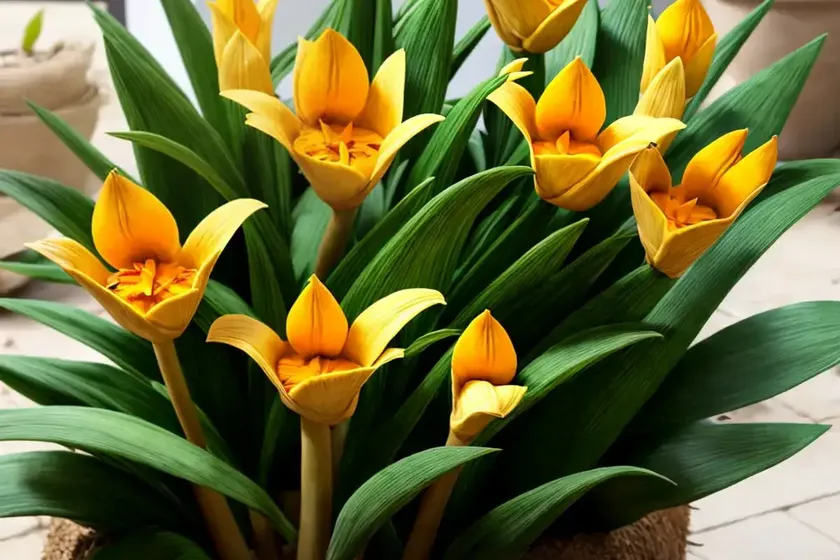
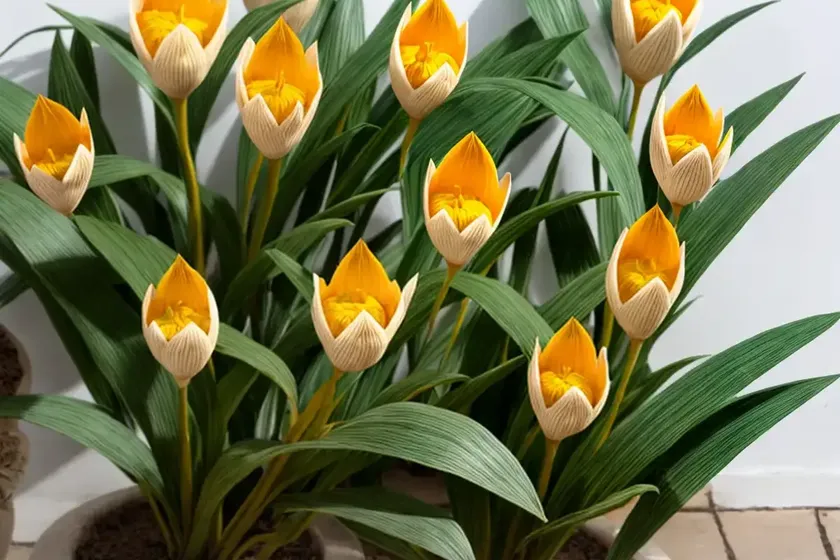
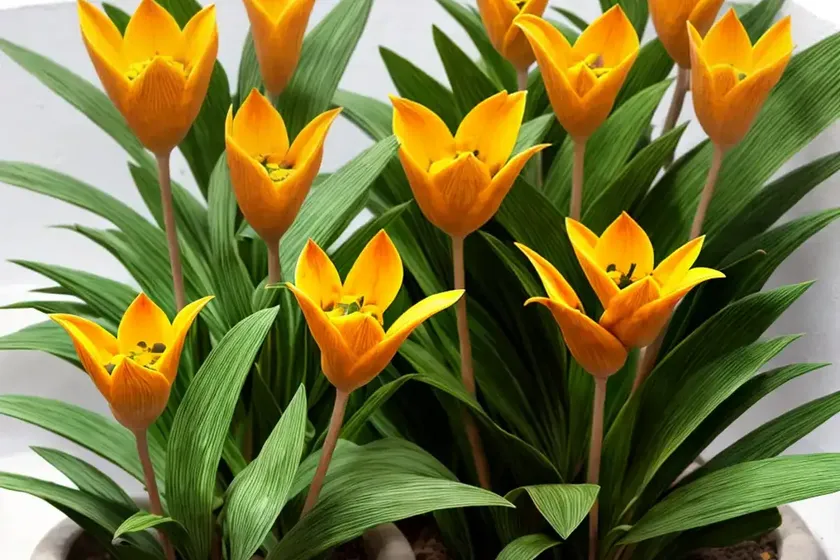
Curcuma zedoaria, also known as white turmeric, is a rhizomatous herbaceous plant characterized by its striking foliage and vibrant flowers. The plant typically reaches a height of 3 to 4 feet, and its rhizomes are widely known for their culinary and medicinal properties. The rhizomes are an essential component of traditional herbal medicine systems such as Ayurveda, Siddha, and traditional Chinese medicine.
Key Takeaways
- Botanical Name: Curcuma zedoaria
- Common Names: Zedoary, white turmeric
- Family: Zingiberaceae
- Native Region: South Asia, Southeast Asia
- Plant Type: Perennial herb
Culture
Cultivating Curcuma zedoaria requires attention to specific cultural requirements to ensure optimal growth and yield. From soil conditions to sunlight exposure, understanding the cultural needs of the plant is crucial for successful cultivation.
Uses
The uses of Curcuma zedoaria are diverse, encompassing culinary, medicinal, and ornamental applications. Understanding these uses is essential for maximizing the potential of this versatile plant.
Culinary Uses
- The rhizomes of Curcuma zedoaria are used as a culinary spice in various Asian cuisines.
- They add a unique, earthy flavor to dishes and are often used in pickles, preserves, and curries.
Medicinal Uses
- In traditional medicine, zedoary is valued for its anti-inflammatory, digestive, and antioxidant properties.
- It is used in herbal remedies for various ailments, ranging from digestive issues to skin conditions.
Ornamental Uses
- The vibrant flowers and lush foliage of Curcuma zedoaria make it an attractive ornamental plant for gardens and indoor spaces.
Water
Proper watering is essential for the health and vigor of Curcuma zedoaria. The plant requires consistently moist soil, but it is crucial to avoid waterlogged conditions, which can lead to root rot.
- Watering Frequency: Water the plant regularly, ensuring that the soil remains uniformly moist.
- Drainage: Use well-draining soil to prevent water accumulation around the rhizomes.
Sunlight
Curcuma zedoaria thrives in partial shade to full shade, making it a suitable plant for shaded gardens or indoor spaces with limited direct sunlight.
- Light Requirements: Provide dappled sunlight or filtered shade for optimal growth.
- Indoor Placement: Select indoor locations with adequate indirect sunlight to accommodate the plant’s light requirements.
Fertilizer
Proper fertilization supports the growth and development of Curcuma zedoaria, providing essential nutrients for robust foliage and rhizome production.
- Fertilizer Type: Use a balanced, water-soluble fertilizer with a higher potassium content to promote rhizome development.
- Application Frequency: Apply fertilizer every 4-6 weeks during the growing season, reducing frequency in the winter months.
Soil
The choice of soil is critical for the successful cultivation of Curcuma zedoaria, as it directly impacts root health, moisture retention, and nutrient availability.
- Soil Type: Use a well-draining, loamy soil with a slightly acidic to neutral pH (5.5-7.0).
- Moisture Retention: Ensure that the soil retains moisture without becoming waterlogged.
Pruning
Pruning is an essential aspect of zedoary plant care, promoting healthy growth, aesthetic appeal, and rhizome development.
- Dead Leaf Removal: Remove any dead or yellowing leaves to maintain plant hygiene and appearance.
- Flower Stalk Pruning: Prune spent flower stalks to redirect the plant’s energy towards foliage and rhizome growth.
Propagation
Curcuma zedoaria can be propagated through division, allowing gardeners to expand their zedoary plant collection or share the plant with others.
- Division Technique: Divide mature rhizomes into sections, ensuring that each section has viable buds for new growth.
- Optimal Timing: Propagate zedoary in the spring, providing favorable conditions for rhizome establishment.
Container Popularity
The versatility and ornamental appeal of Curcuma zedoaria make it a popular choice for container gardening, adding a unique touch to indoor and outdoor spaces.
- Indoor Containers: Zedoary thrives in well-draining containers placed in areas with indirect sunlight.
- Outdoor Containers: Enhance outdoor spaces with potted zedoary plants, adding vibrant foliage and flowers to patios and gardens.
Common Diseases
Understanding the potential diseases affecting Curcuma zedoaria is crucial for implementing preventive measures and maintaining plant health.
Disease Diagnosis
- Rhizome Rot: Excessive moisture and poor drainage can lead to rhizome rot, identified by soft, discolored rhizomes and foul odor.
- Leaf Spot: Leaf spot diseases manifest as dark, water-soaked lesions on the foliage, often caused by fungal pathogens.
Common Pests
Pest management is essential to protect zedoary plants from infestations that can compromise their health and vitality.
- Spider Mites: These tiny pests can cause stippling on the leaves and weaken the plant over time.
- Mealybugs: Mealybugs can cluster on the foliage and stems, sapping the plant of nutrients and vigor.
Botanist’s Tips
Botanist’s insights and recommendations can provide valuable guidance for successfully cultivating and caring for Curcuma zedoaria.
- Rhizome Inspection: Regularly check the rhizomes for signs of decay or damage, removing affected sections promptly.
- Optimal Humidity: Maintain moderate humidity levels for zedoary plants, providing a conducive environment for growth.
Fun Facts
- The rhizomes of Curcuma zedoaria have been used across cultures for their culinary and medicinal properties for centuries.
- Zedoary plants are valued for their vibrant foliage and flowers, making them popular ornamental additions to gardens and indoor spaces.
Links to External Resources
For additional information and resources on Curcuma zedoaria, refer to the following links:
- Curcuma Zedoaria Benefits and Medicinal Uses
- Growing Zedoary Plant: A Cultivation Guide
- Zedoary Root Uses in Traditional Medicine
- Zedoary essential oil uses and properties
In conclusion, Curcuma zedoaria, or zedoary, is a fascinating plant with a rich history of culinary, medicinal, and ornamental uses. By understanding its cultural requirements, care guidelines, and diverse applications, plant enthusiasts can appreciate the unique characteristics and benefits of this versatile herb. Whether cultivated for its rhizomes, vibrant foliage, or therapeutic properties, zedoary remains an intriguing and valuable addition to gardens, herbal medicine practices, and culinary traditions.