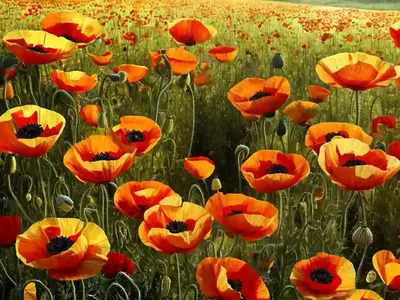
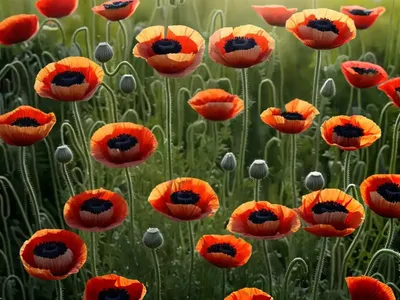
Shirley Poppy (Papaver Rhoeas)
Shirley Poppy, scientifically known as Papaver rhoeas, is a captivating and vibrant flowering plant that has captured the hearts of gardeners and nature.

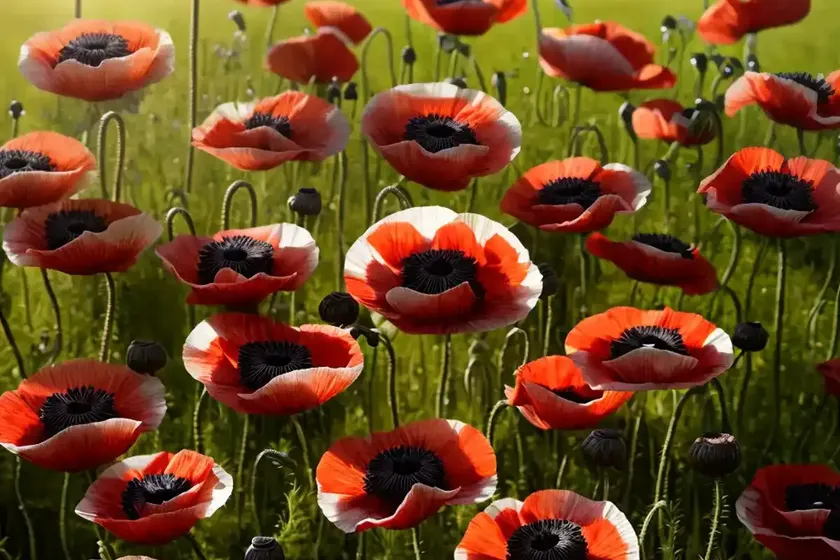
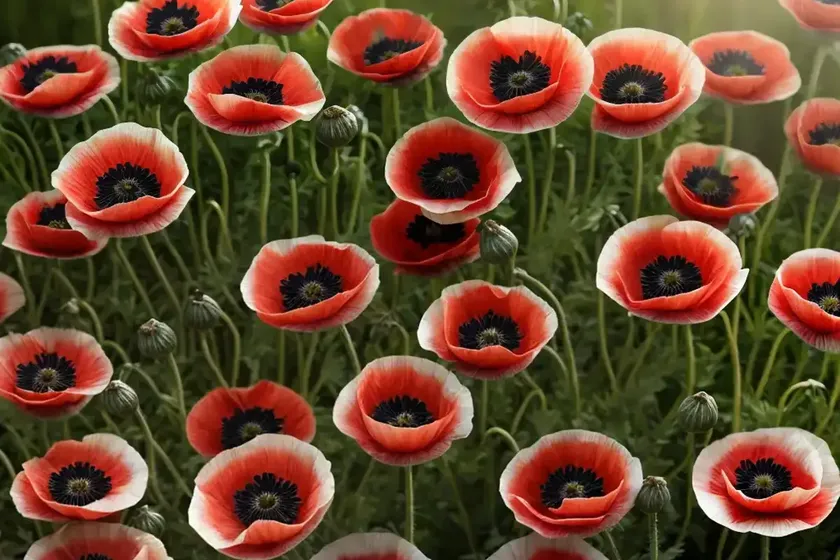
Shirley Poppy, scientifically known as Papaver rhoeas, is a captivating and vibrant flowering plant that has captured the hearts of gardeners and nature enthusiasts for centuries. In this comprehensive guide, we will delve into the wonderful world of Shirley Poppy, exploring its cultural significance, characteristics, growth requirements, and much more. Whether you’re a seasoned gardener or a budding plant enthusiast, there’s something intriguing to learn about this iconic bloom.
What is Shirley Poppy (Papaver Rhoeas)?
Shirley Poppy, also referred to as Corn Poppy, is an annual flowering plant belonging to the Papaveraceae family. This delicate and ethereal bloom is native to Europe, where it graces fields, meadows, and open spaces with its vibrant hues. The plant is characterized by its striking, crinkled petals and captivating color variations, ranging from delicate pinks and whites to bold reds and oranges.
Shirley Poppy holds both cultural and historical significance, making it a cherished symbol in various traditions and narratives across different cultures. Its allure extends beyond its ornamental beauty, as it has also been associated with medicinal, culinary, and symbolic uses.
Key Takeaways – Shirley Poppy (Papaver Rhoeas)
Before we embark on an in-depth exploration of Shirley Poppy, let’s take a moment to highlight some key takeaways about this captivating bloom:
- Scientific Name: Papaver rhoeas
- Family: Papaveraceae
- Common Names: Shirley Poppy, Corn Poppy, Flanders Poppy
- Growth Habit: Annual
- Blooming Season: Late spring to early summer
- Cultural Significance: Symbol of remembrance, folklore, and traditional medicine
- Characteristics: Crinkled petals, vibrant color variations, slender stems
Now, let’s immerse ourselves in the captivating world of Shirley Poppy, uncovering its cultivation, uses, and much more.
Cultivation of Shirley Poppy
Cultivating Shirley Poppies can be a truly rewarding experience, allowing you to witness the stunning beauty of these enchanting blooms as they grace your garden or outdoor space. Whether you’re a novice gardener or a seasoned horticulturist, understanding the cultivation requirements of Shirley Poppy is essential for ensuring its optimal growth and blooming potential.
Water
Shirley Poppies thrive in well-drained soil and prefer moderate moisture levels. While they require consistent watering, especially during dry spells, it’s crucial to avoid overwatering, as this can lead to root rot and other moisture-related issues. When watering Shirley Poppy plants, aim to keep the soil evenly moist, allowing it to dry out slightly between watering sessions.
Sunlight
To thrive and produce abundant blooms, Shirley Poppies require ample sunlight. Ideally, they should be grown in full sun, receiving at least 6-8 hours of direct sunlight per day. Adequate sunlight not only promotes lush foliage growth but also enhances the vibrancy of the poppy’s petals, resulting in a dazzling display of color.
Fertilizer
When it comes to fertilizing Shirley Poppy plants, a balanced, all-purpose fertilizer can be applied during the early stages of growth to promote healthy development. However, it’s important to avoid over-fertilization, as excessive nitrogen can lead to lush foliage at the expense of flower production. Once the plants have established themselves, minimal fertilization is generally required, as they can thrive in moderately fertile soil.
Soil
Shirley Poppies thrive in well-drained, moderately fertile soil with a slightly acidic to neutral pH. It’s important to ensure that the soil provides good drainage, as waterlogging can be detrimental to the plants. Additionally, incorporating organic matter into the soil can enhance its fertility and structure, providing an optimal growing medium for Shirley Poppy plants.
Pruning and Deadheading
Pruning and deadheading are essential practices for maintaining the health and vigor of Shirley Poppy plants while encouraging prolonged blooming. Deadheading, the process of removing spent flowers, prevents the plants from setting seeds too early, thereby prolonging the blooming period and promoting continuous flower production.
Propagation
Shirley Poppies can be propagated through seeds, making them a popular choice for gardeners seeking to expand their poppy displays. The seeds of Shirley Poppy plants can be sown directly into the ground or started indoors and then transplanted outdoors once the risk of frost has passed. This method allows for easy propagation and the creation of diverse poppy displays, showcasing an array of colors and variations.
Container Cultivation
While Shirley Poppy plants are commonly grown directly in garden beds and outdoor spaces, they can also thrive in containers, making them an ideal choice for container gardening enthusiasts. When cultivating Shirley Poppies in containers, it’s crucial to ensure that the pots or containers provide adequate drainage and ample space for root development. Additionally, regular watering and maintenance are essential for achieving optimal growth and blooming in container-grown Shirley Poppies.
Uses of Shirley Poppy
Beyond its enchanting aesthetic appeal, Shirley Poppy holds several practical and symbolic uses, ranging from traditional medicine to ornamental landscaping. Let’s explore the diverse uses of this iconic bloom.
Ornamental Use
Shirley Poppies are widely cherished for their ornamental value, adorning gardens, meadows, and landscapes with their vibrant colors and delicate, crinkled petals. Whether grown en masse or showcased as focal points in floral displays, Shirley Poppies add an ethereal and romantic touch to any outdoor setting.
Medicinal Applications
In traditional herbal medicine, Shirley Poppy has been used to alleviate pain and promote relaxation. The plant contains compounds with potential analgesic properties, making it a subject of interest in natural remedies and alternative medicine practices.
Symbolism and Folklore
Shirley Poppy holds diverse symbolic meanings across different cultures and traditions. From serving as a symbol of remembrance and commemoration in Western cultures to embodying themes of love, prosperity, and nature’s ephemeral beauty, the poppy holds a rich tapestry of symbolism and folklore.
Culinary Exploration
While Shirley Poppy is not commonly consumed in modern culinary practices, the seeds of the plant have historically been used as a thickening agent and for their potential nutritional benefits. However, it’s important to note that the seeds of Shirley Poppy are not widely utilized in contemporary gastronomy due to their mild toxic properties.
Common Diseases and Pests
Just like any other plant, Shirley Poppy is susceptible to certain diseases and pest infestations that can affect its overall health and vitality. By familiarizing yourself with the potential challenges that Shirley Poppy plants may face, you can take proactive measures to prevent and manage these issues effectively.
Common Diseases
- Powdery Mildew: This fungal disease manifests as a white, powdery growth on the leaves and stems of the plants. It thrives in humid conditions and can be mitigated through proper air circulation and the application of fungicidal treatments if necessary.
- Damping Off: Damping off is a common issue that affects young seedlings, causing them to collapse and decay at the soil line. To prevent damping off, it’s essential to ensure proper ventilation, avoid overwatering, and provide well-draining soil for seedling growth.
Disease Diagnosis
When identifying and diagnosing diseases affecting Shirley Poppy plants, it’s important to carefully observe the symptoms and signs of distress. Monitoring changes in leaf color, texture, and overall plant growth can provide valuable insights into the specific diseases or issues affecting the plants, allowing for targeted interventions and treatments.
Common Pests
- Aphids: These tiny, sap-sucking insects can congregate on the tender shoots and buds of Shirley Poppy plants, causing distorted growth and potential virus transmission. Natural predators such as ladybugs and lacewings can help manage aphid populations, while insecticidal soaps provide an effective control method.
- Slugs and Snails: These voracious herbivores can wreak havoc on young and tender Shirley Poppy seedlings, devouring leaves and causing irreparable damage. Creating physical barriers and employing organic deterrents can help protect the plants from slug and snail infestations.
Botanist’s Tips for Growing Shirley Poppies
As you embark on your journey of cultivating Shirley Poppies, consider these valuable tips from botanists and horticultural experts to enhance your growing experience:
- Choose a Sunny Site: Select a well-drained, sunny location for planting Shirley Poppy seeds or seedlings to ensure optimal growth and blooming.
- Practice Vigilant Watering: Provide consistent, moderate watering to Shirley Poppy plants, avoiding waterlogged conditions and drought stress.
- Implement Adequate Support: As the delicate stems of Shirley Poppies can be prone to bending and swaying, consider providing gentle support to protect the plants from wind damage.
- Encourage Naturalization: In areas where environmental conditions are favorable, Shirley Poppies have the potential to naturalize and self-seed, creating enchanting displays of wildflowers over time.
Fun Facts about Shirley Poppy
Delve into the intriguing world of Shirley Poppy with these captivating fun facts about this iconic bloom:
- Symbol of Memorial Day: In the United States, the red poppy, including the Shirley Poppy, holds significant symbolism in commemorating Memorial Day and honoring fallen veterans.
- Mythological Connections: Poppies, including the species Papaver rhoeas, have been associated with various mythological narratives, including connections to the Greek goddess Demeter and the deity Morpheus in Greco-Roman mythology.
- Landmark at Flanders Fields: The striking sight of flowering poppies in Flanders Fields serves as a poignant symbol of remembrance for soldiers who lost their lives during World War I, as immortalized in the famous poem “In Flanders Fields” by John McCrae.
Links to External Resources
Continue your exploration of Shirley Poppy and its many facets with these valuable external resources:
- Royal Horticultural Society – Papaver rhoeas
- Missouri Botanical Garden – Papaver rhoeas
- Burpee Seeds – Shirley Poppy
- The Wildlife Trusts – Corn Poppy
Closing Thoughts
Shirley Poppy, with its captivating beauty and rich cultural significance, continues to captivate the hearts and imaginations of plant enthusiasts and nature lovers around the world. From its vibrant blooms to its rich symbolism and diverse uses, this iconic flower holds a special place in horticulture, history, and the human experience. As you embrace the art of growing and appreciating Shirley Poppies, may the elegance and charm of these blooms inspire moments of beauty and reflection in your garden and beyond.