Plant Scientist’s Guide to Shepherd’s-purse (Capsella Bursa-pastoris)
Capsella Bursa-pastoris Overview
Shepherd’s-purse (Capsella Bursa-pastoris) is a humble yet fascinating plant that has been valued for centuries for its various uses in medicine, culinary applications, and folklore. As a plant scientist, I am excited to delve into the depths of this botanical marvel, exploring its description, cultivation, uses, and much more.
Shepherd’s-purse Plant Description
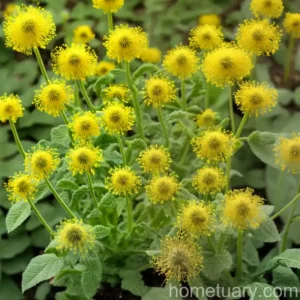
Shepherd’s-purse, scientifically known as Capsella Bursa-pastoris, is a flowering plant belonging to the Brassicaceae family. It is characterized by its small, heart-shaped seed pods that resemble the bags historically carried by shepherds, hence its intriguing common name. This herbaceous annual or biennial plant typically reaches heights of 20-50cm.

The leaves of the Shepherd’s-purse plant are deeply lobed, with a rosette formation at the base of the stem. Its delicate white flowers bloom in clusters, adding a touch of elegance to its overall appearance. The plant is native to Europe and Asia but has naturalized in various regions around the world.
Benefits of Capsella Bursa-pastoris
Shepherd’s-purse is not just a visually appealing botanical specimen; it has a multitude of practical and beneficial uses. Some of the key benefits of Capsella Bursa-pastoris include:
- Medicinal properties
- Culinary applications
- Ecological importance as a companion plant
- Folklore and symbolism
- Herbal remedies and therapeutic properties
- Nutritional value
- Habitat and distribution
- Antioxidant and anti-inflammatory effects
- Spiritual and energetic qualities
- Impact on cardiovascular health
Growing Shepherd’s-purse in Your Garden
Culture
When considering incorporating Shepherd’s-purse into your garden, it’s essential to understand its ideal growing conditions to facilitate its thriving. Here are the key factors to consider:
Uses
- Medicinal Uses: Shepherd’s-purse has a long history of traditional medicinal uses, particularly in herbal remedies and natural medicine.
- Culinary Uses: The plant has been used in cooking, adding a unique flavor to various dishes.
Water
- Shepherd’s-purse generally thrives in moist to slightly dry soil, so it’s important to provide regular, consistent watering to keep the soil evenly moist.
Sunlight
- This plant prefers partial to full sun, making it suitable for a wide range of garden settings.
Fertilizer
- While Shepherd’s-purse is not particularly demanding in terms of fertilization, a balanced, organic fertilizer applied in early spring can help promote healthy growth and development.
Soil
- It tends to do well in well-draining, moderately fertile soil, making it adaptable to various soil types, including loamy and sandy soils.
Pruning
- Regular deadheading of spent flowers can encourage continued blooming, and removing any damaged or unhealthy foliage is beneficial for the overall health of the plant.
Propagation
- Shepherd’s-purse can be propagated through both seeds and division, offering flexibility in expanding its presence in the garden.
Container Popularity
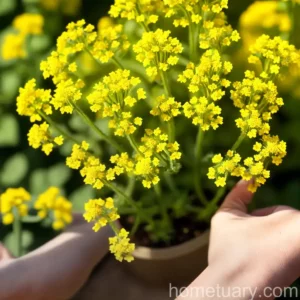
- Due to its compact size and attractive foliage, Shepherd’s-purse is well-suited for container gardening, adding a touch of greenery to balconies, patios, and small outdoor spaces.
Common Diseases and Pests
As with many plants, Shepherd’s-purse is susceptible to certain diseases and pests that can impact its health and vigor.
Disease Diagnosis
Common diseases that may affect Shepherd’s-purse include fungal infections such as powdery mildew and downy mildew, as well as bacterial diseases.
Common Pests
Pests like aphids, flea beetles, and caterpillars can pose challenges to the well-being of Shepherd’s-purse, requiring vigilant monitoring and appropriate interventions to manage infestations.
Botanist’s Tips
As a plant scientist, I highly recommend the following tips for successfully cultivating and caring for Shepherd’s-purse:
- Provide adequate moisture without waterlogging the soil.
- Ensure sufficient sunlight for healthy growth and blooming.
- Monitor for signs of disease and pests, taking proactive measures to address any issues promptly.
- Consider the plant’s versatility in both garden beds and containers, allowing for creative arrangements and design options.
Fun Facts
- Shepherd’s-purse has a rich history of folklore and traditional uses, making it a plant of cultural significance.
- The plant’s botanical name, Capsella Bursa-pastoris, translates to “purse of the shepherd,” alluding to the distinctive shape of its seed pods.
- Shepherd’s-purse has been a subject of interest for herbalists, botanists, and naturalists throughout the ages, showcasing its enduring appeal.
Links to External Resources
To further explore the diverse aspects of Shepherd’s-purse, here are some valuable resources:
– UN Food and Agriculture Organization – Capsella Bursa-pastoris
– USDA Plants Database – Capsella Bursa-pastoris
In conclusion, Shepherd’s-purse (Capsella Bursa-pastoris) stands as a captivating botanical specimen with a wealth of practical applications and historical significance. Its presence in the garden adds not only visual charm but also potential benefits for health, culinary creativity, and ecological balance. As a plant scientist, I encourage enthusiasts and gardeners to embrace the allure of Shepherd’s-purse and appreciate its multifaceted nature in the world of plants.