Shell Ginger (Alpinia Zerumbet Variegata)
Shell ginger, scientifically known as Alpinia zerumbet variegata, is a stunning and versatile plant that has gained popularity among gardening enthusiasts.
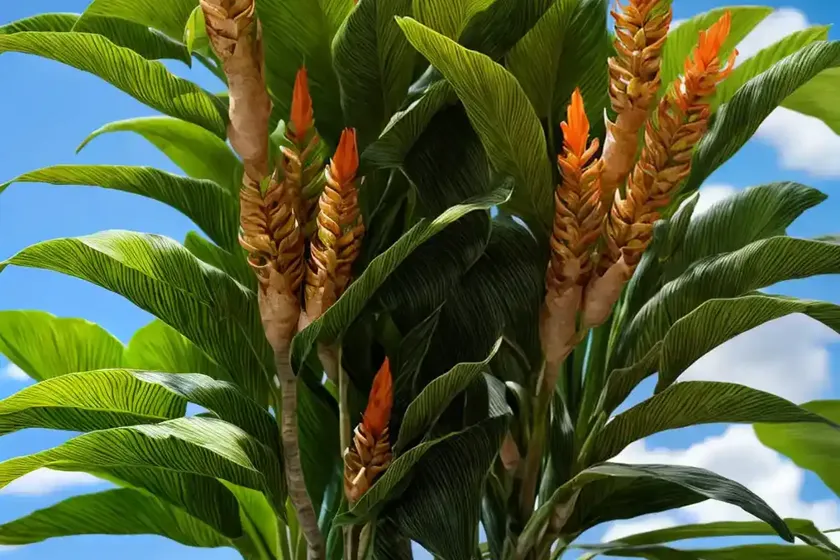
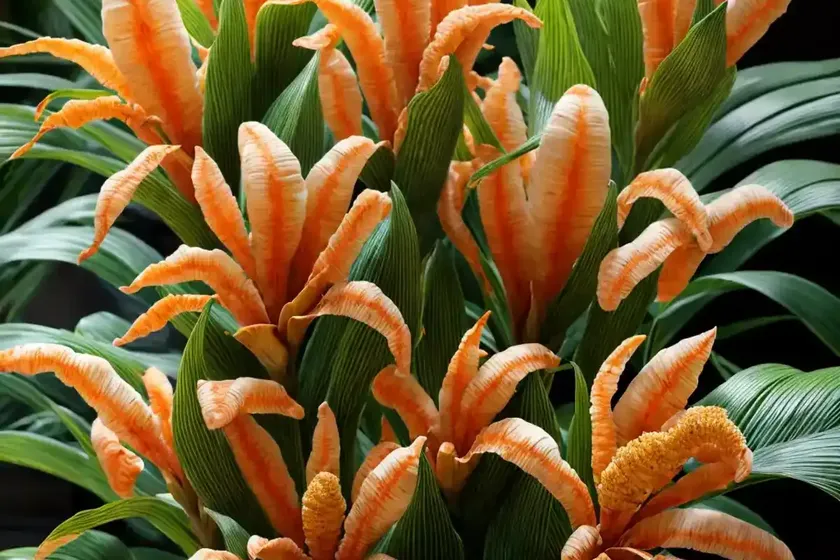
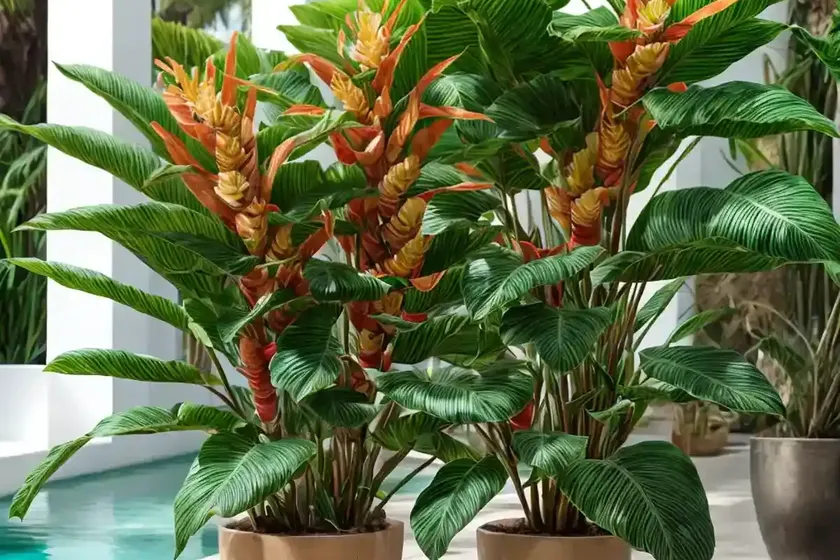
Shell ginger, scientifically known as Alpinia zerumbet variegata, is a stunning and versatile plant that has gained popularity among gardening enthusiasts for its unique foliage and multiple uses. In this comprehensive guide, we will delve into the culture, uses, care guide, propagation, common diseases, and much more to help you understand and grow this beautiful plant successfully.
What is Shell Ginger (Alpinia zerumbet variegata)?
Shell ginger, a member of the ginger family (Zingiberaceae), is a tropical perennial plant known for its attractive variegated foliage. Originating from East Asia, particularly from regions such as Japan, Taiwan, and China, this plant has made its way into gardens across the world due to its ornamental beauty and various practical applications.
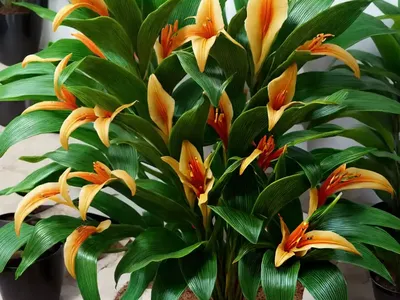
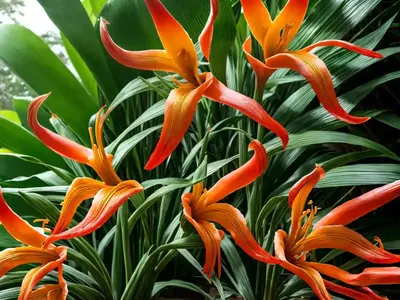
The plant is characterized by its large, lance-shaped leaves that have striking green and white variegation, creating a captivating visual appeal. They form dense clumps, making shell ginger an excellent choice for adding lushness and texture to gardens and landscapes. Shell ginger also produces inflorescences that bear small, delicate flowers with vibrant colors, adding to its overall charm.
Key Takeaways – Shell Ginger (Alpinia zerumbet variegata)
Here are some key takeaways about shell ginger:
- Scientific Name: Alpinia zerumbet variegata
- Common Names: Shell ginger, Variegated shell ginger
- Family: Zingiberaceae
- Origin: East Asia
- Foliage: Large, lance-shaped leaves with green and white variegation
- Flowers: Small, vibrant-colored flowers in inflorescences
- Uses: Ornamental, culinary, medicinal, and landscaping purposes
Now that we have a basic understanding of shell ginger, let’s explore its culture, uses, and growth requirements in detail.
Culture
When it comes to the culture of shell ginger, understanding its specific requirements for water, sunlight, fertilizer, soil, and pruning is essential for its successful growth and development. Let’s explore each of these aspects in detail.
Water
Shell ginger plants thrive in consistently moist soil, making regular watering a crucial aspect of their care. However, it’s important to avoid waterlogging, as excessive moisture can lead to root rot and other issues. The soil should be allowed to dry slightly between watering sessions to prevent waterlogged conditions.
Sunlight
Ideally, shell ginger should be grown in partial to full shade, especially in regions with intense heat and sunlight. While it can tolerate some morning sun, it generally prefers a shaded environment to prevent scorching of the delicate foliage. In cooler climates, the plant can handle more sunlight, but protection from harsh afternoon sun is still advisable.
Fertilizer
To support healthy growth and lush foliage, fertilizing shell ginger plants is important. A balanced, slow-release fertilizer applied during the growing season can provide the necessary nutrients for the plant’s development. Additionally, incorporating organic matter into the soil during planting can help improve the overall fertility and structure of the soil.
Soil
Shell ginger plants prefer well-draining, fertile soil with a slightly acidic to neutral pH. Incorporating organic compost or matter into the soil can enhance its fertility while helping maintain consistent soil moisture levels. Additionally, ensuring good drainage is essential to prevent water-related issues.
Pruning
Pruning shell ginger is primarily focused on removing dead or damaged foliage and spent flower stalks to maintain a tidy and healthy appearance. It’s also important to thin out overcrowded clumps, allowing for better air circulation and reducing the risk of diseases. Regular pruning can help stimulate new growth and shape the plant as desired.
Uses
Shell ginger has a wide range of uses, making it a versatile and valuable addition to gardens, landscapes, and even culinary and medicinal applications. Let’s explore the various uses of shell ginger in greater detail.
Ornamental Plant
The variegated foliage of shell ginger makes it a prized ornamental plant, adding texture and visual interest to gardens and landscapes. Its lush, tropical appearance makes it an excellent choice for creating lush, exotic-themed gardens and providing contrast and vibrancy within mixed plantings.
Culinary Uses
While the primary culinary use of ginger is derived from the common culinary ginger (Zingiber officinale), shell ginger also has its place in culinary applications. Its young rhizomes and tender shoots can be utilized in cooking, adding a delicate, slightly spicy flavor to dishes. However, it’s important to use shell ginger in moderation, as its flavor can be quite different from that of common ginger.
Medicinal Applications
In traditional medicine, shell ginger has been utilized for its potential medicinal properties. It is believed to possess anti-inflammatory, antioxidant, and digestive benefits, leading to its use in herbal remedies and teas. However, it’s important to consult with a healthcare professional before using shell ginger for medicinal purposes.
Landscaping
With its lush foliage and attractive flowers, shell ginger is a popular choice for landscaping applications. It can be used as a border plant, ground cover, or even as a privacy screen, adding both aesthetic and functional value to outdoor spaces. Its ability to thrive in shaded environments makes it particularly useful for filling in underutilized areas of the garden.
Shell Ginger Care Guide
Now that we understand the cultural requirements and versatile uses of shell ginger, let’s delve into a comprehensive care guide to help enthusiasts grow and maintain this beautiful plant successfully. We will cover topics such as watering needs, pruning techniques, fertilizer requirements, sunlight preferences, and more.
Watering Needs
Ensuring proper watering is essential for the health and vigor of shell ginger plants. Here are some key points to keep in mind regarding their watering needs:
- Consistent Moisture: Maintaining consistent moisture in the soil is crucial for shell ginger plants. Regular, deep watering sessions can help achieve this, especially during dry periods or in containers.
- Preventing Waterlogging: While the soil should be kept consistently moist, it’s important to avoid waterlogging, as overly saturated conditions can lead to root rot and other issues. Good drainage is essential to prevent water-related problems.
Sunlight Requirements
Understanding the sunlight preferences of shell ginger is important for providing an optimal growing environment. Here are some important considerations regarding its sunlight requirements:
- Partial to Full Shade: Shell ginger plants thrive in partial to full shade, especially in areas with intense sunlight and heat. Protecting the plant from direct afternoon sun can help prevent foliage scorching and maintain its lush appearance.
- Morning Sun Exposure: While the plant can tolerate some morning sun, it generally prefers a shaded environment, making it suitable for areas with filtered light or dappled shade.
Fertilizer Requirements
Fertilizing shell ginger plants can help support their growth and overall health. Here are some guidelines for meeting their fertilizer requirements:
- Balanced Fertilizer: Using a balanced, slow-release fertilizer during the growing season can provide the necessary nutrients for healthy foliage and flowering.
- Organic Amendments: Incorporating organic matter or compost into the soil during planting can enhance its fertility and structure, contributing to the overall health of the plant.
Pruning Techniques
Regular pruning is important for maintaining the appearance and health of shell ginger plants. Here are some key techniques for effective pruning:
- Removing Dead or Damaged Foliage: Regularly inspect the plant for dead or damaged leaves, and promptly remove them to maintain a tidy appearance and prevent potential disease issues.
- Trimming Spent Flower Stalks: After the flowering period, trimming off spent flower stalks can help redirect the plant’s energy towards new growth and future flowering.
Propagation
Shell ginger plants can be propagated through various methods, including division, stem cuttings, and rhizome division. Let’s explore these propagation techniques in more detail to provide enthusiasts with the knowledge and skills needed to propagate shell ginger successfully.
Division
Dividing mature shell ginger clumps is a common and effective method of propagation. Here’s how to propagate shell ginger through division:
- Prepare the Plant: Choose a mature shell ginger plant with well-established clumps of rhizomes.
- Divide the Clumps: Carefully dig up the plant and divide the clumps into smaller sections, ensuring each section has healthy rhizomes and foliage.
- Replant the Sections: Plant the divided sections in well-prepared soil, ensuring proper spacing and consistent moisture to encourage new growth.
Stem Cuttings
Propagating shell ginger through stem cuttings can be a rewarding method for obtaining new plants. Here’s a brief overview of propagating shell ginger using stem cuttings:
- Select Healthy Cuttings: Choose healthy, non-flowering stems for the cuttings, ensuring they have several nodes for potential root development.
- Prepare the Cuttings: Trim the stem cuttings to the desired length, remove the lower leaves, and provide the optimal conditions for rooting.
- Rooting Medium: Place the cuttings in a well-draining rooting medium and provide the appropriate levels of moisture and warmth to stimulate root growth.
- Transplanting: Once rooted, transplant the cuttings into individual pots or suitable garden locations for further growth and development.
Rhizome Division
Dividing the rhizomes of shell ginger plants is an effective method of propagation, allowing enthusiasts to expand their plant collection. Here’s a quick guide to propagating shell ginger through rhizome division:
- Choose Healthy Rhizomes: Select healthy, well-developed rhizomes for propagation, ensuring they have viable growing points and roots.
- Division Process: Carefully divide the rhizomes into sections, ensuring each section has sufficient root mass and growing points for new growth.
- Replanting: Plant the divided rhizome sections in suitable soil, providing the necessary moisture and care to encourage rapid establishment and growth.
Container Popularity
Shell ginger’s attractive appearance and versatile uses have made it a popular choice for container gardening. Its ability to thrive in shaded environments and its ornamental value make it an excellent candidate for container cultivation, allowing enthusiasts to enjoy its beauty and benefits even in limited spaces.
Container Common Diseases
While shell ginger is relatively resistant to diseases, it can still be susceptible to certain issues, especially in container-grown environments. Understanding common diseases and their management is important for maintaining healthy plants in containers.
Disease Diagnosis
Identifying and diagnosing potential diseases in container-grown shell ginger plants is essential for implementing the appropriate measures for control and prevention. Here are some common diseases that may affect shell ginger in containers:
-
Root Rot: Overly saturated soil conditions can lead to root rot in container-grown plants. Symptoms include wilting, yellowing foliage, and stunted growth. Proper drainage and watering practices are essential for preventing root rot.
-
Leaf Spot Diseases: Fungal leaf spot diseases can occur due to excessive moisture and poor air circulation. Symptoms include dark spots or lesions on the leaves. Ensuring proper air circulation and avoiding overhead watering can help prevent these diseases.
-
Pest-Related Issues: While not diseases in the traditional sense, pest infestations can impact the health of container-grown shell ginger plants. Common pests include aphids, spider mites, and scale insects, which can be managed through regular monitoring and appropriate pest control measures.
Common Pests
Dealing with potential pest issues is important for maintaining the health and vigor of container-grown shell ginger plants. Here are some common pests that may affect these plants:
-
Aphids: These small, sap-sucking insects can cluster on the tender shoots and foliage of shell ginger, leading to stunted growth and foliage distortion. Insecticidal soap or horticultural oils can help manage aphid infestations.
-
Spider Mites: Spider mites can cause stippling on the leaves of shell ginger, leading to a decline in plant health. Regularly spraying the foliage with water and using insecticidal soaps can help control spider mite populations.
-
Scale Insects: Scale insects can attach themselves to the stems and leaves of shell ginger, feeding on plant sap and potentially causing yellowing and wilting. Insecticidal sprays or oils can be used to manage scale infestations.
Botanist’s Tips
As a botanist, I want to share some valuable tips and insights for enthusiasts who wish to grow and care for shell ginger successfully. These tips are based on scientific knowledge and practical experience, aiming to enhance the overall understanding and appreciation of this beautiful plant.
Fun Facts
Here are some fascinating and lesser-known facts about shell ginger that enthusiasts may find interesting:
- Shell ginger is also known as “light galangal” due to its similarity in appearance to greater galangal (Alpinia galanga) and its use as a culinary and medicinal herb.
- In some cultures, shell ginger is associated with symbolism and traditions, often used in rituals, ceremonies, and decorative arrangements.
- The variegated foliage of shell ginger adds a touch of elegance and sophistication to gardens and landscapes, making it a sought-after ornamental plant.
Links to External Resources
For further information and resources on shell ginger (Alpinia zerumbet variegata), I recommend exploring the following external links:
- Royal Horticultural Society – Alpinia zerumbet
- University of Florida IFAS Extension – Variegated Ginger
- Missouri Botanical Garden – Alpinia zerumbet
- North Carolina State University – Alpinia zerumbet
Conclusion
In conclusion, shell ginger (Alpinia zerumbet variegata) is a remarkable plant with ornamental, culinary, medicinal, and landscaping uses. Its variegated foliage, vibrant flowers, and adaptability make it an attractive choice for gardeners and enthusiasts seeking a versatile and visually striking addition to their outdoor spaces.
By understanding its culture, uses, care requirements, propagation methods, and potential issues, enthusiasts can successfully grow and enjoy the beauty and benefits of shell ginger in their gardens and landscapes. Whether used for its ornamental charm, culinary potential, or medicinal properties, shell ginger remains a fascinating and valuable plant with much to offer to those who appreciate its unique qualities.
I hope this comprehensive guide has provided valuable insights and practical knowledge for anyone interested in exploring the world of shell ginger and uncovering its numerous possibilities for enjoyment and enhancement of outdoor spaces. Thank you for joining me on this journey through the enchanting realm of shell ginger.
For further details about the various aspects of shell ginger cultivation and utilization, feel free to explore the provided links to external resources and expand your knowledge and appreciation of this captivating plant.
Remember, successful plant care combines scientific knowledge, practical experience, and a touch of passion and curiosity.
Happy gardening!