Shasta Daisy (Leucanthemum ‘Bridal Bouquet’)
Shasta Daisy, scientifically known as Leucanthemum x superbum ‘Bridal Bouquet,’ is a popular herbaceous perennial plant known for its beautiful white.
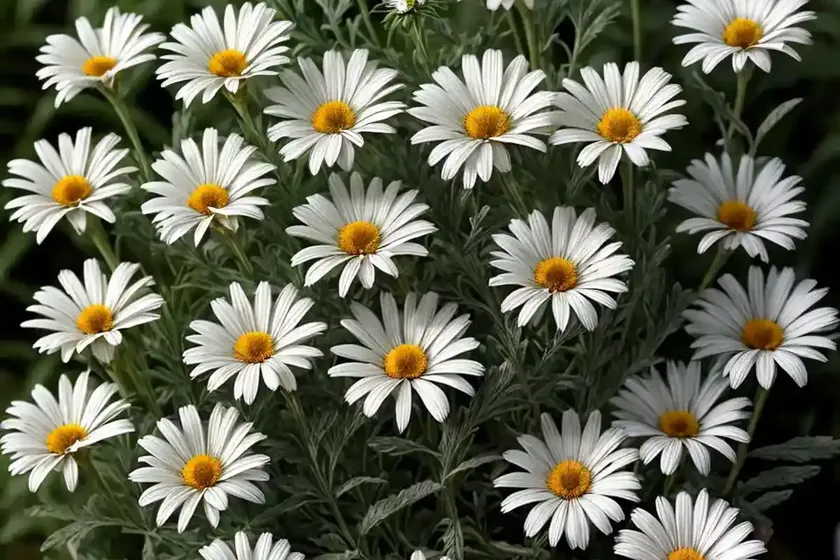
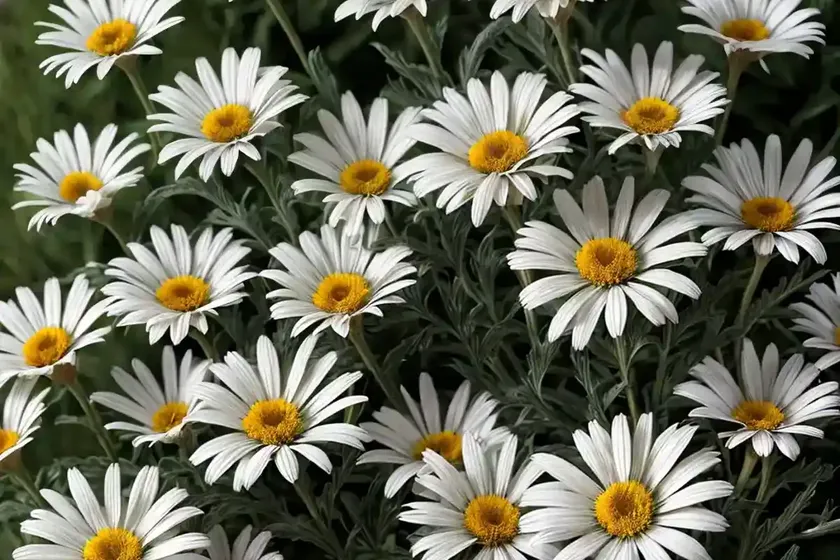
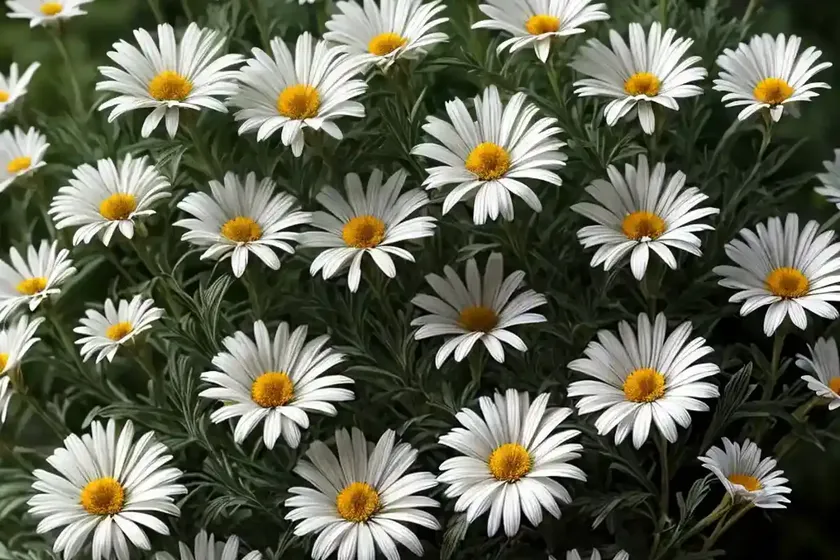
Shasta Daisy, scientifically known as Leucanthemum x superbum ‘Bridal Bouquet,’ is a popular herbaceous perennial plant known for its beautiful white flowers and ornamental value. Belonging to the Asteraceae family, this cultivar is a hybrid breed with a well-branched, bushy habit, and stunning blossoms. The Shasta Daisy ‘Bridal Bouquet’ is a beloved garden favorite, prized for its long-lasting and prolific blooms.
Key Takeaways – Shasta Daisy (Leucanthemum ‘Bridal Bouquet’)
- Common Name: Shasta Daisy
- Scientific Name: Leucanthemum x superbum ‘Bridal Bouquet’
- Plant Type: Herbaceous Perennial
- Bloom Time: Late Spring to Early Fall
- Sunlight: Full sun to Partial shade
- Soil: Well-drained, fertile soil
- Water: Average water needs
- Height: 18-24 inches
- Spread: 24-36 inches
- Maintenance: Low maintenance
- USDA Hardiness Zones: 5-9
Culture
Shasta Daisies are relatively easy to grow and maintain, making them ideal for gardeners of all skill levels. They thrive in temperate climates and are particularly popular in cottage gardens, borders, and naturalized landscapes.
Uses
The Shasta Daisy ‘Bridal Bouquet’ has several uses in landscaping and horticulture:
- Ornamental: The plant is widely used for its decorative and aesthetic appeal, adding a touch of elegance to flower beds, borders, and containers.
- Cut Flowers: The large, daisy-like blooms make stunning additions to floral arrangements, bouquets, and table centerpieces.
Water
Maintaining appropriate soil moisture is crucial for the health and vigor of Shasta Daisies. While they are relatively drought-tolerant once established, regular watering is essential, especially during hot and dry periods. It is important to monitor the moisture levels of the soil to avoid waterlogging or drought stress.
Watering Needs
- During the establishment phase, newly planted Shasta Daisies require regular watering to ensure proper root development.
- Once established, these perennials generally have moderate water needs and can tolerate short periods of drought.
- Watering frequency may increase during prolonged dry spells or in hot climates to retain healthy growth and prolific flowering.
Sunlight
Shasta Daisies thrive in sunny locations with well-drained soils. While they prefer full sun, they can tolerate partial shade, especially in regions with intense summer heat.
Sunlight Preferences
- Full Sun: Ideally, Shasta Daisies should be planted in areas that receive at least 6-8 hours of direct sunlight per day to promote robust growth and abundant flowering.
- Partial Shade: In warmer climates, providing some afternoon shade can help protect the plants from excessive heat and prevent wilting.
Fertilizer
Proper fertilization is essential for promoting healthy growth and optimum flowering in Shasta Daisies. A balanced, slow-release fertilizer applied during the growing season can provide the necessary nutrients for vibrant blooms and strong foliage.
Fertilizing Techniques
- Use a balanced, all-purpose fertilizer with an N-P-K ratio of 10-10-10 or similar formulation.
- Apply the fertilizer in early spring as new growth emerges, following the manufacturer’s recommended application rates.
- Avoid over-fertilization, as excessive nutrients can lead to lush foliage at the expense of flowering.
Soil
The soil quality plays a crucial role in the overall health and performance of Shasta Daisies. Well-drained, loamy soils rich in organic matter are ideal for these perennials.
Soil Requirements
- Well-Drained: Ensure that the planting site has good drainage to prevent waterlogging, which can lead to root rot and other issues.
- Fertile: Amending the soil with organic matter such as compost or well-rotted manure can improve the soil structure and provide essential nutrients.
- pH Level: Shasta Daisies prefer slightly acidic to neutral soil with a pH range between 6.0 and 7.0.
Pruning
Regular pruning and deadheading can promote prolonged blooming and maintain the plant’s aesthetic appeal. Proper pruning techniques can also help control the plant’s size and shape.
Pruning Tips
- Deadheading: Remove spent flowers regularly to encourage the development of new blooms and prevent self-seeding.
- Shearing: Light shearing of the plants after the initial flowering period can promote a compact, bushy growth habit and encourage a potential second flush of blooms.
- Division: Dividing mature clumps every 2-3 years can rejuvenate the plants and prevent overcrowding.
Propagation
Shasta Daisies can be propagated through various methods such as division, stem cuttings, and seed propagation.
Propagation Methods
- Division: Divide mature clumps in early spring or fall to create new plants and rejuvenate existing ones.
- Stem Cuttings: Take softwood or semi-hardwood cuttings in late spring and root them in a well-draining medium to establish new plants.
- Seed Propagation: Collect seeds from mature flowers and sow them in a seed-starting mix indoors or directly in the garden.
Container Popularity
Due to their compact size and attractive blooms, Shasta Daisies are well-suited for container gardening. They can add a delightful touch to patios, balconies, and outdoor living spaces.
Container Gardening Ideas
- Select a medium to large-sized container with drainage holes to ensure proper drainage.
- Choose a well-draining potting mix and plant the Shasta Daisies at the same depth as they were in their original containers.
- Position the containers in areas that receive adequate sunlight and provide regular watering to keep the soil evenly moist.
Common Diseases
Despite their overall resilience, Shasta Daisies may be susceptible to certain diseases that can impact their growth and blooming capabilities. Identifying and addressing these issues promptly is crucial for maintaining healthy plants.
Disease Diagnosis
- Powdery Mildew: A common fungal disease that appears as a powdery, white growth on the foliage, typically in humid conditions. Provide adequate air circulation and consider fungicidal treatments if the issue persists.
- Leaf Spot: Manifests as dark, circular lesions on the leaves, often caused by fungal pathogens. Remove and destroy affected foliage to prevent the spread of the disease.
Common Pests
Several pests can potentially affect Shasta Daisies, leading to damage and reduced vitality. Implementing suitable pest management practices can help mitigate these issues and protect the plants.
Pest Management
- Aphids: These small, soft-bodied insects often cluster on the new growth, sucking sap from the plants and causing distortion in the foliage. Use insecticidal soap or neem oil to control aphid populations.
- Spider Mites: These tiny arachnids can cause stippling and webbing on the leaves. Regularly hose down the plants and apply miticides if spider mite infestations are detected.
Botanist’s Tips
As a botanist, here are some additional tips to help you care for and appreciate your Shasta Daisies:
- Mulching: Apply a 2-3 inch layer of organic mulch around the plants to conserve moisture, suppress weeds, and insulate the soil.
- Companion Planting: Pair Shasta Daisies with complementary perennials and annuals such as Salvia, Coreopsis, and Lavender to create visually appealing and ecologically beneficial garden settings.
- Wildlife Attraction: The nectar-rich blooms of Shasta Daisies attract pollinators such as bees and butterflies, enhancing the biodiversity of your garden.
Fun Facts
- Shasta Daisies are the result of a crossbreeding program initiated by Luther Burbank in the late 1800s, aimed at developing a superior daisy cultivar.
- The name “Shasta Daisy” is derived from the majestic Mount Shasta in California, known for its pure white snow-capped peak, which resembles the white blooms of the daisy.
Links to External Resources
For more detailed information on Shasta Daisy care, Leucanthemum Bridal Bouquet, and related topics, explore the following resources: