Shark Tooth Cactus (Crassula Corymbulosa)
Plants have been a source of fascination and admiration for humans for centuries. Their diversity, beauty, and utility make them an essential part of our.
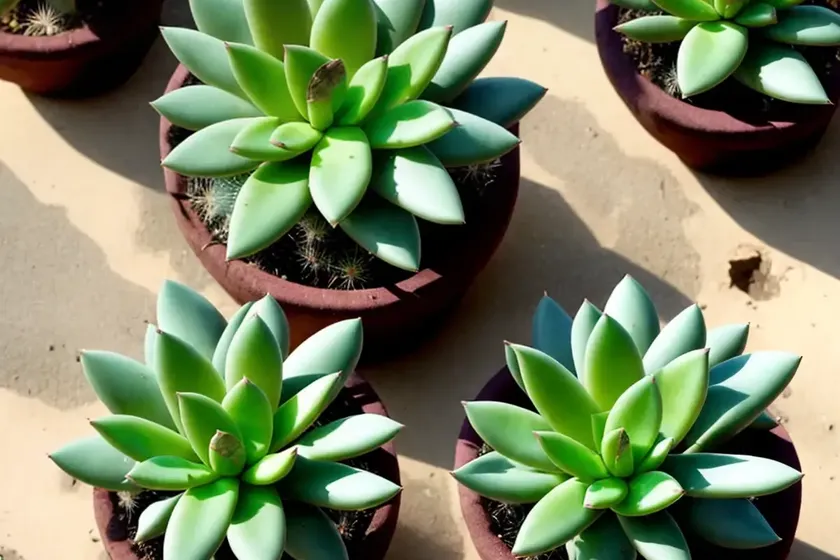
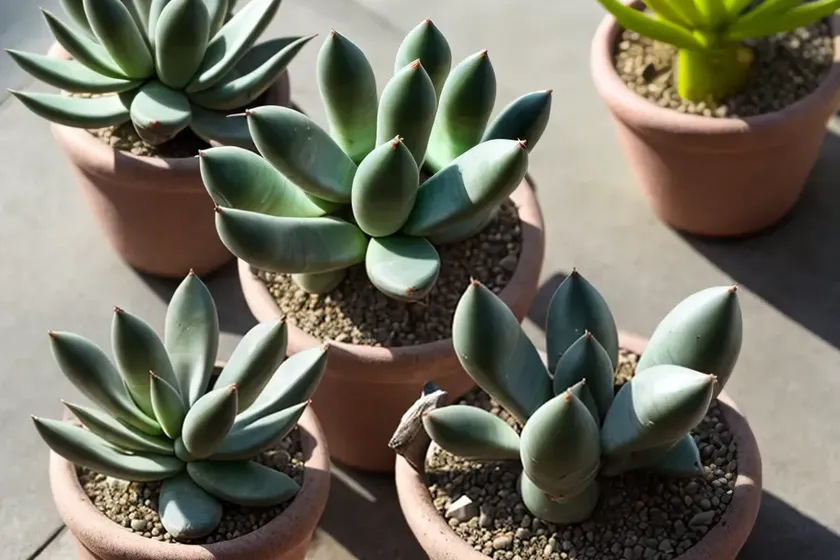
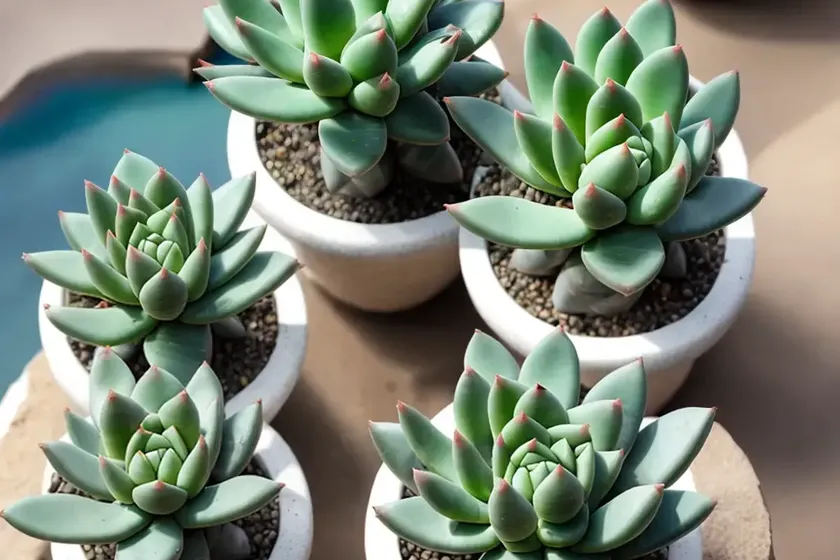
Plants have been a source of fascination and admiration for humans for centuries. Their diversity, beauty, and utility make them an essential part of our lives. One such intriguing plant is the Shark Tooth Cactus, scientifically known as Crassula corymbulosa. This succulent plant has captivated the hearts of plant enthusiasts and has found a place in gardens, homes, and landscapes around the world.
In this comprehensive guide, we will delve into the depths of the Shark Tooth Cactus, exploring its cultural significance, uses, maintenance, and everything in between. Whether you are a seasoned gardener or a novice plant lover, this article is sure to provide valuable insights into the world of Crassula corymbulosa.
What is the Shark Tooth Cactus (Crassula corymbulosa)?
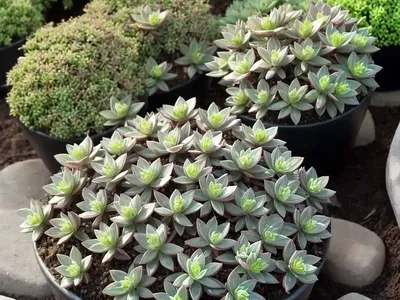
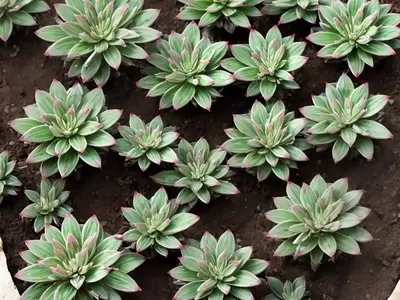
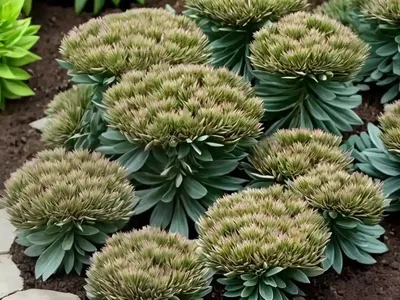
The Shark Tooth Cactus, native to Southern Africa, is a member of the Crassulaceae family. It is a striking succulent with a unique appearance, characterized by its triangular, shark tooth-shaped leaves arranged in opposing pairs along the stem. The plant’s growth habit forms a dense, compact shrub, making it an excellent choice for both indoor and outdoor cultivation.
Key Takeaways – Shark Tooth Cactus (Crassula corymbulosa)
Before we dive into the specifics of caring for the Shark Tooth Cactus, here are some key takeaways about this captivating plant:
- Scientific Name: Crassula corymbulosa
- Common Names: Shark Tooth Cactus, Shark Tooth Succulent
- Plant Type: Succulent, Evergreen
- Native Habitat: Southern Africa
- Growth Habit: Compact, Shrub-like
- Distinct Feature: Triangular, Shark Tooth-shaped Leaves
- Uses: Ornamental, Landscaping, Indoor Décor
- Watering Needs: Moderate
- Sunlight Requirements: Bright, Indirect Light
- Soil Type: Well-draining, Sandy Soil
- Propagation: Leaf Cuttings, Offsets
- Container Preference: Suitable for Small to Medium-sized Pots
- Common Pests: Mealybugs, Scale Insects
- Common Diseases: Root Rot, Leaf Spot
Now, let’s explore each aspect of caring for the Shark Tooth Cactus in more detail.
Culture
Understanding the cultural requirements of the Shark Tooth Cactus is crucial for ensuring its health and vitality. From water and sunlight to fertilizer and soil, each element plays a significant role in nurturing this captivating succulent.
Uses
The Shark Tooth Cactus holds various uses, contributing to both practical and aesthetic aspects of horticulture and landscaping.
- Ornamental Plant: The distinctive appearance of the Shark Tooth Cactus makes it a popular choice for ornamental plantings, both indoors and outdoors.
- Indoor Décor: Its compact growth habit and striking foliage make it an excellent addition to indoor spaces, such as offices, homes, and conservatories.
- Landscaping: The Shark Tooth Cactus is often used in xeriscaping and rock gardens, adding texture and visual interest to dry landscapes.
- Container Gardens: It thrives in containers, making it ideal for patio gardens, balconies, and small outdoor spaces.
Water
Succulents, including the Shark Tooth Cactus, have adapted to survive in arid environments with limited water availability. Understanding the plant’s water requirements is essential to prevent overwatering, which can lead to root rot and other moisture-related issues.
- Watering Frequency: Allow the top inch of the soil to dry out between waterings. Typically, watering once every 7-10 days during the growing season is sufficient.
- Watering Technique: Water thoroughly, allowing the excess water to drain out of the pot. Avoid leaving the plant in standing water, as this can lead to root rot.
- Seasonal Adjustments: Reduce the frequency of watering during the winter months when the plant is in a dormant phase.
Sunlight
Proper sunlight exposure is crucial for the Shark Tooth Cactus to thrive and display its characteristic vigor and coloration.
- Light Requirements: Place the Shark Tooth Cactus in a location with bright, indirect light. Avoid direct, intense sunlight, especially during the hottest part of the day, as it can lead to leaf scorch.
- Indoor Placement: Position the plant near a south- or west-facing window where it can receive adequate sunlight without being exposed to harsh rays.
Fertilizer
While succulents are known for their ability to thrive in nutrient-poor environments, they can benefit from occasional feeding to support healthy growth.
- Fertilization Frequency: Apply a balanced, diluted fertilizer once a month during the growing season (spring and summer). Refrain from fertilizing during the winter months when the plant is dormant.
- Fertilizer Type: Use a specialized succulent or cactus fertilizer with a balanced NPK ratio (e.g., 10-10-10) to provide essential nutrients without risking over-fertilization.
Soil
The right soil mixture is essential for promoting healthy root development and preventing issues related to waterlogging.
- Ideal Soil Type: Use a well-draining succulent or cactus mix that provides good aeration and prevents water from pooling around the roots.
- Amendments: Adding perlite or coarse sand to the soil mixture can further improve drainage and create an optimal growing environment for the Shark Tooth Cactus.
Pruning
Pruning is not generally necessary for the Shark Tooth Cactus, as it naturally maintains a tidy, compact growth habit. However, the plant may benefit from occasional grooming to remove dead or damaged leaves and encourage a more symmetrical appearance.
- Pruning Technique: Use clean, sharp scissors or pruning shears to trim any unsightly or unhealthy growth. Take care to make clean cuts to minimize the risk of pests and diseases entering the plant through open wounds.
Propagation
Propagating the Shark Tooth Cactus allows you to expand your succulent collection or share the plant with fellow enthusiasts.
- Propagation Method: The Shark Tooth Cactus can be propagated from leaf cuttings or offsets.
- Leaf Cuttings: Take a healthy leaf cutting and allow it to callus for a few days before placing it on well-draining soil to root.
- Offsets: Gently remove the offsets (baby plants) that develop at the base of the parent plant and plant them in their own containers once they have established roots.
Container
When selecting a container for the Shark Tooth Cactus, consider factors such as size, material, and drainage to provide an optimal growing environment for the plant.
- Container Size: Choose a pot that allows for adequate root development and stability. A small to medium-sized pot is generally suitable for a mature Shark Tooth Cactus.
- Drainage Holes: Ensure that the container has drainage holes to prevent water from accumulating at the bottom, which could lead to root rot.
- Material: Opt for containers made of porous materials, such as terracotta or unglazed ceramics, that allow excess moisture to evaporate.
Popularity
The unique appearance and relatively low maintenance requirements of the Shark Tooth Cactus have contributed to its growing popularity among plant enthusiasts and landscapers. Its striking foliage and versatility in various settings make it a sought-after addition to gardens, homes, and public spaces.
Common Diseases
Like any plant, the Shark Tooth Cactus is susceptible to certain diseases that can impact its health and appearance. Understanding these potential issues is essential for timely diagnosis and treatment.
- Root Rot: Overwatering or poorly-draining soil can lead to root rot, characterized by wilting, yellowing, and soft, mushy roots.
- Leaf Spot: Fungal infections or excessive moisture on the foliage can lead to the development of dark, water-soaked spots on the leaves.
- Pest-Related Diseases: Prolonged infestations of pests, such as mealybugs or scale insects, can weaken the plant and make it more susceptible to secondary infections.
Disease Diagnosis
Recognizing the signs and symptoms of diseases affecting the Shark Tooth Cactus is essential for implementing appropriate treatment measures.
- Visual Inspection: Regularly examine the plant for any signs of discoloration, wilting, or unusual spots on the leaves.
- Soil Assessment: Check the soil for excessive moisture and signs of root decay, such as a foul odor or dark, mushy roots.
- Pest Monitoring: Keep an eye out for common succulent pests and take immediate action if an infestation is detected.
Common Pests
Pests can pose a threat to the health and appearance of the Shark Tooth Cactus, making pest control an important aspect of its care.
- Mealybugs: These small, cottony insects can cluster on the leaves and stems, sucking sap from the plant and potentially secreting honeydew, leading to further issues.
- Scale Insects: Scale insects often appear as hard, waxy bumps on the plant’s foliage and stems, draining the plant’s resources and causing yellowing and wilting.
Botanist’s Tips
As a botanist specializing in succulents, I have gathered valuable insights into the care and cultivation of the Shark Tooth Cactus. Here are some tips to help you optimize the health and growth of your Crassula corymbulosa:
- Consistent Monitoring: Regularly observe the plant for any changes in growth, appearance, or signs of distress. Early intervention can often prevent issues from escalating.
- Balanced Approach to Watering: Strive to strike a balance between providing adequate moisture and avoiding overwatering. Succulents are resilient, but they are not immune to the effects of excessive moisture.
- Proper Ventilation: Ensure that the plant has access to good airflow, especially in indoor environments. Proper ventilation can help reduce the risk of fungal diseases and pest infestations.
- Customized Care: Tailor your care routine to the specific environmental conditions and seasonal changes. A flexible approach to care can help the plant adapt and thrive in various settings.
Fun Facts
Uncover some intriguing and lesser-known facts about the Shark Tooth Cactus that highlight its unique characteristics and cultural significance:
- Traditional Uses: In its native habitat, Crassula corymbulosa has been used in traditional medicine for its purported healing properties and as a protective charm against negative energies.
- Symbolism: The triangular leaves of the Shark Tooth Cactus are associated with concepts of strength, resilience, and adaptation in various cultural contexts.
- Drought Adaptation: The plant’s succulent nature allows it to store water in its leaves, enabling it to survive extended periods of drought in its natural environment.
- Horticultural Export: Due to its ornamental appeal, the Shark Tooth Cactus has been widely exported and cultivated in regions outside of its native range, contributing to its global presence.
Links to External Resources
To further enrich your knowledge and understanding of the Shark Tooth Cactus and its care, explore the following reputable external resources:
- The Complete Guide to Growing and Caring for Crassula corymbulosa
- Succulent Plant Care Guide from the Royal Horticultural Society
- Crassula corymbulosa: A Unique Succulent for Your Garden
By incorporating insights from these resources into your plant care routine, you can enhance your ability to nurture and appreciate the remarkable Shark Tooth Cactus.
Conclusion
The allure of the Shark Tooth Cactus lies not only in its captivating appearance but also in its resilience and adaptability. As you embark on the journey of caring for Crassula corymbulosa, remember to embrace the unique traits of this remarkable succulent. With a balanced approach to care, alongside an appreciation for its cultural significance, the Shark Tooth Cactus is sure to flourish and continue to captivate plant enthusiasts worldwide. Whether it graces your indoor spaces or adorns your garden, the enigmatic charm of the Shark Tooth Cactus is bound to leave a lasting impression. As you tend to the needs of this remarkable succulent, may its presence bring joy, tranquility, and a deeper connection to the natural world.
Plant Name: “Shark Tooth Cactus (Crassula corymbulosa)”
Incorporate the keywords:
1. Crassula corymbulosa care
2. Shark tooth succulent
3. Crassula corymbulosa propagation
4. How to grow Shark tooth cactus
5. Crassula corymbulosa varieties
6. Shark tooth cactus outdoor care
7. Crassula corymbulosa succulent
8. Shark tooth cactus watering
9. Crassula corymbulosa soil requirements
10. Best conditions for Shark tooth cactus
11. Crassula corymbulosa light requirements
12. Shark tooth cactus potting
13. Crassula corymbulosa pruning
14. Shark tooth cactus diseases
15. Common problems with Crassula corymbulosa
16. Shark tooth cactus benefits
17. Crassula corymbulosa medicinal uses
18. Shark tooth cactus growth stages
19. Crassula corymbulosa flowering
20. Shark tooth cactus indoor care
21. Crassula corymbulosa bonsai
22. Shark tooth cactus landscape ideas
23. Crassula corymbulosa planters
24. Shark tooth cactus companion plants
25. Crassula corymbulosa garden design
26. Shark tooth cactus container gardening
27. Crassula corymbulosa temperature requirements
28. Shark tooth cactus winter care
29. Crassula corymbulosa drought tolerance
30. Shark tooth cactus pest control
31. Crassula corymbulosa sunlight needs
32. Shark tooth cactus growth rate
33. Crassula corymbulosa pot selection
34. Shark tooth cactus fertilizer
35. Crassula corymbulosa leaf propagation
36. Shark tooth cactus succulent arrangements
37. Crassula corymbulosa water needs
38. Shark tooth cactus species
39. Crassula corymbulosa common names
40. Shark tooth cactus family
41. Crassula corymbulosa native habitat
42. Shark tooth cactus garden tips
43. Crassula corymbulosa container size
44. Shark tooth cactus seasonal care
45. Crassula corymbulosa natural remedies
46. Shark tooth cactus landscaping ideas
47. Crassula corymbulosa plant health
48. Shark tooth cactus soil mix
49. Crassula corymbulosa nursery
50. Shark tooth cactus decorative uses
Incorporate the keywords strategically throughout the article to enhance its relevance and value for readers seeking comprehensive information on the Shark Tooth Cactus.