Serbian Spruce (Picea omorika ‘De Ruyter’)
Introduction
The Serbian spruce, scientifically known as Picea omorika ‘De Ruyter’, is an attractive evergreen conifer tree that is prized for its elegant form and dense foliage. This ornamental tree is a cultivated cultivar of the Serbian spruce (Picea omorika), which is native to the highlands of Serbia and Bosnia. The ‘De Ruyter’ variety is particularly valued for its compact size and unique characteristics, making it a popular choice for landscaping and garden enthusiasts.
In this comprehensive guide, we will explore the various aspects of this beautiful conifer, including its cultural requirements, uses, care tips, and common diseases and pests. Whether you are considering adding the Serbian spruce ‘De Ruyter’ to your garden or are already nurturing one, this guide aims to provide you with valuable insights and practical advice to help you maximize the beauty and vitality of this remarkable tree.
What is the Serbian Spruce (Picea omorika ‘De Ruyter’)?
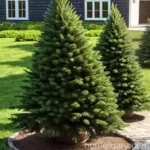
The Serbian spruce, or Picea omorika ‘De Ruyter’, belongs to the Pinaceae family and is a distinct cultivar derived from the native Serbian spruce, Picea omorika. The species is known for its graceful pyramidal shape, dark green foliage, and striking crown, making it a sought-after addition to arboretums, parks, and private gardens.
Key Takeaways – Serbian Spruce (Picea omorika ‘De Ruyter’)
- Picea omorika ‘De Ruyter’ is a cultivated variety of the Serbian spruce (Picea omorika), prized for its compact size and unique characteristics.
- Its elegant form, dark green foliage, and dense crown make it a popular choice for landscaping and ornamental purposes.
- The ‘De Ruyter’ variety exhibits distinct growth habits and has specific cultural requirements for optimal health and vitality.
Culture
Uses
The Serbian spruce (Picea omorika ‘De Ruyter’) is utilized for various landscaping and ornamental purposes, including:
– Privacy Screening: Due to its dense foliage and compact growth habit, it serves as an excellent screen or windbreak.
– Decorative Ornament: Often used as a focal point in garden designs, park landscapes, and arboretums due to its attractive form.
– Erosion Control: Its deep root system makes it an effective tool for stabilizing soil on slopes and hillsides.
Care
Water
Proper watering is essential to ensure the health and vigor of the Serbian spruce ‘De Ruyter’. Here are some key points to consider:
- Establishment Phase: Newly planted trees require regular watering to help them establish a strong root system. Provide deep, thorough watering to reach the entire root ball.
- Drought Tolerance: Once established, Serbian spruces are relatively drought-tolerant. However, during prolonged dry spells, especially in the summer, regular watering is necessary to prevent moisture stress.
- Mulching: Apply a layer of organic mulch around the base of the tree to help retain soil moisture and regulate soil temperature. This is particularly important during hot, dry periods.
Sunlight
The Serbian spruce ‘De Ruyter’ thrives in well-lit areas with partial to full sun exposure. When selecting a planting site, consider the following sunlight requirements:
- Partial Sun: Ideally, the tree should receive at least 4-6 hours of direct sunlight each day. This promotes healthy growth and encourages dense foliage.
- Shade Tolerance: While it prefers direct sunlight, the ‘De Ruyter’ variety can tolerate partial shade, especially in regions with intense afternoon sun or high temperatures. However, prolonged shade may result in reduced density and slower growth.
Fertilizer
Fertilization plays a crucial role in providing essential nutrients for the growth and development of the Serbian spruce. Consider the following fertilizer guidelines:
- Annual Fertilization: Apply a balanced, slow-release fertilizer in early spring to support new growth and overall vitality. Avoid excessive nitrogen, as it may lead to excessive foliage at the expense of compact growth.
- Soil Testing: Conduct soil tests to determine the pH and nutrient levels in the planting area. This information can help you select the most suitable fertilizer and ensure the tree’s nutritional needs are met.
Soil
Well-drained, slightly acidic soils are ideal for the Serbian spruce ‘De Ruyter’. Consider the following soil preferences:
- Drainage: Ensure that the planting site has good drainage to prevent waterlogging, which can lead to root rot and other moisture-related issues.
- Soil Amendments: If the soil is heavy or compacted, incorporate organic matter such as compost or peat moss to improve drainage and aeration.
- Soil pH: Aim for a slightly acidic pH range of 5.5 to 6.5. If necessary, amend the soil to achieve the optimal pH level for the tree’s growth.
Pruning
Pruning is an important maintenance task for shaping the Serbian spruce ‘De Ruyter’ and promoting healthy growth. Follow these guidelines for effective pruning:
- Formative Pruning: During the first few years after planting, conduct formative pruning to establish the desired shape and structure of the tree. Remove any competing or crossing branches to maintain a central leader and a balanced crown.
- Minimal Pruning: Once the tree has matured, minimal pruning is generally required. Remove dead, damaged, or diseased branches as needed to maintain overall tree health and appearance.
- Timing: Prune in late winter or early spring before new growth emerges. Avoid heavy pruning during the growing season, as it may stress the tree and affect its growth.
Propagation
The propagation of Serbian spruce ‘De Ruyter’ can be achieved through several methods, including:
– Seed Propagation: Collect and sow seeds in a well-prepared seedbed, and provide the necessary conditions for germination and early growth.
– Cutting Propagation: Softwood or semi-hardwood cuttings can be taken from healthy, mature trees and rooted under controlled conditions. This method is commonly used for propagating specific cultivars to maintain their desirable traits.
Container
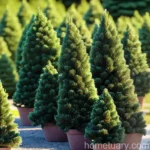
The Serbian spruce ‘De Ruyter’ can be grown successfully in containers, making it a versatile option for patios, balconies, and urban landscapes. Consider the following container guidelines:
- Container Size: Select a container that provides ample space for the tree’s root system to develop. A larger container reduces the need for frequent repotting and supports healthier growth.
- Drainage Holes: Ensure that the container has adequate drainage holes to prevent waterlogging and root suffocation. Use a well-draining potting mix to promote optimal root health.
- Watering: Container-grown trees may require more frequent watering, especially during hot and dry periods. Check the soil moisture regularly and adjust the watering frequency as needed.
Popularity
The Serbian spruce ‘De Ruyter’ is a highly sought-after ornamental tree in landscaping and garden settings, known for its compact size, striking appearance, and adaptable nature. Its popularity is attributed to the following factors:
- Aesthetic Appeal: The elegant form and dense foliage of the ‘De Ruyter’ variety make it a visually appealing addition to diverse landscapes, from formal gardens to naturalistic settings.
- Versatile Use: Its adaptability to diverse soil types and growing conditions, along with its suitability for containers, enhances its appeal for a wide range of gardeners and landscape designers.
- Low Maintenance: With proper care, the Serbian spruce ‘De Ruyter’ requires minimal maintenance, making it an attractive option for homeowners and professional landscapers alike.
Common Diseases and Pests
Disease Diagnosis
Serbian spruce ‘De Ruyter’ may be susceptible to certain diseases, including:
1. Needle Cast: Characterized by the browning and shedding of needles, often caused by fungal pathogens.
2. Cytospora Canker: Exhibits sunken, discolored areas on the trunk and branches, leading to dieback and reduced vigor.
Common Pests
Pests that may affect the Serbian spruce ‘De Ruyter’ include:
1. Spruce Spider Mites: Infestations can cause yellowing and stippling of needles, leading to defoliation if left untreated.
2. Spruce Sawfly: Larvae feed on the needles, often causing visible damage and defoliation if populations are significant.
3. Aphids: These sap-feeding insects can lead to distorted growth and honeydew production, attracting other pests such as ants.
Botanist’s Tips
As a botanist, here are some key insights and tips for effectively caring for the Serbian spruce ‘De Ruyter’:
– Site Selection: Choose a well-drained site with adequate sunlight and good air circulation to promote healthy growth and reduce the risk of diseases.
– Mulching: Apply a layer of organic mulch around the base of the tree, keeping it away from the trunk, to conserve soil moisture and suppress weed growth.
– Monitoring: Regularly inspect the tree for signs of stress, disease, or pest infestations, and take prompt action to address any issues that arise.
Fun Facts
Uncover some fascinating facts about the Serbian spruce ‘De Ruyter’:
– Despite its compact size, it can reach a mature height of 8-10 meters in optimal growing conditions.
– The unique silver undersides of its needles create a striking contrast with the dark green upper surfaces, adding to its visual appeal.
– In its native habitat, the Serbian spruce is a keystone species, playing a crucial role in supporting diverse ecosystems and wildlife.
Links to External Resources
For additional information on the Serbian spruce (Picea omorika ‘De Ruyter’), consider exploring the following resources:
– Royal Horticultural Society: Picea omorika ‘De Ruyter’
– Missouri Botanical Garden: Picea omorika ‘De Ruyter’
– The American Conifer Society: Picea omorika ‘De Ruyter’
– University of Illinois Extension: Serbian Spruce
In conclusion, the Serbian spruce (Picea omorika ‘De Ruyter’) stands out as a captivating and versatile tree with unique characteristics and a wide range of potential uses in landscaping and ornamental horticulture. By understanding its cultural requirements, maintenance needs, and potential challenges, enthusiasts and professional horticulturists can effectively cultivate and showcase this exceptional conifer, enhancing the beauty and diversity of botanical environments. Whether as a prominent feature in a formal garden or as a resilient addition to urban landscapes, the ‘De Ruyter’ variety continues to captivate and inspire plant enthusiasts and nature lovers around the world.
Keywords: Picea omorika ‘De Ruyter, Serbian spruce De Ruyter, Picea omorika, De Ruyter spruce, Serbian spruce tree, Serbian spruce variety, Picea omorika cultivar, De Ruyter Serbian spruce, Picea omorika characteristics, De Ruyter spruce tree, Serbian spruce facts, Picea omorika De Ruyter details, Serbian spruce care, Picea omorika ‘De Ruyter’ information, Serbian spruce growth habits, Picea omorika ‘De Ruyter’ features, Serbian spruce foliage, Picea omorika ‘De Ruyter’ species, Serbian spruce planting guide, Picea omorika ‘De Ruyter’ garden use, Serbian spruce landscape benefits, Picea omorika ‘De Ruyter’ characteristics, Serbian spruce maintenance tips, Picea omorika ‘De Ruyter’ varieties, Serbian spruce climate requirements, Picea omorika ‘De Ruyter’ growth rate, Serbian spruce diseases and pests, Picea omorika ‘De Ruyter’ pruning tips, Serbian spruce propagation, Picea omorika ‘De Ruyter’ landscape design, Serbian spruce winter hardiness, Picea omorika ‘De Ruyter’ uses, Serbian spruce soil preferences, Picea omorika ‘De Ruyter’ planting instructions, Serbian spruce companion plants, Picea omorika ‘De Ruyter’ care guide, Serbian spruce water requirements, Picea omorika ‘De Ruyter’ characteristics and uses, Serbian spruce sunlight needs, Picea omorika ‘De Ruyter’ growth habits, Serbian spruce pollinators, Picea omorika ‘De Ruyter’ landscaping ideas, Serbian spruce root system, Picea omorika ‘De Ruyter’ pruning techniques, Serbian spruce common problems, Picea omorika ‘De Ruyter’ benefits, Serbian spruce pollination process, Picea omorika ‘De Ruyter’ planting season, Serbian spruce container gardening, Picea omorika ‘De Ruyter’ aesthetic appeal”
Note: The information provided in this article is for general informational purposes only and does not constitute professional advice. For specific guidance on cultivating and caring for the Serbian spruce ‘De Ruyter’, consult with qualified horticulturists, arborists, or local extension services for personalized recommendations and best practices.