Senegal Date Palm (Phoenix Reclinata)
Phoenix reclinata, commonly known as the Senegal Date Palm, is a stunning and versatile plant that has been adorning landscapes for centuries. With its.


Phoenix reclinata, commonly known as the Senegal Date Palm, is a stunning and versatile plant that has been adorning landscapes for centuries. With its graceful fronds and robust nature, this palm species adds an exotic and tropical touch to gardens, parks, and urban areas. In this comprehensive guide, we will delve into the various aspects of the Senegal Date Palm, including its culture, uses, care requirements, and common diseases. Furthermore, we’ll explore propagation methods, container cultivation, and insightful tips from botanists. Whether you’re a seasoned horticulturist or a passionate gardening enthusiast, this guide will provide you with valuable insights into the captivating world of the Senegal Date Palm.
The Fascinating World of Senegal Date Palm
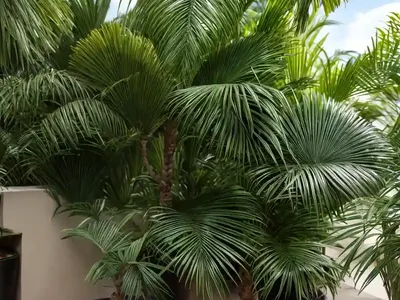
The Senegal Date Palm, scientifically referred to as Phoenix reclinata, belongs to the Arecaceae family and is native to a broad region across Africa, from South Africa to Senegal. Also known as the African Date Palm, this species is celebrated for its ornamental value and diverse applications. Its elegant, arching fronds and attractive clusters of dates make it a prized addition to landscapes, gardens, and commercial spaces.
Key Takeaways – Senegal Date Palm (Phoenix Reclinata)
Before we delve into the specifics of cultivating and caring for the Senegal Date Palm, let’s explore some key takeaways associated with this charismatic plant:
- Plant Name: Senegal Date Palm (Phoenix Reclinata)
- Common Names: African Date Palm, Wild Date Palm
- Family: Arecaceae
- Native Region: Africa
- USDA Hardiness Zones: 8a – 11
- Mature Height: Up to 20 feet
- Growth Rate: Slow to moderate
- Uses: Ornamental landscaping, date production, traditional medicine
- Notable Features: Arching fronds, clumping habit, edible dates, tropical aesthetic
- Potential Challenges: Susceptibility to certain pests and diseases
Now that we’ve outlined some key details about the Senegal Date Palm, let’s explore its culture, uses, and essential care requirements.
Culture of Senegal Date Palm
Cultivating the Senegal Date Palm involves understanding its native habitat and adapting to its specific requirements. This includes considerations for water, sunlight, fertilizer, soil, and other cultural practices that contribute to the overall health and vitality of the plant.
Water
Proper moisture management is crucial for ensuring the well-being of the Senegal Date Palm. While this species can tolerate some periods of drought, consistent watering is essential, especially during its establishment phase. However, it’s important to avoid overwatering, as this can lead to root rot and other water-related issues.
- Watering Guidelines:
- Establishment Phase: Water deeply 2-3 times per week during the first few months after planting.
- Mature Plants: Once established, water deeply but infrequently, allowing the soil to partially dry out between watering sessions.
- Drought Tolerance: Senegal Date Palms have moderate drought tolerance, but prolonged dry spells may necessitate supplemental watering.
Sunlight
Being native to tropical and subtropical regions, the Senegal Date Palm thrives in full sun to partial shade. Adequate sunlight exposure is essential for promoting robust growth and the development of lush, vibrant foliage.
- Sunlight Requirements:
- Full Sun: Ideal for maximum growth and vitality.
- Partial Shade: Tolerated, especially in regions with intense or prolonged sunlight.
Fertilizer
Fertilization plays a crucial role in supplying essential nutrients to the Senegal Date Palm, contributing to its overall health and vigor. While this species is relatively low-maintenance, periodic fertilization can enhance its growth and appearance.
- Fertilization Guidelines:
- Fertilizer Type: Use a balanced, slow-release fertilizer formulated for palm trees.
- Frequency: Apply fertilizer in the spring and summer months, reducing or halting applications during the fall and winter.
- Application Technique: Distribute the fertilizer evenly around the base of the palm and water thoroughly to facilitate nutrient uptake.
Soil
The soil composition directly influences the Senegal Date Palm’s growth and development. Well-draining soil with sufficient organic matter is essential for preventing waterlogged conditions and facilitating healthy root growth.
- Ideal Soil Conditions:
- Drainage: Fast-draining soil to prevent waterlogging and root rot.
- pH Level: Slightly acidic to neutral soil pH (6.0 – 7.0).
- Texture: Sandy loam or loamy soil with good aeration and moisture retention.
Uses of Senegal Date Palm
The Senegal Date Palm offers a diverse range of uses, making it a valuable addition to both natural and cultivated landscapes. From ornamental landscaping to traditional applications, the plant’s versatility is showcased through its various uses.
Landscaping
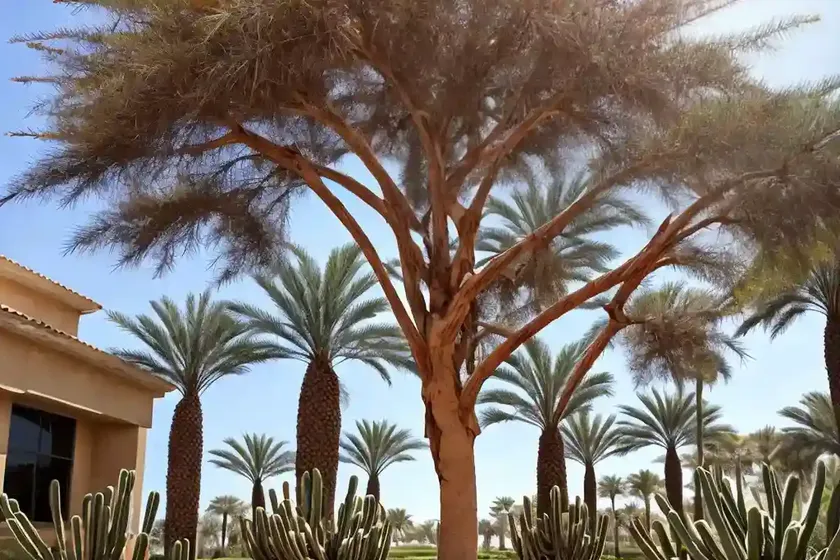
One of the primary uses of the Senegal Date Palm is in ornamental landscaping, where its graceful fronds and visually appealing form create a captivating focal point. Whether planted individually or in clusters, these palms add a tropical and exotic ambiance to gardens, parks, and urban green spaces.
- Landscaping Applications:
- Accent Planting: Highlighting specific areas of the landscape to draw attention and create visual interest.
- Screening: Creating natural barriers or visual partitions in larger outdoor spaces.
- Avenue Planting: Lining driveways or walkways for a grand and stately effect.
Date Production
While not as widely cultivated for date production as its relatives in the Phoenix genus, the Senegal Date Palm still yields edible dates under optimal growing conditions. These dates, often smaller in size, can be used for consumption or processed into various date-based products.
- Date Characteristics:
- Size: Smaller than commercially cultivated date varieties.
- Flavor: Sweet with varying degrees of richness and caramel-like notes.
- Culinary Uses: Consumption as fresh fruit, incorporation into desserts, and traditional culinary applications.
Traditional Medicine
In certain African regions, various parts of the Senegal Date Palm, including its fruits, leaves, and sap, have been used in traditional medicinal practices. These applications range from treating common ailments to holistic healthcare and have been integral to local cultures for generations.
- Medicinal Applications:
- Fruit: Consumed for its nutritional and purported therapeutic properties.
- Leaves: Used in poultices and ointments for skin-related conditions.
- Sap: Employed in traditional remedies for specific ailments.
Now that we’ve explored the uses and culture of the Senegal Date Palm, let’s delve into the care and maintenance requirements necessary for ensuring its optimal growth and vitality.
Senegal Date Palm Care
Caring for the Senegal Date Palm involves a holistic approach that encompasses various aspects, including watering, sunlight, soil, and periodic maintenance practices such as pruning and fertilization. By understanding and implementing these care requirements, you can cultivate healthy and thriving palms in diverse environments.
Pruning
Proper pruning is essential for maintaining the Senegal Date Palm’s aesthetic appeal and overall health. This practice involves the removal of dead or decaying fronds, as well as occasional shaping to enhance the palm’s visual symmetry.
- Pruning Guidelines:
- Dead Fronds: Regularly remove dead or yellowed fronds to maintain the palm’s neat appearance.
- Shaping: Trim irregular or unsightly growth to promote a balanced and visually appealing form.
- Caution: Exercise care when pruning to avoid damaging the palm’s central bud, as this can severely impact its growth and survival.
Propagation
The propagation of Senegal Date Palms can be achieved through various methods, including seed propagation and division of offshoots. These techniques enable the multiplication of palm specimens for landscaping, conservation, and commercial purposes.
- Propagation Methods:
- Seed Propagation: Harvest and germinate seeds from mature dates to produce new palm seedlings.
- Offshoot Division: Separating and transplanting offshoots, or “pups,” from established palms to propagate new plants.
Container Cultivation
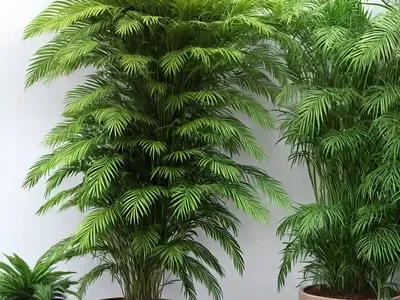
While the Senegal Date Palm is primarily grown outdoors in favorable climates, it can also be cultivated in containers for display in indoor or patio settings. Container cultivation allows for greater flexibility in the plant’s placement and facilitates its utilization in regions where outdoor cultivation is impractical.
- Container Requirements:
- Size: Select spacious containers that accommodate the palm’s root system and provide ample room for growth.
- Drainage: Ensure proper drainage by using containers with drainage holes and employing a well-draining potting mix.
- Sunlight: Position containers in areas that receive adequate sunlight for the palm’s well-being.
Senegal Date Palm: Common Diseases and Pests
As with any plant species, the Senegal Date Palm is susceptible to certain diseases and pests that can impact its health and visual appeal. Being aware of these potential challenges and their respective management strategies is crucial for preserving the palm’s vitality.
Common Diseases
Various fungal and bacterial pathogens can affect the Senegal Date Palm, leading to issues such as leaf spotting, rot, and decline. Understanding the symptoms and causes of these diseases is essential for implementing appropriate preventative measures and treatments.
Common Palm Diseases
| Disease | Symptoms | Management |
|---|---|---|
| Ganoderma Butt Rot | Wilting, frond decline, conk formation at the base | No effective treatment; Preventive measures and proper cultural practices |
| Fusarium Wilt | Yellowing fronds, wilting, vascular discoloration | No definitive treatment; Focus on prevention and plant health maintenance |
| Diamond Scale | Raised, diamond-shaped scales on fronds | Horticultural oil applications, biological control methods |
Disease Diagnosis
Diagnosing diseases affecting the Senegal Date Palm requires careful observation and, in some cases, laboratory analysis to confirm the presence of specific pathogens. Early detection and intervention are crucial for mitigating the impact of diseases on the plant’s overall well-being.
- Symptom Observation: Note any changes in frond color, texture, or overall vigor.
- Laboratory Analysis: Collect and submit samples for pathogen identification and confirmatory testing if necessary.
Common Pests
Pests such as mites, scales, and weevils can pose significant challenges to the Senegal Date Palm, leading to issues such as foliar damage, sap depletion, and overall decline. Integrated pest management strategies are essential for addressing these pest infestations while minimizing environmental impact.
Common Palm Pests
| Pest | Symptoms | Management |
|---|---|---|
| Red Palm Weevil | Entry holes, frond wilting, sawdust-like frass | Pheromone traps, systematic insecticide applications |
| Palm Scale Insects | Sticky honeydew, scale infestations on fronds | Horticultural oils, natural predators, insecticidal soaps |
| Spider Mites | Fine webbing, stippled and discolored fronds | Miticides, frequent monitoring, maintaining plant vigor |
Botanist’s Tips for Senegal Date Palm
To provide valuable insights into the successful cultivation and management of the Senegal Date Palm, let’s explore some expert tips from seasoned botanists and horticultural specialists.
Cultivation Tips
- Site Selection: Choose well-drained and adequately sunny locations for planting Senegal Date Palms, ensuring they have adequate space to reach their full potential.
- Watering Practices: Implement a deep and infrequent watering routine to promote robust root development and drought tolerance.
- Soil Management: Amend soils with organic matter to improve drainage and fertility, enhancing overall palm health and growth.
Maintenance Recommendations
- Pruning Technique: Use sterilized tools and exercise caution when pruning, focusing on removing dead or declining fronds while preserving the plant’s central bud.
- Disease Prevention: Implement preventive measures such as proper sanitation, regular inspections, and avoiding excessive moisture to minimize disease incidence.
- Pest Monitoring: Regularly inspect palms for signs of pest activity, staying vigilant for early warning indicators such as frond damage or unusual pests.
Fun Facts about the Senegal Date Palm
Before we conclude our comprehensive guide, let’s explore some intriguing and captivating fun facts about the Senegal Date Palm that showcase its unique characteristics and cultural significance.
- The Senegal Date Palm is often associated with symbolism in various cultures, representing themes such as resilience, longevity, and abundance.
- Certain indigenous communities across Africa have traditionally used the leaves of the Senegal Date Palm for crafting items such as baskets, mats, and roofing material.
- In some regions, the sap of the Senegal Date Palm is harvested and processed into a sweet, non-alcoholic beverage that is cherished for its unique flavor and nutritional properties.
Links to External Resources
To further expand your knowledge and understanding of the Senegal Date Palm, I’ve curated a selection of informative resources that delve deeper into various aspects of this captivating palm species:
-
International Palm Society: The International Palm Society’s website offers a wealth of information on palm cultivation, species profiles, and conservation efforts, including resources specific to Phoenix reclinata.
-
University of Florida IFAS Extension: Explore the University of Florida’s Institute of Food and Agricultural Sciences (IFAS) Extension publications for in-depth articles on palm horticulture and care.
-
Royal Botanic Gardens, Kew: The Kew Gardens’ website provides botanical insights, conservation initiatives, and horticultural expertise, featuring valuable content on palm species and landscaping with tropical plants.
-
American Society of Landscape Architects: Access resources and articles from the American Society of Landscape Architects to gain insights into the design, implementation, and management of palm-inclusive landscapes.
Conclusion
In this comprehensive guide, we’ve embarked on an enlightening journey into the world of the Senegal Date Palm (Phoenix reclinata), exploring its culture, uses, care requirements, common diseases, and propagation methods. With its elegant fronds, multiple applications, and captivating presence, this palm species continues to captivate horticulturists, landscape designers, and gardening enthusiasts alike. By integrating the insights and recommendations presented in this guide, you can embark on a fulfilling and rewarding journey of cultivating, nurturing, and appreciating the allure of the Senegal Date Palm in diverse environments. Whether you’re seeking to enrich your garden, contribute to conservation efforts, or simply appreciate the natural beauty of palms, the Senegal Date Palm offers a splendid and enriching botanical experience.
So, stay curious, stay inspired, and let the allure of the Senegal Date Palm imbue your surroundings with tropical elegance and timeless charm. Happy gardening!