Senecio Crassissimus (Senecio Crassissimus)
Senecio crassissimus, also known as “vertical-leaf senecio,” is a species of succulent plant that belongs to the Asteraceae family. This native of South.
Introduction
Senecio crassissimus, also known as “vertical-leaf senecio,” is a species of succulent plant that belongs to the Asteraceae family. This native of South Africa is renowned for its striking appearance and adaptability to various growing conditions. In this comprehensive guide, we will explore the intricacies of cultivating and caring for Senecio crassissimus, including its cultural requirements, uses, propagation, and management of diseases and pests.
What is Senecio crassissimus?
Senecio crassissimus is an eye-catching perennial succulent with unique cylindrical and erect leaves. It is characterized by its robust, upright growth habit, making it an excellent choice for both indoor and outdoor settings. The thick leaves are a striking gray-green color and have a powdery, chalky texture, adding to the plant’s allure.
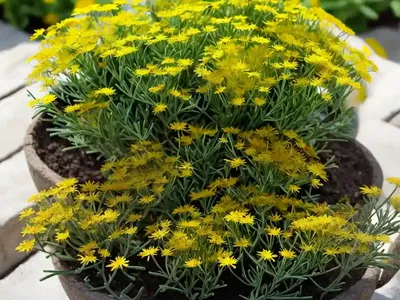
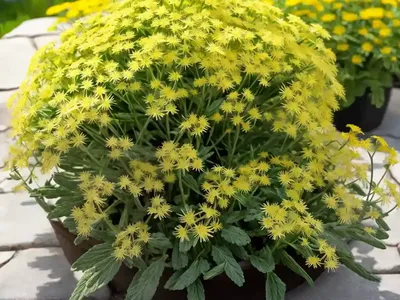
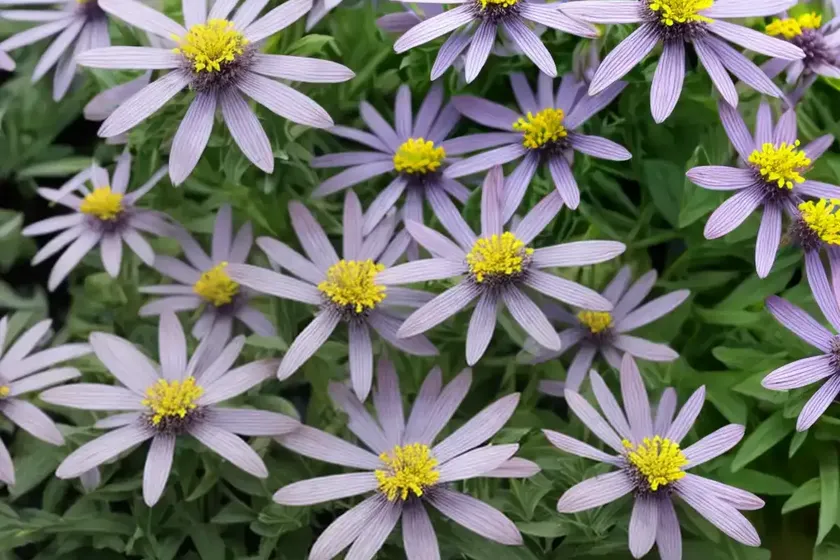
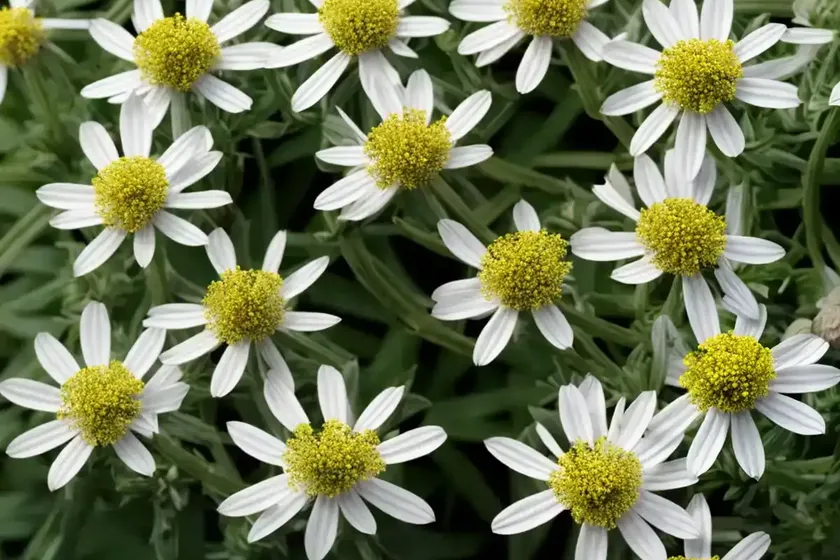
The plant typically matures to a height of 12 to 18 inches, and under favorable conditions, it produces small, cheerful yellow flowers in the spring and summer.
Key Takeaways
Before delving into the specifics of cultivating and caring for Senecio crassissimus, let’s outline some key takeaways about this fascinating plant.
Key Points
- Senecio crassissimus is a succulent plant with erect, cylindrical leaves and a striking gray-green color.
- It is characterized by its robust growth habit and can reach a height of 12 to 18 inches.
- The plant produces small yellow flowers during the spring and summer.
- Cultivating Senecio crassissimus requires attention to its cultural requirements, including water, sunlight, fertilizer, soil, and pruning.
- Propagation of Senecio crassissimus can be achieved through various methods such as stem cuttings and division.
Now that we have a general overview of Senecio crassissimus, let’s explore the various aspects of its cultivation and care.
Culture
Uses
Senecio crassissimus is valued for its ornamental appeal and is often used in succulent gardens, rockeries, and as a container plant. Its upright growth habit and distinctive foliage make it a standout addition to both indoor and outdoor spaces. The plant’s drought tolerance further enhances its appeal as a xeriscape plant in arid climates.
Water
As a succulent, Senecio crassissimus is adapted to arid environments and has low to moderate water needs. It thrives in well-draining soil and should be watered thoroughly but infrequently. During the active growing season, typically spring and summer, water the plant when the top inch of the soil has dried out. In the dormant winter months, reduce watering to prevent waterlogging the roots.
Sunlight
Senecio crassissimus thrives in bright, indirect light and can also tolerate partial to full sun. When grown indoors, it should be placed near a sunny window to ensure it receives adequate light. Outdoors, it can be grown in rock gardens, succulent beds, or as a striking focal point in the landscape.
Fertilizer
To support healthy growth and flowering, Senecio crassissimus benefits from a balanced, water-soluble fertilizer diluted to half-strength. During the growing season, apply the fertilizer every 4 to 6 weeks to provide essential nutrients. Always follow the instructions on the fertilizer package to avoid overfeeding, which can lead to fertilizer burn.
Soil
The ideal growing medium for Senecio crassissimus is a well-draining succulent or cactus mix. This type of soil ensures that excess moisture does not accumulate around the plant’s roots, preventing the risk of rot and fungal diseases. If preparing the soil mix at home, you can incorporate perlite or coarse sand to enhance drainage and aeration.
Pruning
Pruning Senecio crassissimus is minimal and primarily focuses on removing any dead or damaged leaves. This helps maintain the plant’s neat appearance and prevents the spread of diseases. When pruning, use clean, sharp scissors or pruning shears to make precise cuts and minimize damage to the remaining foliage. Additionally, removing spent flowers can promote continued blooming and prevent the plant from expending energy on seed production.
Propagation
Container Popularity
Senecio crassissimus is well-suited to container gardening and is often grown in well-draining pots or containers both indoors and outdoors. This allows for greater flexibility in managing its cultural requirements and provides an opportunity to showcase its unique growth habit as a focal point in the décor.
Propagation
Senecio crassissimus can be propagated through various methods, including stem cuttings and division.
-
Propagation from Stem Cuttings: Select a healthy stem cutting with several leaves and allow it to callous for a few days. Plant the cutting in a well-draining succulent mix and keep the soil lightly moist until new roots form.
-
Division: For plants that have developed multiple offsets or “pups,” they can be carefully separated from the parent plant and replanted in suitable containers with fresh soil.
Common Diseases and Pests
Disease Diagnosis
Senecio crassissimus is generally resistant to most diseases, especially when grown in well-draining soil and provided with the appropriate cultural conditions. However, overwatering can lead to root rot, which presents as wilting, yellowing leaves, and a foul odor. If root rot is suspected, carefully lift the plant from its pot and examine the roots. Healthy roots are firm and white, while rotted roots are mushy and discolored.
Common Pests
Although relatively resistant to pests, Senecio crassissimus may occasionally encounter issues with mealybugs, aphids, or spider mites. Regularly inspect the plant for signs of infestation, such as white, cottony clusters (mealybugs), tiny insects clustered on new growth (aphids), or webbing and stippling on the leaves (spider mites). Should pests be detected, prompt intervention with natural or chemical controls is recommended to prevent damage to the plant.
Botanist’s Tips
Here are some additional tips to help you successfully cultivate and care for Senecio crassissimus:
- Monitor the soil moisture levels and adjust watering frequency based on the plant’s needs and environmental conditions.
- When repotting Senecio crassissimus, choose a container with adequate drainage holes to prevent waterlogging.
- In colder climates, protect Senecio crassissimus from frost and freezing temperatures by moving containers indoors or covering outdoor plants with frost cloth.
Fun Facts
- Senecio crassissimus is commonly referred to as “vertical-leaf senecio” due to the upright orientation of its leaves, which gives it a distinctive architectural quality.
- The plant’s ability to thrive in arid environments and store water in its fleshy leaves is a testament to its adaptation to challenging conditions.
Links to External Resources
For further information on Senecio crassissimus care, propagation, and related topics, explore the following links:
- The Spruce – Growing Senecio Plants
- World of Succulents – Senecio crassissimus
- Gardening Know How – Senecio crassissimus Information
In conclusion, Senecio crassissimus is a captivating succulent that offers both beauty and resilience, making it a valuable addition to any plant collection or garden. By adhering to its cultural requirements and providing attentive care, you can enjoy the striking presence of this unique species while fostering its health and vitality.
Remember to leverage the wealth of information available from authoritative sources to enhance your knowledge and ensure the successful cultivation of Senecio crassissimus in your own gardening endeavors.