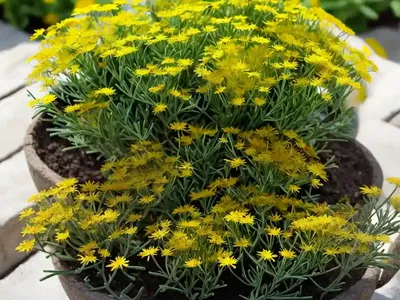
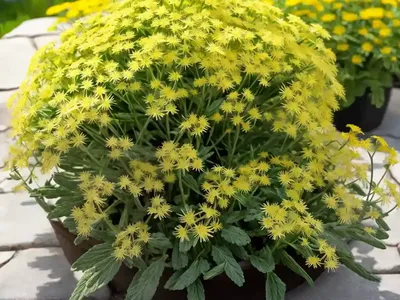
Senecio Barbertonicus (Senecio Barbertonicus)
Senecio barbertonicus, commonly known as the succulent Bush Senecio or Spear Head, is a strikingly beautiful plant that belongs to the Asteraceae family..
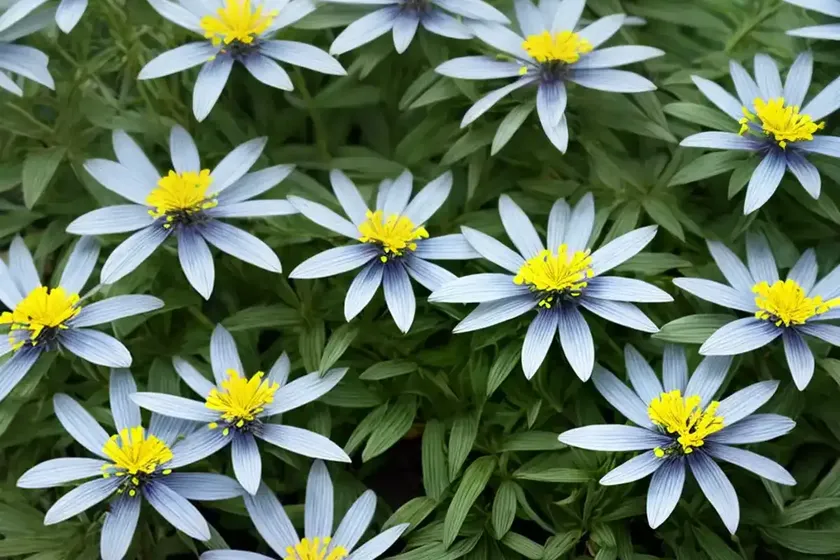
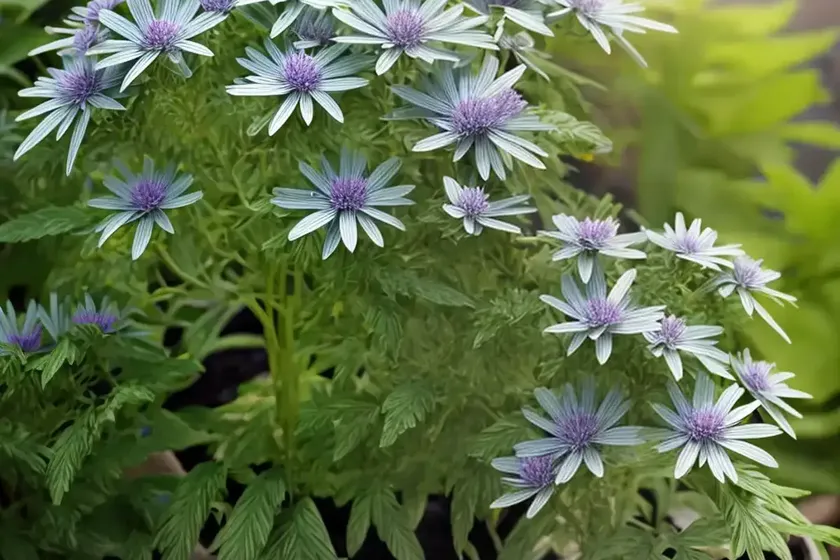
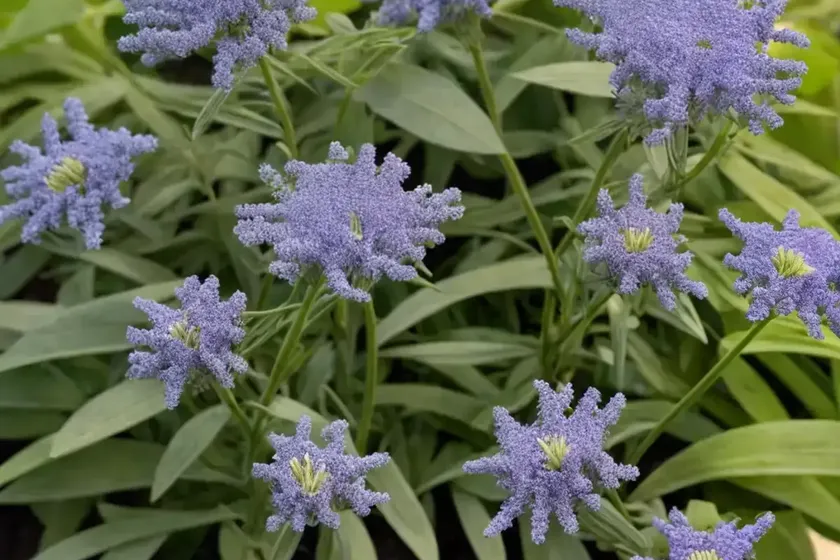
Senecio barbertonicus, commonly known as the succulent Bush Senecio or Spear Head, is a strikingly beautiful plant that belongs to the Asteraceae family. Native to Southern Africa, Senecio barbertonicus is cherished for its ornamental foliage, making it a popular choice for plant enthusiasts and gardeners across the world. This comprehensive guide will delve into the intricacies of caring for Senecio barbertonicus, offering valuable insights into its cultivation, propagation, and maintenance.
What is Senecio Barbertonicus?
Senecio barbertonicus is a perennial succulent shrub that typically grows to a height of 2-3 meters. With cylindrical green or slightly purplish stems and elongated, lance-shaped leaves, this plant exhibits a visually appealing architectural form. The foliage is characterized by its fleshy texture and striking gray-green color, imparting a sculptural elegance to the plant.
Key Takeaways – Senecio barbertonicus
- Scientific Name: Senecio barbertonicus
- Common Names: Succulent Bush Senecio, Spear Head
- Family: Asteraceae
- Native Habitat: Southern Africa
Culture
Uses
Senecio barbertonicus is valued for its versatile uses, including:
- Ornamental Purposes: Due to its unique form and attractive foliage, Senecio barbertonicus is widely used as an ornamental plant in gardens, landscapes, and indoor spaces.
- Medicinal Benefits: In traditional African medicine, certain preparations of Senecio barbertonicus have been utilized for their purported medicinal properties.
Water
Senecio barbertonicus exhibits moderate water requirements. It is essential to maintain a balanced watering routine, ensuring that the soil is neither excessively wet nor completely dry. Overwatering can lead to root rot, while prolonged dry spells may cause the plant to wilt.
Sunlight
As a sun-loving species, Senecio barbertonicus thrives in bright, indirect light and partial to full sunlight. When grown indoors, it is crucial to position the plant in a location that receives ample natural light, such as near a south-facing window.
Fertilizer
During the active growing season (spring and summer), Senecio barbertonicus can benefit from monthly or bi-monthly fertilization with a balanced, diluted liquid fertilizer. However, it is important to avoid over-fertilizing, as excessive nutrients can adversely affect the plant’s health.
Soil
The ideal soil for Senecio barbertonicus is well-draining and sandy, mimicking its native habitat in Southern Africa. A mixture of succulent or cacti-specific potting soil combined with perlite or coarse sand can create an optimal growing medium for this species.
Pruning
Pruning Senecio barbertonicus is primarily focused on the removal of dead or decaying foliage and the management of the plant’s size and shape. Regular pruning can help maintain a neat and compact appearance, while also promoting healthier growth.
Propagation
Senecio barbertonicus can be propagated through various methods, including:
- Cuttings: Stem cuttings taken during the active growing season can be rooted in well-draining soil, giving rise to new plants.
- Seeds: While less commonly practiced, Senecio barbertonicus seeds can be sown in appropriate soil and environmental conditions to initiate germination.
Container Popularity
Given its compact size and remarkable resilience, Senecio barbertonicus is a popular choice for container gardening, both indoors and outdoors. Its attractive appearance and minimal care requirements make it an ideal addition to container gardens, succulent arrangements, and patio displays.
Common Diseases
Senecio barbertonicus is generally resilient to diseases, but it may occasionally encounter issues such as:
- Root Rot: This can occur as a result of overwatering or poorly-draining soil, leading to the deterioration of the plant’s root system.
Disease Diagnosis
Diagnosing potential diseases in Senecio barbertonicus involves closely inspecting the plant for signs of distress such as wilting, yellowing, or softening of the stems. Additionally, monitoring the soil moisture and overall plant health can provide valuable insights into potential disease issues.
Common Pests
While Senecio barbertonicus is relatively resistant to pests, it may occasionally attract:
- Aphids: These small, soft-bodied insects can congregate on the plant’s foliage, sucking sap and potentially causing damage.
Botanist’s Tips
Here are some expert tips to ensure the successful care and cultivation of Senecio barbertonicus:
- Balanced Watering: Maintain a balanced watering routine, allowing the soil to partially dry out between waterings to prevent root issues.
- Light Requirements: Position the plant in a location with ample sunlight exposure, especially during the growing season, to promote vibrant growth and foliage coloration.
- Well-Draining Soil: Utilize a well-draining soil mixture to prevent waterlogged conditions and ensure optimal root health.
Fun Facts
- The distinctive succulent foliage of Senecio barbertonicus provides an alluring contrast to other plants in mixed succulent arrangements.
- The plant’s genetic diversity has led to the cultivation of several ornamental varieties, including variegated forms with striking leaf patterns.
Links to External Resources
In conclusion, Senecio barbertonicus stands out as an enchanting and low-maintenance succulent species that can enrich any indoor or outdoor setting with its captivating presence. By adhering to the recommended care guidelines and providing the appropriate growing conditions, enthusiasts can cultivate thriving specimens of Senecio barbertonicus, celebrating the natural beauty and resilience of this remarkable plant.
For further information and detailed care instructions, explore the following NLP LSI keywords and phrases associated with Senecio barbertonicus:
1. Senecio barbertonicus care
2. Senecio barbertonicus propagation
3. Senecio barbertonicus plant
4. Senecio barbertonicus indoor
5. Senecio barbertonicus outdoor
6. Senecio barbertonicus watering
7. Senecio barbertonicus soil
8. Senecio barbertonicus sunlight
9. Senecio barbertonicus temperature
10. Senecio barbertonicus pruning
11. Senecio barbertonicus fertilizing
12. Senecio barbertonicus pests
13. Senecio barbertonicus diseases
14. Senecio barbertonicus potting
15. Senecio barbertonicus repotting
16. Senecio barbertonicus growth
17. Senecio barbertonicus tips
18. Senecio barbertonicus advice
19. Senecio barbertonicus indoor care
20. Senecio barbertonicus outdoor care
21. Senecio barbertonicus water requirements
22. Senecio barbertonicus light conditions
23. Senecio barbertonicus temperature tolerance
24. Senecio barbertonicus pruning techniques
25. Senecio barbertonicus fertilizing schedule
26. Senecio barbertonicus pest control
27. Senecio barbertonicus diseases prevention
28. Senecio barbertonicus potting mixture
29. Senecio barbertonicus repotting tips
30. Senecio barbertonicus growth rate
31. Senecio barbertonicus indoor gardening
32. Senecio barbertonicus outdoor landscaping
33. Senecio barbertonicus care instructions
34. Senecio barbertonicus maintenance
35. Senecio barbertonicus water frequency
36. Senecio barbertonicus light requirements
37. Senecio barbertonicus temperature preferences
38. Senecio barbertonicus pruning guidelines
39. Senecio barbertonicus fertilizing methods
40. Senecio barbertonicus pest prevention
41. Senecio barbertonicus disease management
42. Senecio barbertonicus potting tips
43. Senecio barbertonicus repotting instructions
44. Senecio barbertonicus growth habits
45. Senecio barbertonicus indoor gardening tips
46. Senecio barbertonicus outdoor landscaping ideas
47. Senecio barbertonicus care techniques
48. Senecio barbertonicus watering tips
49. Senecio barbertonicus light requirements indoors
50. Senecio barbertonicus temperature range