Sempervivum SUPERSEMPS� ‘Ruby’ (Hens And Chicks)
Sempervivum SUPERSEMPS� ‘Ruby’, commonly known as Hens and Chicks, is a delightful and low-maintenance succulent that has gained popularity among gardeners.

Sempervivum SUPERSEMPS� ‘Ruby’, commonly known as Hens and Chicks, is a delightful and low-maintenance succulent that has gained popularity among gardeners and succulent enthusiasts for its striking appearance and versatility. In this comprehensive guide, we will explore the characteristics, care requirements, uses, propagation, and maintenance tips for Sempervivum SUPERSEMPS� ‘Ruby’. Whether you are a seasoned plant enthusiast or a beginner looking to add an attractive and resilient plant to your collection, this article will provide all the insights you need to cultivate and enjoy this charming succulent.
What is Sempervivum SUPERSEMPS� ‘Ruby’?
Sempervivum SUPERSEMPS� ‘Ruby’ is a member of the Crassulaceae family, which encompasses a diverse array of succulent plants. The name “Sempervivum” is derived from the Latin words “semper” meaning “always” and “vivus” meaning “living,” reflecting the robust and enduring nature of these plants. The common name “Hens and Chicks” alludes to the growth habit of Sempervivum, where the mother plant, or “hen,” produces numerous offsets, or “chicks,” creating attractive clusters of rosettes.
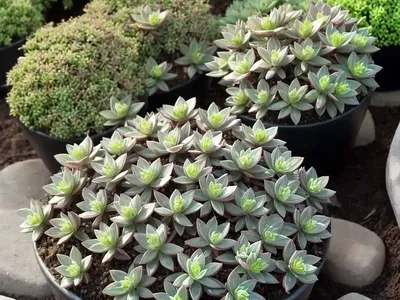
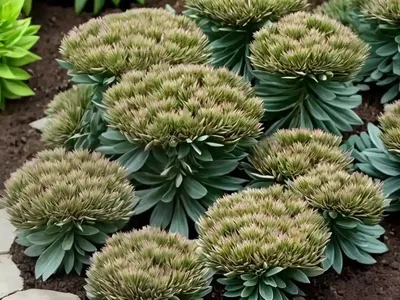
This specific variety, ‘Ruby’, is known for its stunning rosettes with vibrant red to burgundy foliage, adding a pop of color to any garden or succulent arrangement. The compact and fleshy leaves of ‘Ruby’ form dense clusters, making it an ideal choice for ground cover, rock gardens, container gardening, or mixed succulent displays.
Key Takeaways – Sempervivum SUPERSEMPS� ‘Ruby’
Before delving into the detailed care and cultivation guidance for Sempervivum SUPERSEMPS� ‘Ruby’, let’s highlight the key takeaways that encapsulate the essence of this captivating succulent:
- Distinctive Appearance: ‘Ruby’ exhibits striking rosettes with vivid red to burgundy leaves, creating a visually appealing contrast in any setting.
- Low Maintenance: Ideal for beginners and seasoned gardeners alike, ‘Ruby’ is remarkably low-maintenance, requiring minimal care and attention to thrive.
- Versatile Uses: From ground cover to container gardening, ‘Ruby’ adapts well to various landscaping applications and is a valuable addition to succulent collections.
- Resilient and Hardy: Possessing excellent drought tolerance and adaptability, ‘Ruby’ is a resilient plant that can withstand challenging environmental conditions.
Now, let’s delve into the specific aspects of caring for Sempervivum SUPERSEMPS� ‘Ruby’, including its cultural preferences, uses, propagation techniques, and potential challenges.
Culture
Cultivating Sempervivum SUPERSEMPS� ‘Ruby’ successfully involves understanding its cultural requirements, including water, sunlight, soil, and maintenance practices. By providing an environment that aligns with its natural preferences, you can ensure the health and vitality of this charming succulent.
Uses
Ground Cover
As a ground cover plant, Sempervivum SUPERSEMPS� ‘Ruby’ forms dense clusters of rosettes, creating a visually appealing carpet of foliage. Its low-growing and spreading habit makes it an excellent choice for covering bare patches of soil, edging pathways, or enhancing the visual interest of rock gardens. Additionally, ‘Ruby’ functions as a living mulch, helping to conserve soil moisture and suppress weed growth.
Container Gardening
With its compact growth habit and striking coloration, ‘Ruby’ is an ideal candidate for container gardening. Whether displayed in individual pots or combined with other compatible succulents, it adds an eye-catching element to outdoor patios, balconies, or indoor spaces. When potted, ensure the container has proper drainage to prevent waterlogging, as excess moisture can be detrimental to the plant’s health.
Mixed Succulent Arrangements
The vibrant hues and charming rosette formation of Sempervivum SUPERSEMPS� ‘Ruby’ make it a sought-after element in mixed succulent arrangements. When paired with contrasting succulent varieties of varying shapes, sizes, and colors, ‘Ruby’ contributes to visually captivating compositions in succulent gardens, terrariums, or living walls.
Water
Proper watering practices are crucial for the health and vigor of Sempervivum SUPERSEMPS� ‘Ruby’, especially considering its succulent nature and water storage capabilities. While ‘Ruby’ exhibits excellent drought tolerance, it’s essential to maintain a balanced approach to watering to prevent issues such as underwatering or overwatering.
Key Points for Watering ‘Ruby’:
- Well-Drained Soil: Plant ‘Ruby’ in well-draining soil to avoid water accumulation around the roots. Excessive moisture can lead to root rot and other complications.
- Watering Frequency: During the growing season, typically from spring to fall, water ‘Ruby’ when the soil has thoroughly dried out. This may equate to watering every 7-10 days, but adjust based on environmental conditions.
- Reduced Watering in Winter: In the dormant winter months, reduce watering frequency significantly, as ‘Ruby’ experiences reduced metabolic activity and requires minimal moisture to sustain itself.
Sunlight
Sempervivum SUPERSEMPS� ‘Ruby’ thrives in ample sunlight, exhibiting its best growth and coloration in bright, well-lit conditions. Proper exposure to sunlight is vital for the overall health and appearance of ‘Ruby’, affecting factors such as leaf color, compact growth, and reproductive behaviors.
Crucial Points for Sunlight Exposure:
- Full Sun to Partial Shade: Position ‘Ruby’ in locations that receive full sun to partial shade, ensuring it obtains at least 6 hours of direct sunlight daily.
- Indoor Considerations: If grown indoors, place ‘Ruby’ near a bright window or a supplemental grow light source to meet its sunlight requirements.
Fertilizer
Due to its efficient nutrient usage and relatively low nutritional demands, Sempervivum SUPERSEMPS� ‘Ruby’ is not a heavy feeder when it comes to fertilization. However, providing a balanced and dilute fertilizer solution can support its growth and resilience, particularly during the active growing season.
Fertilization Guidelines for ‘Ruby’:
- Use of Balanced Fertilizer: Apply a balanced, water-soluble fertilizer with a formulation such as 10-10-10 or 20-20-20 at half-strength every 2-3 months during the growing season.
- Avoid Excessive Feeding: Refrain from over-fertilizing ‘Ruby’, as excessive nutrients can disrupt its natural balance and lead to issues such as leggy growth or reduced drought tolerance.
- Organic Alternatives: If preferred, supplement ‘Ruby’ with organic fertilizers such as compost or well-decomposed manure to provide gradual nutrient release and soil enrichment.
Soil
The choice of soil and the planting medium significantly influence the development and resilience of Sempervivum SUPERSEMPS� ‘Ruby’. As a succulent that requires well-draining and nutrient-balanced soil, selecting the appropriate growing medium is paramount for its long-term growth and vigor.
Essential Soil Considerations:
- Well-Draining Soil Mix: Utilize a specialized succulent or cacti potting mix that promotes optimal drainage and aeration. Alternatively, prepare a custom mix by combining coarse sand, perlite, and well-aged compost in equal proportions.
- Avoid Water-Retentive Soil: Refrain from using heavy, water-retentive soils or those with high organic content, as they can predispose ‘Ruby’ to root rot and other moisture-related issues.
- Top Dressing for Protection: Consider applying a layer of gravel, coarse sand, or porous rock mulch on the soil surface to enhance drainage and minimize soil moisture fluctuations.
Pruning
Pruning requirements for Sempervivum SUPERSEMPS� ‘Ruby’ are minimal, primarily focusing on the removal of dried or withered leaves, spent flower stalks, or offsets to maintain the plant’s aesthetic appeal and vitality.
Key Pruning Practices for ‘Ruby’:
- Removing Dry Foliage: Periodically prune any dry or dead leaves from the outermost layers of ‘Ruby’ rosettes to enhance their visual appearance and prevent fungal development.
- Trimming Spent Blooms: After the flowering period, trim the spent flower stalks close to the base to redirect the plant’s energy towards new growth and offset production.
- Division of Clusters: If ‘Ruby’ becomes overcrowded due to prolific offset production, gently divide the clusters in early spring to create additional planting material and promote air circulation.
Propagation
Sempervivum SUPERSEMPS� ‘Ruby’ readily propagates from offsets, also known as “chicks,” which are produced abundantly by the mother plant. By employing simple propagation techniques, you can expand your ‘Ruby’ collection or share the plant with fellow gardening enthusiasts.
Propagation Methods for ‘Ruby’:
- Separation of Offsets: Carefully detach healthy offsets from the parent plant, ensuring they possess developed roots and viable growth points. Plant the offsets in separate containers or directly in the ground after a brief callusing period.
- Seed Propagation: While less commonly practiced due to the prolific nature of offset production, ‘Ruby’ can also be propagated from seeds. Sow the seeds in a well-draining germination medium and maintain consistently moist conditions until germination occurs.
Container Popularity
Sempervivum SUPERSEMPS� ‘Ruby’ has gained significant popularity among container gardening enthusiasts, owing to its compact growth habit, vivid coloration, and adaptability to confined spaces. When grown in containers, ‘Ruby’ serves as an appealing and low-maintenance addition to outdoor and indoor settings, providing a charming focal point or complementing other potted plants.
Benefits of Growing ‘Ruby’ in Containers:
- Space-Efficient Display: Ideal for small gardens, balconies, or windowsills, cultivating ‘Ruby’ in containers allows for creative and space-efficient displays.
- Portability and Flexibility: Containers enable easy relocation of ‘Ruby’, facilitating adjustments to sunlight exposure and aesthetic arrangements as needed.
- Protection from Adverse Conditions: During inclement weather or extreme temperatures, potted ‘Ruby’ can be housed indoors or in sheltered areas to shield it from potential harm.
Common Diseases
While Sempervivum SUPERSEMPS� ‘Ruby’ is generally robust and disease-resistant, it can occasionally encounter specific issues related to environmental stress, improper care, or pathogen infestations. Being attuned to common diseases helps in early identification and targeted intervention to safeguard the health of ‘Ruby’ plants.
Potential Diseases Affecting ‘Ruby’:
- Root Rot: Overly wet and poorly-draining soil can lead to root rot in ‘Ruby’, resulting in wilting, discoloration, and decay of the root system.
- Powdery Mildew: In high humidity or poorly ventilated conditions, ‘Ruby’ may be susceptible to powdery mildew, presenting as white, powdery patches on the foliage.
- Botrytis Rot: Prolonged moisture on the leaves and crowns of ‘Ruby’ can precipitate botrytis rot, characterized by brown, water-soaked lesions and tissue decay.
Disease Diagnosis
Early diagnosis of potential diseases and issues impacting Sempervivum SUPERSEMPS� ‘Ruby’ is pivotal for implementing effective remedial measures and preventing the escalation of problems. Regular monitoring and thorough examination of the plant’s visual cues can aid in prompt disease diagnosis and targeted intervention.
Diagnostic Pointers for Disease Assessment:
- Inspect Foliage and Crown: Regularly examine the foliage and central crown of ‘Ruby’ for signs of discoloration, wilting, wilting, or unusual growths that may indicate disease onset.
- Assess Soil Moisture Levels: Monitor soil moisture to ensure it aligns with the plant’s requirements, preventing issues such as root rot or fungal infections stemming from excessive moisture.
- Seek Expert Consultation: If uncertain about disease symptoms or potential causes, seek guidance from local horticultural experts or plant pathology resources for accurate diagnosis and treatment recommendations.
Common Pests
Sempervivum SUPERSEMPS� ‘Ruby’ is generally resistant to most pests due to its succulent nature and resilient constitution. However, certain opportunistic pests may occasionally pose a threat to ‘Ruby’, necessitating vigilance and proactive pest management strategies.
Potential Pests Affecting ‘Ruby’:
- Aphids: These small, sap-sucking insects may target the succulent foliage of ‘Ruby’, causing distortion, wilting, and the production of honeydew.
- Spider Mites: In arid or warm conditions, spider mites can infest ‘Ruby’, leading to stippling, webbing, and premature leaf drop.
- Mealybugs: Mealybugs may congregate on the leaves and rosettes of ‘Ruby’, excreting honeydew and inducing stunted growth or yellowing of foliage.
Botanist’s Tips
Optimal Watering Practices
Maintain a judicious approach to watering Sempervivum SUPERSEMPS� ‘Ruby’, allowing the soil to dry out partially between watering sessions. By avoiding prolonged soil moisture and waterlogged conditions, you can prevent root rot and related complications, ensuring the sustained health of ‘Ruby’.
Seasonal Sunlight Management
During the intense heat of summer, provide partial shading or dappled sunlight to shield ‘Ruby’ from excessive heat stress and potential leaf scorching. In contrast, ensure adequate sunlight exposure during the cooler months to support robust growth and color development.
Soil Drainage Enhancement
Enhance the natural drainage of the planting medium by incorporating coarse sand and perlite into the soil mix for ‘Ruby’. The improved aeration and moisture dispersion will minimize the risk of waterlogged conditions and mitigate the likelihood of root rot.
Fun Facts
- Sempervivum SUPERSEMPS� ‘Ruby’ is known for its resilience and adaptability, thriving in challenging environments and austere growing conditions.
- ‘Ruby’ is a monocarpic plant, meaning that individual rosettes bloom once in their lifetime, producing a dramatic flowering display before senescing.
- The rosette formation of ‘Ruby’ is an evolutionary adaptation known as “phylloclades”, where leaves are modified to store water and minimize transpiration.
Links to External Resources
For a comprehensive understanding of Sempervivum SUPERSEMPS� ‘Ruby’ and additional insights on its care and cultivation, consider exploring the following resources:
- Sempervivum Ruby Care Guide – ExampleSucculents.com
- Supersemps Ruby Hens and Chicks Planting Tips – GardeningGuru.com
- Sempervivum Ruby Varieties – SucculentSociety.org
- Ruby Hens and Chicks Succulent Care Tips – SucculentObsession.com
- Sempervivum Ruby in Containers – ContainerGardeningMag.com
By consulting reputable online sources, plant enthusiasts can access diverse perspectives and practical recommendations for optimizing the growth and beauty of Sempervivum SUPERSEMPS� ‘Ruby’.
In conclusion, Sempervivum SUPERSEMPS� ‘Ruby’, with its captivating foliage, resilience, and adaptability, has rightfully earned its place as a cherished succulent in gardens, containers, and mixed plant displays. By adhering to its cultural preferences, implementing proper care practices, and remaining attentive to potential challenges, you can enjoy the enduring charm and enduring allure of ‘Ruby’ in your botanical endeavors. Whether as a ground cover, potted specimen, or part of a succulent ensemble, ‘Ruby’ enriches any setting with its dynamic presence and unwavering beauty.
Remember, though ‘Ruby’ is a visually appealing and robust succulent, always exercise caution when handling and caring for it, as the plant may exhibit spines or thorns and should be kept away from pets or children. As you embark on your journey with Sempervivum SUPERSEMPS� ‘Ruby’, may its timeless allure and effortless elegance bring boundless joy and inspiration to your botanical ventures.