Sempervivum Chick Charms� Cotton Candy� (Hens And Chicks)
Sempervivum Chick Charms� Cotton Candy�, commonly known as Hens and Chicks, is a charming, low-growing succulent perennial. The name “Hens and Chicks” is.
What is Sempervivum Chick Charms� Cotton Candy� (Hens and Chicks)
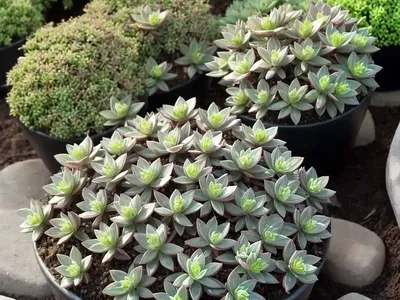
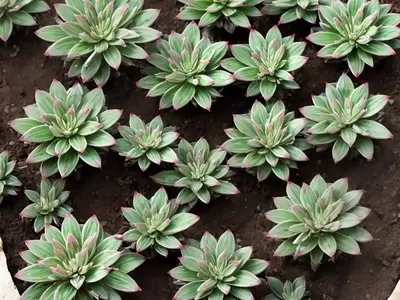
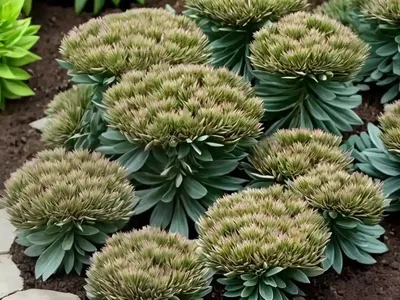
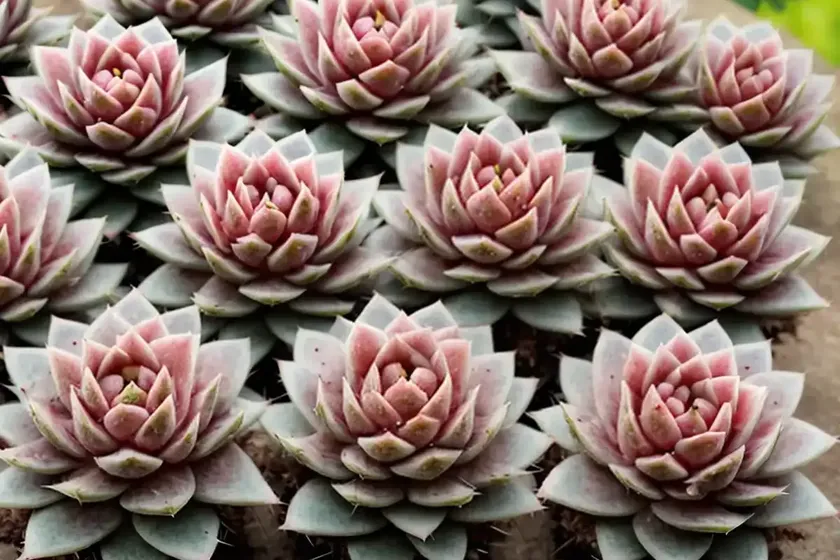
Sempervivum Chick Charms� Cotton Candy�, commonly known as Hens and Chicks, is a charming, low-growing succulent perennial. The name “Hens and Chicks” is derived from the way this plant produces offsets, creating small clusters of rosettes that resemble a mother hen and her chicks. This plant belongs to the family Crassulaceae and is native to alpine, mountainous regions of Europe and the Mediterranean. Sempervivum, the genus name, is derived from the Latin words “semper,” meaning “always,” and “vivus,” meaning “living,” alluding to the plant’s hardy nature and its ability to thrive in harsh conditions. The ‘Cotton Candy’ variety of Sempervivum Chick Charms� is particularly prized for its unique coloration, forming rosettes with blue-green leaves that take on a pinkish hue at their tips, making it a beautiful addition to rock gardens, containers, and dry landscapes.
Key Takeaways – Sempervivum Chick Charms� Cotton Candy� (Hens and Chicks)
- Scientific Name: Sempervivum Chick Charms� Cotton Candy�
- Common Names: Hens and Chicks
- Family: Crassulaceae
- Native: Alpine and mountainous regions of Europe and the Mediterranean
- Special Variety: ‘Cotton Candy’ – known for its blue-green leaves with pinkish tips
Characteristics of Sempervivum Chick Charms� Cotton Candy�
Sempervivum Chick Charms� Cotton Candy� is known for its unique and attractive features, making it a sought-after choice for both novice and experienced gardeners alike.
Characteristics:
- Low-growing, mat-forming perennial
- Succulent nature with fleshy, water-storing leaves
- Forms rosettes of leaves with a striking blue-green coloration
- Leaves take on a pinkish hue at their tips, resembling cotton candy
- Drought-tolerant and hardy plant
- Excellent ground cover and rock garden plant
Sempervivum Chick Charms� Cotton Candy� Culture
Uses
Sempervivum Chick Charms� Cotton Candy� is highly versatile and finds application in various landscaping and gardening scenarios:
- Rock gardens
- Xeriscapes
- Containers
- Ground covers
- Mixed succulent plantings
- Erosion control on slopes
- Border edging
Water
Sempervivum Chick Charms� Cotton Candy� is well-adapted to drought-like conditions and prefers well-draining soil. Water sparingly, especially in the winter months, to prevent waterlogged soil, which can lead to root rot. In hot summer months, the plant may appreciate occasional deep watering.
Sunlight
This succulent thrives in full sun but can also tolerate light shade, particularly in regions with intense afternoon sun. Ensure the plant receives at least 6 hours of sunlight for the best coloration and growth.
Fertilizer
Sempervivum Chick Charms� Cotton Candy� does not require regular fertilization. In fact, excess nutrients can lead to excessive leaf growth and a less compact growth habit, which may compromise its aesthetic appeal. If the plant shows signs of poor growth, a light application of a balanced, diluted fertilizer may be administered during the growing season.
Soil
Provide Sempervivum Chick Charms� Cotton Candy� with well-draining soil with a slightly acidic to neutral pH. A sandy or rocky soil mix is ideal for mimicking its native alpine habitat, ensuring the roots do not remain overly wet. When planting in containers, use a commercial cactus or succulent mix amended with additional perlite for improved drainage.
Pruning
Pruning requirements for Sempervivum Chick Charms� Cotton Candy� are minimal. Remove any dead or decaying leaves as needed, and divide overcrowded clumps every few years to maintain vigor and prevent overcrowding.
Propagation
Hens and Chicks are known for their prolific propagation through offsets (chicks) produced around the mother plant (hen). These offsets can be gently separated and replanted to establish new clusters of this charming succulent. Division is best done in the spring or early summer when the plant is actively growing.
Container Popularity
The compact, low-growing nature of Sempervivum Chick Charms� Cotton Candy� makes it well-suited for container gardening. The ‘Cotton Candy’ variety, with its eye-catching coloration, adds a delightful touch to mixed succulent containers or as a standalone feature in a decorative pot.
Common Diseases and Pests
Common Diseases
While Sempervivum Chick Charms� Cotton Candy� is generally resilient to diseases, overwatering can lead to issues with rot, particularly in poorly draining soil. Some common diseases that may affect this plant include:
- Root Rot: Caused by overwatering and waterlogged soil.
- Powdery Mildew: Fungal disease that thrives in humid conditions.
Disease Diagnosis
Diagnosing diseases in Sempervivum Chick Charms� Cotton Candy� involves careful observation of the plant’s overall health, particularly its root system and foliage. Symptoms of wilting, mushy stems, or the presence of powdery white substance on the leaves may indicate potential issues.
Common Pests
Sempervivum Chick Charms� Cotton Candy� is usually resistant to most pests due to its succulent nature and waxy leaf cuticle. However, certain pests may still pose a threat:
- Aphids: Small, sap-sucking insects that can cause distortion of new growth.
- Snails and Slugs: These pests may feed on the leaves and tender parts of the plant.
Botanist’s Tips for Growing Sempervivum Chick Charms� Cotton Candy�
- Well-Draining Soil: Use a gritty, well-draining soil mix to prevent waterlogging.
- Adequate Sunlight: Provide at least 6 hours of sunlight for optimal growth and coloration.
- Minimal Watering: Err on the side of underwatering rather than overwatering, particularly in humid climates.
- Division: Regularly divide and replant the offsets to maintain the health and vigor of the mother plant and propagate new ones.
- Protect from Excessive Moisture: Ensure that the plant has proper ventilation to prevent diseases related to humidity and moisture.
Fun Facts about Sempervivum Chick Charms� Cotton Candy�
- The name “Sempervivum” translates to “always living,” highlighting the plant’s hardy nature and resilience.
- Sempervivum Chick Charms� Cotton Candy� is not only low-maintenance but also deer-resistant, making it an excellent choice for gardens prone to deer browsing.
- This plant is a favorite for miniature and fairy gardens, adding a whimsical touch to these themed landscapes.
Links to External Resources
- Sempervivum Chick Charms Cotton Candy care guide
- Grow Hens and Chicks – Sempervivum tectorum
- Caring for Hens and Chicks Plants
Sempervivum Chick Charms� Cotton Candy�, with its unique characteristics and low-maintenance nature, is truly a standout plant in the world of succulents. Whether used as a ground cover in a rock garden, a focal point in a container, or a charming addition to a mixed succulent arrangement, this plant is sure to captivate with its delightful colors and charming growth habit. By following the key care guidelines and understanding its distinct qualities, gardeners can enjoy the beauty and resilience of this remarkable succulent variety.