Sempervivum Chick Charms® Berry Blues® (Hens and Chicks) – A Complete Guide
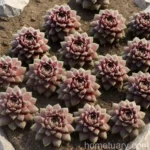
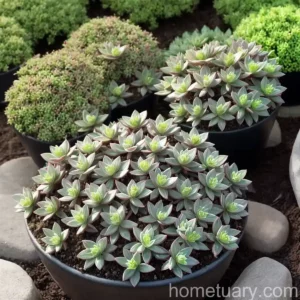
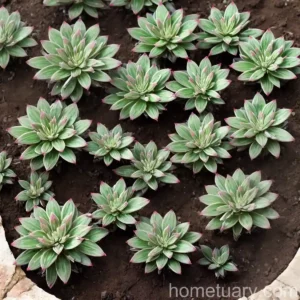
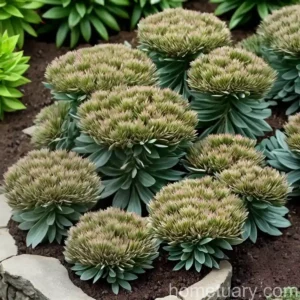
Sempervivum Chick Charms® Berry Blues® is a stunning succulent plant known for its vibrant berry-colored rosettes and low-maintenance nature. This variety, part of the Chick Charms® collection, is a favorite among gardeners and landscaping enthusiasts for its versatility and resilience. In this comprehensive guide, we will delve into all aspects of caring for and growing Sempervivum Chick Charms® Berry Blues® – from its cultural requirements to its propagation and maintaining its health. Whether you are a seasoned horticulturist or a beginner plant enthusiast, this guide aims to provide you with valuable insights into the world of Sempervivum succulents and the unique qualities of the Berry Blues® variety.
What is Sempervivum?
Sempervivum, commonly known as Hens and Chicks, is a genus of succulent plants in the Crassulaceae family. These perennial succulents are native to mountainous regions of Europe, as well as parts of Africa and Asia, where they thrive in rocky, well-draining soils. The name “Sempervivum” is derived from the Latin words “semper,” meaning forever, and “vivus,” meaning living, reflecting the hardy and enduring nature of these plants.
Sempervivum plants are characterized by their tightly packed rosettes of fleshy leaves, which give rise to numerous offsets, or “chicks,” around the central rosette, hence the common name “Hens and Chicks.” This growth habit makes them excellent ground covers and additions to rock gardens, as they form beautiful, textural displays that cascade over the edges of containers or rocky outcrops.
The Chick Charms® collection, including the Berry Blues® variety, showcases an array of colors and forms within the Sempervivum genus, offering unique ornamental value to both indoor and outdoor spaces.
Sempervivum Chick Charms® Berry Blues® – Key Takeaways
Before we delve into the specific cultural requirements and care tips for Sempervivum Chick Charms® Berry Blues®, let’s highlight some key takeaways about this captivating succulent:
- Latin Name: Sempervivum Chick Charms® Berry Blues®
- Common Name: Hens and Chicks
- Plant Type: Succulent
- Varietal Name: Berry Blues®
- Collection: Chick Charms®
- Color: Berry-colored rosettes with blue-green foliage
- Growth Habit: Clumping, spreading
- Uses: Rock gardens, containers, ground cover, landscaping
- Characteristics: Drought-tolerant, low-maintenance, perennial
- Sunlight: Full sun to partial shade
- Soil: Well-draining, sandy or rocky
- Watering: Infrequent, allowing soil to dry out between waterings
- Hardiness: Suitable for USDA Hardiness Zones 3-8
- Container: Well-draining, shallow containers
- Common Diseases: Root rot, fungal infections
- Common Pests: Aphids, spider mites
- Propagation: Offsets, seed propagation
- Maintenance: Minimal pruning, occasional removal of spent rosettes
- Indoor/Outdoor: Suitable for both indoor and outdoor environments
- Popularity: Widely favored for its ornamental value and resilience
Now, let’s explore each aspect of cultivating and caring for Sempervivum Chick Charms® Berry Blues® in greater detail.
Culture
Uses
Sempervivum Chick Charms® Berry Blues® offers a range of uses in horticulture and landscaping, thanks to its striking appearance and adaptability. Some common uses include:
-
Rock Gardens: The low-growing, cascading habit of Sempervivum makes it an ideal addition to rock gardens, where it can fill gaps between stones or create visually appealing displays on slopes and terraces.
-
Containers: The compact nature of Sempervivum Chick Charms® Berry Blues® makes it perfect for container gardening. It thrives in shallow, well-draining containers and is often featured in succulent arrangements and dish gardens.
-
Ground Cover: When planted en masse, Sempervivum creates a dense, textural ground cover that adds visual interest to garden beds and borders. Its ability to spread and fill in spaces makes it a valuable component in landscaping.
Water
One of the most appealing attributes of Sempervivum Chick Charms® Berry Blues® is its drought tolerance and ability to thrive in arid conditions. While it is essential to establish newly planted Sempervivum and provide adequate moisture during the establishment phase, mature plants are remarkably resilient to periods of limited water availability.
-
Watering Frequency: During the active growing season, which typically spans spring through fall, water Sempervivum Chick Charms® Berry Blues® when the soil has dried out completely. This often translates to watering every 7-10 days, depending on the local climate and soil conditions.
-
Soil Moisture: Ensure that the soil is well-draining to prevent waterlogged conditions, which can lead to root rot. Use a potting mix specifically formulated for succulents or incorporate additional perlite or coarse sand into the soil to improve drainage.
-
Winter Care: In cooler months or during winter dormancy, reduce watering frequency to prevent excess moisture retention in the soil, as Sempervivum is susceptible to rot in soggy conditions.
Sunlight
Similar to many succulent species, Sempervivum Chick Charms® Berry Blues® thrives in bright, direct sunlight and benefits from ample exposure to the sun’s rays. When grown indoors, it is vital to position the plants near a sunny window or provide supplemental grow lights to ensure they receive the necessary light levels.
-
Outdoor Requirements: Plant Sempervivum in locations that receive at least 6 hours of direct sunlight daily for optimal growth and color development. In regions with scorching summer temperatures, some afternoon shade may benefit the plants, especially during the hottest part of the day.
-
Indoor Considerations: If cultivating Sempervivum indoors, place the containers near south or west-facing windows to maximize sunlight exposure. Rotate the pots periodically to promote even growth and prevent etiolation, a condition where the plants become elongated and pale due to insufficient light.
Fertilizer
Sempervivum Chick Charms® Berry Blues® is a relatively low-maintenance plant when it comes to fertilization, primarily due to its adaptation to nutrient-poor environments in the wild. While these succulents can survive without supplemental feeding, applying a diluted, balanced fertilizer during the active growing season can support their overall health and vigor.
-
Frequency: Fertilize Sempervivum once every 4-6 weeks during the growing season, from early spring to late summer. Avoid excessive or frequent fertilization, as this can lead to imbalances and potential damage to the plants.
-
Type of Fertilizer: Choose a well-balanced, water-soluble fertilizer designed for succulents and cacti, with an NPK ratio such as 20-20-20 or 10-10-10. Dilute the fertilizer to half or one-quarter of the recommended strength to prevent overfeeding.
-
Application Technique: Apply the diluted fertilizer to the soil around the base of the plants, taking care to avoid getting the fertilizer on the rosettes, as direct contact can cause burns or discoloration.
Soil
The choice of soil for Sempervivum Chick Charms® Berry Blues® is critical in ensuring the health and longevity of these succulents. Given their preference for arid, rocky habitats, it is essential to provide a growing medium that closely mimics their natural environment.
-
Well-Draining Mix: Use a specialized succulent or cactus potting mix that promotes rapid drainage and aeration. These mixes typically contain components such as sand, perlite, pumice, or coarse gravel, which prevent water from pooling around the roots.
-
Amendments: If preparing your own succulent soil mix, incorporate coarse sand, horticultural grit, or pumice into a standard potting mix to enhance drainage and reduce the risk of water retention.
-
Rocky Substrates: In outdoor settings, Sempervivum Chick Charms® Berry Blues® can thrive in rocky or gravelly soils, given that they offer adequate drainage and support for the plants’ delicate root systems.
Pruning
Sempervivum Chick Charms® Berry Blues® generally requires minimal pruning, as the spent rosettes and foliage naturally senesce over time. However, in some instances, particularly when grown in containers or arrangements, occasional maintenance pruning can help refresh the appearance of the plants and promote new growth.
-
Removal of Spent Rosettes: As individual rosettes age and decline, gently remove them from the main plant using clean, sharp scissors or pruning shears. This practice not only enhances the aesthetic appeal of the plant but also redirects energy towards the development of new offsets and healthy growth.
-
Dead Leaf Removal: Periodically inspect the rosettes for dried, dead, or yellowing leaves and carefully pluck them away from the plant. This promotes airflow and reduces the risk of fungal infections or pest infestations.
Propagation
The prolific offset production of Sempervivum Chick Charms® Berry Blues® provides ample opportunities for propagation, enabling the expansion of your succulent collection or the sharing of plants with friends and fellow gardening enthusiasts.
Offsets
-
Identification: Offsets, or “chicks,” are miniature rosettes that develop around the base of the main rosette, connected by short stolons. These offsets are genetically identical to the parent plant and can be separated and replanted to establish new Sempervivum specimens.
-
Separation Technique: Gently twist or wiggle the offsets to detach them from the parent plant, taking care to preserve their tiny roots. Alternatively, use clean, sterilized scissors or shears to snip the offsets from the main rosette.
-
Establishment: Plant the separated offsets in well-draining, sandy soil or succulent potting mix, and maintain slightly moist conditions until root establishment occurs. Once rooted, treat the new plants as mature Sempervivum and gradually transition to their typical care regimen.
Seed Propagation
While less commonly practiced than offset propagation, growing Sempervivum from seed can be an exciting and rewarding endeavor. Keep in mind that due to the genetic diversity within Sempervivum species, seeds produced by hybrid plants may yield offspring with varied traits and colors.
-
Seed Collection: Harvest seeds from mature Sempervivum by allowing the flower stalks to develop, bloom, and set seed pods. Once the pods have ripened and turned brown, collect the tiny seeds for sowing.
-
Sowing Technique: Sow Sempervivum seeds on the surface of a well-draining seed-starting mix, lightly pressing them into the substrate without burying them. Place the trays or containers in a bright, warm location, maintaining consistently moist, but not soggy, conditions.
-
Germination and Growth: Under favorable conditions, Sempervivum seeds typically germinate within 2-3 weeks. Once the seedlings develop their first set of true leaves, they can be transplanted into individual containers or garden beds, where they will continue to mature and form rosettes.
Container Popularity
Sempervivum Chick Charms® Berry Blues® is well-suited for container gardening, and its popularity in these settings continues to grow as more individuals discover the rewards of cultivating succulents in pots, dish gardens, and other small-scale plantings.
-
Container Selection: Choose shallow, wide containers with adequate drainage holes to accommodate the shallow root systems of Sempervivum. Terra cotta, ceramic, or hypertufa containers are excellent choices, as they offer breathability and moisture regulation.
-
Arrangements and Compositions: Incorporate Sempervivum Chick Charms® Berry Blues® into mixed succulent arrangements, fairy gardens, or tabletop displays, where its compact size and vibrant hues can serve as focal points or complementary elements.
-
Indoor Displays: Given its adaptability to indoor environments, Sempervivum is a popular choice for adorning windowsills, desks, or bright corners within homes and offices. When grown indoors, it brings a touch of nature and color to interior spaces, requiring minimal upkeep.
Common Diseases
Disease Diagnosis
While Sempervivum Chick Charms® Berry Blues® is generally resistant to many common plant diseases, particularly those associated with excessive moisture, it is essential to be vigilant for signs of potential issues that could impact the health of the plants.
Root Rot
-
Symptoms: Yellowing, wilting, or discolored foliage, accompanied by a foul odor from the soil, may indicate the onset of root rot. Additionally, the roots of affected plants may appear mushy and darkened.
-
Causes: Overwatering or prolonged soil saturation can lead to root rot in Sempervivum, as the roots suffocate and decay in waterlogged conditions.
-
Prevention and Treatment: Adjust the watering frequency and volume to avoid excessive soil moisture. If root rot is suspected, carefully remove the affected plants from the soil, trim away rotted roots, and replant in fresh, well-draining soil. Ensure that the new planting medium is dry before reintroducing the plants.
Fungal Infections
-
Symptoms: Black spots, powdery coatings, or lesions on the leaves and rosettes may indicate the presence of fungal pathogens. These visual cues are often accompanied by a decline in plant vigor and overall appearance.
-
Causes: High humidity levels, poor air circulation, or splashing water on the foliage can create conditions conducive to fungal infections in Sempervivum.
-
Prevention and Treatment: Increase airflow around the plants by spacing them appropriately and avoiding overhead watering. If fungal infections occur, apply a suitable fungicide according to the manufacturer’s instructions and isolate affected plants to prevent the spread of pathogens.
Common Pests
Sempervivum Chick Charms® Berry Blues® is relatively resistant to pest infestations, owing to its succulent nature and adaptations to challenging growing conditions. However, certain pests may still pose occasional threats to these plants, requiring proactive management and intervention.
Aphids
-
Identification: Small, soft-bodied insects that gather on the undersides of leaves and stems. They can be green, black, brown, or yellow, depending on the species.
-
Damage: Aphids feed on plant sap, causing stunted growth, distorted leaves, and the secretion of sticky honeydew, which may lead to the development of sooty mold.
-
Control: Use a strong jet of water to dislodge aphids from the plant, or apply insecticidal soap or neem oil to eliminate infestations. Encourage natural predators such as ladybugs or lacewings to help manage aphid populations.
Spider Mites
-
Identification: Tiny arachnids that create fine webbing on the leaves and stems of plants. They are often yellow, green, or red in color and can be challenging to spot due to their small size.
-
Damage: Spider mites pierce the plant tissue and extract fluids, leading to stippling, discoloration, and eventual leaf drop. Severe infestations can weaken the plants and impact their overall health.
-
Control: Regularly rinse the foliage with a strong stream of water to dislodge spider mites and reduce their populations. If necessary, apply horticultural oil or insecticidal soap to target the pests while minimizing harm to beneficial insects.
Botanist’s Tips
Soil and Drainage
-
Focus on creating an optimal soil mix with excellent drainage for Sempervivum Chick Charms® Berry Blues®. This enhances the health and longevity of the plants, preventing the onset of root-related issues and promoting vigorous growth.
-
Remember that the shallow root system of Sempervivum is sensitive to prolonged moisture, so prioritizing soil with rapid drainage is crucial to their overall well-being.
External Resources
To further enhance your understanding of Sempervivum Chick Charms® Berry Blues® and expand your horticultural knowledge, consider exploring the following external resources:
-
The American Sempervivum Society: A valuable organization dedicated to the cultivation and appreciation of Sempervivum plants, offering access to educational materials, forums, and community events.
-
RHS Gardening – Growing Succulents: The Royal Horticultural Society provides comprehensive guidance on growing succulents, including Sempervivum, with practical tips and expert insights.
-
University Extension Services: Many university extension services offer in-depth publications and articles on horticultural topics, including the cultivation and care of Sempervivum species.
Fun Facts
-
Sempervivum Chick Charms® Berry Blues® undergoes striking color changes that intensify during periods of stress, such as extended dry spells or temperature fluctuations. The rosettes may deepen in color, adding visual interest to the plants.
-
Traditionally, the rosettes of Sempervivum have been associated with protective and warding properties, leading to their frequent placement on rooftops and walls to safeguard homes from lightning and misfortune. This practice has contributed to the colloquial names “Houseleek” and “Jupiter’s Beard” for certain Sempervivum species.
As you embark on the journey of caring for Sempervivum Chick Charms® Berry Blues®, remember that these resilient succulents reward attentive care with vibrant colors and captivating displays. Embrace the opportunity to nurture these hardy plants and witness their enduring beauty flourish under your gardening expertise.
Remember to stay curious and adaptive in your approach to succulent cultivation, exploring new techniques and resources to deepen your understanding and appreciation for these remarkable plants.
Oh, and before I forget – always take pleasure in observing the intricate details of the Sempervivum rosettes and the natural symphony of nature unfolding right in front of your eyes. Happy gardening!
May the Berry Blues® of Sempervivum Chick Charms® grace your garden with enduring allure and joy.