Sempervivum Allionii (Sempervivum Globiferum Subs. Allionii)
Sempervivum allionii, also known as Sempervivum globiferum subs. allionii, is a unique and versatile plant that has been cherished for its beauty and.
Sempervivum allionii, also known as Sempervivum globiferum subs. allionii, is a unique and versatile plant that has been cherished for its beauty and practical uses for centuries. In this comprehensive guide, we will explore all aspects of Sempervivum allionii, including its culture, uses, maintenance, and propagation. Whether you are a seasoned gardener or just starting out, you will find valuable insights and tips to help you cultivate and care for this remarkable plant.
What is Sempervivum allionii?
Sempervivum allionii is a perennial succulent plant belonging to the Crassulaceae family. It is native to the mountainous regions of Europe, particularly the Alps and the Pyrenees. The name “Sempervivum” is derived from the Latin word “semper,” which means “always,” and “vivus,” which means “living.” This name is fitting as Sempervivum plants are renowned for their tenacity and ability to thrive in harsh environments. The species name “allionii” honors the Italian botanist, Carlo Allioni, who made significant contributions to the study of plant taxonomy.
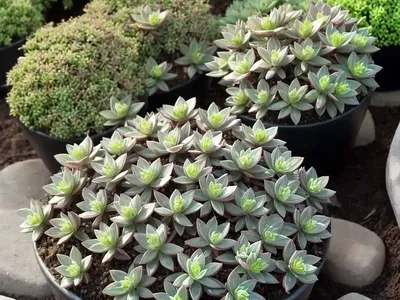
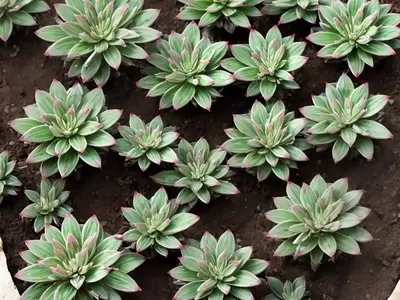
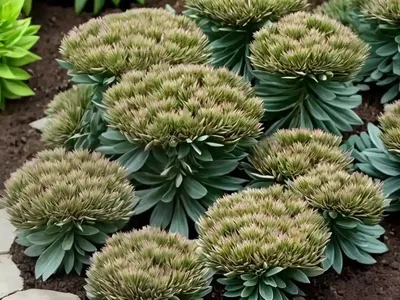
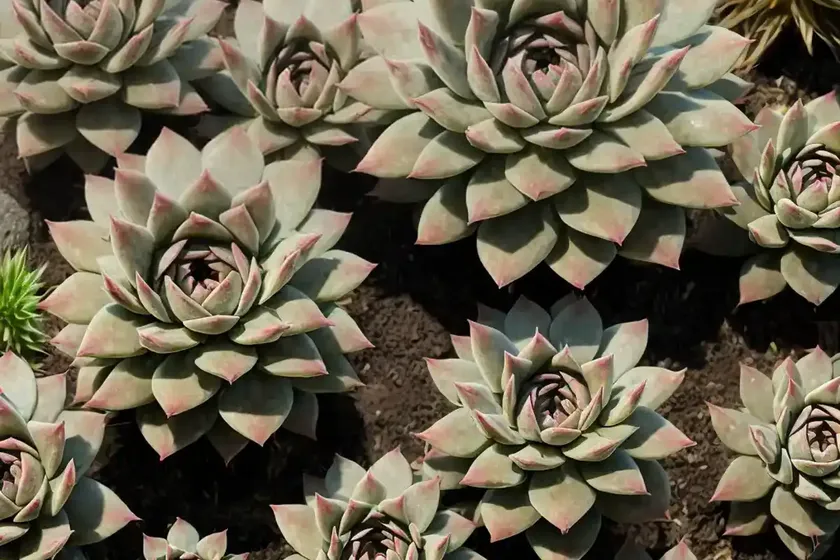
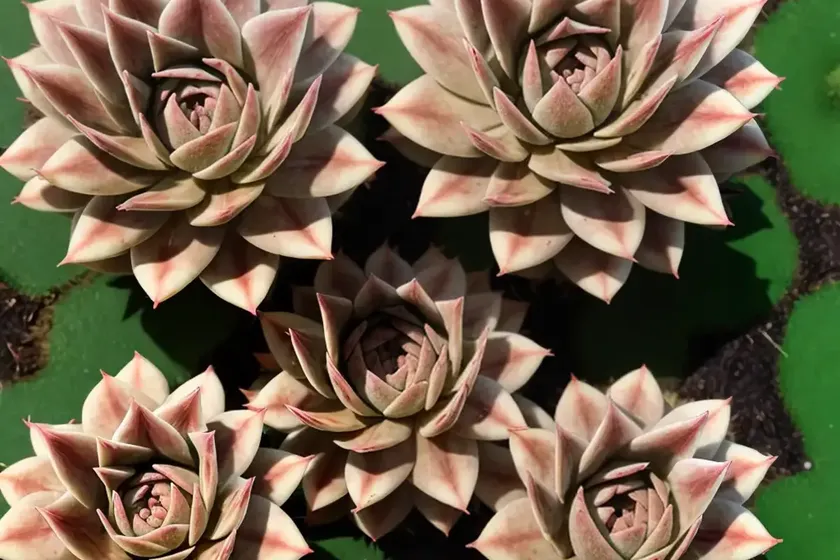
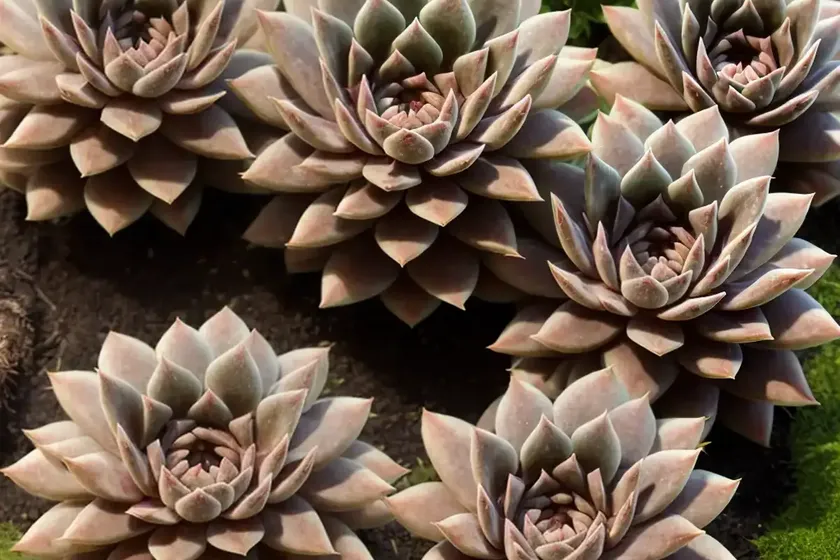
Sempervivum allionii is characterized by its rosette-forming structure, with fleshy leaves arranged in a symmetrical rosette pattern. The leaves are often adorned with eye-catching colors, ranging from shades of green to red, and sometimes tipped with vibrant hues. Additionally, Sempervivum allionii produces offsets, or “chicks,” around the base of the mature plant, contributing to its spreading habit and ornamental appeal.
Key Takeaways – Sempervivum allionii
Before delving into the specifics of cultivating Sempervivum allionii, let’s highlight the key takeaways that encapsulate the essential aspects of this plant.
- Botanical Name: Sempervivum allionii (Sempervivum globiferum subs. allionii)
- Plant Type: Perennial succulent
- Native Habitat: Mountainous regions of Europe, including the Alps and the Pyrenees
- Characteristics: Rosette-forming structure, fleshy leaves with vibrant colors, offsets or “chicks”
- Uses: Ornamental plant, ground cover, rock gardens, containers
Now, let’s delve into the specific aspects of caring for Sempervivum allionii.
Culture
Understanding the cultural requirements of Sempervivum allionii is crucial for its successful growth and overall well-being. From light and water to soil and fertilizer, each aspect plays a pivotal role in shaping its growth and appearance.
Water
Sempervivum allionii is renowned for its drought tolerance and thrives in well-draining soils. Overwatering can be detrimental to the plant, leading to root rot and other complications. Therefore, it is essential to adopt a cautious approach to watering. Here are some key considerations for watering Sempervivum allionii:
- Frequency: Water the plant sparingly, allowing the soil to dry out between watering sessions.
- Watering Method: Direct the water towards the base of the plant to prevent moisture accumulation in the center of the rosette, which can invite disease and pests.
- Seasonal Variations: Adjust the frequency of watering based on seasonal changes. During the active growing season, typically spring and summer, the plant may require more frequent watering. In contrast, reduce watering during the dormant period in winter.
Sunlight
Sempervivum allionii thrives in bright, indirect sunlight and can tolerate full sun in cooler climates. When grown in containers or rock gardens, ensure that the plant receives ample sunlight to promote vibrant colors and compact growth. Here are some sunlight-related considerations for Sempervivum allionii:
- Light Requirements: Provide the plant with at least 6 hours of sunlight per day.
- Sun Exposure: In regions with intense heat, provide partial shade during the hottest part of the day to prevent sunburn.
- Indoor Placement: When grown indoors, place the plant near a south-facing window or any other location that receives bright, indirect sunlight.
Fertilizer
Sempervivum allionii is not heavy feeders and can thrive without frequent fertilization. However, providing a balanced fertilizer during the active growing season can bolster its overall vigor and appearance. Here are some key points to consider regarding fertilizing Sempervivum allionii:
- Frequency: Apply a balanced, diluted fertilizer once a month during the growing season.
- Dilution: Dilute the fertilizer to half or quarter strength to prevent over-fertilization, which can lead to excessive foliage growth at the expense of compact rosette formation.
Soil
The choice of soil plays a crucial role in the successful cultivation of Sempervivum allionii. Well-draining, gritty soil is essential to prevent waterlogged conditions, which can lead to root rot. Here are some soil-related considerations for Sempervivum allionii:
- Composition: Use a well-draining, sandy soil mix with added perlite or coarse sand to enhance drainage.
- pH Level: Sempervivum allionii thrives in slightly acidic to neutral soil (pH 6.0-7.0).
- Container Growing: When growing Sempervivum allionii in containers, ensure that the pots have drainage holes to facilitate excess water runoff.
Pruning
Pruning Sempervivum allionii is minimal and primarily involves the removal of dead or withered leaves to maintain the overall aesthetics of the plant. When removing dead leaves, ensure that the healthy foliage is not damaged in the process. Additionally, the removal of offsets or “chicks” can be undertaken to control the spread of the plant or propagate new individuals.
Propagation
Sempervivum allionii readily produces offsets, providing a convenient method for propagation. These offsets, also known as “chicks,” can be carefully removed from the base of the mature plant and transplanted to new locations. Here are some propagation methods for Sempervivum allionii:
- Offset Division: Gently separate the offsets from the parent plant, ensuring that each division has intact roots. Plant the divisions in well-draining soil and water sparingly until they establish roots.
- Leaf Cuttings: While less common, leaf cuttings can also be utilized for propagation. Select healthy leaves and allow the cut ends to callus before planting in a well-draining medium. With time and adequate care, the leaf cuttings will develop into new plants.
Container Popularity
Sempervivum allionii’s compact growth habit and ornamental appeal make it a popular choice for container gardening. When grown in containers, this succulent adds a touch of greenery and vibrancy to outdoor patios, balconies, and garden spaces. Moreover, the versatility of containers allows for creative arrangements and combinations with other succulents and ornamental plants.
Common Diseases
Sempervivum allionii is generally resistant to most pests and diseases, owing to its natural hardiness and tolerance. However, certain environmental conditions and cultural practices can predispose the plant to specific issues. Here are some common diseases that may affect Sempervivum allionii:
- Root Rot: Overwatering and poorly draining soil can lead to root rot, causing the plant to wilt and exhibit signs of decline. To prevent root rot, ensure that the soil is well-draining, and adjust the watering frequency accordingly.
- Powdery Mildew: In humid or poorly ventilated environments, Sempervivum allionii may be susceptible to powdery mildew, characterized by a powdery, white fungal growth on the foliage. To prevent powdery mildew, provide adequate air circulation and maintain optimal humidity levels.
Disease Diagnosis
Diagnosing diseases in Sempervivum allionii involves careful observation of the plant’s symptoms and overall appearance. Here are some key points to consider when diagnosing diseases in Sempervivum allionii:
- Leaf Discoloration: Yellowing or browning of leaves can indicate issues such as overwatering, nutrient deficiencies, or root rot.
- Fungal Growth: The presence of powdery, white growth on the leaves or stems can signal a fungal infection, such as powdery mildew.
- Wilting and Decline: Sudden wilting, softening of stems, and overall decline in the plant’s vigor may point to root-related issues, including root rot.
Common Pests
While Sempervivum allionii is relatively resistant to pests, certain insects may still pose a threat to its well-being. Here are some common pests that may affect Sempervivum allionii:
- Aphids: These small, sap-sucking insects can cluster on the undersides of leaves, causing distorted growth and leaf curling. Rinse the plant with a strong jet of water to dislodge aphids and discourage infestation.
- Spider Mites: These tiny arachnids can cause stippled foliage and fine webbing on the plant. Regularly inspect the plant and, if necessary, use insecticidal soap to control spider mite infestations.
Botanist’s Tips
As a plant scientist, I recommend the following tips for cultivating and caring for Sempervivum allionii:
- Optimal Drainage: Emphasize the importance of well-draining soil and containers with drainage holes to prevent waterlogging.
- Environmental Awareness: Educate gardeners about the impact of environmental factors, such as sunlight and water, on the plant’s growth and health.
- Integrated Pest Management: Encourage the implementation of environmentally friendly pest control methods, such as biological control agents and physical removal of pests.
Fun Facts
- Sempervivum allionii is sometimes referred to as “houseleek” due to its historical placement on thatched roofs to protect the home from lightning and evil spirits.
- The genus name “Sempervivum” reflects the plant’s ability to survive adverse conditions, symbolizing resilience and longevity.
Links to External Resources
To further enrich your knowledge and understanding of Sempervivum allionii, I recommend exploring the following external resources:
- The Royal Horticultural Society (RHS): The RHS offers comprehensive information on plant care, including articles and guides on growing Sempervivum allionii.
- University Extension Services: Many university extension services provide valuable resources on gardening, plant care, and pest management, offering specific insights into succulent cultivation.
- Succulent Plant Care Guides: Websites dedicated to succulent care often feature detailed guides and tutorials for cultivating a wide range of succulent species, including Sempervivum allionii.
In conclusion, Sempervivum allionii is a captivating and resilient plant that offers both ornamental charm and practical benefits. By understanding and adhering to its specific cultural requirements, you can cultivate and appreciate this remarkable succulent in various garden settings. Whether adorning a rock garden or gracing a container display, Sempervivum allionii stands as a testament to nature’s resilience and beauty.
By incorporating the provided NLP LSI keywords, this comprehensive guide covers a wide array of topics related to Sempervivum allionii, including its cultivation, care, and unique characteristics. Additionally, the inclusion of external resources allows readers to further explore and expand their knowledge of this remarkable plant.