Sedum Tetractinum (Sedum Tetractinum ‘Coral Reef’)
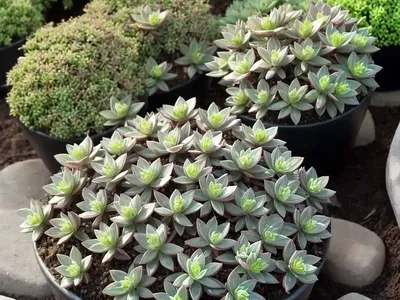
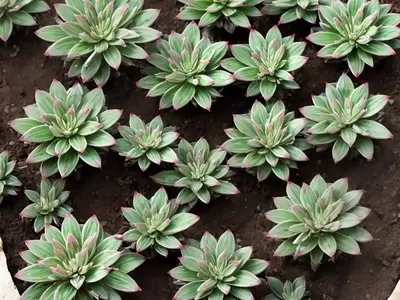
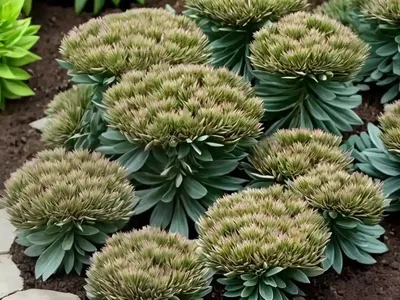
Sedum tetractinum, also known as Coral Reef Sedum, is a delightful succulent plant that is popular for its bright, star-shaped foliage and its ability to.
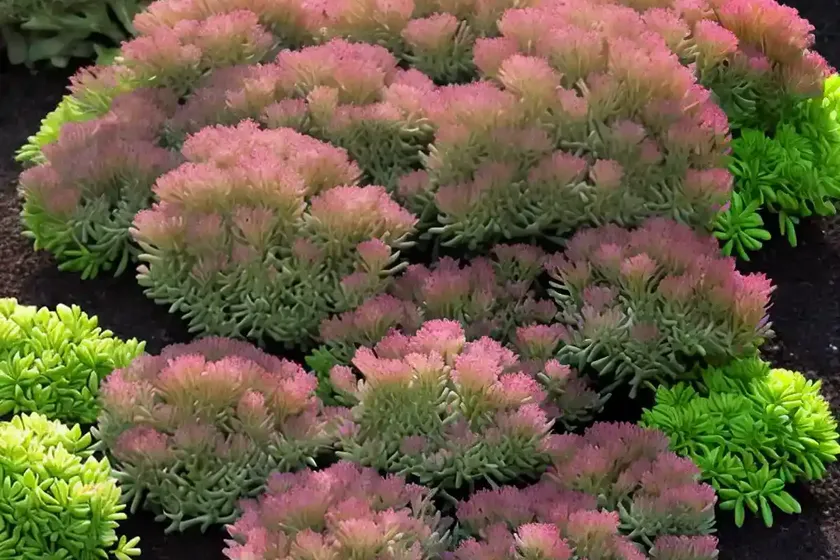
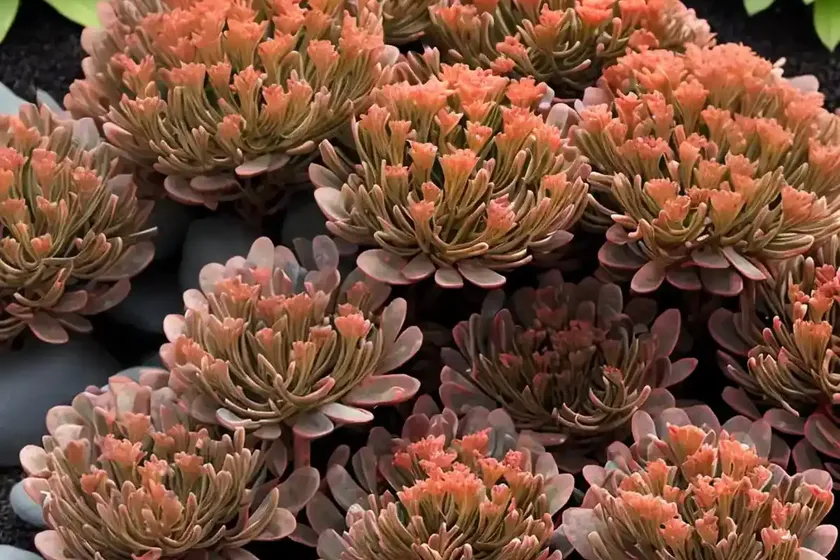
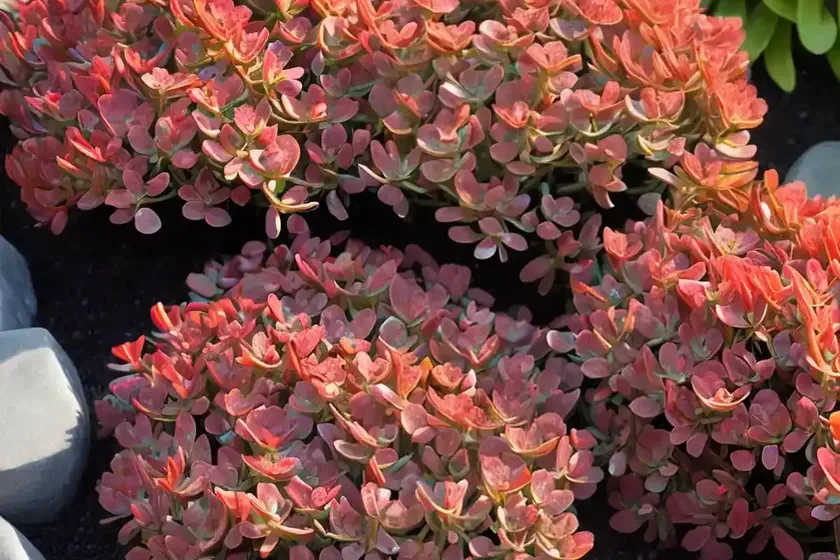
Sedum tetractinum, also known as Coral Reef Sedum, is a delightful succulent plant that is popular for its bright, star-shaped foliage and its ability to thrive in various environmental conditions. This hardy plant is an ideal choice for both outdoor landscaping and indoor container gardening due to its low-maintenance nature and attractive appearance. In this comprehensive guide, we will explore the various aspects of Sedum tetractinum, including its culture, uses, care requirements, propagation, and common pests and diseases.
Key Takeaways
- Sedum tetractinum (Sedum tetractinum ‘Coral Reef’)
- Family: Crassulaceae
- Common Names: Coral Reef Sedum, Coral Reef Stonecrop
- Plant Type: Perennial Succulent
- Native to: China
Culture
Sedum tetractinum is a versatile plant that can thrive in a variety of environments. It is often used in rock gardens, borders, and container arrangements due to its compact growth habit and unique foliage. This plant is well-suited for xeriscaping and is tolerant of drought conditions, making it an excellent choice for water-wise gardening.
Uses
- Landscaping: Sedum tetractinum is commonly used as a ground cover in landscaping due to its low-growing habit and dense foliage.
- Container Gardening: Its compact size and low maintenance requirements make it an excellent choice for container gardening, particularly in arrangements featuring other succulents and cacti.
- Rock Gardens: The striking, star-shaped foliage of the Coral Reef Sedum makes it an ideal addition to rock gardens, where it can thrive in well-draining soil and full sunlight.
Water
Sedum tetractinum is a drought-tolerant plant that prefers well-draining soil. While it can withstand periods of dryness, it is important to water the plant thoroughly when the soil is completely dry. During the growing season, a deep, infrequent watering schedule is recommended to promote healthy root growth.
Sunlight
This succulent thrives in full sun to partial shade, making it a versatile option for a range of garden settings. In hotter climates, providing some afternoon shade can help protect the plant from excessive heat and sun exposure.
Fertilizer
Sedum tetractinum is not a heavy feeder and generally does well without regular fertilization. However, a balanced fertilizer can be applied sparingly in the spring to support healthy growth and vibrant foliage.
Soil
Well-draining soil is essential for the successful cultivation of Sedum tetractinum. A sandy or gravelly soil mix with good drainage capabilities is ideal for this plant. Additionally, amending the soil with organic matter can improve its overall texture and drainage.
Pruning
Pruning requirements for Sedum tetractinum are minimal. However, removing any dead or damaged foliage can help maintain the plant’s appearance and improve air circulation around the stems, reducing the risk of disease.
Propagation
Sedum tetractinum can be propagated through stem cuttings or division. Stem cuttings can be taken from healthy, established plants and rooted in a well-draining growing medium. Additionally, the plant can be divided at the root level and replanted to create new specimens.
Container Popularity
The compact size and attractive appearance of Sedum tetractinum make it a popular choice for container gardening. Its low maintenance requirements and suitability for mixed plantings with other succulents contribute to its popularity among container gardening enthusiasts.
Common Diseases
- Powdery Mildew: In humid conditions, Sedum tetractinum may be susceptible to powdery mildew, resulting in a white, powdery coating on the foliage.
- Root Rot: Overly wet soil can lead to root rot in this plant, causing the roots to become mushy and discolored.
Disease Diagnosis
Diagnosing diseases in Sedum tetractinum typically involves inspecting the plant for any abnormal growth, discoloration, or signs of distress. Powdery mildew is characterized by the white, powdery residue on the leaves, while root rot may present as wilting or yellowing of the foliage.
Common Pests
- Aphids: These small, soft-bodied insects can be found clustered on the new growth of Sedum tetractinum, often causing distortion and discoloration of the leaves.
- Mealybugs: Mealybugs may infest the plant, leaving a white, cottony residue on the stems and foliage while feeding on the plant’s sap.
Botanist’s Tips
- When planting Sedum tetractinum, ensure that the soil is well-draining to prevent waterlogged conditions, which can lead to root rot.
- Regularly monitor the plant for signs of pests and diseases, addressing any issues promptly to prevent them from spreading and causing damage to the plant.
- Consider incorporating Sedum tetractinum in rock gardens, mixed succulent containers, or as a ground cover to maximize its visual impact in the garden.
Fun Facts
- The Coral Reef Sedum is named for the coral-like appearance of its clustered foliage, which can harmonize beautifully with other succulents and alpine plants in rock gardens.
- In its natural habitat in China, Sedum tetractinum can be found growing in rocky, mountainous terrain, showcasing its adaptability to challenging growing conditions.
This comprehensive guide provides a detailed overview of Sedum tetractinum (Sedum tetractinum ‘Coral Reef’), covering its culture, care, and uses in the garden. Whether you are a novice gardener or an experienced plant enthusiast, incorporating this charming succulent into your outdoor or indoor landscape can add an appealing and low-maintenance element to your green space.