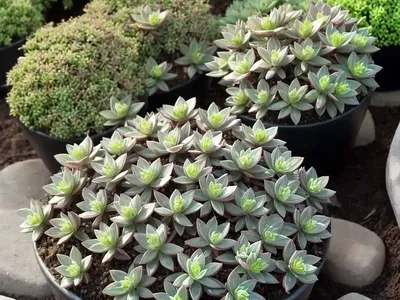
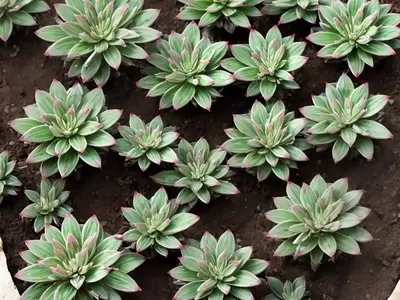
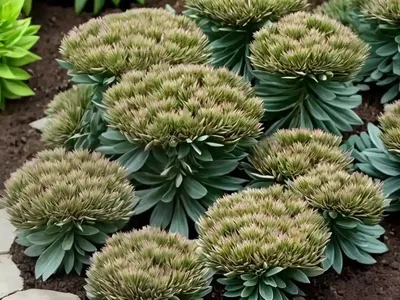
Sedum Palmeri (Sedum Palmeri)
Sedum palmeri, also known as Palmer’s Sedum, is a captivating succulent that is widely admired for its resilience, aesthetic appeal, and various uses in.
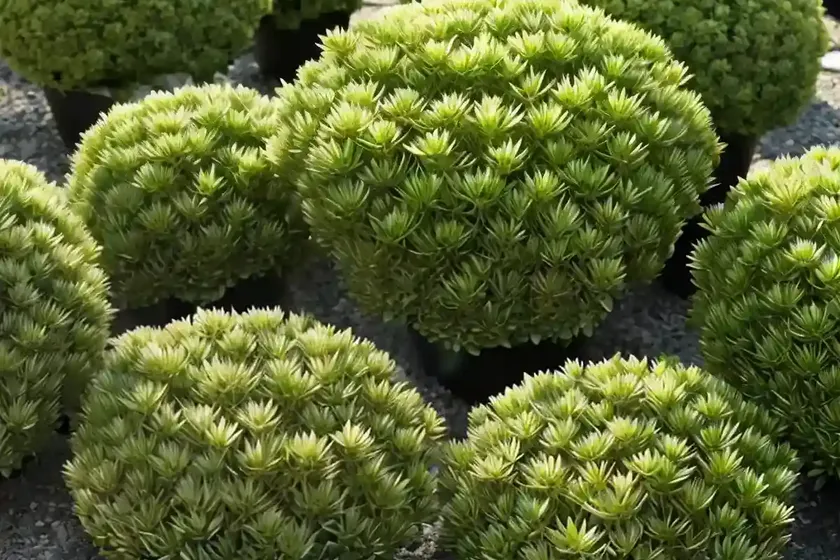
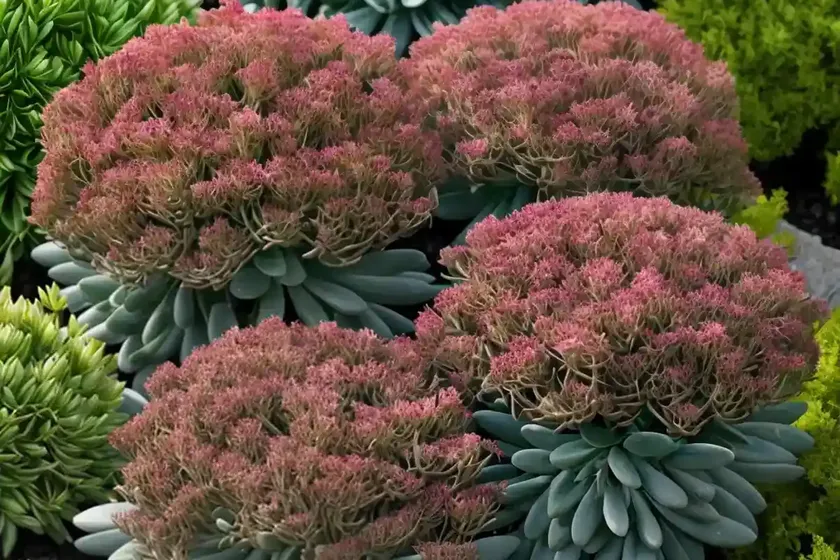
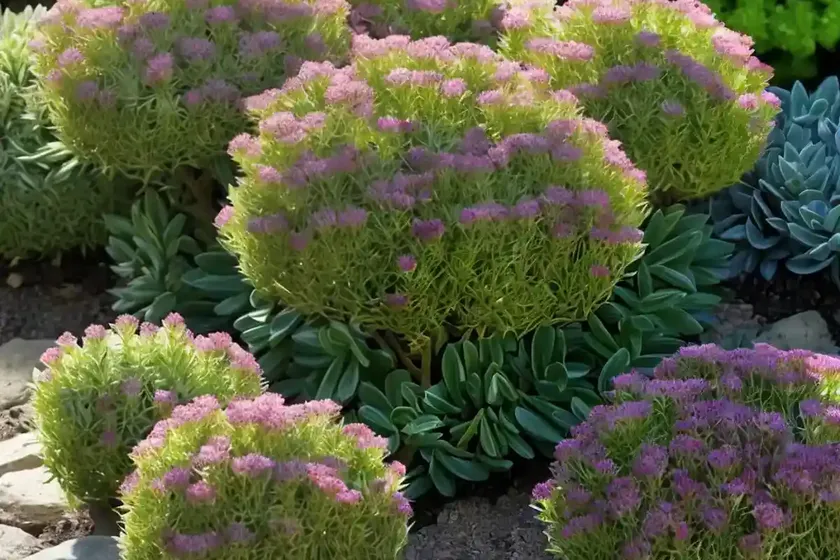
Sedum palmeri, also known as Palmer’s Sedum, is a captivating succulent that is widely admired for its resilience, aesthetic appeal, and various uses in landscaping and gardening. In this comprehensive guide, we will delve deep into the world of Sedum palmeri, exploring its care requirements, propagation techniques, uses, habitat, and much more. Whether you are a gardening enthusiast, a landscaping professional, or simply an admirer of the natural beauty, this guide will equip you with the knowledge and insights needed to nurture and appreciate this wonderful plant.
What is Sedum palmeri?
Sedum palmeri is a species of succulent plant belonging to the family Crassulaceae. It is native to Mexico and the southwestern United States, where it thrives in arid and semi-arid regions. This resilient plant is characterized by its fleshy, elongated leaves and clusters of vibrant flowers that adorn its sprawling stems. Sedum palmeri is a low-maintenance plant and is well-suited for various growing conditions, making it a popular choice for both indoor and outdoor cultivation.
Key Takeaways
Before delving deeper into the specific aspects of Sedum palmeri’s cultivation and care, let’s highlight some key takeaways that will be elaborated upon in this guide:
- Sedum palmeri is a versatile succulent with numerous landscaping and gardening applications.
- It exhibits remarkable drought tolerance and heat resistance, making it an ideal choice for arid environments.
- The plant’s foliage, flower colors, and growth habits make it an attractive addition to rock gardens, xeriscapes, and container gardens.
- Propagation of Sedum palmeri can be achieved through stem cuttings, division, or leaf propagation, offering gardeners the opportunity to expand their collection.
- Understanding the watering, sunlight, soil, and fertilizer requirements is crucial for maintaining the health and vitality of Sedum palmeri.
- The plant is relatively resistant to diseases and pests, but occasional monitoring is essential to ensure its well-being.
Now, let’s explore each aspect of Sedum palmeri’s cultivation, care, and uses in detail.
Cultivation
Cultivating Sedum palmeri involves understanding its specific requirements and adapting the growing conditions to mimic its natural habitat. Whether you are planning to grow it in a garden, container, or as a part of your landscape design, the following factors need to be considered for successful cultivation.
Water
Sedum palmeri is a succulent plant, which means it has adapted to store water in its leaves to withstand periods of drought. Therefore, it is crucial to avoid overwatering, as this can lead to root rot and other issues. Here are some key considerations for watering Sedum palmeri:
- Watering Frequency: Allow the soil to dry out completely between watering sessions, especially during the plant’s dormancy period in winter.
- Soil Moisture: Use a well-draining soil mix to prevent water from stagnating around the roots.
- Container Drainage: If growing Sedum palmeri in a container, ensure that it has drainage holes to prevent waterlogging.
Sunlight
Sedum palmeri thrives in bright, indirect light and can also tolerate full sun in most climates. Providing adequate sunlight is essential for the plant’s overall health and vibrant foliage. Here are some tips for ensuring optimal sunlight conditions:
- Outdoor Growing: Select a spot in the garden or landscape that receives ample sunlight, particularly in the morning and early afternoon.
- Indoor Growing: If growing indoors, place the plant near a window that receives direct sunlight for a few hours each day, or use grow lights to supplement natural light.
Fertilizer
While Sedum palmeri is not a heavy feeder, occasional fertilization during the growing season can support its vigor and promote flowering. Here are some guidelines for fertilizing Sedum palmeri:
- Fertilizer Type: Use a balanced, water-soluble fertilizer diluted to half strength during the plant’s active growth period in spring and summer.
- Frequency: Apply fertilizer every 4-6 weeks, reducing frequency in late summer and ceasing fertilization in winter.
Soil
The choice of soil is crucial for the success of Sedum palmeri, as it directly impacts drainage, moisture retention, and nutrient availability. Here are the key considerations for selecting and preparing the soil for this succulent:
- Well-Draining Mix: Use a cactus or succulent potting mix or amend regular potting soil with sand or perlite to improve drainage.
- pH Level: Aim for a slightly acidic to neutral pH range (6.0-7.0) to ensure optimal nutrient uptake.
Pruning
Pruning Sedum palmeri is primarily done to maintain its shape, remove dead or damaged parts, and encourage compact growth. Here are some tips for pruning this succulent:
- Timing: Prune in early spring before new growth emerges to avoid removing active buds or flowers.
- Technique: Use clean, sharp pruners to make precise cuts and remove any leggy or unwanted growth.
Propagation
Propagation of Sedum palmeri can be an exciting and rewarding endeavor, offering gardeners the opportunity to create new plants from established ones. The following methods can be used to propagate this succulent:
- Stem Cuttings: Take 3-4 inch stem cuttings and allow them to callus for a few days before planting them in a well-draining propagation mix.
- Division: Divide mature plants by carefully separating the offset clusters and planting them in individual containers or suitable garden spots.
- Leaf Propagation: Gently remove healthy leaves from the plant, allow them to dry for a day or two, and then place them on top of a propagation mix. New plants will emerge from the leaf nodes over time.
Container Popularity
Sedum palmeri is a popular choice for container gardening due to its compact size, low maintenance requirements, and stunning visual appeal. When growing this succulent in containers, consider the following tips to ensure its well-being:
- Container Selection: Choose pots with sufficient drainage holes and a size that accommodates the plant’s root system while allowing room for future growth.
- Potting Mix: Use a well-draining succulent or cactus potting mix to provide the necessary aeration and drainage.
- Watering: Adjust the watering frequency based on the moisture retention of the potting mix and the environmental conditions.
Common Diseases and Pests
Sedum palmeri is relatively resistant to diseases and pests, especially when grown in favorable conditions. However, vigilance and proactive measures can help prevent and manage potential issues. Here are some common diseases and pests that may affect Sedum palmeri, along with their diagnosis and control methods:
Common Diseases
- Powdery Mildew: A fungal disease that appears as a powdery white growth on the foliage.
- Control: Improve air circulation, avoid overhead watering, and use fungicidal sprays if necessary.
- Root Rot: Caused by overwatering or poorly draining soil, leading to soggy roots and eventual decay.
- Diagnosis: Yellowing or wilting leaves, mushy stems, and a foul odor from the soil.
- Control: Adjust watering practices, improve soil drainage, and consider repotting into a suitable mix.
Common Pests
- Aphids: Small, soft-bodied insects that feed on the plant’s sap and excrete honeydew.
- Control: Use a strong stream of water to dislodge aphids, introduce natural predators, or apply insecticidal soap if infestation is severe.
- Mealybugs: White, cottony insects that congregate on the undersides of leaves and leaf joints.
- Control: Remove mealybugs manually, dab affected areas with rubbing alcohol, or use horticultural oil to suffocate the pests.
Botanist’s Tips
As a botanist fascinated by the diversity of succulent plants, particularly Sedum palmeri, I find great joy in sharing some additional tips for those captivated by this remarkable species:
- Native Habitat: Explore the natural habitat of Sedum palmeri in rocky, mountainous regions of Mexico and the southwestern United States, where it showcases its innate resilience and adaptation to harsh conditions.
- Edible Uses: While primarily grown for ornamental purposes, some Sedum species, including Sedum palmeri, have edible leaves and flowers that can be used in salads or as garnishes. However, ensure proper identification and avoid consumption if unsure.
- Wildlife Attraction: The nectar-rich flowers of Sedum palmeri attract pollinators such as bees, butterflies, and hummingbirds, contributing to the biodiversity of gardens and natural landscapes.
Fun Facts
To further enrich your appreciation for Sedum palmeri, here are some intriguing and delightful facts about this captivating succulent:
- The word “Sedum” is derived from the Latin word for “sit down,” alluding to the low-growing and spreading nature of many sedum species, including Sedum palmeri.
- Sedum palmeri belongs to a diverse and extensive genus, with over 400 species known for their succulent characteristics, captivating flowers, and resilience.
- The ability of Sedum palmeri to thrive in extreme conditions, including arid climates and nutrient-poor soils, showcases the remarkable adaptability of succulent plants.
Links to External Resources
As we conclude our journey through the captivating world of Sedum palmeri, I encourage you to explore the following external resources for further information, inspiration, and insights:
- The Spruce – Sedum Plant Guide
- World of Succulents – Sedum palmeri
- Royal Horticultural Society – Sedum Cultivation
- American Horticultural Society – Sedum and Other Stonecrop Plants
To conclude, the allure of Sedum palmeri extends far beyond its visual charm, encompassing its resilience, versatility, and myriad uses in the realm of gardening, landscaping, and horticulture. Whether adorning a rocky outcrop in its native habitat or gracing a container garden on a bustling urban balcony, this remarkable succulent continues to captivate and inspire plant enthusiasts worldwide.
In the ever-evolving tapestry of plant biodiversity, Sedum palmeri stands as a testament to the ingenuity and beauty of nature, offering a glimpse into the wondrous world of succulent plants.
Keywords: Sedum palmeri care, Sedum palmeri propagation, Sedum palmeri varieties, Sedum palmeri cultivation, Sedum palmeri planting, Sedum palmeri water requirements, Sedum palmeri light requirements, Sedum palmeri soil conditions, Sedum palmeri pests and diseases, Sedum palmeri pruning, Sedum palmeri indoor growing, Sedum palmeri outdoor growing, Sedum palmeri container gardening, Sedum palmeri landscaping, Sedum palmeri rock gardens, Sedum palmeri ground cover, Sedum palmeri drought tolerance, Sedum palmeri heat tolerance, Sedum palmeri cold hardiness, Sedum palmeri native habitat, Sedum palmeri medicinal uses, Sedum palmeri edible uses, Sedum palmeri wildlife attraction, Sedum palmeri flower colors, Sedum palmeri foliage colors, Sedum palmeri growth habits, Sedum palmeri plant size, Sedum palmeri companion plants, Sedum palmeri landscape design, Sedum palmeri seasonal interest, Sedum palmeri blooming season, Sedum palmeri watering tips, Sedum palmeri sunlight requirements, Sedum palmeri planting zones, Sedum palmeri flower clusters, Sedum palmeri root system, Sedum palmeri garden design, Sedum palmeri xeriscaping, Sedum palmeri winter care, Sedum palmeri plant structure, Sedum palmeri ground-hugging species, Sedum palmeri succulent characteristics, Sedum palmeri landscape uses, Sedum palmeri indoor care tips, Sedum palmeri growth rate, Sedum palmeri trailing growth, Sedum palmeri vertical garden, Sedum palmeri cascading foliage, Sedum palmeri rockery plant, Sedum palmeri plant maintenance tips