Sedum Pachyclados (Sedum Pachyclados ‘white Diamond’)
Sedum Pachyclados, commonly known as ‘White Diamond’, is an eye-catching succulent plant with low maintenance requirements. In this comprehensive guide, we.
Sedum Pachyclados, commonly known as ‘White Diamond’, is an eye-catching succulent plant with low maintenance requirements. In this comprehensive guide, we will delve into the various aspects of cultivating and caring for this beautiful plant, including its cultural requirements, propagation techniques, common uses, diseases, and pests. Whether you are a seasoned horticulturist or a novice enthusiast, this guide aims to provide you with all the information you need to successfully cultivate and appreciate the beauty of Sedum Pachyclados.
What is Sedum Pachyclados (Sedum Pachyclados ‘White Diamond’)?
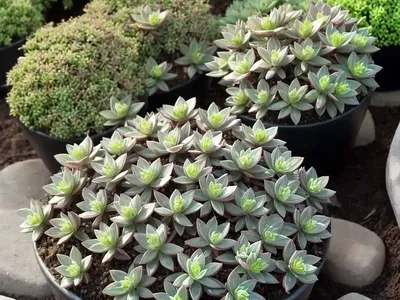
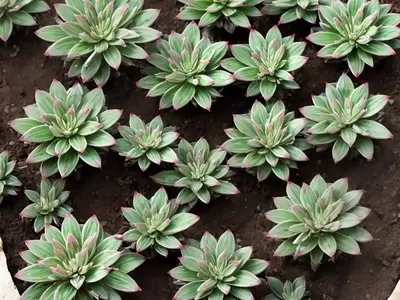
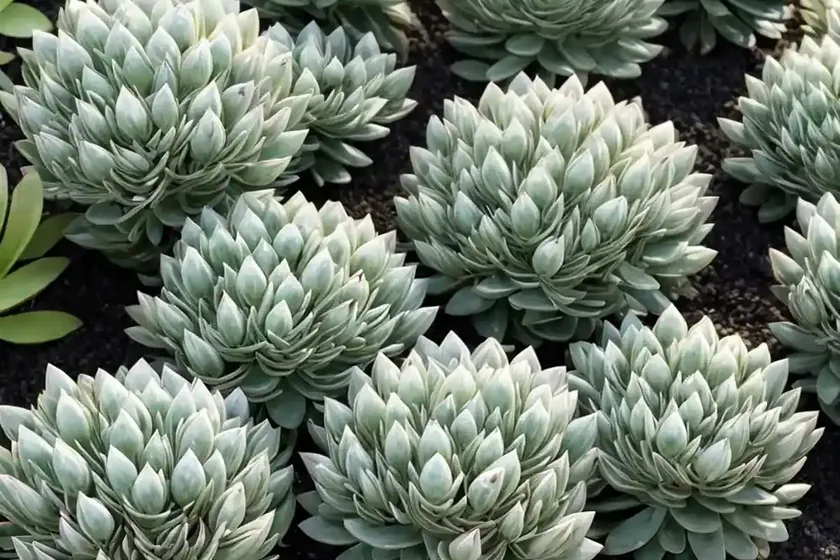
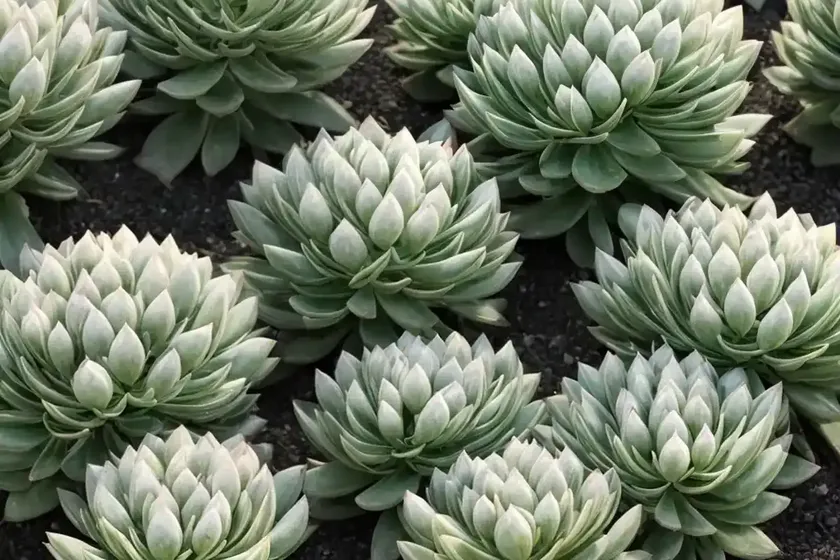
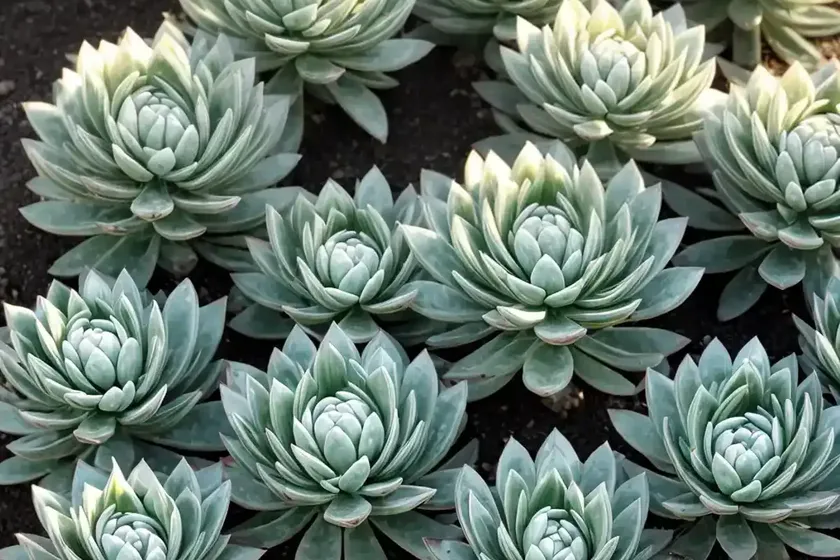
Sedum Pachyclados is a species of succulent belonging to the family Crassulaceae, native to the mountainous regions of Iran. This plant is renowned for its intricate rosettes of pale blue-green, fleshy leaves, often tinged with a pinkish hue. In the summer, Sedum Pachyclados produces clusters of star-shaped white flowers, adding to its ornamental appeal.
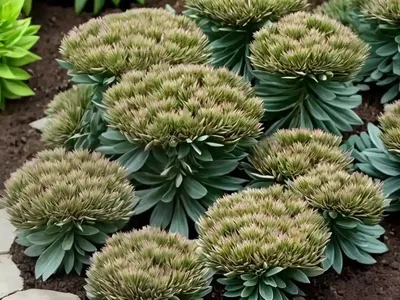
The ‘White Diamond’ variety of Sedum Pachyclados is particularly prized for its stunning white foliage, which sets it apart from other sedum varieties. Its compact and low-spreading growth habit makes it an ideal choice for rock gardens, containers, and ground cover.
Key Takeaways – Sedum Pachyclados (Sedum Pachyclados ‘White Diamond’)
Before we delve deeper into the specifics of caring for Sedum Pachyclados, let’s summarize the key takeaways of this beautiful plant:
- Scientific Name: Sedum Pachyclados
- Common Name: White Diamond
- Family: Crassulaceae
- Native Habitat: Iran
- Foliage: Blue-green with a hint of pink in rosettes
- Flowers: Star-shaped white flowers in summer
- Cultivation: Ideal for rock gardens, containers, and ground cover
Now that we have an overview of Sedum Pachyclados, let’s explore the essential aspects of its cultivation and care.
Culture
Cultivating Sedum Pachyclados involves understanding its specific requirements in terms of water, sunlight, soil, and fertilizer. By creating an environment that mimics its natural habitat, you can ensure the optimal growth and health of this stunning succulent.
Uses
Sedum Pachyclados, with its distinctive appearance and low-maintenance nature, serves various practical and aesthetic purposes in landscaping and horticulture. Some common uses include:
- Rock gardens
- Ground cover in dry, sunny areas
- Container gardening, including hanging baskets and succulent arrangements
- Erosion control on slopes
- Accent plant in mixed borders
Water
Sedum Pachyclados is renowned for its drought-tolerant nature and is adapted to arid environments. When it comes to watering this plant, it is crucial to strike a balance, ensuring sufficient moisture without causing waterlogging, which can lead to root rot. Here are some essential points to consider regarding the water requirements of Sedum Pachyclados:
- Established Plants: Once established, Sedum Pachyclados generally requires minimal watering. It is essential to allow the soil to dry out between waterings, particularly in well-draining soil.
- Young Plants and Containers: Newly planted Sedum Pachyclados and those in containers may require more frequent watering initially. However, it is crucial to monitor the soil moisture to prevent overwatering.
It is advisable to water Sedum Pachyclados deeply but infrequently, allowing the soil to dry out slightly before the next watering cycle.
Sunlight
Sedum Pachyclados thrives in full sunlight to partial shade, displaying the best coloration and compact growth habit when provided with ample sunlight. Here are some considerations regarding sunlight requirements for Sedum Pachyclados:
- Full Sun: When grown in regions with full sun exposure, Sedum Pachyclados typically exhibits vibrant foliage colors and sturdy growth habits.
- Partial Shade: In exceptionally hot climates, providing partial afternoon shade can help prevent leaf scorching, particularly during the peak of summer.
Overall, this plant’s adaptability to various light conditions makes it a versatile choice for different landscapes and garden environments.
Fertilizer
Sedum Pachyclados does not have high nutritional demands and can thrive in relatively lean soil. When considering fertilization, it is essential to adopt a conservative approach to avoid stimulating excessive, lanky growth. Here are some key points to consider when fertilizing Sedum Pachyclados:
- Timing: Apply a balanced, slow-release fertilizer sparingly in spring, once the growing season commences.
- Dilution: When using liquid fertilizers, dilute them to half or quarter strength to prevent overfeeding the plant.
- Frequency: In most cases, an annual application of fertilizer in spring is adequate to support healthy growth and flowering.
By adopting a restrained approach to fertilization, you can help maintain the compact, attractive growth habit of Sedum Pachyclados.
Soil
Sedum Pachyclados thrives in well-draining soil, and it is essential to provide the right growing medium to ensure its vitality. Here are some critical considerations when selecting soil for Sedum Pachyclados:
- Drainage: Choose soil mixes that offer excellent drainage, preventing water stagnation around the roots.
- Sandy or Gravelly Soil: A mixture containing sand, gravel, or perlite can enhance drainage and aeration, safeguarding the plant against overly wet conditions.
- Acidity: Sedum Pachyclados prefers neutral to slightly alkaline soils, and incorporating lime or limestone in the soil mix can help maintain an optimal pH level.
By providing a well-draining, slightly alkaline soil mix, you can create an ideal growing environment for Sedum Pachyclados.
Pruning
Pruning is a crucial aspect of maintaining the health and aesthetic appeal of Sedum Pachyclados. Proper pruning can help manage its growth habit, promote branching, and rejuvenate the plant for abundant flowering. Here are some essential tips for pruning Sedum Pachyclados:
- Deadheading: After the flowering period, promptly remove spent flower heads to encourage the development of new blooms and maintain the plant’s tidy appearance.
- Rejuvenation: Every few years, consider rejuvenating established Sedum Pachyclados plants by cutting back leggy or overgrown stems to promote fresh growth from the base of the plant.
- Regular Maintenance: Periodic removal of damaged or unattractive foliage can help the plant maintain its compact, appealing form.
By incorporating these pruning practices into your care routine, you can ensure that Sedum Pachyclados remains vigorous and visually appealing throughout the growing season.
Propagation
Propagating Sedum Pachyclados allows you to expand your collection of these stunning succulents and share them with fellow plant enthusiasts. The following methods are commonly employed for propagating Sedum Pachyclados:
Division
Dividing mature Sedum Pachyclados plants is a straightforward method to create new individuals and rejuvenate the parent plant. Here’s how you can propagate Sedum Pachyclados through division:
- Selective Division: In early spring or late summer, carefully lift the plant and divide the cluster of rosettes into smaller sections, ensuring that each division has healthy roots attached.
- Replanting: Plant the divided sections in well-draining soil, water lightly, and provide shelter from direct sunlight initially to promote root establishment.
Stem Cuttings
Stem cuttings offer another reliable approach to propagate Sedum Pachyclados, typically yielding new plants with ease. Here’s a step-by-step guide for propagating Sedum Pachyclados through stem cuttings:
- Selection: Choose healthy, non-flowering stems for cuttings, ideally in spring or early summer.
- Cutting Preparation: With a clean, sharp pair of scissors or pruning shears, take 2-3 inch cuttings from the selected stems, ensuring there are no flower buds present.
- Callusing: Allow the cut ends of the stem cuttings to callus for a day or two to prevent rotting.
- Planting: Insert the callused end of the stem cuttings into a well-draining potting mix, and lightly water to settle the soil around the stems.
Successful root formation and the emergence of new growth from the stem cuttings signify the establishment of new Sedum Pachyclados plants.
Container Popularity
Sedum Pachyclados, particularly the ‘White Diamond’ variety, is highly sought after for container gardening due to its compact growth habit and resilience in varying environmental conditions. From creative succulent arrangements to standalone planters, Sedum Pachyclados enhances the visual appeal of any container garden.
Common Diseases
While Sedum Pachyclados is generally resistant to most diseases, certain environmental conditions and care practices can make it susceptible to specific issues. Here are some common diseases that may affect Sedum Pachyclados:
- Root Rot: Prolonged exposure to excessively wet soil can lead to root rot in Sedum Pachyclados, emphasizing the critical importance of well-draining soil and appropriate watering practices.
- Powdery Mildew: In humid environments, powdery mildew may develop on the foliage of Sedum Pachyclados, necessitating adequate air circulation and preventive measures such as horticultural oil applications.
By attentively monitoring the plant’s growing conditions and promptly addressing any signs of disease, you can help safeguard Sedum Pachyclados against common ailments.
Disease Diagnosis
Diagnosing potential diseases in Sedum Pachyclados involves observing the plant closely and identifying any deviations in its growth, foliage color, or overall vigor.
- Visual Symptoms: Look for signs of wilting, yellowing, or browning of the foliage, particularly in the lower parts of the plant, which may indicate issues such as root rot or fungal infections.
- Physical Examination: Inspect the root system for discoloration, softness, or unpleasant odors, which can signal the presence of root diseases.
Regular monitoring and swift intervention in the event of disease symptoms can aid in quick recovery and the restoration of plant health.
Common Pests
Despite its resilience, Sedum Pachyclados may attract certain pests that could compromise its health and appearance. Common pests that may affect Sedum Pachyclados include:
- Aphids: These tiny, sap-sucking insects may congregate on the tender shoots and foliage of Sedum Pachyclados, causing distortion and discoloration of the leaves.
- Mealybugs: Mealybugs are notorious for infesting succulent plants, and they may seek shelter in the leaf axils and along the stems of Sedum Pachyclados. Their presence can lead to stunted growth and the development of honeydew and sooty mold.
Vigilant inspection and the adoption of organic or targeted pest control measures can effectively manage pest infestations on Sedum Pachyclados.
Botanist’s Tips
Here are some additional tips from botanists and horticulturists to enhance the care and cultivation of Sedum Pachyclados:
- Seasonal Protection: In regions with harsh winters, consider providing winter protection for Sedum Pachyclados, such as mulching around the base of the plant to safeguard against frost.
- Companion Planting: Pair Sedum Pachyclados with drought-tolerant perennials and ornamental grasses to create visually striking and water-wise landscapes.
By incorporating these recommendations into your gardening practices, you can elevate the performance and aesthetic appeal of Sedum Pachyclados in your outdoor spaces.
Fun Facts
Before we explore external resources and additional information on Sedum Pachyclados, here are some fun facts about this remarkable succulent:
- Sedum Pachyclados is renowned for attracting pollinators such as bees and butterflies with its nectar-rich flowers.
- In its native habitat, Sedum Pachyclados thrives in rocky, mountainous terrain, displaying impressive resilience to harsh conditions.
- The ‘White Diamond’ variety of Sedum Pachyclados has gained popularity for its striking foliage, which brightens rock gardens and container displays.
Links to External Resources
- Sedum Pachyclados Varieties and Cultivation Tips
- Sedum Pachyclados ‘White Diamond’ Care Guide
- Succulent Propagation Techniques
- Tips for Pruning Succulent Plants
In conclusion, the captivating beauty and low-maintenance nature of Sedum Pachyclados make it a valuable addition to a wide range of garden settings, from rockeries to containers. By understanding its specific cultural requirements, propagation techniques, and potential challenges, you can foster the optimal growth and vibrancy of Sedum Pachyclados in your outdoor spaces. Whether you are drawn to its ornamental foliage or its resilience in challenging environments, Sedum Pachyclados has much to offer to avid gardeners and nature enthusiasts alike.
Please note that while the information provided here serves as a comprehensive guide to Sedum Pachyclados cultivation, individual plant care may vary based on factors such as climate, soil conditions, and specific local requirements. Always consider local recommendations and observed plant behavior when caring for Sedum Pachyclados in your region.