Sedum makinoi ‘Ogon’ (Golden Japanese Stonecrop) – A Complete Guide
Sedum makinoi ‘Ogon’, commonly known as Golden Japanese Stonecrop, is a beautiful and versatile plant that has gained popularity among gardeners and landscapers. This low-growing succulent is admired for its vibrant golden foliage and its ability to thrive in various growing conditions. In this comprehensive guide, we will delve into the details of Sedum makinoi ‘Ogon’, including its characteristics, cultivation, maintenance, landscape uses, and much more.
What is Sedum makinoi ‘Ogon’?
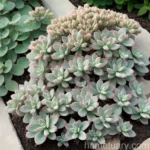
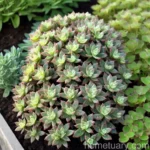
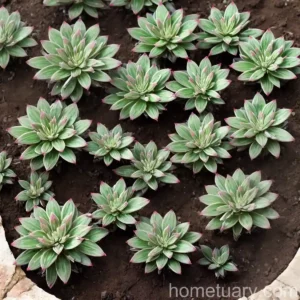
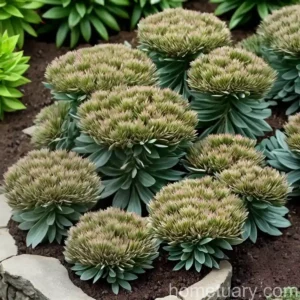
Sedum makinoi ‘Ogon’ is a species of sedum, a large genus of flowering plants in the Crassulaceae family. It is native to Japan and is known for its compact growth habit and eye-catching foliage. The plant features small, rounded, succulent leaves that emerge as a bright golden-yellow color in the spring and gradually transition to a greenish-yellow hue as the season progresses. The foliage forms a dense mat, making it an excellent ground cover plant.
Key Takeaways – Sedum makinoi ‘Ogon’ (Golden Japanese Stonecrop)
Before we delve deeper into the specifics of cultivating and caring for Sedum makinoi ‘Ogon’, let’s look at the key takeaways that we will explore in this guide.
- Cultivation and Propagation: Understanding the ideal conditions for growing and propagating Sedum makinoi ‘Ogon’.
- Maintenance and Pruning: Tips for maintaining and pruning the plant to promote healthy growth.
- Landscape Uses: Exploring the versatile uses of Sedum makinoi ‘Ogon’ in landscape design and gardening.
- Water and Sunlight Requirements: Understanding the plant’s water and sunlight preferences for optimal growth.
- Soil, Fertilizer, and Container Gardening: Exploring the soil preferences, fertilization needs, and container gardening options for Sedum makinoi ‘Ogon’.
- Common Diseases and Pests: Identifying potential diseases and pests that may affect the plant and methods for prevention and control.
- Botanist’s Tips and Fun Facts: Interesting insights and practical tips for cultivating and appreciating Sedum makinoi ‘Ogon’.
Now, let’s explore each of these aspects in detail.
Culture
Sedum makinoi ‘Ogon’ is revered for its ease of cultivation and low maintenance requirements, making it a favorite among gardeners of all skill levels. When it comes to culture, it is essential to understand the plant’s preferred growing conditions and the methods for propagation.
Uses
This sedum species is versatile and can be used in various ways to enhance gardens, landscapes, and outdoor spaces.
- Ground cover: Sedum makinoi ‘Ogon’ serves as a beautiful ground cover, forming a lush mat of golden foliage. It is especially effective in rock gardens, border plantings, and cascading over retaining walls.
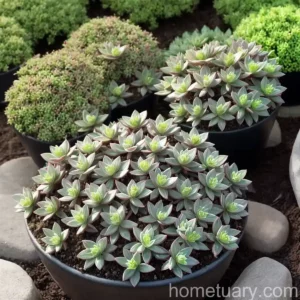
- Container gardening: The plant’s compact growth habit and vibrant foliage make it an excellent choice for containers and hanging baskets, adding a pop of color to patio areas and balconies.
- Landscape design: Its low-growing and spreading nature makes it an ideal choice for landscape designers who seek to incorporate hardy, low-maintenance plants with aesthetic appeal.
Water
Sedum makinoi ‘Ogon’ exhibits good drought tolerance and is well-suited to dry, arid conditions. When establishing the plant, it is essential to provide regular watering to help the roots establish themselves. However, once established, the plant can thrive with minimal supplemental watering, as it is adapted to endure periods of drought.
Sedum makinoi ‘Ogon’ Water Requirements:
– When planting or transplanting the sedum, it is crucial to provide regular watering until the plant shows signs of new growth and establishment.
– Once established, reduce watering frequency and allow the soil to dry out partially between watering sessions.
– Watering frequency may vary based on climate and soil conditions. In hot, dry climates, more frequent watering may be necessary to prevent the plant from becoming parched.
Sunlight
Like many succulent plants, Sedum makinoi ‘Ogon’ thrives in full sunlight and requires ample light to maintain its vibrant foliage color. When planted in shadier locations, the foliage may lose some of its intense golden hue and appear more greenish-yellow. Therefore, it is best to provide the plant with at least 6 to 8 hours of direct sunlight daily for optimal growth and coloration.
Sedum makinoi ‘Ogon’ Sunlight Needs:
– Position the plant in a location that receives full sun or partial shade, ensuring it receives adequate sunlight for most of the day.
– In climates with intense heat, provide some protection from harsh afternoon sun to prevent leaf scorch.
Fertilizer
Sedum makinoi ‘Ogon’ does not have high fertilizer requirements and can thrive in nutrient-poor soils. However, applying a balanced, slow-release fertilizer in spring can promote healthy growth and enhance the plant’s appearance. Choose a fertilizer specifically formulated for succulent plants or use a general-purpose balanced fertilizer diluted to half-strength.
Sedum makinoi ‘Ogon’ Fertilizer Recommendations:
– Apply a balanced, slow-release fertilizer in early spring as new growth begins.
– Dilute the fertilizer to half-strength to avoid the risk of over-fertilization, which can lead to excessive foliage growth at the expense of vibrant coloration.
Soil
When it comes to soil preferences, Sedum makinoi ‘Ogon’ thrives in well-draining, gritty soils that mimic its native rocky habitats. A sandy or loamy soil with good drainage is ideal for cultivating this sedum species. Additionally, amending the soil with organic matter such as compost can improve its structure and drainage, providing an optimal environment for the plant’s roots.
Sedum makinoi ‘Ogon’ Soil Preferences:
– Plant the sedum in well-draining, gritty soil that allows excess moisture to escape quickly.
– Amending the soil with organic matter, such as compost, can enhance both drainage and fertility, creating a conducive environment for the plant’s growth.
Pruning
Pruning is not typically necessary for Sedum makinoi ‘Ogon’, as its compact growth habit and low-spreading nature require minimal maintenance. However, removing any dead or faded foliage can help maintain the plant’s appearance and prevent disease or pest issues. If the sedum begins to encroach on neighboring plants or pathways, light pruning can help contain its growth and shape its appearance.
Sedum makinoi ‘Ogon’ Pruning Tips:
– Trim away any dead or discolored foliage to maintain the plant’s tidy appearance.
– To control the plant’s spread, selectively prune any overreaching stems to encourage a more compact growth habit.
Propagation
Sedum makinoi ‘Ogon’ can be easily propagated through stem cuttings, division, or leaf cuttings, making it a rewarding plant for expanding your garden or sharing with fellow gardening enthusiasts. Propagation is best carried out in the spring or early summer when the plant is actively growing, promoting successful establishment of new plants.
Sedum makinoi ‘Ogon’ Propagation Methods:
– Stem cuttings: Take 3- to 4-inch stem cuttings and plant them in a well-draining propagation medium to encourage root formation.
– Division: If the sedum forms dense clumps, division is a simple method for creating new plants. Carefully separate the plant into smaller sections, ensuring each division has healthy roots attached.
– Leaf cuttings: Gently remove individual leaves from the plant and place them on a propagation medium, where they can develop into new plants.
Container Popularity
Due to its compact growth habit and striking foliage, Sedum makinoi ‘Ogon’ is a popular choice for container gardening. Its ability to thrive in containers, hanging baskets, and decorative pots makes it a versatile option for adding splashes of color to outdoor living spaces and garden areas. When selecting a container for the sedum, prioritize those with adequate drainage holes to prevent waterlogging of the soil.
Sedum makinoi ‘Ogon’ Container Gardening Recommendations:
– Choose containers with drainage holes to facilitate proper water drainage and prevent root rot.
– Select containers of appropriate size, considering the sedum’s spreading nature and providing ample space for root development.
Common Diseases and Pests
While Sedum makinoi ‘Ogon’ is generally resilient and resistant to most diseases and pests, it may occasionally encounter certain issues that can affect its health and appearance. Being aware of these potential problems and adopting preventive measures can help maintain the plant’s vigor and vitality.
Disease Diagnosis
Sedum makinoi ‘Ogon’ is susceptible to fungal diseases, particularly in conditions of excessive moisture and poor air circulation. Common diseases that may affect the plant include powdery mildew, leaf spot, and stem rot. Regular inspection of the plant for signs of discoloration, wilting, or abnormal growth can help identify and diagnose potential diseases early.
Sedum makinoi ‘Ogon’ Disease Prevention:
– Provide adequate spacing between plants to encourage air circulation and reduce the risk of fungal diseases.
– Avoid overhead watering and water the plant at the base to prevent excessive moisture on the foliage.
Common Pests
Sedum makinoi ‘Ogon’ is relatively resistant to most garden pests, but it may occasionally fall victim to aphids, mealybugs, or scale insects. These pests typically feed on the plant’s sap, leading to wilting, yellowing of foliage, or the presence of sticky honeydew on the leaves. Employing natural predator insects or horticultural oils can help control these pests without resorting to chemical treatments.
Sedum makinoi ‘Ogon’ Pest Control Measures:
– Introduce beneficial insects, such as ladybugs or lacewings, to prey on aphids and other small pests.
– Apply horticultural oil or insecticidal soap to effectively control pest infestations without harming the plant or beneficial insects.
Botanist’s Tips and Fun Facts
As botanists and plant enthusiasts, there are certain tips and intriguing facts about Sedum makinoi ‘Ogon’ that are worth highlighting. These insights can aid in cultivating the plant more effectively and developing a deeper appreciation for its unique characteristics.
Botanist’s Tips
- To maintain the plant’s vibrant golden coloration, ensure it receives adequate sunlight, as intense light exposure enhances the production of pigments responsible for the golden hue.
- When planting Sedum makinoi ‘Ogon’ in the landscape, consider incorporating it as a border plant or along pathways to showcase its distinctive foliage and low-growing habit.
Fun Facts
- The specific epithet “makinoi” is a tribute to the Japanese botanist Tomitaro Makino, who made significant contributions to the study of Japanese flora.
- Sedum makinoi ‘Ogon’ is a charming addition to rock gardens and alpine plantings, complementing the natural stones and boulders with its contrasting golden foliage.
Now that we have explored the various aspects of cultivating and appreciating Sedum makinoi ‘Ogon’, it is evident that this succulent species holds great appeal for gardeners and landscape designers alike. Its striking foliage, low-maintenance nature, and adaptability to diverse growing conditions make it a valuable addition to any garden or outdoor setting.
Links to External Resources
For further information on Sedum makinoi ‘Ogon’ and related topics, explore the following resources:
- Sedum: An Overview of Popular Varieties
- How to Propagate Sedum Plants
- Landscape Uses of Robust Sedum Species
In conclusion, the allure of Sedum makinoi ‘Ogon’ lies in its remarkable adaptability, ornamental beauty, and functional versatility in various gardening and landscaping applications. Whether used as a ground cover, container plant, or accent in rock gardens, this sedum species exemplifies the captivating appeal of low-maintenance, high-impact plants in outdoor spaces.
By incorporating the insights provided in this guide into your gardening endeavors, you can cultivate and enjoy the attributes of Sedum makinoi ‘Ogon’ while creating visually engaging and sustainable landscapes.
Keywords: Sedum makinoi ‘Ogon’ care, Sedum makinoi ‘Ogon’ propagation, Sedum makinoi ‘Ogon’ varieties, Sedum makinoi ‘Ogon’ characteristics, Sedum makinoi ‘Ogon’ planting tips, Sedum makinoi ‘Ogon’ cultivation, Sedum makinoi ‘Ogon’ pruning, Sedum makinoi ‘Ogon’ maintenance, Sedum makinoi ‘Ogon’ landscape uses, Sedum makinoi ‘Ogon’ gardening, Sedum makinoi ‘Ogon’ water requirements, Sedum makinoi ‘Ogon’ sunlight needs, Sedum makinoi ‘Ogon’ soil preferences, Sedum makinoi ‘Ogon’ drought tolerance, Sedum makinoi ‘Ogon’ pest control, Sedum makinoi ‘Ogon’ disease prevention, Sedum makinoi ‘Ogon’ container gardening, Sedum makinoi ‘Ogon’ ground cover, Sedum makinoi ‘Ogon’ rock gardens, Sedum makinoi ‘Ogon’ border plants, Sedum makinoi ‘Ogon’ companion plants, Sedum makinoi ‘Ogon’ pollinator attraction, Sedum makinoi ‘Ogon’ flowering period, Sedum makinoi ‘Ogon’ winter hardiness, Sedum makinoi ‘Ogon’ seasonal changes, Sedum makinoi ‘Ogon’ growth habits, Sedum makinoi ‘Ogon’ foliage colors, Sedum makinoi ‘Ogon’ plant size, Sedum makinoi ‘Ogon’ ground-hugging sedum, Sedum makinoi ‘Ogon’ drought-resistant plants, Sedum makinoi ‘Ogon’ low-maintenance plants, Sedum makinoi ‘Ogon’ border edging plants, Sedum makinoi ‘Ogon’ rockery plants, Sedum makinoi ‘Ogon’ sun-loving sedums, Sedum makinoi ‘Ogon’ groundcover alternatives, Sedum makinoi ‘Ogon’ ornamental plants, Sedum makinoi ‘Ogon’ perennial succulents, Sedum makinoi ‘Ogon’ xeriscape plants, Sedum makinoi ‘Ogon’ landscape design, Sedum makinoi ‘Ogon’ focal point plants, Sedum makinoi ‘Ogon’ container gardening ideas, Sedum makinoi ‘Ogon’ unique leaf colors, Sedum makinoi ‘Ogon’ cascading foliage, Sedum makinoi ‘Ogon’ ground-hugging perennials, Sedum makinoi ‘Ogon’ garden designing, Sedum makinoi ‘Ogon’ attractive ground cover, Sedum makinoi ‘Ogon’ enhancing outdoor spaces, Sedum makinoi ‘Ogon’ water-wise plants, Sedum makinoi ‘Ogon’ foliage texture, Sedum makinoi ‘Ogon’ rock garden plants