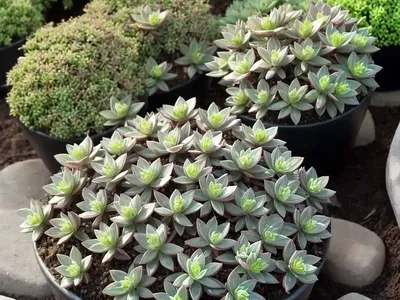
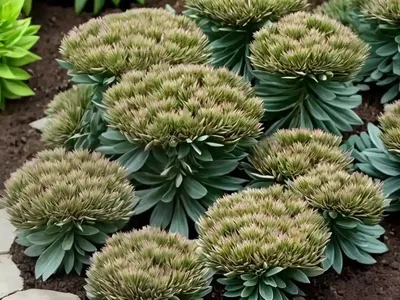
Sedum Cauticola (Hylotelephium Cauticola)
Plants have an incredible ability to thrive in various environments, providing beauty, oxygen, and even food for living beings. Among the diverse plant.
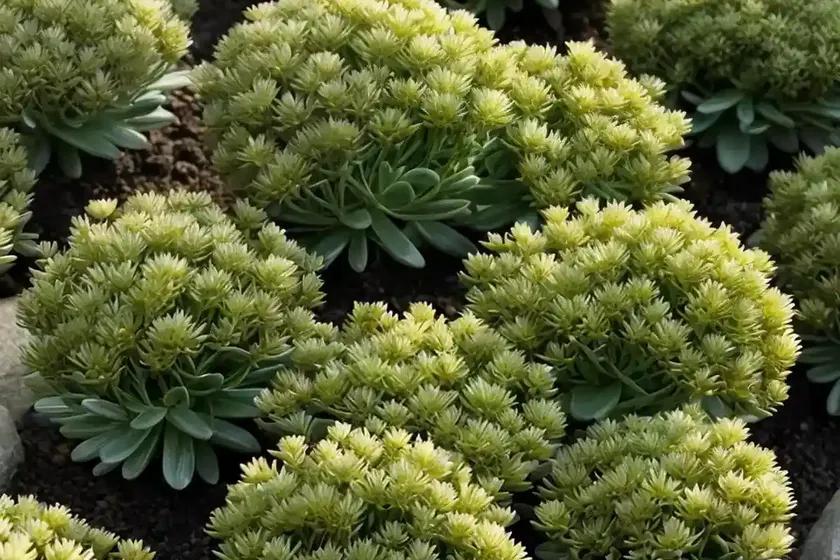
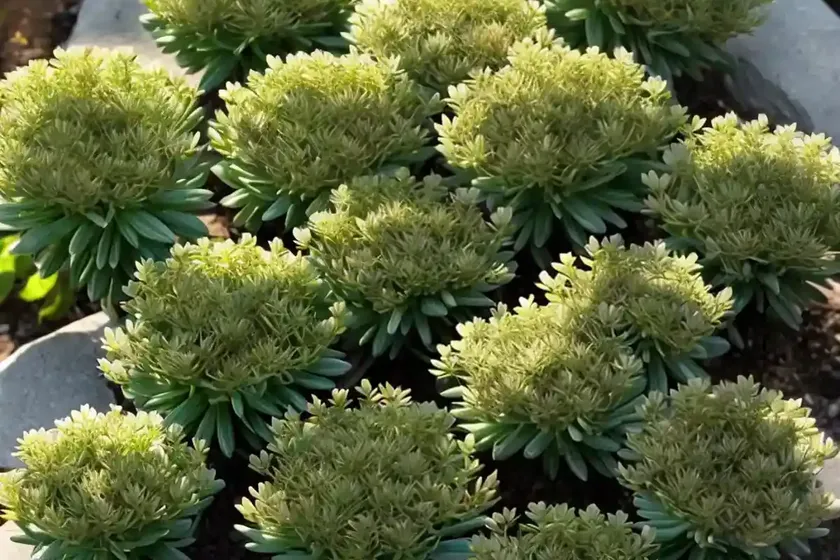
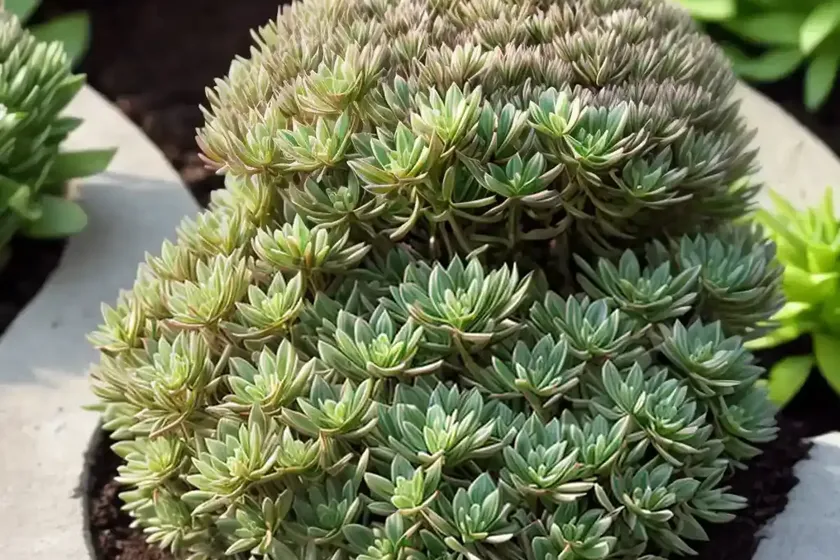
Plants have an incredible ability to thrive in various environments, providing beauty, oxygen, and even food for living beings. Among the diverse plant species, Sedum cauticola, now classified under the genus Hylotelephium, is a fantastic example of a succulent plant with numerous ornamental and ecological benefits. In this comprehensive guide, we will explore the various aspects of Hylotelephium cauticola, including its culture, uses, care, and maintenance, as well as some interesting facts about this versatile plant.
What is Sedum Cauticola (Hylotelephium cauticola)?
Sedum cauticola, now known as Hylotelephium cauticola, is a species of flowering plant in the family Crassulaceae. It is native to Japan and is commonly known as the “Coastal Stonecrop.” This attractive perennial plant is renowned for its low-growing, mat-forming habit, vibrant foliage, and delightful pink flowers. It is an excellent choice for ground cover, rock gardens, and container cultivation, adding a touch of elegance to any garden or landscape.
Key Takeaways – Sedum Cauticola (Hylotelephium cauticola)
Here are the key points we will cover in detail throughout this guide:
- Culture: Understanding the preferred growing conditions and habitat of Hylotelephium cauticola.
- Uses: Exploring the diverse uses of this plant in landscaping and gardening.
- Water: Guidelines for watering the plant and maintaining optimal moisture levels.
- Sunlight: Determining the ideal sunlight requirements for Hylotelephium cauticola.
- Fertilizer: How to fertilize and nourish this succulent for healthy growth.
- Soil: Understanding the soil requirements and best practices for planting.
- Pruning: Tips for maintaining the plant’s shape and promoting vigorous growth.
- Propagation: Methods for propagating Hylotelephium cauticola to expand your collection.
- Container Popularity: Exploring its suitability for container gardening.
- Common Diseases: Identifying and addressing common diseases that affect this plant.
- Common Pests: Recognizing and effectively managing pests that may infest Hylotelephium cauticola.
- Botanist’s Tips: Insights and tips from botanists and expert gardeners.
- Fun Facts: Discovering interesting and lesser-known facts about this unique plant.
Let’s delve into the world of Hylotelephium cauticola and unlock the secrets of cultivating, enjoying, and appreciating this remarkable plant.
Culture of Sedum Cauticola (Hylotelephium cauticola)
Understanding the cultural requirements of Hylotelephium cauticola is essential for successful cultivation and maintenance. This includes considerations such as water, sunlight, fertilizer, soil, and pruning, all of which play critical roles in the plant’s overall health and appearance.
Water
One of the most intriguing characteristics of Hylotelephium cauticola is its remarkable drought tolerance. This plant is adapted to survive in harsh, dry conditions, making it an excellent choice for xeriscaping and low-water landscaping projects. When establishing Hylotelephium cauticola in a new location, it is crucial to provide adequate water during the initial phase to help the roots establish themselves. Once established, the plant requires minimal supplemental watering, as it can thrive in arid environments with little to no additional moisture. However, during prolonged periods of drought, some supplemental watering may be beneficial, particularly for potted specimens or those grown in containers. It is important to monitor the soil moisture levels and adjust the watering frequency according to the plant’s needs.
Sunlight
Sedum cauticola (Hylotelephium cauticola) thrives in full sun to partial shade, making it an ideal choice for sunny borders, rock gardens, and open landscapes. When grown in full sun, the plants typically exhibit compact growth habits and develop more intense foliage colors. However, they can also tolerate partial shade, particularly in regions with hot summers, where some protection from afternoon sun may be beneficial. Understanding the specific sunlight requirements of Hylotelephium cauticola is important for optimizing its growth and promoting the development of vibrant foliage and flowers.
Fertilizer
Generally, Sedum cauticola (Hylotelephium cauticola) does not have high fertilizer requirements and can thrive in relatively poor soil conditions. However, to promote robust growth and enhance the ornamental qualities of the plants, a light feeding of balanced, slow-release fertilizer in early spring can be beneficial. This should be followed by a second application in mid-summer to sustain the plants through their active growing season. It is essential to avoid over-fertilization, as this can lead to excessive vegetative growth at the expense of flowering and can make the plants more susceptible to lodging or flopping. Using a balanced fertilizer with a lower nitrogen content will help maintain a compact growth habit and support the overall health of the plants.
Soil
Sedum cauticola (Hylotelephium cauticola) prefers well-drained soil with a sandy or gravelly texture. It is adapted to thrive in poor, rocky, or infertile soils, making it an excellent choice for challenging growing conditions where other plants may struggle. When planting Hylotelephium cauticola, it is important to ensure that the soil is well-draining and does not hold excess moisture, as this can lead to root rot and other issues. Amending the soil with organic matter, such as compost or well-rotted manure, can improve its overall structure and provide some added nutrients, although this is generally not a strict requirement for the plant’s success.
Pruning Sedum Cauticola (Hylotelephium cauticola)
Pruning plays a crucial role in maintaining the shape, vigor, and aesthetic appeal of Hylotelephium cauticola. Proper pruning can encourage branching, reduce legginess, and help the plants maintain a neat, compact form. Despite its low-maintenance nature, Sedum cauticola may benefit from occasional grooming to remove dead or damaged foliage and promote new growth. Here are some essential pruning tips for Hylotelephium cauticola:
-
Spring Pruning: In early spring, remove any dead, damaged, or discolored foliage to allow for clean, healthy growth in the upcoming season. This can also help prevent the spread of diseases and pests and improve the overall appearance of the plants.
-
Deadheading: As the flowering period comes to an end, deadheading the spent flowers can encourage the production of new blooms and prevent the plants from investing energy into seed production. This can help prolong the flowering period and ensure a continuous display of colorful flowers.
-
Division: Hylotelephium cauticola responds well to division, and this can be done every few years to rejuvenate overcrowded clumps or expand the plantings. Division is typically carried out in early spring or fall, and the divided segments can be replanted in suitable locations or shared with other gardeners.
Propagation of Sedum Cauticola (Hylotelephium cauticola)
Sedum cauticola (Hylotelephium cauticola) can be propagated through various methods, including division, stem cuttings, and leaf cuttings. These propagation techniques allow gardeners to expand their Hylotelephium cauticola collection or share the plant with others. Here are some common methods for propagating Hylotelephium cauticola:
-
Division: As mentioned in the pruning section, division is an effective method for propagating Hylotelephium cauticola. It involves carefully separating the plant into several segments, ensuring that each division has roots attached. The divided segments can then be replanted in suitable locations and watered in thoroughly.
-
Stem Cuttings: Stem cuttings can be taken from healthy, non-flowering stems of Sedum cauticola and propagated to produce new plants. The cuttings should be allowed to callus for a few days before being planted in a well-draining potting mix. With proper moisture and warmth, the cuttings will develop roots and establish themselves as new plants.
-
Leaf Cuttings: Leaf cuttings can also be used to propagate Hylotelephium cauticola. Select healthy leaves and remove them from the plant, allowing the cut ends to dry and callus. The leaf cuttings can then be placed on top of a suitable potting mix and lightly covered. With the right conditions, new plantlets will emerge from the leaf cuttings and develop into mature plants over time.
Uses of Sedum Cauticola (Hylotelephium cauticola)
Sedum cauticola (Hylotelephium cauticola) offers a wide range of uses in landscaping, gardening, and horticulture. Its versatility and adaptability make it an invaluable addition to various design concepts and gardening applications. Some of the common uses of Hylotelephium cauticola include:
-
Ground Cover: The low-growing, spreading habit of Hylotelephium cauticola makes it an excellent choice for ground cover in sunny, well-drained areas. It can help suppress weeds, add visual interest, and create a lush carpet of foliage and flowers.
-
Rock Gardens: Sedum cauticola is a perfect candidate for rock gardens, where its compact growth habit and colorful foliage can complement the natural surroundings and thrive in the rocky, challenging conditions often found in these landscapes.
-
Container Gardening: Due to its adaptability and low-maintenance nature, Hylotelephium cauticola can be grown in containers, adding a touch of elegance and charm to patios, balconies, and other outdoor spaces. Its shallow root system makes it well-suited for container cultivation, and it can be combined with other succulents and flowering plants for stunning displays.
-
Border Plantings: Sedum cauticola can be used as an attractive border plant, creating visual delineations in gardens and landscapes. Its colorful foliage and flowers can provide year-round interest and serve as a backdrop for other perennials and annuals.
-
Pollinator Gardens: The flowers of Hylotelephium cauticola are highly attractive to pollinators, including bees and butterflies. Incorporating this plant into pollinator-friendly gardens can support local biodiversity and contribute to the health of the ecosystem.
-
Xeriscaping: With its exceptional drought tolerance and minimal water requirements, Sedum cauticola is a valuable component of xeriscape designs, where water-efficient plants are utilized to create sustainable, environmentally friendly landscapes.
The diverse uses of Hylotelephium cauticola make it a prized addition to any garden or landscape, offering both aesthetic and ecological benefits.
Common Diseases of Sedum Cauticola (Hylotelephium cauticola)
While Hylotelephium cauticola is generally resistant to most pests and diseases, it may occasionally encounter certain issues that can affect its health and appearance. Understanding the common diseases that can affect this plant is essential for early diagnosis and effective management. Some of the notable diseases of Hylotelephium cauticola include:
-
Root Rot: Excessive soil moisture or poor drainage can lead to root rot in Sedum cauticola. This can cause the plant to wilt, develop yellowing foliage, and exhibit overall decline. Improving the drainage and reducing watering frequency can help prevent this issue.
-
Powdery Mildew: In humid or shaded conditions, Hylotelephium cauticola may be susceptible to powdery mildew, a fungal disease that appears as a white, powdery coating on the leaves. Providing good air circulation and avoiding overhead watering can help prevent powdery mildew.
-
Crown Rot: Crown rot can occur in Sedum cauticola when the base of the stem becomes infected, leading to wilting and dieback. Proper planting depth and well-draining soil are critical for preventing crown rot in this plant.
-
Leaf Spot: Fungal leaf spot diseases may affect the foliage of Hylotelephium cauticola, causing dark spots or lesions on the leaves. Removing and disposing of infected plant parts and promoting good airflow can help manage leaf spot diseases.
By monitoring the health of Hylotelephium cauticola and practicing good cultural practices, it is possible to minimize the risk of diseases and ensure the well-being of the plants.
Common Pests Affecting Sedum Cauticola (Hylotelephium cauticola)
Hylotelephium cauticola is generally resistant to many common garden pests due to its succulent nature and resilience. However, there are a few pests that may occasionally pose a threat to the health and vigor of this plant. Being able to identify and address these pests is crucial for maintaining the overall well-being of Hylotelephium cauticola. Some of the common pests to watch out for include:
-
Aphids: These small, soft-bodied insects may colonize the tender new growth of Sedum cauticola, feeding on sap and causing distortion of the foliage. They can be washed off with a strong stream of water or managed with insecticidal soaps if populations become excessive.
-
Scale Insects: Scale insects can attach themselves to the stems and foliage of Hylotelephium cauticola, feeding on plant juices and excreting sticky honeydew. These pests can be managed through physical removal or horticultural oils.
-
Spider Mites: In hot, dry conditions, spider mites may infest Sedum cauticola, causing stippling and discoloration of the leaves. These pests can be mitigated through regular watering and the use of insecticidal soaps or oils.
-
Snails and Slugs: These mollusks can feed on the foliage of Hylotelephium cauticola, leaving behind irregular holes and damage. Manual removal and the use of barriers or traps can help control snails and slugs.
By monitoring the plants regularly and intervening promptly when pests are detected, it is possible to prevent significant damage and preserve the health and beauty of Hylotelephium cauticola.
Botanist’s Tips for Growing Sedum Cauticola (Hylotelephium cauticola)
Drawing insights from experienced botanists and plant enthusiasts can provide valuable guidance for cultivating healthy and vibrant Hylotelephium cauticola. Here are some expert tips for growing and enjoying this exceptional plant:
-
Well-Drained Soil: Ensuring that the soil is well-drained is crucial for the success of Sedum cauticola. This plant thrives in lean, rocky soils that allow excess moisture to drain away quickly.
-
Minimal Fertilization: Hylotelephium cauticola does not require heavy feeding and can thrive in relatively poor soils. Using a light application of balanced fertilizer in spring and summer is typically sufficient to support healthy growth.
-
Good Air Circulation: Providing adequate air circulation around Hylotelephium cauticola can help prevent diseases such as powdery mildew and maintain the overall health of the plants.
-
Drought Tolerance: Take advantage of the remarkable drought tolerance of Sedum cauticola by incorporating it into water-wise landscapes and gardens. Once established, minimal supplemental watering is needed.
-
Propagation Opportunities: Hylotelephium cauticola is easy to propagate through division, stem cuttings, and leaf cuttings. This offers the opportunity to expand your collection and share the plant with others.
-
Seasonal Interest: Appreciate the year-round interest provided by Sedum cauticola, from the vibrant foliage in spring and summer to the colorful flower clusters in late summer and early fall. Its winter hardiness adds to its appeal.
Fun Facts about Sedum Cauticola (Hylotelephium cauticola)
Uncovering interesting and lesser-known facts about Hylotelephium cauticola adds to the enjoyment and appreciation of this plant. Here are some fun facts about Sedum cauticola:
-
Colorful Foliage: The foliage of Hylotelephium cauticola can exhibit various hues, ranging from blue-green to purple-red, especially in response to changes in sunlight and temperature.
-
Medicinal Uses: Some species of sedum, including those in the Hylotelephium genus, have been used in traditional medicine to treat various ailments, including wounds and skin conditions.
-
Attracts Beneficial Insects: The flowers of Sedum cauticola are highly attractive to bees, butterflies, and other pollinators, contributing to the ecological value of the plant.
-
Winter Interest: Even in the dormant season, the evergreen foliage of Hylotelephium cauticola can provide visual interest and texture in the landscape, especially when dusted with frost or snow.
The unique characteristics and attributes of Hylotelephium cauticola make it a fascinating and rewarding plant to grow and observe.
Links to External Resources
For additional information and resources on Hylotelephium cauticola and related topics, consider exploring the following reputable sources:
- Royal Horticultural Society – Hylotelephium cauticola
- Missouri Botanical Garden – Sedum cauticola
- University of California, Agriculture and Natural Resources – Succulent Plants
Conclusion
Sedum cauticola (Hylotelephium cauticola) stands as a testament to the resilience, beauty, and adaptability of plant life. Its low-maintenance nature, attractive appearance, and ecological contributions make it a valuable addition to gardens, landscapes, and natural environments. By understanding and implementing the best cultural practices, uses, and maintenance techniques, we can fully appreciate and enjoy the many benefits of Hylotelephium cauticola in our surroundings. Whether as a ground cover, container specimen, or pollinator attractant, this exceptional plant continues to captivate and enrich our botanical experiences.
In this guide, we have explored the various aspects of Sedum cauticola (Hylotelephium cauticola), from its cultural requirements to its unique uses and intriguing attributes. By incorporating the principles and insights shared here, you can embark on a rewarding journey of cultivating, admiring, and celebrating the beauty of *Hylotelephium