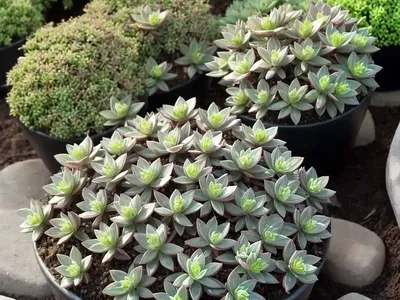
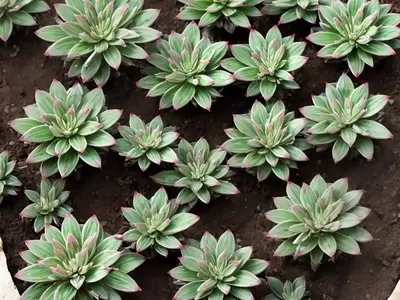
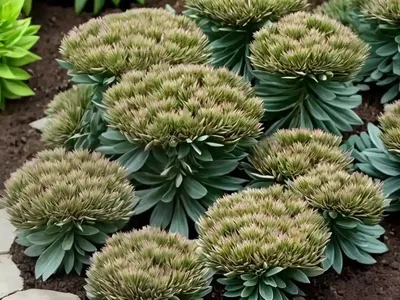
Sedeveria Lilac Mist’ (Sedeveria ‘lilac Mist’)
Sedeveria ‘Lilac Mist’ is a stunning succulent plant known for its captivating lilac-colored leaves and low-maintenance nature. In this comprehensive.
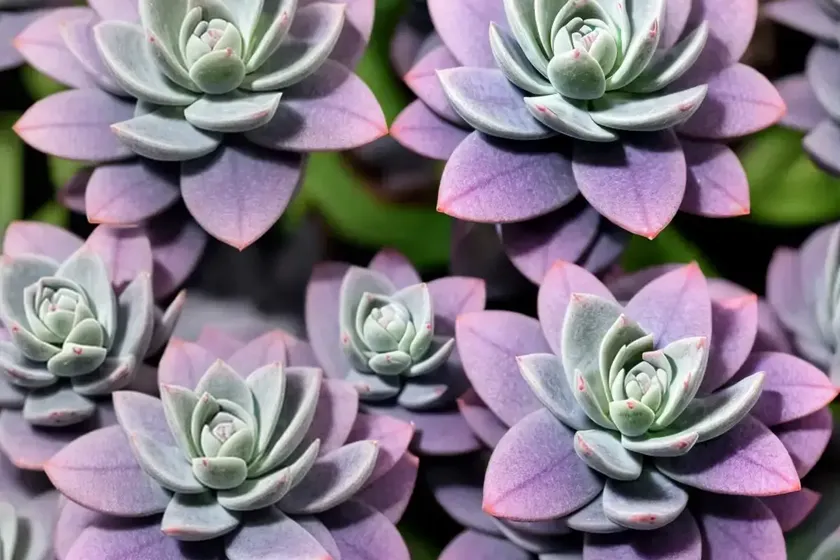
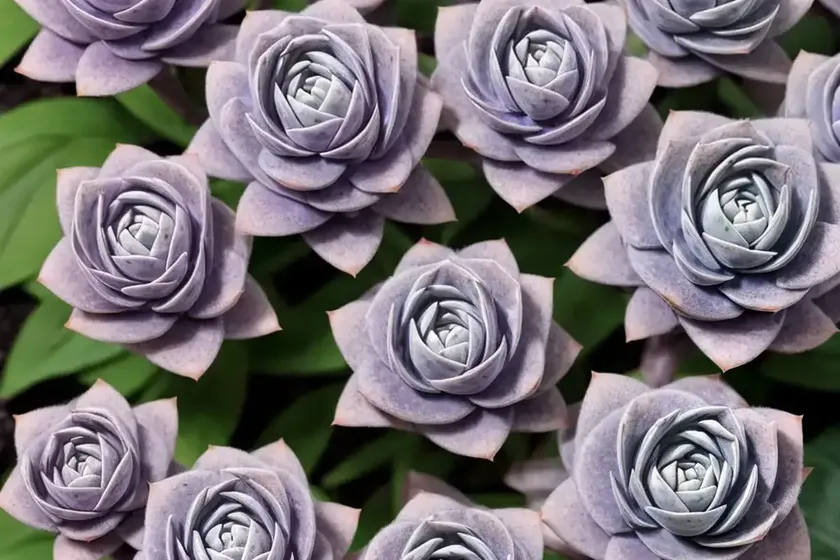
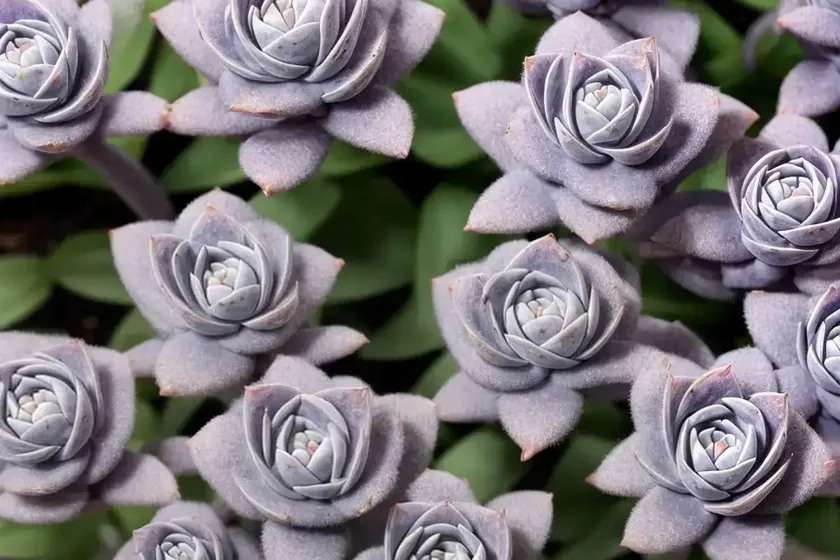
Sedeveria ‘Lilac Mist’ is a stunning succulent plant known for its captivating lilac-colored leaves and low-maintenance nature. In this comprehensive guide, we will delve into all aspects of Sedeveria ‘Lilac Mist,’ from its origins and characteristics to its care requirements, uses, and cultivation tips. Whether you are a novice gardener or an experienced plant enthusiast, this guide aims to provide valuable insights and tips for successfully growing and caring for this beautiful succulent.
What is Sedeveria ‘Lilac Mist’?
Sedeveria ‘Lilac Mist’ is a hybrid succulent plant resulting from the cross-pollination of two different genera, Sedum and Echeveria. This hybridization has led to the creation of a visually striking succulent with a unique blend of features inherited from its parent plants. The ‘Lilac Mist’ variety is particularly renowned for its distinct lilac-hued leaves, adding a touch of elegance to any indoor or outdoor setting.
Key Takeaways – Sedeveria Lilac Mist (Sedeveria ‘Lilac Mist’)
Before we delve into the specifics of caring for Sedeveria ‘Lilac Mist,’ let’s highlight some key takeaways about this plant:
-
Succulent plants Sedeveria ‘Lilac Mist’: Sedeveria ‘Lilac Mist’ belongs to the category of succulent plants, characterized by fleshy, water-retentive leaves and stems, which enable them to thrive in arid conditions.
-
Cultural Uses: This succulent is often utilized for its ornamental value, making it a popular choice for various landscaping projects, container gardening, and indoor decor.
-
Water Requirements: Sedeveria ‘Lilac Mist’ exhibits water-retentive characteristics, requiring minimal watering and excellent drainage to prevent root rot.
-
Sunlight Needs: As a sun-loving plant, Sedeveria ‘Lilac Mist’ thrives in bright, indirect sunlight or partial shade, making it an ideal addition to sunny windowsills or outdoor garden spaces.
-
Soil Preferences: Well-draining, sandy soil is essential for the healthy growth of Sedeveria ‘Lilac Mist,’ allowing excess moisture to escape and preventing root suffocation.
-
Propagation Tips: This succulent can be easily propagated through leaf or stem cuttings, making it a rewarding plant for propagating and sharing with fellow gardening enthusiasts.
Now that we’ve touched upon the key aspects of Sedeveria ‘Lilac Mist,’ let’s explore each of these components in detail to gain a comprehensive understanding of this enchanting succulent.
Characteristics of Sedeveria ‘Lilac Mist’
Sedeveria ‘Lilac Mist’ exhibits a range of distinctive features that contribute to its allure and desirability among plant enthusiasts. Understanding its specific characteristics can aid in providing tailored care and cultivation practices to ensure the plant’s optimal growth and development.
Foliage and Coloration
The most striking feature of Sedeveria ‘Lilac Mist’ is its striking lilac-colored leaves, which distinguish it from other succulent varieties. The foliage is fleshy and compact, with rosettes forming a visually appealing pattern that adds a touch of elegance to any garden or indoor setting.
Growth Habits
Sedeveria ‘Lilac Mist’ typically grows in a rosette form, with individual leaves arranged in concentric circles, creating a visually captivating arrangement. As the plant matures, it may produce offsets or “pups,” allowing for natural propagation and the expansion of its ornamental appeal.
Flowering Habits
During the growing season, Sedeveria ‘Lilac Mist’ may produce delicate clusters of flowers atop tall, slender stems. The flowers can range in color from pale pink to red, complementing the plant’s lilac-colored foliage and adding an additional dimension to its visual appeal.
Now that we have explored the captivating characteristics of Sedeveria ‘Lilac Mist,’ let’s proceed to the essential care requirements and guidelines for nurturing this delightful succulent.
Sedeveria ‘Lilac Mist’ Care Guide
Caring for Sedeveria ‘Lilac Mist’ involves a combination of attentive practices and understanding the plant’s specific needs to ensure its health and vitality. From watering and sunlight exposure to soil preferences and propagation techniques, let’s delve into each aspect of caring for this captivating succulent in detail.
Water
Proper watering is crucial for the health and longevity of Sedeveria ‘Lilac Mist.’ As a succulent plant, it is adapted to arid conditions and has evolved to store water in its leaves and stems. Overwatering can be detrimental to the plant, leading to root rot and other moisture-related issues. Therefore, it is essential to follow these watering guidelines to ensure the optimal health of Sedeveria ‘Lilac Mist’:
-
Watering Frequency: Allow the soil to dry out completely between watering sessions. This usually translates to watering the plant every 10-14 days, depending on environmental conditions and the moisture retention properties of the soil.
-
Watering Technique: When watering, apply water directly to the soil around the base of the plant, avoiding wetting the foliage to prevent the risk of fungal diseases. Additionally, ensure thorough drainage to prevent water accumulation in the pot or planting area.
-
Seasonal Adjustments: During the winter months or periods of dormancy, reduce the frequency of watering to accommodate the plant’s decreased metabolic activity and growth rate.
By adhering to these watering guidelines, you can effectively safeguard Sedeveria ‘Lilac Mist’ from the perils of overwatering and provide it with the appropriate moisture levels for sustained health and vigor.
Sunlight
Sedeveria ‘Lilac Mist’ thrives in bright, indirect sunlight or partial shade, making it well-suited for both indoor and outdoor settings. Adequate exposure to sunlight is essential for the plant’s overall growth, coloration, and flowering potential. Here are some key points to consider regarding sunlight requirements for Sedeveria ‘Lilac Mist’:
-
Indoor Placement: When grown indoors, ensure that the plant is positioned near a sunny window or in a location that receives ample natural light throughout the day. South or west-facing windows typically provide the ideal light conditions for indoor succulents.
-
Outdoor Cultivation: For outdoor cultivation, choose a location that offers a balance of sunlight and shade. A spot with morning sun and afternoon shade or filtered sunlight can contribute to the optimal growth and color development of Sedeveria ‘Lilac Mist.’
-
Light Intensity: While this succulent enjoys sunlight, protection from direct, intense sunlight during the hottest part of the day is advisable, especially in regions with scorching summers. Excessive exposure to intense sunlight can result in sunburn and leaf damage.
By incorporating these sunlight considerations into the cultivation of Sedeveria ‘Lilac Mist,’ you can facilitate its robust growth and maintain its signature lilac-colored foliage at its best.
Soil
The soil composition plays a crucial role in the growth, health, and overall well-being of Sedeveria ‘Lilac Mist.’ The right soil mix can provide the necessary structural support, drainage, and nutrient availability required for the plant to thrive. Consider the following soil preferences when cultivating this alluring succulent:
-
Well-Draining Soil: Select a well-draining soil mix specifically formulated for succulent plants or cacti. This type of soil promotes adequate aeration and prevents waterlogging, reducing the risk of root rot and other moisture-related issues.
-
Additional Amendments: While commercial succulent potting mixes are readily available, you can further enhance the soil’s drainage and structure by incorporating coarse sand, perlite, or pumice to augment its overall quality.
-
Soil pH and Composition: Aim for a slightly acidic to neutral pH range (6.0-7.0) when selecting or preparing soil for Sedeveria ‘Lilac Mist.’ Additionally, ensure that the soil is loose and crumbly to facilitate root development and water permeation.
By providing the appropriate soil environment for Sedeveria ‘Lilac Mist,’ you can support its root system and overall physiological functions, contributing to its resilience and vitality.
Fertilizer
While succulent plants exhibit lower nutrient requirements compared to many other plant types, periodic fertilization can contribute to their overall vigor and aesthetic appeal. When fertilizing Sedeveria ‘Lilac Mist,’ it is essential to employ a balanced and targeted approach to avoid excessive nutrient accumulation and potential adverse effects on the plant’s growth. Consider the following fertilizer guidelines for this succulent:
-
Fertilization Frequency: Apply a balanced, water-soluble fertilizer diluted to half-strength once every 2-3 months during the growing season. Refrain from feeding the plant during the winter months, as its metabolic activity decreases during this period.
-
Type of Fertilizer: Choose a fertilizer specifically formulated for succulent plants or cacti, with an NPK ratio balanced across the primary nutrients (nitrogen, phosphorus, and potassium). Alternatively, opt for a fertilizer blend designed for ornamental foliage plants.
-
Fertilizer Application: Apply the diluted fertilizer solution to the soil around the base of the plant, ensuring that it does not come into direct contact with the foliage to prevent potential leaf burns or adverse reactions.
By integrating mindful fertilization practices into the care regimen of Sedeveria ‘Lilac Mist,’ you can provide it with the necessary nutrients to support its growth, coloration, and overall vitality without subjecting it to excessive nutrient loads.
Pruning
Pruning is a valuable maintenance practice for succulent plants like Sedeveria ‘Lilac Mist,’ allowing you to address issues such as damaged or overgrown foliage, promote compact growth, and manage the plant’s overall appearance. When pruning this succulent, consider the following guidelines to ensure optimal results:
-
Removing Dead or Damaged Foliage: Regularly inspect the plant for any discolored, shriveled, or damaged leaves, and promptly remove them using clean, sharp scissors or pruning shears. This proactive approach helps prevent potential disease spread and enhances the plant’s aesthetic appeal.
-
Managing Overgrowth: If the plant begins to outgrow its designated space or becomes leggy, consider trimming back the excessive growth to maintain a balanced, compact form. Focus on selective pruning to preserve the plant’s natural symmetry and visual allure.
-
Harvesting Pups: When Sedeveria ‘Lilac Mist’ produces offsets or “pups,” they can be carefully removed and transplanted to new pots or growing areas, promoting natural propagation and the expansion of your succulent collection.
By incorporating appropriate pruning practices into the care routine of Sedeveria ‘Lilac Mist,’ you can refine its appearance, manage its growth, and encourage a tidy, vibrant presence in your indoor or outdoor garden spaces.
Propagation
Sedeveria ‘Lilac Mist’ readily lends itself to propagation through various methods, offering a rewarding opportunity to multiply your plant collection and share its charm with fellow gardening enthusiasts. Whether you opt for leaf cuttings, stem cuttings, or offsets, the following propagation tips can guide you through the process of expanding your succulent garden with ease:
-
Leaf Cuttings: Select a healthy, mature leaf from the plant, and allow the cut end to callus over for a few days. Subsequently, place the leaf on a well-draining propagation medium, positioning it at a slight angle to encourage root development. Keep the medium lightly moist and provide indirect sunlight to facilitate the emergence of new roots and shoots.
-
Stem Cuttings: When working with stem cuttings, ensure that the selected stem segment is healthy, with no signs of damage or disease. Allow the cut end to callus before planting it in a suitable propagation medium, following similar care techniques as with leaf cuttings.
-
Offsets: As Sedeveria ‘Lilac Mist’ produces offsets or “pups” around its base, you can gently separate these young plants from the parent and transplant them into individual pots or growing areas. Ensure that the offsets have established roots before transplanting them, and provide the same care as mature plants.
By employing these propagation techniques, you can successfully propagate Sedeveria ‘Lilac Mist’ and share its captivating allure with others, enriching your gardening endeavors and fostering a thriving succulent community.
Containing Sedeveria ‘Lilac Mist’
Container gardening offers a versatile and convenient approach to cultivating Sedeveria ‘Lilac Mist,’ allowing you to integrate this captivating succulent into various indoor and outdoor settings with ease. When selecting containers, consider the following recommendations to ensure the optimal growth and well-being of this enchanting plant:
-
Container Size: Choose a sufficiently sized container that provides ample room for the root system to develop and accommodates the plant’s growth habits. A container with drainage holes is essential to prevent water accumulation and facilitate proper drainage.
-
Container Material: Select containers made of breathable materials such as terracotta, ceramic, or hypertufa, as they promote air circulation and prevent excess moisture retention. These materials also provide stability and grounding for the succulent.
-
Potting Mix: Utilize a well-draining, succulent-specific potting mix or create a custom blend incorporating sand, perlite, or pumice to enhance drainage and aeration within the container.
-
Placement Considerations: When positioning the container, ensure that it receives adequate sunlight and airflow, whether placed indoors near a sunny window or in an outdoor area with suitable light conditions.
By adhering to these container recommendations, you can cultivate Sedeveria ‘Lilac Mist’ with confidence, harnessing the benefits of container gardening to showcase its elegance and allure in any desired setting.
Popularity of Sedeveria ‘Lilac Mist’
Sedeveria ‘Lilac Mist’ has garnered widespread popularity among succulent enthusiasts and gardeners due to its captivating lilac-colored leaves, low-maintenance nature, and versatile uses in various garden and decor applications. Whether utilized as a standalone specimen or incorporated into mixed plantings and landscape designs, this charming succulent consistently draws attention and admiration. Its popularity is further reinforced by its adaptability to container gardening, making it an ideal choice for small-scale cultivation and indoor decor arrangements.
Common Diseases and Pest Management
While Sedeveria ‘Lilac Mist’ is generally resilient to many pests and diseases, certain environmental conditions and neglectful practices can predispose the plant to specific issues. Recognizing common diseases and pests that may affect this succulent, as well as implementing preventative measures and responsive actions, can safeguard its health and longevity. Here are some common diseases and pests to be mindful of when caring for Sedeveria ‘Lilac Mist’:
Common Diseases
-
Root Rot: Overwatering or prolonged exposure to excessively moist conditions can lead to root rot in Sedeveria ‘Lilac Mist.’ To prevent this issue, ensure proper drainage, refrain from overwatering, and promptly address any signs of waterlogged soil or wilting foliage.
-
Fungal Infections: Wet, humid conditions may foster the development of fungal infections such as powdery mildew or botrytis. Maintain adequate airflow around the plant, avoid wetting the foliage during watering, and consider preventive fungicidal treatments if humidity levels are high.
Disease Diagnosis
Early detection and swift intervention are crucial when addressing potential diseases affecting Sedeveria ‘Lilac Mist.’ Vigilantly monitor the plant for symptoms such as wilting, discoloration, or unusual growth patterns, and promptly investigate and address any concerning signs.
Common Pests
-
Mealybugs: These small, cottony pests may infest the foliage and stems of succulent plants, including Sedeveria ‘Lilac Mist.’ Regularly inspect the plant for signs of mealybug activity, and if detected, employ natural or targeted treatments to manage their presence.
-
Aphids: Aphids may occasionally target succulent plants, feeding on their sap and potentially causing stress or damage. Conscientious monitoring and the targeted application of insecticidal solutions can mitigate aphid infestations effectively.
By staying attentive to signs of potential diseases and pests, implementing prudent cultural practices, and promptly addressing any issues that arise, you can preserve the health and vitality of Sedeveria ‘Lilac Mist,’ ensuring a thriving, beautiful specimen in your garden or living space.
Botanist’s Tips for Growing Sedeveria ‘Lilac Mist’
As a botanist, I offer the following tips for successfully growing and caring for Sedeveria ‘Lilac Mist’:
-
Mindful Watering: Practice a “soak and dry” approach to watering, allowing the soil to dry out between waterings to prevent moisture-related issues.
-
Appropriate Light Exposure: Position the plant in an area that receives bright, indirect sunlight to promote healthy growth and vibrant coloration.
-
Adequate Air Circulation: Ensure proper airflow around the plant to prevent the development of fungal diseases and maintain overall plant vigor.
-
Nutrient Moderation: Avoid over-fertilization, as succulents have modest nutrient requirements and may be sensitive to excessive fertilization.
-
Regular Inspections: Routinely inspect the plant for signs of pests, diseases, or any environmental stressors, enabling timely intervention and responsive care.
By adhering to these tips and remaining attentive to the specific needs and behavior of Sedeveria ‘Lilac Mist,’ you can facilitate its optimal growth and revel in its visually captivating presence within your garden or living environment.
Fun Facts About Sedeveria ‘Lilac Mist’
Admiring the beauty of Sedeveria ‘Lilac Mist’ is enriched by fascinating insights and facts about this alluring succulent. Let’s explore some intriguing aspects and anecdotes related to this plant:
-
Hybrid Heritage: Sedeveria ‘Lilac Mist’ is a hybrid succulent resulting from the cross-pollination of plants belonging to the Sedum and Echeveria genera, reflecting a captivating blend of traits inherited from its parentage.
-
Color Variations: The lilac coloration of the leaves can manifest with subtle variations, spanning from delicate pastel hues to richer, more saturated tones, contributing to the plant’s visual allure and individuality.
-
Versatile Uses: From serving as a centerpiece in succulent arrangements to being featured in hanging gardens and container displays, Sedeveria ‘Lilac Mist’ offers versatile applications in various garden and decor settings.
-
Seasonal Dynamics: The plant’s coloration and growth patterns may exhibit seasonal changes, with the potential for enhanced vibrancy during certain periods, complementing the shifting aesthetics of the plant throughout the year.
By embracing these fun facts and insights, you can deepen your appreciation for the unique appeal and charm of Sedeveria ‘Lilac Mist,’ fostering a more profound connection with this captivating succulent.
Links to External Resources
To further enrich your knowledge and understanding of Sedeveria ‘Lilac Mist’ and succulent care in general, I recommend exploring the following resources:
These resources offer valuable insights, tips, and practical guidance for cultivating and caring