Scarlet Star Guzmania Lingulata (Guzmania Lingulata )
Guzmania lingulata, commonly known as Scarlet Star, is a beautiful and vibrant flowering plant that belongs to the Bromeliaceae family. This stunning plant.
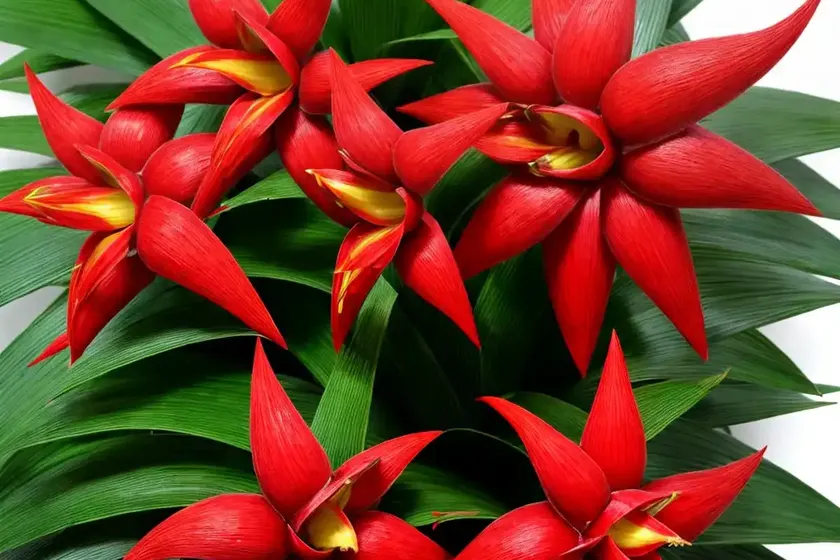
Guzmania lingulata, commonly known as Scarlet Star, is a beautiful and vibrant flowering plant that belongs to the Bromeliaceae family. This stunning plant is a popular choice for indoor decoration and can add a tropical touch to any space. In this comprehensive care guide, we will explore the key aspects of caring for Scarlet Star Guzmania lingulata, including its cultural requirements, uses, water and sunlight needs, fertilizer, soil, pruning, propagation, and common diseases and pests. Whether you are a seasoned plant enthusiast or a beginner looking to add this gorgeous plant to your collection, this guide will provide you with all the essential information to help your Scarlet Star thrive.
What is Scarlet Star Guzmania lingulata (Guzmania lingulata)?
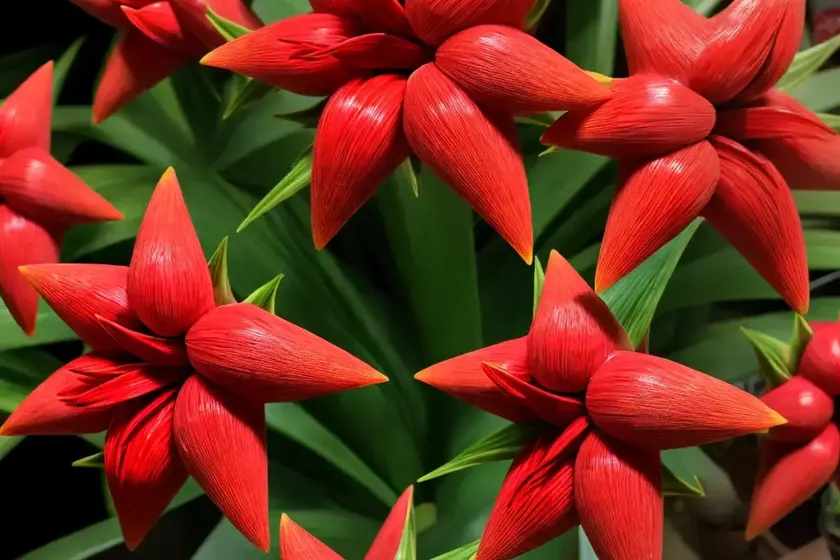
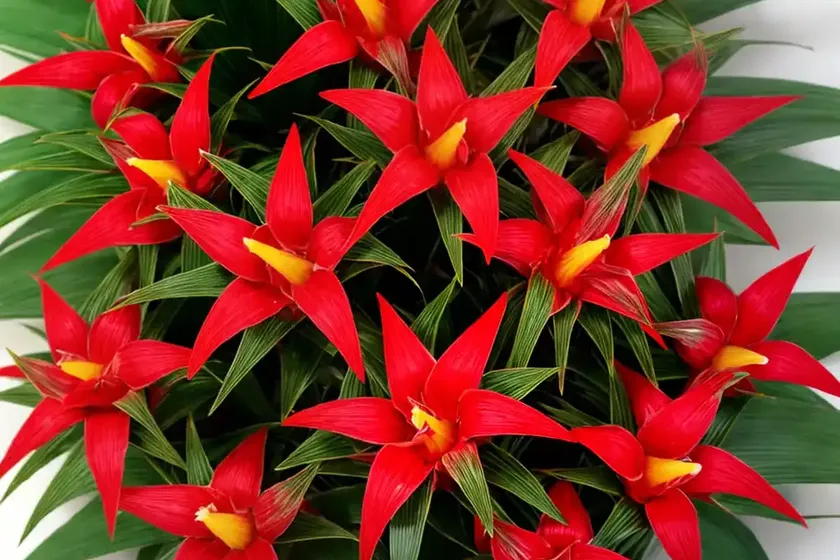
Scarlet Star Guzmania lingulata, or simply Guzmania lingulata, is a species of flowering plant native to the tropical regions of Central and South America. It is renowned for its vibrant, star-shaped flowers that emerge from a central rosette of leaves, creating an eye-catching display of color and beauty. The plant is known for its long-lasting blooms, making it a popular choice for brightening indoor spaces. With proper care and attention, Guzmania lingulata can be a rewarding addition to any plant lover’s collection.
Before delving into the specifics of caring for Scarlet Star Guzmania lingulata, let’s take a quick look at the key takeaways of this care guide. The topics we will cover in detail include:
- Culture
- Uses
- Water
- Sunlight
- Fertilizer
- Soil
- Pruning
- Propagation
- Container Popularity
- Container Common Diseases
- Disease Diagnosis
- Common Pests
- Botanist’s Tips
- Fun Facts
- Links to External Resources
Now, let’s explore each of these aspects in detail to ensure the successful care and cultivation of Scarlet Star Guzmania lingulata.
Understanding the cultural requirements of Scarlet Star Guzmania lingulata is essential for providing the optimal growing conditions for this tropical beauty. From temperature and humidity considerations to potting and grouping, here’s what you need to know to create a thriving environment for your Guzmania lingulata.
Temperature and Humidity
Guzmania lingulata thrives in warm and humid environments, mimicking its natural habitat in tropical regions. Ideally, the plant should be kept in an environment with temperatures ranging between 65°F and 80°F (18°C–27°C). It is crucial to avoid exposing the plant to temperatures below 50°F (10°C) as this can lead to damage and stress.
In terms of humidity, Scarlet Star Guzmania lingulata prefers high levels of humidity. Therefore, it is beneficial to create a humid microclimate around the plant. This can be achieved by regularly misting the leaves or using a humidity tray or humidifier in the vicinity of the plant.
Potting and Grouping
When it comes to potting, Guzmania lingulata is often grown in containers with well-draining, airy potting mixes. A mixture of peat, pine bark, and perlite can provide the ideal growing medium for this plant. Additionally, grouping Guzmania lingulata with other plants can help create a microclimate with increased humidity, benefiting the overall health of the plant.
Scarlet Star Guzmania lingulata is primarily used as an ornamental plant, valued for its striking foliage and vibrant blooms. It can be incorporated into various settings and serves several purposes, including:
- Indoor Decoration: The colorful and long-lasting flowers of Guzmania lingulata make it a popular choice for indoor decoration, adding a tropical flair to homes, offices, and public spaces.
- Landscaping: In suitable climates, Guzmania lingulata can be used outdoors in landscaping to create tropical-themed gardens, especially in areas with mild, humid conditions.
- Air Purification: Like many other houseplants, Guzmania lingulata contributes to indoor air purification by removing toxins and impurities from the air, thus enhancing air quality.
The diverse uses of Guzmania lingulata make it a versatile and sought-after plant for both indoor and outdoor settings.
Proper watering is crucial for the health and well-being of Scarlet Star Guzmania lingulata. Understanding the plant’s water requirements and following appropriate watering practices are essential for preventing issues such as root rot or dehydration.
Watering Frequency
Guzmania lingulata has specific water needs, and overwatering or underwatering can adversely affect its health. When watering this plant, it is essential to focus on the central rosette of leaves, ensuring that water accumulates in this area. This mimics the natural way water collects in the plant’s central cup in its native habitat.
During the growing season, which typically spans from spring to early fall, watering should be carried out when the central rosette begins to dry out. It’s important to ensure that the water does not become stagnant, as this can lead to rot and other issues. In the winter months, when the plant’s growth slows, reduce the frequency of watering while still ensuring that the central cup does not completely dry out.
Water Quality
The quality of water used for Guzmania lingulata is essential. The plant is sensitive to chemicals and salts found in tap water, which can negatively impact its health. To mitigate this, it is recommended to use distilled or rainwater for watering. Alternatively, allowing tap water to sit for 24 hours can help dissipate some of the harmful chemicals before using it to water the plant.
Proper sunlight exposure is key to the well-being and flowering of Scarlet Star Guzmania lingulata. Understanding the plant’s light requirements and providing suitable light conditions are essential for promoting healthy growth and vibrant blooms.
Light Requirements
Guzmania lingulata thrives in bright, indirect light. The plant should be placed in a location where it can receive ample natural light without being exposed to direct sunlight, especially during the hottest parts of the day. A well-lit spot near a window or under a sheer curtain can provide the ideal light conditions for the plant.
It is important to note that insufficient light can lead to reduced flowering and overall poor growth, while excessive direct sunlight can cause sunburn and damage to the plant’s leaves. Therefore, finding the right balance of light exposure is crucial for the health of Guzmania lingulata.
Proper fertilization can significantly impact the growth and flowering of Scarlet Star Guzmania lingulata. Providing the plant with essential nutrients through appropriate fertilization practices can support its overall health and vigor.
Fertilizer Type and Frequency
Guzmania lingulata benefits from a balanced, water-soluble fertilizer formulated for epiphytic plants, such as bromeliads. A fertilizer with a low copper content is preferred, as high copper levels can be harmful to the plant.
During the growing season, which typically corresponds to spring and summer, the plant can be fertilized at a reduced strength every four to six weeks. It is important to dilute the fertilizer according to the manufacturer’s instructions to avoid the risk of over-fertilization, which can be detrimental to the plant’s health.
In contrast, fertilization should be minimized or discontinued during the plant’s dormancy period in the fall and winter. It’s essential to adjust the fertilization schedule to align with the plant’s natural growth cycles.
Fertilizer Application
When applying fertilizer to Guzmania lingulata, it is crucial to focus on feeding the plant through its central cup rather than directly into the potting mix. This method allows the plant to absorb the nutrients effectively and mimics its natural nutrient intake in the wild.
The choice of soil or growing medium plays a crucial role in providing the right conditions for Scarlet Star Guzmania lingulata to thrive. Creating a well-draining and breathable environment for the plant’s root system is essential for its overall health.
Potting Mix
Guzmania lingulata prefers a loose, well-draining potting mix that allows for airflow and moisture control. A recommended potting mix for this plant is a blend of peat moss, pine bark, and perlite. This combination provides adequate moisture retention while ensuring that excess water can easily drain away, preventing waterlogged conditions that can lead to root rot.
The plant’s epiphytic nature makes it sensitive to dense or compacted soils, highlighting the importance of providing a suitable potting mix that mimics its natural growing conditions.
Repotting
Scarlet Star Guzmania lingulata typically does not require frequent repotting and can thrive in the same container for several years. However, if the plant begins to outgrow its current container or the potting mix becomes excessively compacted, repotting may be necessary.
When repotting Guzmania lingulata, it is crucial to use a slightly larger container with ample drainage holes to ensure the health of the plant’s roots. Care should be taken to avoid disturbing the plant excessively during the repotting process, as Guzmania lingulata can be sensitive to root disturbance. Repotting is best carried out in the spring or early summer, allowing the plant to recover and establish itself in its new container during its active growth phase.
Pruning is an essential part of Guzmania lingulata care and is primarily focused on maintaining the plant’s overall appearance and removing spent or damaged foliage and flowers. Proper pruning practices can promote the plant’s growth and vitality, ensuring that it remains healthy and visually appealing.
Flower Removal
After Guzmania lingulata has finished blooming, it is important to remove the spent flowers and any dead or discolored foliage. This process not only improves the plant’s appearance but also prevents the formation of mold or rot on the decaying plant material, reducing the risk of disease.
When removing spent flowers, it is recommended to carefully cut the flower stalk at the base, ensuring that the cut is clean and does not damage the plant’s central rosette or surrounding leaves.
Leaf Maintenance
Regular maintenance of the plant’s leaves involves inspecting for signs of damage, disease, or pest infestations. Any leaves that show symptoms of disease or pest damage should be promptly removed to prevent the issues from spreading to healthy foliage.
Additionally, removing any accumulated debris or water in the central cup of the plant can prevent the formation of stagnant water, reducing the risk of rot and pests.
Propagation is a fascinating aspect of plant care that allows enthusiasts to multiply their beloved plants. Understanding the methods of propagating Scarlet Star Guzmania lingulata can provide the opportunity to expand your plant collection or share the beauty of this species with others.
Offset Division
One of the most common methods of propagating Guzmania lingulata is through offset division. This involves separating the offsets, or pups, that develop at the base of the mature plant. To propagate Guzmania lingulata through offset division, follow these steps:
- Wait until the offsets have developed several roots of their own and are at least one-third the size of the parent plant.
- Carefully remove the offset from the parent plant by gently tugging it or using a clean, sharp knife to cut it away.
- Plant the offset in a small container with well-draining potting mix, ensuring that the roots are securely covered and the plant is stable.
- Provide the newly propagated plant with the same care and environmental conditions as the parent plant, allowing it to establish itself and grow.
Offsets can be propagated at any time of the year, but the spring and early summer months are often the most favorable for successful propagation.
Scarlet Star Guzmania lingulata’s popularity as a container plant stems from its stunning appearance, low maintenance requirements, and ability to thrive in indoor environments. As a potted plant, it can brighten homes, offices, and other indoor spaces while requiring relatively minimal care.
Indoor Containers
When choosing a container for Guzmania lingulata, it is essential to select a pot with ample drainage holes to prevent waterlogging. Additionally, the size of the container should be suitable for the plant’s current size, providing enough space for the roots to grow and expand without becoming excessively crowded.
Containers made of materials such as terra cotta, ceramic, or plastic can work well for Guzmania lingulata, as long as they meet the plant’s drainage and size requirements. Additionally, the aesthetic appeal of the container can complement the vibrant foliage and flowers of the plant, enhancing its overall visual impact.
Like any plant, Scarlet Star Guzmania lingulata is susceptible to certain diseases and health issues. Understanding the common diseases that can affect the plant and learning how to identify and address them is essential for maintaining its health and vitality.
Root Rot
One of the most prevalent issues that can affect Guzmania lingulata is root rot, which is often caused by overly wet or waterlogged conditions. Symptoms of root rot include wilting, yellowing or browning of leaves, and a foul odor emanating from the potting mix. To prevent or address root rot:
- Ensure that the plant is potted in a well-draining mix and that excess water can freely drain from the container.
- Avoid overwatering and allow the potting mix to partially dry out between waterings.
- If root rot is already present, carefully remove the plant from the pot, trim away any affected roots, and repot it in fresh, dry potting mix.
Leaf Spot Diseases
Various fungal and bacterial leaf spot diseases can affect Guzmania lingulata, causing discoloration, spotting, or lesions on the plant’s leaves. To minimize the risk of leaf spot diseases:
- Avoid overhead watering to prevent water from accumulating on the leaves.
- Ensure proper air circulation around the plant to promote drying of the foliage.
- Remove and dispose of any affected leaves to prevent the spread of the disease.
Addressing leaf spot diseases promptly can help prevent them from spreading and causing further damage to the plant.
Diagnosing diseases and ailments in Scarlet Star Guzmania lingulata involves careful observation and a thorough understanding of the common issues that can affect the plant. When assessing the health of Guzmania lingulata, consider the following factors to identify potential diseases or problems:
- Leaf appearance: Look for discoloration, spotting, wilting, or unusual growth patterns on the plant’s leaves.
- Soil moisture: Assess the moisture level of the potting mix and ensure that it is neither excessively wet nor bone dry.
- Smell: Take note of any foul or musty odors emanating from the plant or its potting mix, which can indicate the presence of rot or disease.
- Pest presence: Check for signs of pest infestations, such as webs, holes, or visible insects on the plant.
Careful observation and regular monitoring of Guzmania lingulata can help detect issues early, facilitating prompt intervention and treatment.
In addition to diseases, Scarlet Star Guzmania lingulata can fall victim to various pests that can affect its health and appearance. Being aware of the common pests that may target the plant and understanding how to address infestations is crucial for maintaining the plant’s well-being.
Aphids
Aphids are small, soft-bodied insects that can cluster on the undersides of Guzmania lingulata’s leaves, sucking sap and causing damage to the foliage. Signs of aphid infestations include distorted or yellowing leaves, sticky honeydew residue, and the presence of the pests themselves.
To address aphid infestations, consider these control measures:
- Use a gentle stream of water to dislodge and remove the aphids from the plant’s foliage.
- Apply an insecticidal soap or neem oil to the affected areas to control the pests.
- Introduce natural predators, such as ladybugs or lacewings, to help manage the aphid population.
Spider Mites
Spider mites are tiny arachnids that are known for causing stippling, webbing, and discoloration on plant leaves. These pests can thrive in warm and dry conditions, making Guzmania lingulata susceptible to infestations, especially in indoor environments.
To combat spider mite infestations:
- Increase humidity around the plant by misting the leaves or using a humidifier to create an unfavorable environment for spider mites.
- Use a forceful stream of water to dislodge and remove the pests from the plant’s foliage.
- Apply horticultural oil or insecticidal soap to control and manage the spider mite population.
Understanding the behavior and habits of common pests can aid in implementing effective pest control measures to protect Scarlet Star Guzmania lingulata.
To provide enthusiasts with practical insights and recommendations for caring for Scarlet Star Guzmania lingulata, here are a few expert tips and suggestions from botanists and plant specialists:
- Humidity Maintenance: Maintaining high humidity levels around the plant can significantly benefit its health and promote optimal growth. Consider using a humidifier, humidity tray, or regular misting to create a humid microclimate for Guzmania lingulata.
- Watering Technique: When watering Guzmania lingulata, focus on ensuring that the central cup is consistently filled with water. This method mimics the plant’s natural water collection in the wild and supports its health and hydration.
- Light Balance: Striking the right balance of light exposure is critical for Guzmania lingulata. Aim to provide bright, indirect light while protecting the plant from harsh, direct sunlight to promote healthy growth and flowering.
- Disease Prevention: Regularly inspecting and maintaining the plant can be instrumental in preventing diseases and health issues. Remove debris, maintain proper watering practices, and ensure suitable environmental conditions to minimize the risk of diseases.
Incorporating these botanist’s tips into your care routine can enhance the well-being and appearance of Scarlet Star Guzmania lingulata.
To further enrich your knowledge about Scarlet Star Guzmania lingulata and appreciate the unique characteristics of this tropical beauty, here are a few fun and interesting facts about the plant:
- Epiphytic Nature: Guzmania lingulata is an epiphytic plant, meaning it typically grows on other plants without being parasitic. This fascinating adaptation allows the plant to thrive in diverse environments.
- Colorful Bracts: The vibrant, star-shaped flowers of Guzmania lingulata are not actually the plant’s flowers but modified leaves called bracts. These bracts serve to attract pollinators and create a visually striking display.
- Longevity: Guzmania lingulata is known for its long-lasting blooms, often retaining its colorful bracts for several months. This extended bloom period adds to the plant’s appeal and desirability as a decorative species.
- Bromeliad Family: Guzmania lingulata belongs to the Bromeliaceae family, which includes a diverse range of tropical and subtropical species known for their unique growth habits and striking foliage.
- Air Purification: Like other bromeliads, Guzmania lingulata can contribute to indoor air purification by removing toxins and impurities from the air, promoting a healthier indoor environment.
These fun facts offer a glimpse into the fascinating and captivating aspects of Scarlet Star Guzmania lingulata, enriching the experience of caring for and appreciating this stunning plant.
For further exploration and in-depth