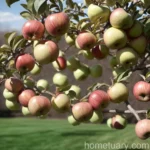
Plant Profile: Scarlet Firethorn (Pyracantha coccinea ‘Lalandei Monrovia’)
In the world of ornamental shrubs, the scarlet firethorn (Pyracantha coccinea ‘Lalandei Monrovia’) stands out for its vibrant berries, disease resistance, and versatile uses in landscapes. This article will provide an in-depth look at the culture, uses, care, and propagation of this stunning plant.
What is Scarlet Firethorn?
Scarlet firethorn, scientifically known as Pyracantha coccinea ‘Lalandei Monrovia’, belongs to the Rosaceae family. It is a species of firethorn that is prized for its year-round interest. The plant is native to Southeastern Europe and Western Asia and is widely cultivated for its ornamental value.
Key Takeaways
The scarlet firethorn (Pyracantha coccinea ‘Lalandei Monrovia’) is a versatile shrub used for:
- Landscaping
- Wildlife attraction
- Ornamental purposes
- Berries for fall color
- Trellis training
- Hedge or screen planting
Now, let’s dive into the specific aspects of this captivating plant, including its culture, uses, care requirements, and propagation techniques.
Culture
Cultivating scarlet firethorn requires an understanding of its water, sunlight, fertilizer, soil, and pruning needs.
Water
Scarlet firethorn plants prefer well-draining soil and regular watering, especially during the initial establishment period. However, they are remarkably drought-tolerant once established and typically do not require excessive irrigation once rooted.
Sunlight
For optimal growth and berry production, scarlet firethorn thrives in full sun. However, it can tolerate partial shade, although this may result in reduced flowering and fruiting.
Fertilizer
These plants benefit from a balanced fertilizer application in early spring before new growth begins. A slow-release fertilizer designed for shrubs and trees can provide the necessary nutrients for healthy growth and blooming.
Soil
The scarlet firethorn prefers slightly acidic to neutral soil with good drainage. It can adapt to various soil types, including sandy, loamy, or clay soils, as long as they are well-draining.
Pruning
Regular pruning is essential to maintain the desired shape and to encourage prolific flowering and berry production. Pruning should ideally be done in late winter or early spring before new growth emerges.
Uses
The scarlet firethorn offers a wide range of uses in landscaping and gardens.
- Wildlife Attraction: The berries of the scarlet firethorn are highly attractive to birds, making it an excellent choice for wildlife-friendly gardens.
- Ornamental Value: Its glossy, dark green foliage and profusion of colorful berries make it an eye-catching addition to any landscape, especially during the fall and winter seasons.
- Hedge or Screen Planting: With proper pruning, scarlet firethorn can be shaped into an effective and visually striking hedge or screen.
Propagation
Scarlet firethorn can be propagated through several methods, including softwood or hardwood cuttings and seeds. However, propagation through cuttings is the most common and reliable method.
Softwood Cuttings
Softwood cuttings are taken from the current season’s growth, usually in late spring or early summer. These cuttings are treated with a rooting hormone and placed in a well-draining growing medium until they develop roots.
Hardwood Cuttings
Hardwood cuttings are collected during the dormant season, typically in late winter. These cuttings are more mature and may take longer to root than softwood cuttings.
Container Popularity
The scarlet firethorn is well-suited for container gardening, allowing it to be featured on patios, balconies, or other outdoor spaces where a pop of color and ornamental value is desired.
Container Suitability
When planting in containers, it’s important to select a large enough pot to accommodate the plant’s mature size and provide adequate drainage to prevent waterlogging.
Common Diseases and Pests
Understanding common diseases and pests that affect scarlet firethorn is essential for maintaining the health and vigor of the plants.
Common Diseases
-
Fire Blight: This bacterial disease can affect various parts of the plant, causing wilting, cankers, and dieback.
-
Scab: Fungal disease that appears as dark spots on the leaves and may cause premature leaf drop.
Disease Diagnosis
Early diagnosis of diseases is critical for effective management. Monitoring the plant for symptoms such as leaf spots, wilting, or unusual discoloration can aid in timely intervention.
Common Pests
-
Aphids: These small, sap-sucking insects can cause puckering of leaves and may produce a sticky substance known as honeydew.
-
Scale Insects: These pests can infest the plant and cause yellowing of leaves and overall decline in plant health.
Pest Control
Insecticidal soaps, horticultural oils, or natural predators can be employed to control aphids and scale insects. Regular inspection of the plant can aid in early detection and management of pest infestations.
Botanist’s Tips
To ensure the successful cultivation of scarlet firethorn, consider the following botanist’s tips:
- Plant in well-draining soil to prevent waterlogging and root rot.
- Provide ample sunlight for prolific berry production.
- Employ a balanced fertilizer specifically formulated for shrubs.
- Regularly monitor for signs of pests and diseases to facilitate prompt intervention.
Fun Facts
- Pyracantha is derived from the Greek words “pyr” meaning fire and “akanthos” meaning thorn, alluding to the spiny nature of the plant and the fiery color of its berries.
- The berries of scarlet firethorn are edible when fully ripe, although they are generally quite bitter and astringent.
External Resources
For additional information on scarlet firethorn and its cultivation, uses, and care, refer to the following resources:
- Royal Horticultural Society – Pyracantha coccinea ‘Lalandei’
- University of California, Agriculture and Natural Resources – Pyracantha Fire Blight and Scab
- Missouri Botanical Garden – Pyracantha coccinea
- The American Phytopathological Society – Fire Blight of Apple and Pear
In conclusion, the scarlet firethorn (Pyracantha coccinea ‘Lalandei Monrovia’) is a versatile and visually striking plant that offers a range of practical and aesthetic uses in landscaping. Its brilliant berries, disease resistance, and adaptability make it a valuable addition to gardens and outdoor spaces.
By understanding the specific cultural needs, uses, and propagation techniques of this plant, gardeners can successfully cultivate and enjoy the beauty and benefits of the scarlet firethorn in their own landscapes.