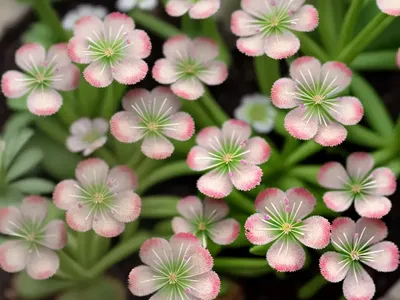
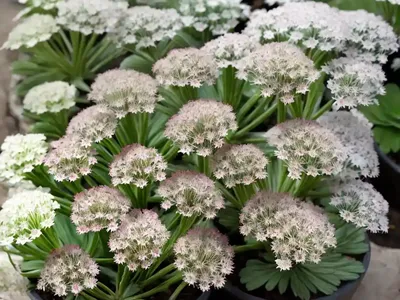
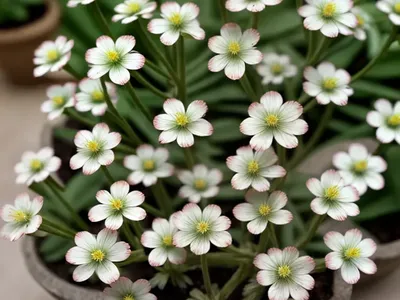
Saxifraga Paniculata (Lifelong Saxifrage)
Saxifraga paniculata, commonly known as Lifelong Saxifrage or Burnet Saxifrage, is a beautiful perennial plant that belongs to the family Saxifragaceae..
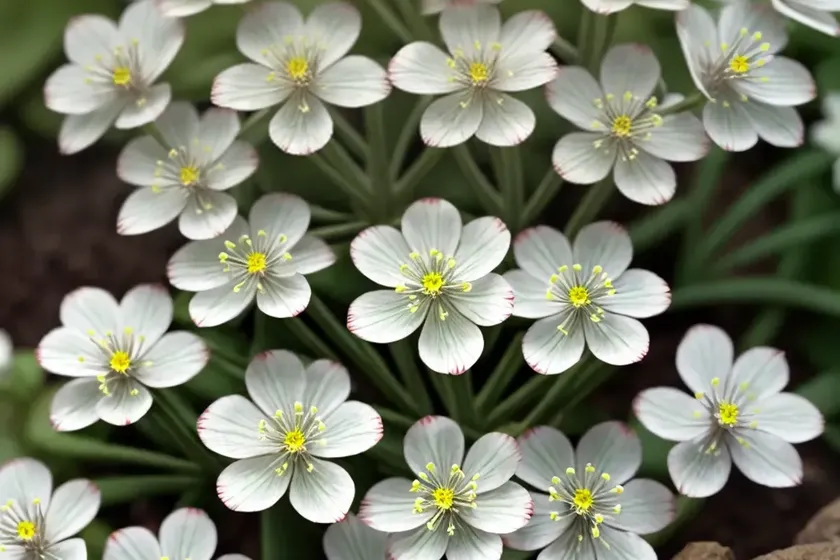
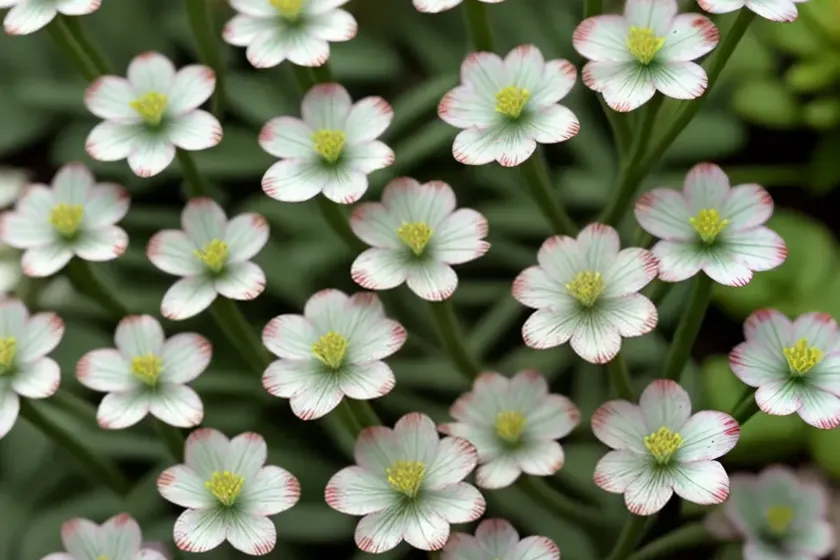
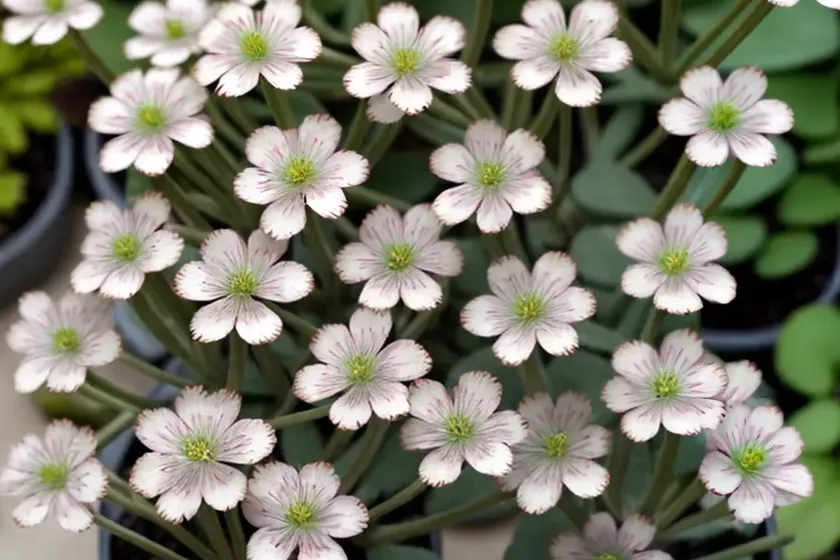
Saxifraga paniculata, commonly known as Lifelong Saxifrage or Burnet Saxifrage, is a beautiful perennial plant that belongs to the family Saxifragaceae. This species is native to Europe and Western Asia and is prized for its delicate white flowers and compact, mounding habit. In this comprehensive guide, we will delve into the various aspects of growing and caring for Saxifraga paniculata, including its cultural requirements, uses, and maintenance. Whether you are a novice gardener or an experienced horticulturist, this guide will provide you with valuable insights to cultivate and appreciate this enchanting plant in your garden.
What is Saxifraga paniculata (Lifelong Saxifrage)?
Saxifraga paniculata is a clump-forming perennial that typically reaches a height of 12-18 inches and spreads to about 12-24 inches. The name “Saxifraga” is derived from the Latin words “saxum” (rock) and “frangere” (to break), alluding to the plant’s natural habitat among rocks and cliffs. This species thrives in rocky, well-drained soils and is often found in alpine and subalpine regions.
Key Takeaways – Saxifraga paniculata (Lifelong Saxifrage)
- Plant Family: Saxifragaceae
- Native Habitat: Europe and Western Asia
- Common Names: Lifelong Saxifrage, Burnet Saxifrage
- Plant Type: Perennial
- Mature Height: 12-18 inches
- Mature Spread: 12-24 inches
- Flower Color: White
Now, let’s explore the various aspects of cultivating and caring for this exquisite plant.
Culture
Cultivating Saxifraga paniculata requires an understanding of its cultural preferences, including its water, sunlight, fertilizer, and soil requirements. By providing the right conditions, you can ensure the optimal growth and blooming of this charming perennial.
Uses
Saxifraga paniculata holds multiple uses in the garden and landscape. The following are some common uses of Lifelong Saxifrage:
- Rock gardens
- Alpine gardens
- Border edging
- Container gardening
- Groundcover in well-drained areas
The delicate appearance and low-growing habit of Saxifraga paniculata make it a versatile plant suitable for various landscaping applications.
Water
Proper watering is essential for the healthy growth of Saxifraga paniculata. This species thrives in well-drained soils and is sensitive to waterlogged conditions. When cultivating Lifelong Saxifrage, it is crucial to water the plant thoroughly while allowing the soil to dry out slightly between watering sessions. During the summer months, regular watering is necessary to support the plant’s growth and flowering.
Sunlight
Saxifraga paniculata prefers partial shade to full sun exposure. In regions with hot summers, providing partial shade during the hottest part of the day can help prevent the plant from wilting or scorching. When grown in full sun, adequate moisture is crucial to support the plant’s vitality and prevent dehydration.
Fertilizer
While Saxifraga paniculata is not heavy feeder, providing a light application of balanced fertilizer in early spring can promote healthy growth and flowering. A slow-release, granular fertilizer with balanced N-P-K (nitrogen, phosphorus, potassium) can be applied around the base of the plant, following the manufacturer’s recommendations for application rates.
Soil
The soil requirements for Saxifraga paniculata are perhaps one of the most critical aspects of its cultivation. Lifelong Saxifrage thrives in well-drained, slightly acidic to neutral soils with a pH range of 6.0-7.0. Sandy or loamy soils with good drainage are ideal for this species. When planting Lifelong Saxifrage, amending the soil with organic matter such as compost or peat moss can improve its structure and drainage capacity.
Pruning
Pruning is an essential aspect of maintaining the attractive appearance of Saxifraga paniculata. While Lifelong Saxifrage generally requires minimal pruning, the following are key pruning techniques to employ:
- Deadheading: Removing spent flowers can prolong the plant’s blooming period and prevent self-seeding in the garden.
- Trimming: Trimming back any leggy or damaged growth can help rejuvenate the plant and promote a compact, bushy habit.
When pruning Lifelong Saxifrage, it is essential to use clean, sharp tools to make precise cuts and minimize the risk of damaging the plant.
Propagation
Propagating Saxifraga paniculata can be achieved through various methods, including division, cuttings, and seeding. Each propagation method offers unique advantages and challenges, allowing gardeners to expand their collection of Lifelong Saxifrage through propagation.
Division
Dividing mature clumps of Saxifraga paniculata is a reliable method of propagation, particularly during the early spring or fall. By carefully separating the root mass into smaller sections, each containing healthy shoots and roots, gardeners can establish new plants that will continue to thrive and bloom in the garden.
Cuttings
Taking stem cuttings from healthy plants enables gardeners to propagate Saxifraga paniculata with a high degree of success. The use of rooting hormone and a well-draining rooting medium can enhance the rooting and establishment of cuttings, leading to the development of new, independent plants.
Seeding
Growing Lifelong Saxifrage from seeds can be a rewarding way to propagate this species, allowing gardeners to witness the complete life cycle of the plant. Sowing seeds in a well-prepared seed-starting mix and providing adequate moisture and warmth can initiate the germination process, leading to the emergence of seedlings that can be transplanted into the garden once they have developed sufficient root systems.
Container Popularity
Saxifraga paniculata is well-suited for container cultivation, making it a popular choice for gardeners with limited garden space or those seeking to create captivating displays of alpine and rock garden plants.
When selecting containers for growing Lifelong Saxifrage, it is essential to choose pots with adequate drainage holes to prevent waterlogging. Additionally, using a well-draining potting mix that replicates the plant’s natural soil preferences can provide an optimal growing environment for Saxifraga paniculata in containers.
Common Diseases
Though relatively resistant to diseases, Saxifraga paniculata may encounter certain issues related to environmental stress, fungal infections, and poor cultural practices. Recognizing and addressing common diseases promptly can prevent the spread of pathogens and support the plant’s overall health and vigor.
Disease Diagnosis
Identifying the symptoms of common diseases in Saxifraga paniculata is crucial for implementing targeted treatment and management strategies. The following are some common diseases that may affect Lifelong Saxifrage:
- Powdery Mildew: Manifested as white, powdery patches on foliage
- Root Rot: Characterized by wilting, yellowing, and decline of the plant
- Botrytis Blight: Notable for gray mold on flowers and foliage
Careful observation of the plant’s appearance and behavior can aid in diagnosing and addressing potential diseases promptly.
Common Pests
Saxifraga paniculata may attract certain pests that can compromise the plant’s health and appearance. By recognizing common pests and implementing integrated pest management strategies, gardeners can mitigate pest-related issues and maintain the vitality of Lifelong Saxifrage.
Botanist’s Tips
As a botanist, I have had the privilege of studying and appreciating the diverse aspects of plant life, including the enchanting beauty of Saxifraga paniculata. When cultivating this species, the following tips can help gardeners foster a thriving and visually stunning display of Lifelong Saxifrage in their gardens:
- Ample Drainage: Providing well-drained soil and containers is essential for preventing waterlogging and root rot, supporting the plant’s long-term health.
- Balanced Sunlight: Balancing sunlight exposure, particularly in regions with intense summer heat, can prevent leaf scorching and dehydration, promoting robust growth and flowering.
- Observation and Intervention: Regularly monitoring the plant for signs of pests, diseases, and nutrient deficiencies can enable timely intervention and prevent adverse impacts on the plant’s well-being.
Fun Facts
Discovering the intriguing facets of Saxifraga paniculata can deepen our appreciation for this captivating species. Here are some fun facts about Lifelong Saxifrage:
- The name “Saxifraga” references the plant’s ability to grow in crevices and fissures of rocks, showcasing its adaptability to challenging environments.
- Saxifraga paniculata is a valuable source of nectar for pollinators, contributing to the biodiversity and ecological balance of its native habitats.
- In traditional herbal medicine, Lifelong Saxifrage has been utilized for its astringent and medicinal properties, providing a historical perspective on its cultural significance.
Links to External Resources
For additional information on Saxifraga paniculata and related topics, the following external resources offer valuable insights and perspectives:
- Royal Horticultural Society – Saxifraga paniculata
- Missouri Botanical Garden – Saxifraga paniculata
- North Carolina State University – Saxifragaceae
In conclusion, Saxifraga paniculata, or Lifelong Saxifrage, embodies the enchanting beauty and resilience of alpine plants, offering gardeners an opportunity to cultivate an enduring and captivating species in their gardens. By understanding and embracing the cultural requirements, uses, and maintenance practices associated with Saxifraga paniculata, gardeners can nurture thriving displays of this delightful perennial, enriching their outdoor spaces with its subtle charm and timeless elegance.