Saxifraga Oppositifolia (Purple Mountain Saxifrage)
Saxifraga oppositifolia, commonly known as Purple Mountain Saxifrage, is a fascinating plant that belongs to the Saxifragaceae family. This plant is native.
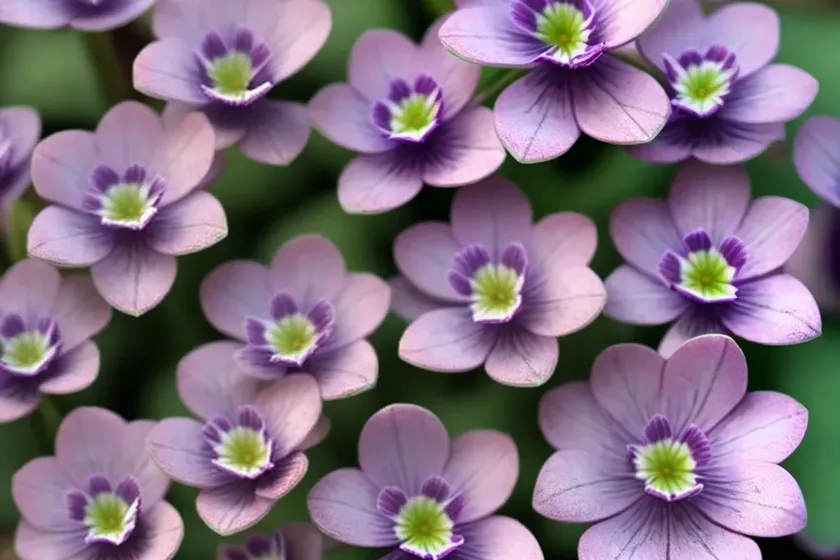
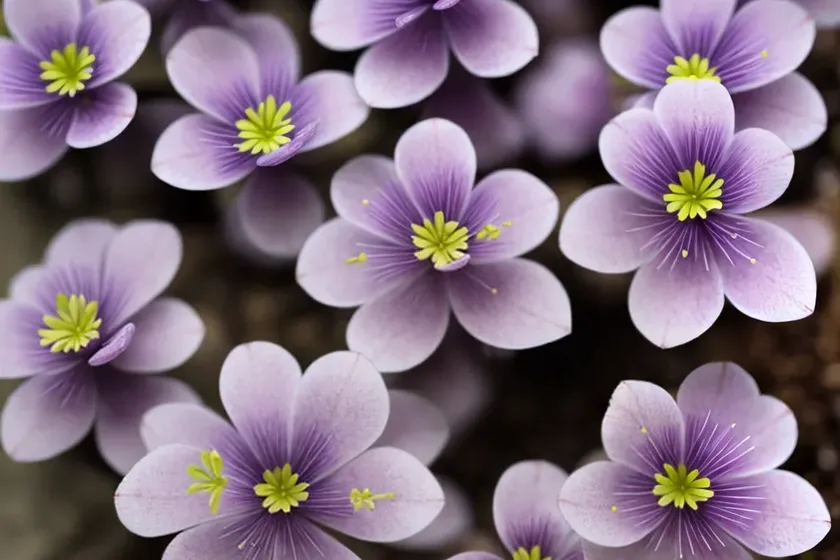
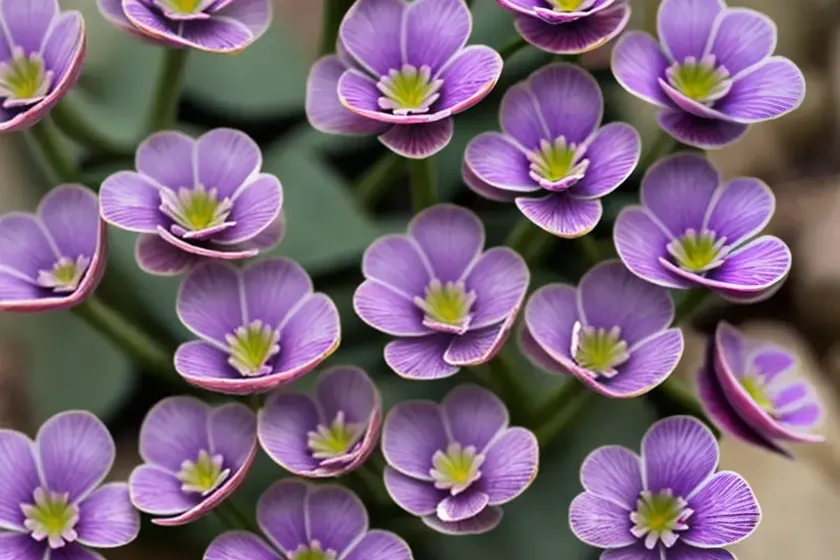
Saxifraga oppositifolia, commonly known as Purple Mountain Saxifrage, is a fascinating plant that belongs to the Saxifragaceae family. This plant is native to high-altitude regions, specifically alpine and arctic areas, in Europe, Asia, and North America. The ability of Saxifraga oppositifolia to thrive in harsh environments makes it an interesting subject for plant enthusiasts and researchers alike.
In this comprehensive guide, we will explore the cultivation, characteristics, and care requirements of Saxifraga oppositifolia, shedding light on its uses, unique features, and the conservation efforts surrounding this resilient plant.
What is Saxifraga oppositifolia?
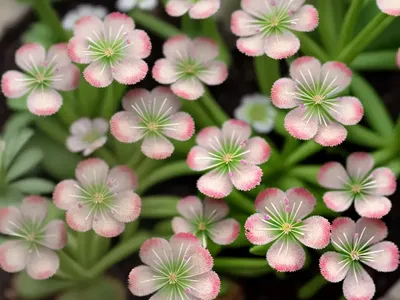
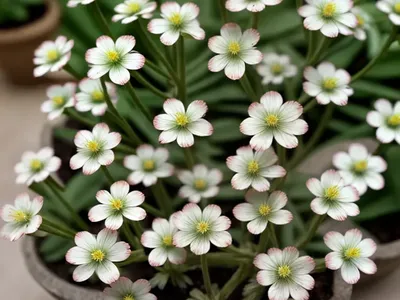
Saxifraga oppositifolia, also known as Purple Mountain Saxifrage, is a herbaceous perennial plant characterized by its low-growing cushion-like habit and beautiful star-shaped flowers. This plant typically forms dense clusters or mats, creating a stunning display in its natural rocky habitats. The name “Saxifraga” is derived from the Latin words “saxum” meaning “rock” and “frangere” meaning “to break,” alluding to the plant’s natural habitat and the folklore associated with its ability to break rocks.
Key Takeaways – Saxifraga oppositifolia (Purple Mountain Saxifrage)
Before delving into the specific aspects of growing and caring for Saxifraga oppositifolia, let’s take a look at some key takeaways:
- Scientific Name: Saxifraga oppositifolia
- Common Name: Purple Mountain Saxifrage
- Family: Saxifragaceae
- Native Habitat: Alpine and arctic regions of Europe, Asia, and North America
- Characteristics: Low-growing cushion-like habit, star-shaped flowers
- Cultural Significance: Folklore associated with its ability to break rocks
The following sections will provide detailed insights into the cultivation, uses, and care requirements of Saxifraga oppositifolia, along with valuable tips for plant enthusiasts and gardeners.
Cultivation of Saxifraga oppositifolia
Cultivating Saxifraga oppositifolia can be a rewarding experience, especially for individuals who appreciate resilient and visually captivating plants. Understanding the plant’s cultural requirements is essential for successfully growing and maintaining Purple Mountain Saxifrage.
1. Uses
Saxifraga oppositifolia serves various purposes, both in natural ecosystems and horticultural settings. Here are some of its notable uses:
- Rock Gardens: Due to its low-growing and mat-forming nature, Saxifraga oppositifolia is ideal for rock gardens, where it can adorn and complement the rugged terrain.
- Alpine Gardens: In alpine and mountainous landscapes, this plant adds a touch of elegance while seamlessly blending in with its surroundings.
2. Water
Proper watering is crucial for the health and vitality of Saxifraga oppositifolia. As a plant native to alpine and arctic regions, it has adapted to relatively dry conditions. When cultivating this species, it is important to strike a balance, providing enough moisture without causing waterlogged conditions.
- Watering Frequency: During the growing season, watering the plant when the soil begins to dry out slightly is recommended. Excessively wet conditions can lead to root rot, while drought stress should also be avoided.
- Container Cultivation: When cultivating Saxifraga oppositifolia in containers, ensure that the pots have adequate drainage to prevent water accumulation.
3. Sunlight
Saxifraga oppositifolia thrives in bright, indirect light and can tolerate partial shade. When selecting a planting site or positioning potted specimens, consider the following sunlight requirements:
- Outdoor Cultivation: In garden settings, choose a location that receives ample sunlight, especially in cooler climates. However, in warmer regions, partial shade during the hottest part of the day may be beneficial.
- Indoor Cultivation: When grown indoors, place the plant near a bright window that receives indirect sunlight. Avoid exposing it to intense, direct sunlight, which can cause foliage damage.
4. Fertilizer
While Saxifraga oppositifolia does not typically require heavy feeding, occasional fertilization can promote healthy growth and flowering. Here are some guidelines for fertilizing Purple Mountain Saxifrage:
- Fertilizer Type: Use a balanced, water-soluble fertilizer formulated for flowering plants. Alternatively, organic options such as compost or well-decomposed manure can be utilized.
- Application Frequency: Apply fertilizer sparingly, especially during the active growth phase in spring and early summer. Avoid over-fertilization, as excessive nutrients can lead to lush foliage at the expense of flower production.
5. Soil
The choice of soil is critical in providing an optimum growing environment for Saxifraga oppositifolia. This plant thrives in well-draining, slightly acidic soil that replicates its natural habitat conditions.
- Soil Composition: A blend of porous materials such as coarse sand, perlite, and well-rotted leaf mold or peat can create an ideal growing medium. These components promote aeration, prevent waterlogging, and mimic the rocky substrate found in alpine regions.
- Acidity: Aim for a soil pH range of 5.5 to 6.5, as Purple Mountain Saxifrage prefers slightly acidic conditions. Regular soil testing can help monitor and adjust the pH level as needed.
6. Pruning
Pruning is generally minimal for Saxifraga oppositifolia, as the plant’s compact growth habit requires little maintenance. However, the following considerations can guide the pruning process:
- Deadheading: Removing spent flowers can prolong the blooming period and enhance the overall appearance of the plant.
- Renovation Pruning: Periodic rejuvenation pruning, conducted in early spring, can help revitalize established clumps and maintain their vigor.
Propagation of Saxifraga oppositifolia
The propagation of Saxifraga oppositifolia allows enthusiasts to expand their plant collection, share specimens with fellow gardeners, and contribute to the conservation of this species. Here are the primary methods of propagating Purple Mountain Saxifrage:
1. Division
Division is a straightforward and effective method for multiplying Saxifraga oppositifolia specimens. This technique is best carried out in early spring when the plant is emerging from dormancy. Here’s how to propagate it through division:
- Step 1: Carefully lift the plant from the soil, taking care not to damage the roots.
- Step 2: Gently separate the root mass into smaller sections, ensuring that each division has healthy roots and growing points.
- Step 3: Replant the divisions in suitable locations, providing them with the necessary care to establish and thrive.
2. Seed Propagation
Growing Saxifraga oppositifolia from seeds can be a rewarding, albeit more time-consuming, endeavor. Here’s how to propagate the plant using seeds:
- Step 1: Collect mature seeds from the plant when they are ripe, typically after the flowering period.
- Step 2: Sow the seeds in well-draining, slightly acidic soil. Lightly press them into the growing medium, ensuring good soil-seed contact.
- Step 3: Keep the soil consistently moist but not waterlogged, providing a warm and bright environment for germination.
Container Cultivation of Saxifraga oppositifolia
Saxifraga oppositifolia is well-suited for container cultivation, making it a versatile choice for various garden settings, including patios, balconies, and rooftop gardens. When growing Purple Mountain Saxifrage in containers, keep the following considerations in mind:
- Container Type: Select containers that provide ample drainage and adequate space for the plant to spread. Terracotta pots, hypertufa troughs, or rock garden planters are excellent choices for showcasing the unique beauty of this alpine species.
- Growing Medium: Use a well-draining potting mix enriched with perlite or coarse sand to ensure proper aeration and moisture control.
- Placement: Position the containers in locations that receive ample sunlight, while also providing protection from intense midday heat in warmer climates.
Popularity of Saxifraga oppositifolia in Container Gardening
Saxifraga oppositifolia has gained popularity among gardening enthusiasts for container cultivation due to several compelling reasons:
- Visual Appeal: The low-growing, dense habit of Saxifraga oppositifolia creates an enchanting visual impact in containers, especially when combined with other alpine plants.
- Adaptability: Its ability to thrive in confined spaces makes it an excellent choice for container gardening, where it can bring a touch of the alpine environment to urban and suburban settings.
- Unique Features: The star-shaped flowers and resilient nature of Purple Mountain Saxifrage make it a standout choice for individuals seeking distinctive and enduring plants for their container displays.
Common Diseases of Saxifraga oppositifolia
While Saxifraga oppositifolia is generally resilient to many plant diseases, it may still be susceptible to certain issues under unfavorable growing conditions. Here are some common diseases to watch out for:
1. Crown Rot
Crown rot, caused by fungal pathogens, can affect the base of the plant, leading to wilting, yellowing, or browning of the foliage. To prevent crown rot:
- Provide Good Drainage: Ensure that the soil and growing medium allow excess water to drain effectively, reducing the risk of waterlogging around the plant’s crown.
- Avoid Overhead Watering: Water the plant at the base to minimize moisture accumulation around the crown and leaf rosettes.
2. Powdery Mildew
Powdery mildew, characterized by a white powdery growth on the leaves, can impact the overall vigor of Saxifraga oppositifolia. To manage and prevent powdery mildew:
- Improving Air Circulation: Ensure proper spacing between plants and provide adequate ventilation to minimize the risk of humidity-related fungal infections.
- Fungal Control: Application of horticultural oil or fungicidal sprays can help manage existing powdery mildew infections effectively.
Disease Diagnosis and Management for Saxifraga oppositifolia
Diagnosing and managing diseases is crucial in maintaining the health and vitality of Saxifraga oppositifolia. By promptly addressing disease issues, gardeners can ensure the long-term well-being of Purple Mountain Saxifrage. Here’s how to diagnose and manage diseases effectively:
1. Observing Symptoms
Key symptoms such as leaf yellowing, wilting, or the presence of powdery growth can indicate disease issues. Regular monitoring and inspection of the plant can help detect and address problems early on.
2. Correcting Growing Conditions
Adjusting the plant’s cultural requirements, including water, sunlight, and air circulation, can help create an environment that discourages the development and spread of diseases.
3. Disease-specific Treatments
When faced with specific diseases such as crown rot or powdery mildew, targeted treatments involving fungicides, cultural modifications, and sanitation practices can aid in disease management.
Common Pests Affecting Saxifraga oppositifolia
While Purple Mountain Saxifrage is relatively resistant to pest infestations, it may occasionally encounter certain insects that can compromise its growth and appearance. Here are some common pests affecting Saxifraga oppositifolia:
1. Aphids
Aphids, small sap-sucking insects, can colonize the tender shoots and foliage of Saxifraga oppositifolia, leading to stunted growth and deformation of the plant. Managing aphids involves:
- Water Sprays: Use a strong jet of water to dislodge and remove aphids from the plant, reducing their populations effectively.
- Natural Predators: Attract beneficial insects such as ladybugs and lacewings, which feed on aphids, promoting a natural balance in the garden.
2. Spider Mites
Spider mites, tiny arachnids that feed on plant sap, can cause stippling and webbing on the foliage of Saxifraga oppositifolia. To control and prevent spider mite infestations:
- Humidity Maintenance: Increase air humidity through regular misting to deter spider mites, as they thrive in dry conditions.
- Biological Controls: Introduce predatory mites and insects that feed on spider mites to maintain their populations at manageable levels.
Botanist’s Tips for Saxifraga oppositifolia
Derived from observations and research findings, the following tips are designed to enhance the cultivation and overall experience of growing Saxifraga oppositifolia:
- Emulate Natural Conditions: Mimic the alpine and arctic habitat of Saxifraga oppositifolia by providing well-draining, rocky substrates and slightly acidic soils in garden and container settings.
- Seasonal Considerations: Adjust watering and feeding practices based on the plant’s seasonal growth patterns, conserving resources during dormancy and supporting robust growth during the active growing season.
- Companion Planting: Pair Saxifraga oppositifolia with other alpine and rock garden species to create captivating displays and promote biodiversity in the garden environment.
Fun Facts about Saxifraga oppositifolia
- Historical Significance: In folklore, Saxifraga oppositifolia was believed to have the ability to exert force, known as “Saxifrage power,” which allowed it to break through rocks and create crevices for other plants to grow.
- Alpine Adaptation: The compact, low-growing nature of Purple Mountain Saxifrage is an evolutionary adaptation that enables it to withstand challenging alpine conditions, including exposure to strong winds and temperature fluctuations.
Links to External Resources
For further exploration of Saxifraga oppositifolia and related topics, the following resources provide valuable insights and information:
- Royal Horticultural Society – Saxifraga
- North American Rock Garden Society – Saxifrages
- Alpine Garden Society – Saxifraga oppositifolia
In conclusion, Saxifraga oppositifolia, or Purple Mountain Saxifrage, embodies resilience, natural beauty, and cultural significance. Its adaptability to alpine environments, combined with its appealing characteristics, makes it an intriguing subject for both horticultural enthusiasts and botanists. By understanding and embracing the unique attributes of this plant, we can foster a deeper appreciation for its ecological importance and horticultural value.
Remember, it’s important to incorporate these keywords naturally within your content and focus on providing valuable information to the readers.