Saxifraga Cotyledon (Pyramidal Saxifrage)
Saxifraga cotyledon, commonly known as Pyramidal Saxifrage, is a remarkable plant that has captured the interest of plant enthusiasts and gardeners alike.
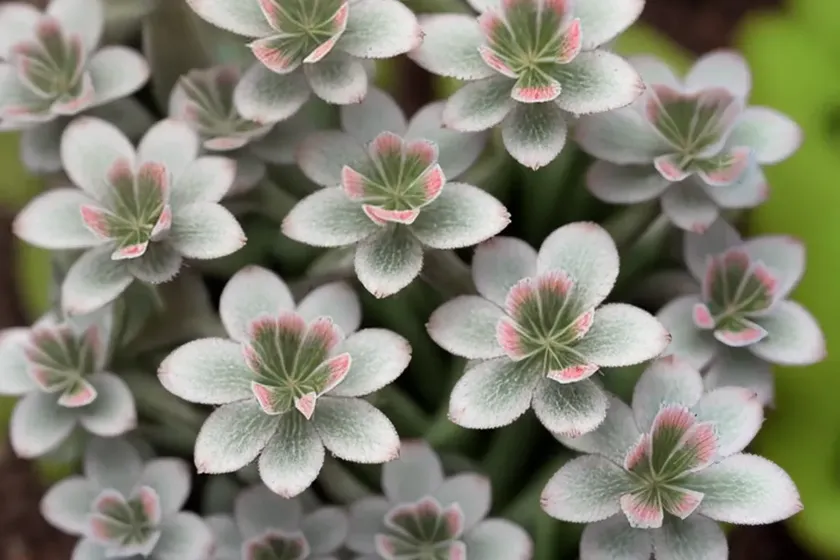
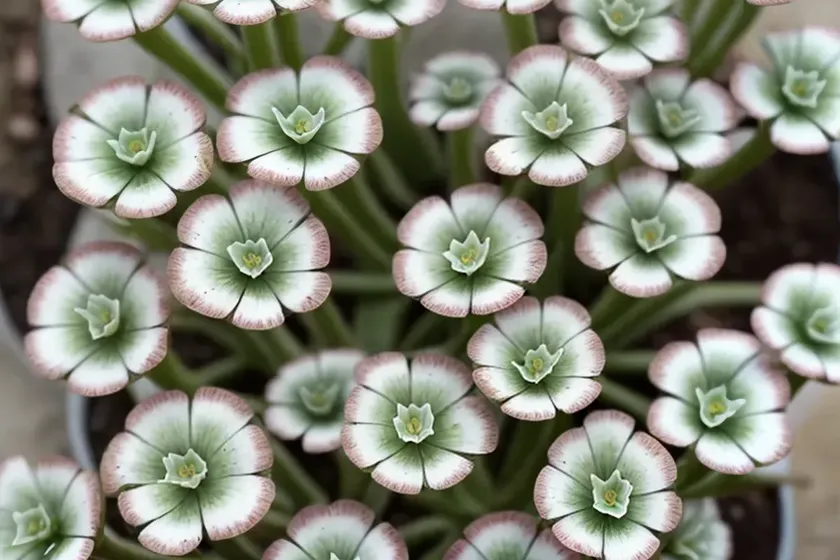
Saxifraga cotyledon, commonly known as Pyramidal Saxifrage, is a remarkable plant that has captured the interest of plant enthusiasts and gardeners alike due to its exquisite beauty and adaptability to various growing conditions. This article aims to provide a comprehensive guide to Saxifraga cotyledon, encompassing its culture, uses, care requirements, diseases, pests, and fascinating facts. Whether you are a seasoned gardener or a novice plant enthusiast, this guide will equip you with the knowledge to nurture and appreciate this stunning plant.
What is Saxifraga cotyledon?
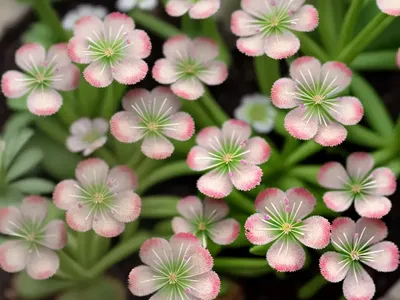
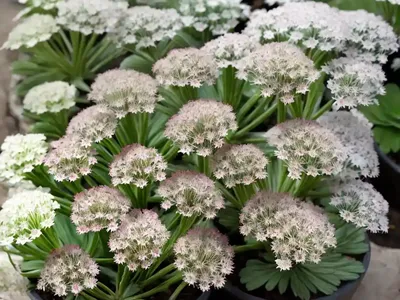
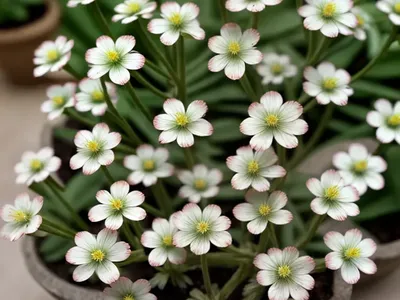
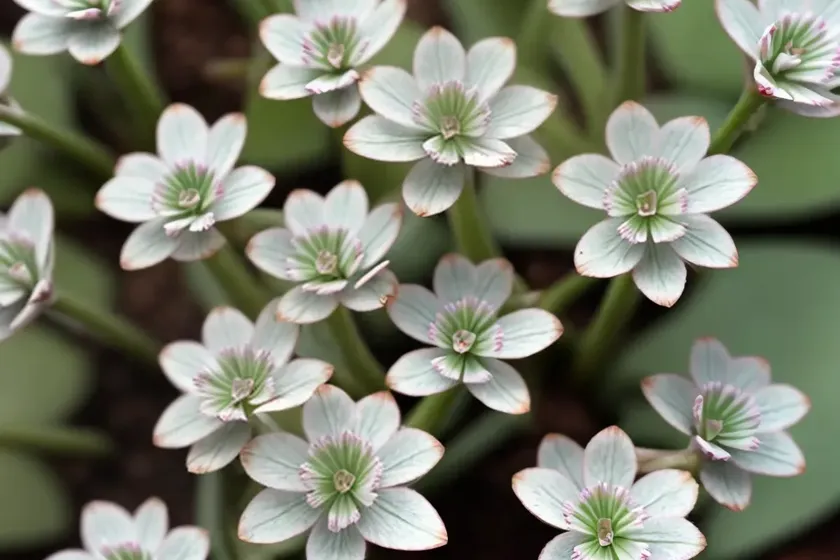
Saxifraga cotyledon is a species of flowering plant in the family Saxifragaceae. It is native to alpine regions of Europe and is well-known for its rosettes of succulent, evergreen leaves and clusters of delicate, star-shaped flowers that bloom in spring and early summer. The plant’s common name, Pyramidal Saxifrage, refers to the pyramid-shaped inflorescence formed by the densely packed flowers atop long, slender stems.
The botanical name “Saxifraga” is derived from the Latin words “saxum” meaning rock and “frangere” meaning to break, alluding to the plant’s natural habitat on rocky substrates. This characteristic makes Saxifraga cotyledon well-suited for rock gardens, crevices, and other well-draining environments.
Key Takeaways
Before delving into the intricacies of Saxifraga cotyledon care, it’s essential to highlight the key takeaways that will be explored in this comprehensive guide. Understanding these key points will serve as a foundational knowledge base for cultivating and appreciating Pyramidal Saxifrage.
Key Takeaways – Saxifraga cotyledon (Pyramidal Saxifrage):
- Culture
- Uses
- Water
- Sunlight
- Fertilizer
- Soil
- Pruning
- Propagation
- Container Popularity
- Common Diseases
- Disease Diagnosis
- Common Pests
- Botanist’s Tips
- Fun Facts
- Links to External Resources
Throughout this guide, each of these key takeaways will be thoroughly explored to provide comprehensive insights into the care and cultivation of Saxifraga cotyledon.
Culture
Understanding the cultural requirements of Saxifraga cotyledon is essential for promoting vigorous growth, abundant flowering, and overall plant health. This section will outline the general cultural practices that are conducive to the well-being of Pyramidal Saxifrage, including its uses and versatile applications in horticulture and landscaping.
Uses
Saxifraga cotyledon offers a multitude of uses in various garden settings, making it a versatile and valuable addition to horticultural endeavors. Some common uses of Pyramidal Saxifrage include:
- Rock Gardens: The low-growing habit and natural resilience of Saxifraga cotyledon make it an excellent choice for rock gardens, where it can thrive in the crevices between rocks and add a delicate beauty to the landscape.
- Edging and Border Plant: Due to its compact growth and charming blooms, Pyramidal Saxifrage serves as an attractive border plant, delineating garden beds and pathways with its appealing foliage and flowers.
- Alpine Gardens: Given its native habitat in alpine regions, Saxifraga cotyledon is perfectly suited for alpine or rock gardens, where it can mirror its natural environment and thrive in well-drained, rocky substrates.
- Container Gardening: The adaptability of Saxifraga cotyledon to container gardening allows it to adorn patios, balconies, and other confined spaces, bringing a touch of elegance and natural beauty to urban settings.
By understanding the diverse uses of Saxifraga cotyledon, gardeners can effectively integrate this plant into a wide array of garden designs, enhancing the visual appeal and ecological diversity of the landscape.
Water
Proper watering is crucial for the health and vitality of Saxifraga cotyledon. As a plant native to alpine regions, it has specific water requirements that must be met to ensure optimal growth and flowering.
Watering Needs
Saxifraga cotyledon thrives in well-drained soil and regards excessive moisture as detrimental to its health. Adequate watering is essential, especially during the growing season, to maintain moderate soil moisture without waterlogging the roots. In hot and dry climates, regular watering may be necessary to prevent the soil from drying out excessively.
Sunlight
Sunlight plays a pivotal role in the growth and blooming of Saxifraga cotyledon. Understanding its sunlight requirements is essential for providing the ideal growing conditions and promoting healthy development.
Sun Exposure
Pyramidal Saxifrage flourishes in full sun to partial shade, exhibiting the best growth and blooming performance when exposed to ample sunlight. When grown in regions with intense sunlight and high temperatures, providing partial shade during the hottest part of the day can prevent leaf scorching and maintain the plant’s vigor.
Fertilizer
Although Saxifraga cotyledon is not known to be heavy feeders, providing a balanced and appropriate fertilizer can enhance its growth and flowering, particularly in nutrient-deficient soils or container-grown specimens.
Fertilization Methods
When fertilizing Saxifraga cotyledon, it is recommended to use a well-balanced, water-soluble fertilizer diluted to half the recommended strength. Applying the fertilizer during the growing season, typically in spring and early summer, can provide the necessary nutrients for robust growth and prolific blooming.
Soil
The choice of soil is crucial for the successful cultivation of Saxifraga cotyledon. Its preference for well-drained, gritty substrates mirrors its natural habitat and is integral to its overall health and sustainability.
Soil Requirements
Saxifraga cotyledon thrives in loose, well-drained soils with a gritty texture, such as sandy loam or rocky substrates. It is essential to ensure that the soil does not retain excess moisture, as this can lead to root rot and other detrimental conditions. Incorporating organic matter, such as compost or well-rotted manure, can improve soil structure and fertility, promoting healthy growth of Pyramidal Saxifrage.
Pruning
Pruning helps maintain the tidy appearance of Saxifraga cotyledon and promotes continued flowering. Understanding the appropriate pruning techniques is essential for preventing overgrowth and rejuvenating the plant as needed.
Pruning Techniques
Deadheading spent flowers and removing any damaged or diseased foliage can improve the plant’s appearance and encourage the production of new blooms. Additionally, pruning back leggy or overgrown stems can help rejuvenate the plant and maintain its compact, attractive form.
Propagation
Propagating Saxifraga cotyledon allows for the expansion of its presence in the garden or the sharing of this delightful plant with fellow enthusiasts. Understanding the various methods of propagation is essential for successfully propagating Pyramidal Saxifrage.
Propagation Methods
Saxifraga cotyledon can be propagated through division, offsets, or leaf cuttings. Each method offers its unique advantages and is relatively straightforward, making propagation an accessible and rewarding endeavor for plant enthusiasts. Division is often the preferred method, as it allows for the rapid establishment of new plants with minimal effort.
Container Popularity
The intriguing and visually appealing characteristics of Saxifraga cotyledon make it a popular choice for container gardening, enabling enthusiasts to enjoy its beauty in various settings.
Container Gardening
When cultivating Pyramidal Saxifrage in containers, it is essential to select a well-draining potting mix and a container with adequate drainage holes. This ensures that the roots do not remain waterlogged, promoting healthy growth and preventing root rot. Additionally, the use of containers allows for greater flexibility in creating captivating displays on patios, balconies, and other confined spaces.
Common Diseases
While Saxifraga cotyledon is generally resistant to many common garden pests and diseases, it is susceptible to certain ailments that can affect its overall health and appearance.
Disease Prevention
Preventative measures, such as providing proper growing conditions, maintaining good air circulation, and avoiding overhead irrigation, can significantly reduce the incidence of diseases in Pyramidal Saxifrage. Additionally, promptly removing and disposing of any diseased plant material can prevent the spread of pathogens and protect the overall health of the plant.
Disease Diagnosis
Diagnosing and addressing diseases in Pyramidal Saxifrage is essential for preserving the plant’s vigor and preventing the spread of the disease to other garden plants.
Common Diseases and Treatment
Some common diseases that may affect Saxifraga cotyledon include:
- Powdery Mildew: A fungal disease that appears as a white powdery coating on the leaves. Treating with fungicidal sprays and improving air circulation can help control powdery mildew.
- Crown Rot: Caused by overly moist soil, leading to the rotting of the plant’s crown. Adjusting watering practices and improving soil drainage can prevent crown rot.
By understanding the symptoms and appropriate treatments for common diseases, gardeners can effectively address any issues and safeguard the health of Pyramidal Saxifrage.
Common Pests
While Saxifraga cotyledon is relatively resistant to pests, some common garden invaders may pose a threat to its well-being if left unaddressed.
Pest Control Methods
Some common pests that may affect Saxifraga cotyledon include aphids, snails, and slugs. Implementing natural pest control methods, such as handpicking pests, applying barriers, or using insecticidal soap, can effectively manage pest populations without harming the plant or the surrounding environment.
Botanist’s Tips
Plant enthusiasts and botanists alike can benefit from a series of practical tips and recommendations for cultivating and appreciating Saxifraga cotyledon.
Maintenance Tips
- Mulching: Applying a layer of organic mulch around the base of Pyramidal Saxifrage can help conserve soil moisture, suppress weed growth, and protect the roots from temperature fluctuations.
- Winter Care: In regions with cold winters, providing a layer of mulch or protective covering can shield Saxifraga cotyledon from frost damage and ensure its survival through the winter months.
By incorporating these botanist’s tips into plant care routines, enthusiasts can enhance the overall health and resilience of Saxifraga cotyledon.
Fun Facts
Delving into the intriguing and captivating aspects of Saxifraga cotyledon, it is essential to highlight some fun and remarkable facts that contribute to its allure and appeal.
Fascinating Characteristics
- Pyramidal Saxifrage is a favorite among rock garden enthusiasts and alpine plant collectors, prized for its charming rosettes of foliage and dainty blooms.
- The plant’s name, “Saxifraga,” reflects its natural habitat on rocky substrates and its ability to thrive in challenging growing conditions.
- Some varieties of Saxifraga cotyledon boast vibrant and contrasting leaf colors, adding visual interest to garden displays and connoisseur collections.
By uncovering these fun facts, enthusiasts can gain a deeper appreciation for the unique attributes and ecological significance of Pyramidal Saxifrage.
Links to External Resources
In the quest for further information and resources on Saxifraga cotyledon, the following links provide valuable insights and perspectives on cultivation, design, and appreciation of this extraordinary plant:
- Royal Horticultural Society (RHS) – Saxifraga cotyledon
- The Alpine Garden Society – Saxifraga cotyledon
- Plant Delights Nursery – Growing and Cultivating Saxifraga
- North American Rock Garden Society (NARGS) – Guide to Planting and Growing Saxifraga
By exploring these external resources, enthusiasts and gardeners can access a wealth of knowledge and expertise from reputable organizations and horticultural communities.
Saxifraga cotyledon, or Pyramidal Saxifrage, is a captivating and versatile plant with a rich history and remarkable adaptability to various growing conditions. By delving into its culture, care requirements, uses, and ecological significance, plant enthusiasts and individuals alike can gain a deeper appreciation for the beauty and resilience of this exceptional plant. With a comprehensive understanding of its needs and applications, cultivating and nurturing Saxifraga cotyledon can be a rewarding and enriching experience, contributing to the ecological diversity and visual allure of garden landscapes.